Gadarmal Devi temple
About Gadarmal Devi temple
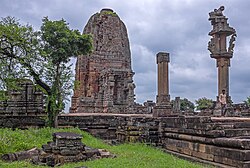
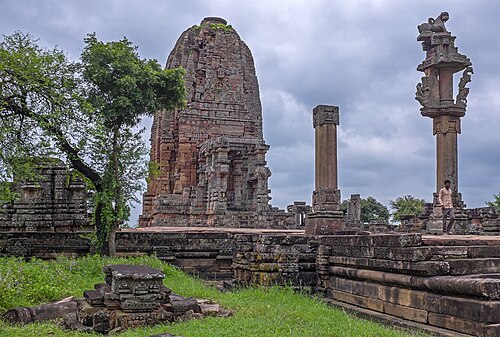
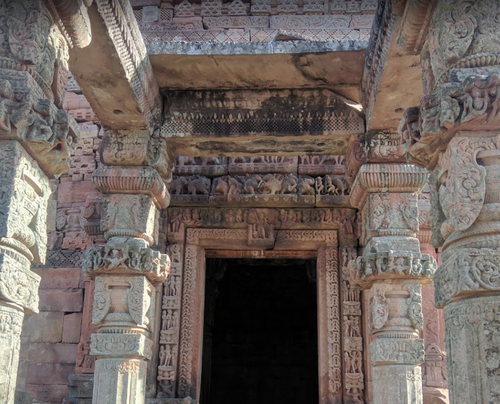
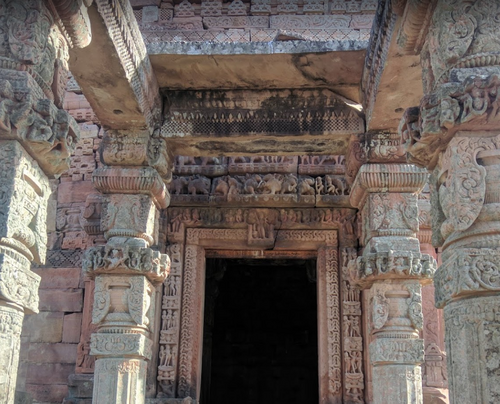
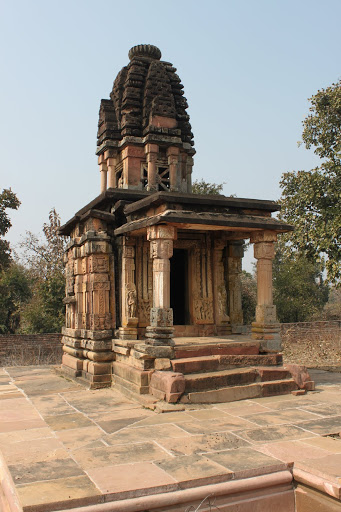
The temple was established by the Gadaria caste and completed by the 9th century, combining Pratihara and Māru-Gurjara architectural styles in its construction. Built entirely from sandstone, the structure features a distinctive rectangular shrine surrounded by seven smaller shrines, crowned by a tall, imposing shikhara. The most remarkable aspect of Gadarmal Devi temple is its original hypaethral (open-air) design, which allowed the temple to function as an open courtyard shrine—an unusual arrangement for yogini temples of this period.
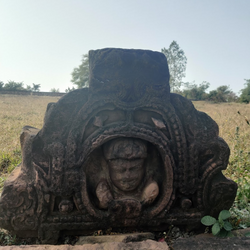
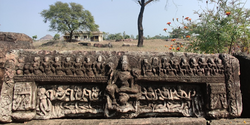
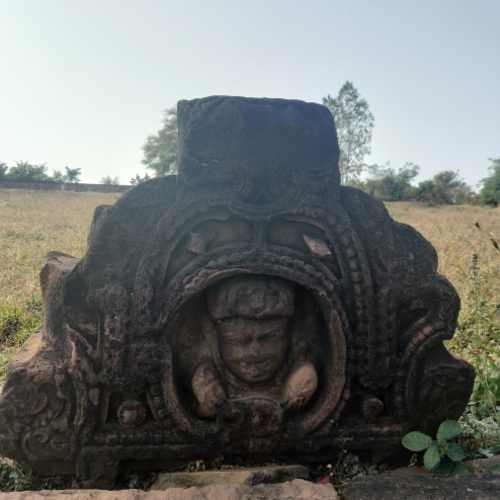
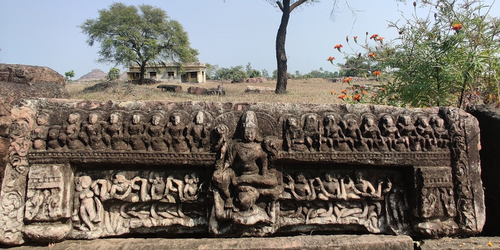
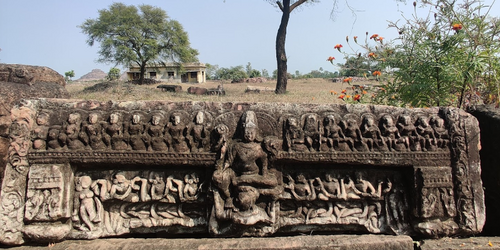
The temple's defining feature is its 42 niches arranged in a rectangle, which once held statues of yoginis. Eighteen broken goddess images, preserved from the waist down, remain from this original sculptural programme. These fragments offer glimpses into the temple's former richness and the skilled craftsmanship of Pratihara-period artisans. The rectangular arrangement of niches is itself uncommon among yogini temples, making Gadarmal Devi a significant architectural variant within this tradition.
Darshan and Daily Worship
Visitors may approach the temple during its open hours to pay respects at the shrine. The temple maintains regular darshan timings, though these may vary on festival days—it is advisable to confirm hours before travelling. The specific aarti timings and daily worship schedule are best verified directly with the temple, as these details are subject to local practice and seasonal variation.
Festivals Observed
The temple observes several festivals throughout the year. Raksha Bandhan in August celebrates the bond between siblings, while Makar Sankranti in January marks the harvest season and the sun's entry into Capricorn. Sharad Navaratri in September or October brings heightened devotional activity, as this nine-night festival dedicated to the divine feminine holds particular resonance at a yogini temple. These festivals typically draw increased numbers of devotees and may involve special decorations and extended worship hours.
Visiting the Temple
Gadarmal Devi temple is located in Badoh village, Vidisha district, Madhya Pradesh, at coordinates 23.9183°N, 78.2225°E. The temple can be located using these coordinates in mapping applications. Visitors should dress modestly, as is customary at Hindu temples—covering shoulders and knees is appropriate. Footwear is typically removed before entering the shrine area. Photography policies vary; it is respectful to ask permission before photographing the interior or any ritual in progress.
The temple's significance as both a Hindu and Jain shrine means visitors of either faith will find it a place of worship. Those interested in temple architecture and the history of yogini worship will find the site particularly rewarding, as the surviving niches and sculptural fragments offer material evidence of medieval religious practice. The rectangular arrangement of the yogini niches and the open-air design remain distinctive features worth observing.
Getting There
Badoh village lies within Vidisha district in Madhya Pradesh. Visitors should use the provided coordinates (23.9183°N, 78.2225°E) with mapping applications to plan their route. The nearest major city is Vidisha itself. Local transport options and accommodation should be arranged in advance, as Badoh is a village setting. It is recommended to confirm current access routes and any local conditions before travelling, particularly during monsoon season.
How to reach
Temples near Gadarmal Devi temple
Saptamatrika cave, Badoh Pathari
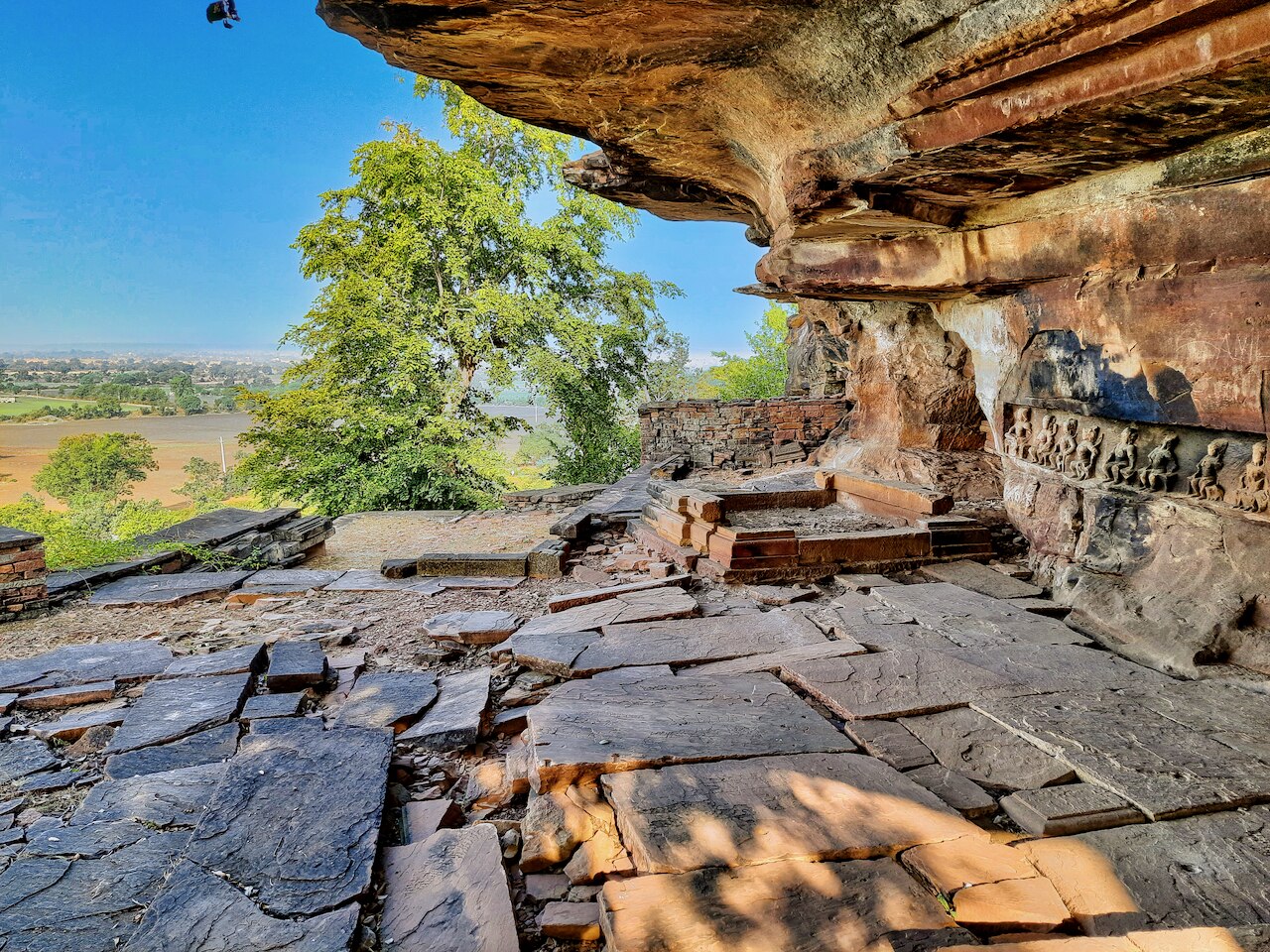
The Saptamatrika cave at Badoh Pathari is India's oldest known cave dedicated to the seven mother goddesses, representing a significant archaeological site from the ancient Gupt…
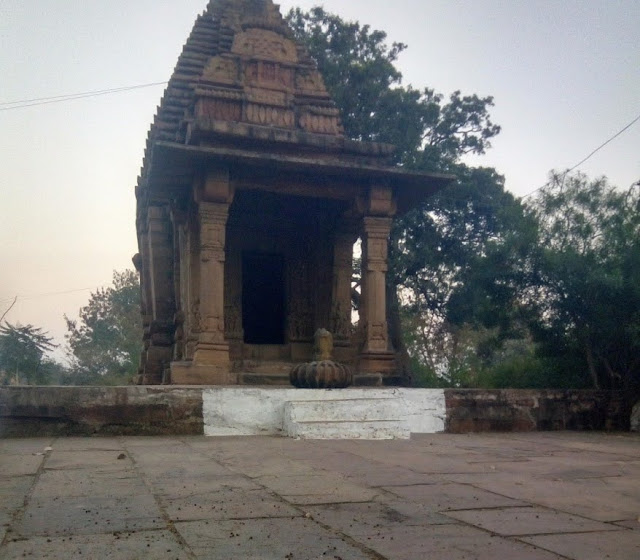
Kutkeshwar temple, Badoh Pathari
Kutakeswara Temple is a 9th-century Hindu shrine dedicated to Lord Shiva located in Badoh village, Vidisha District, Madhya Pradesh. Classified as a Monument of National Importa…
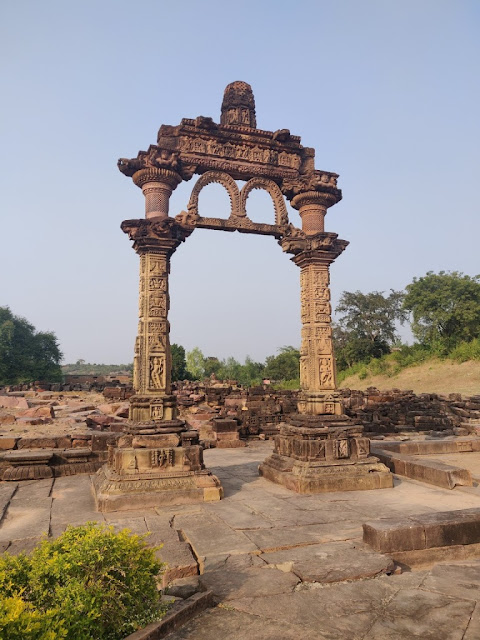
Hindola torana and Chaukhamba
Hindola Torana is an ornamental entrance arch from the 10th century dedicated to Lord Vishnu, located in Gyaraspur, Madhya Pradesh. The adjacent Chaukhamba represents remains of…
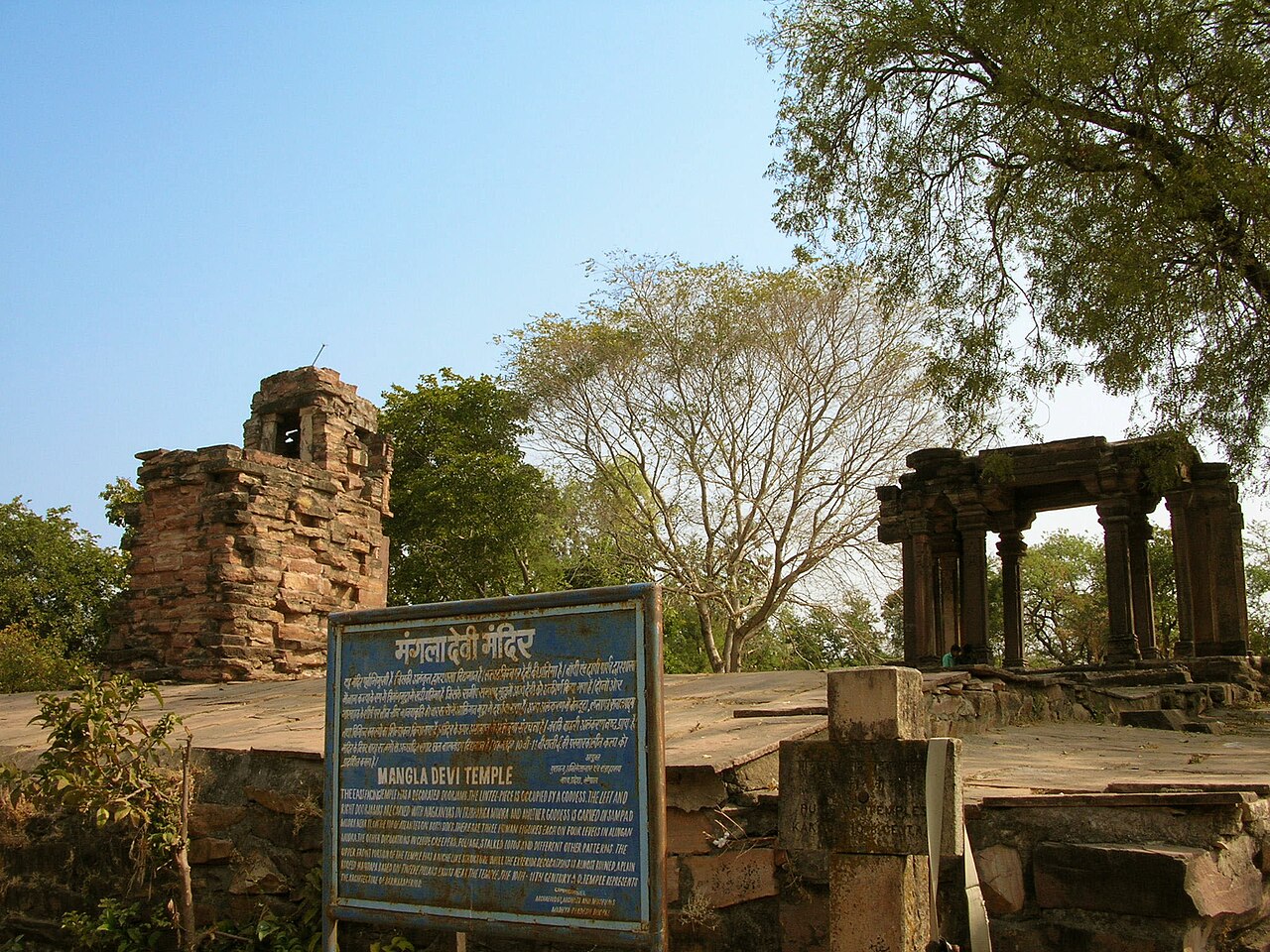
Mangala Devi Temple, Kagpur, Vidisha
Mangala Devi Temple is a ruined Hindu temple in Kagpur village, Vidisha District, Madhya Pradesh, dedicated to the goddess Durga. Built during the Paramara period in the 10th–11…
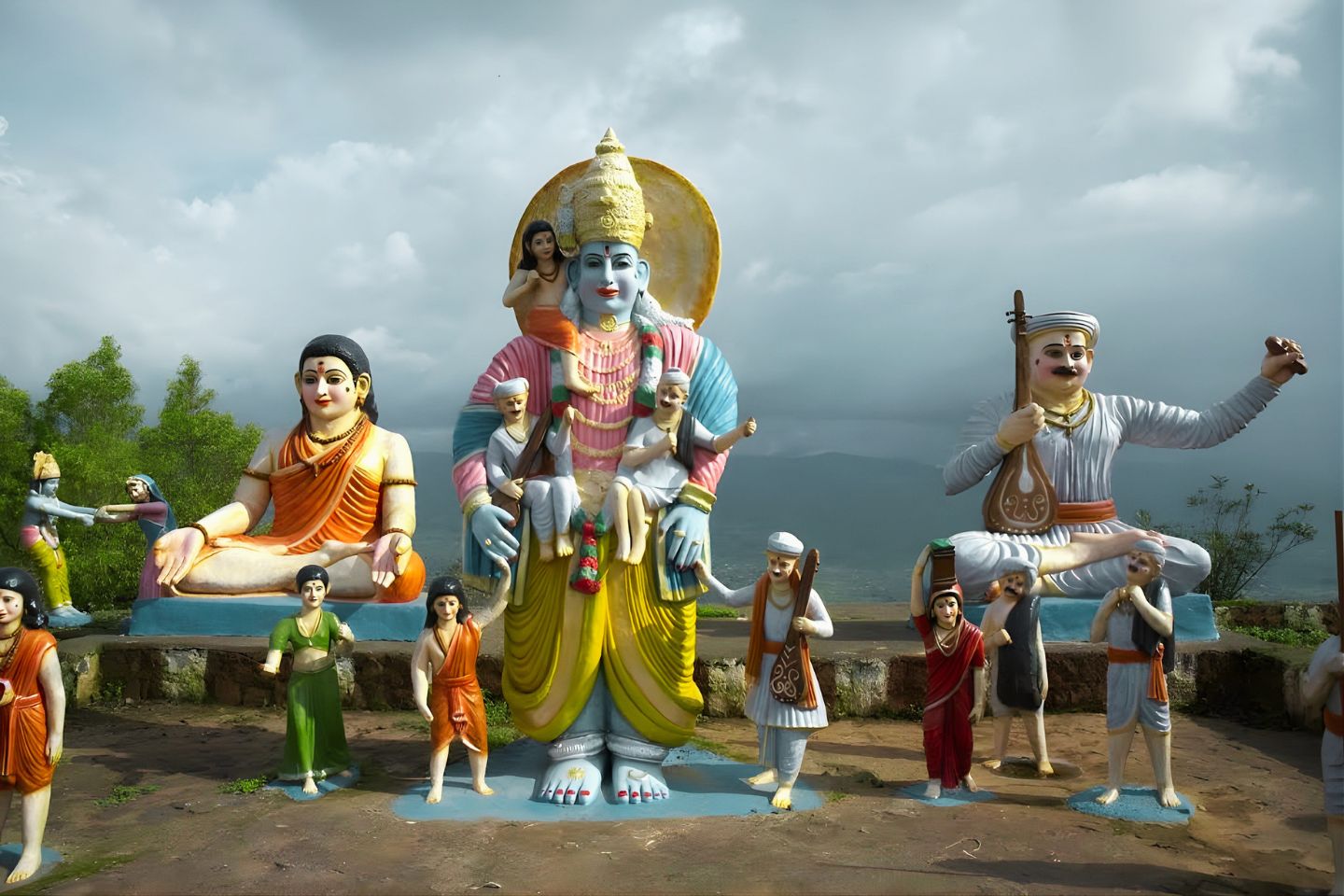
Neelkantheshwar
Nilkantheshwar Temple is a hilltop Shiva shrine near Pune dedicated to Lord Shiva, whose blue throat earned him the name Nilkantheshwar after drinking cosmic poison during the c…
Kuraiya Bir Temple, Kuchdon
An 8th-century three-storey Hindu temple in Kuchdon village near Deogarh, Lalitpur district, originally dedicated to an unknown deity and later re-dedicated to Shiva in the 18th…