Rama Lakshamana Temples
About Rama Lakshamana Temples
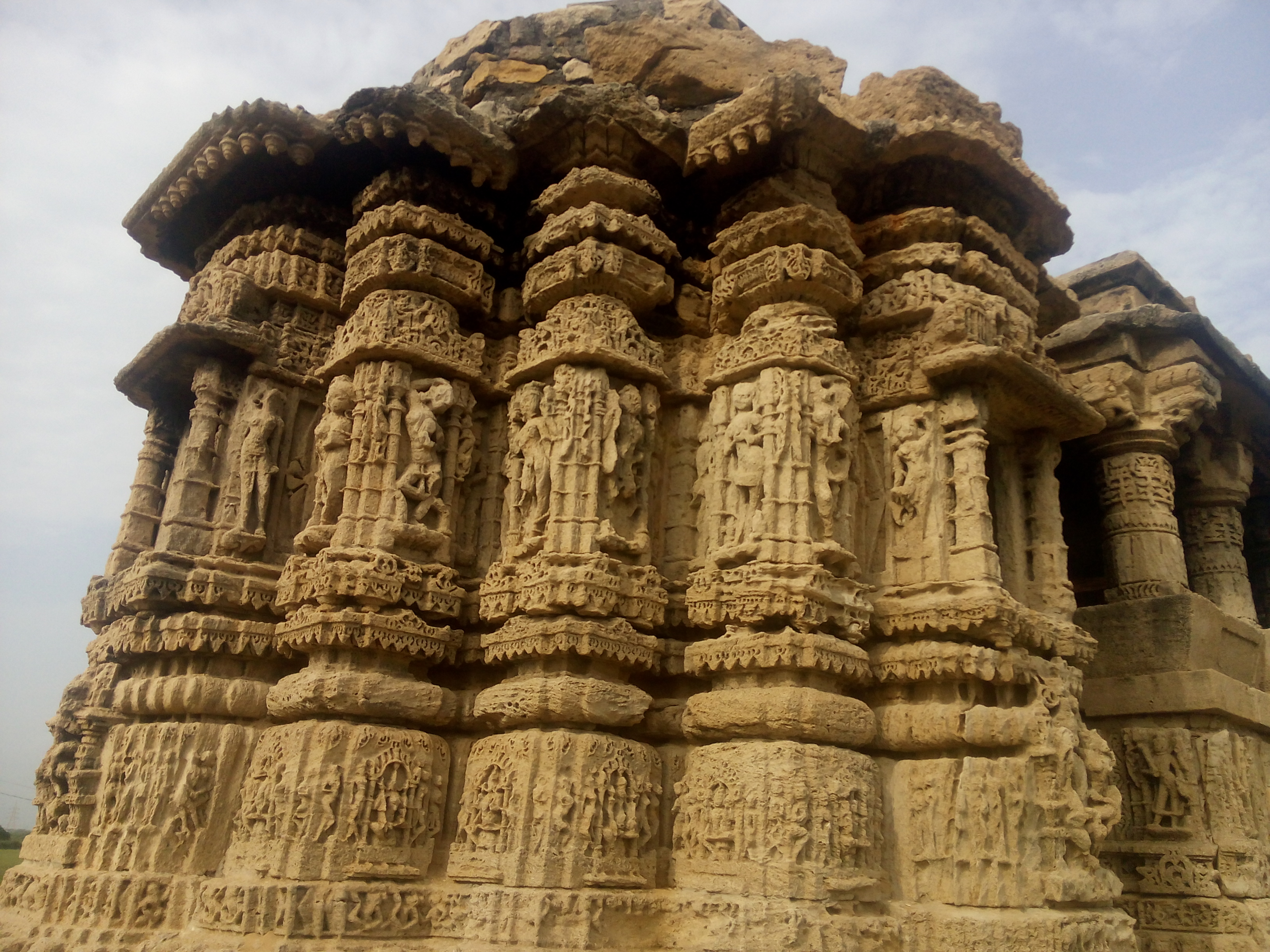
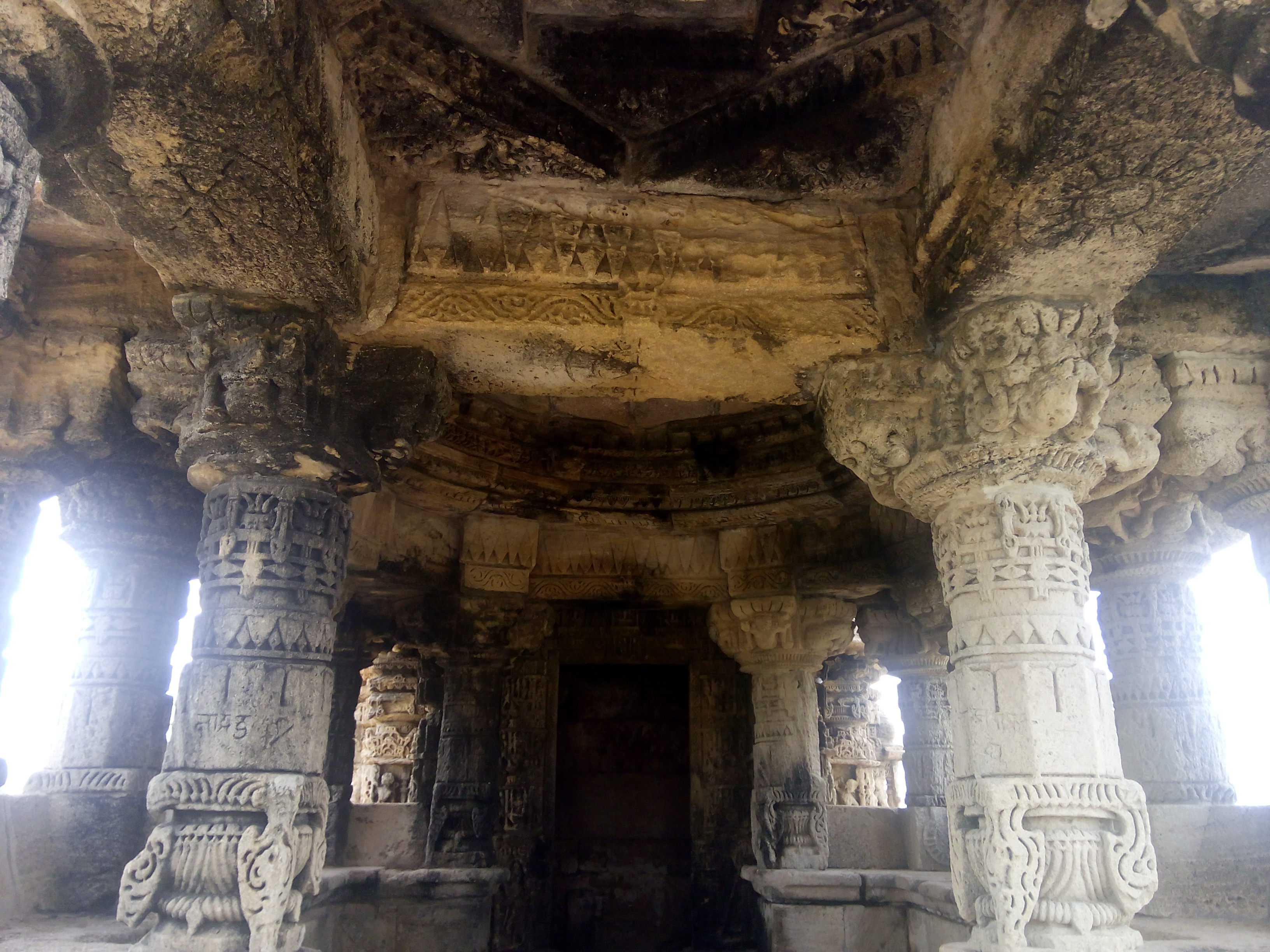
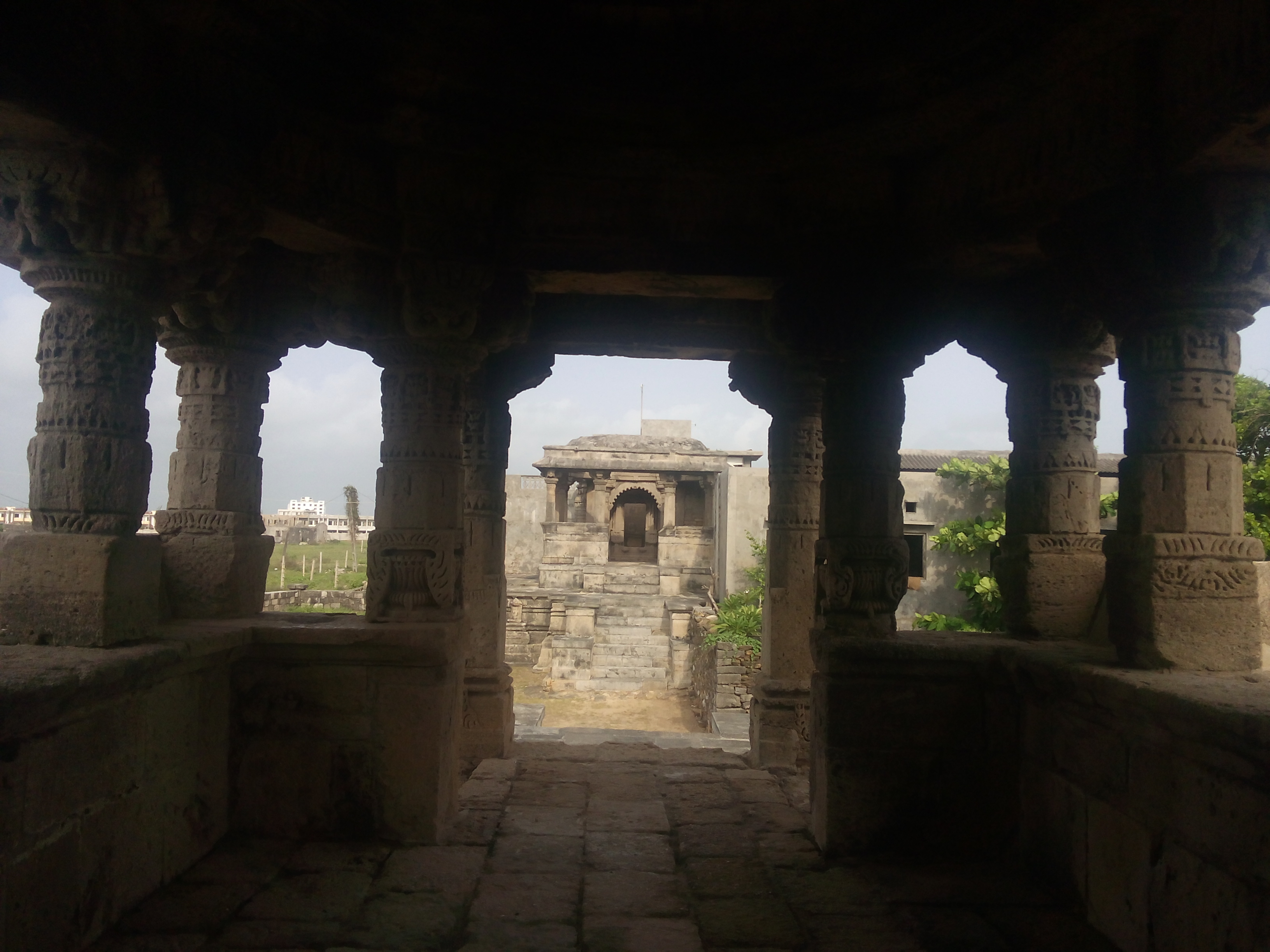
Built during the late 12th century, these temples represent the architectural vocabulary of their period. The twin-temple format itself carries significance in Hindu temple design, where paired structures often served complementary ritual or devotional functions. The specific architectural details of the Rama Lakshamana Temples remain incompletely documented in available sources, though their medieval construction places them within the broader tradition of stone temple building that flourished across Gujarat during this era. Visitors interested in the finer points of their design—such as the treatment of the shikhara (tower), the layout of the sanctum, or decorative elements—may benefit from consulting local archaeological resources or speaking with temple custodians on site.
Location and Access
Baradia village lies in the Okhamandal region, a coastal area of Devbhoomi Dwarka district. The temples are situated at coordinates 22.1963784, 69.0200597. The village itself is approximately five kilometres from Dwarka town, making it accessible as a day visit for those exploring the wider Dwarka pilgrimage area. The coastal setting of Okhamandal means visitors should be prepared for maritime weather conditions, particularly during monsoon months. Roads in rural village areas may vary in condition; enquiring locally about current access routes before visiting is advisable.
Visiting the Temples
No specific darshan timings or entry procedures for the Rama Lakshamana Temples are documented in available sources. Visitors should arrive with flexible expectations and be prepared to seek information from local residents or temple custodians upon arrival. As with most Hindu temples, modest dress is customary—covering shoulders and knees is standard practice. Maintaining quiet and respectful behaviour within temple precincts preserves the spiritual atmosphere for other visitors and worshippers. Photography policies vary by temple; it is courteous to ask permission before photographing.
The temples' location near the coast means the surrounding landscape offers views characteristic of Okhamandal's geography. Visitors may wish to combine a visit with exploration of other nearby temples mentioned as existing within Baradia village limits, creating a more comprehensive visit to the area's religious sites.
The Dwarka Region
The Rama Lakshamana Temples form part of the broader religious landscape of Dwarka, a region of significant pilgrimage importance in Hindu tradition. While these particular temples date to the late 12th century, the Dwarka area contains temples spanning many centuries. Visitors to the region often structure their itineraries to include multiple sites, and local guides or tourism information centres in Dwarka town can advise on how the Rama Lakshamana Temples fit within wider pilgrimage routes.
Practical Considerations
Baradia is a village setting rather than an urban centre, so facilities such as accommodation, food, and services may be limited on site. Visitors should plan accordingly, potentially basing themselves in Dwarka town and making a day journey to Baradia. Carrying water, particularly during warmer months, is sensible practice. Mobile phone coverage in rural areas can be variable; downloading offline maps or noting directions beforehand is prudent.
The coastal location means weather varies seasonally. October through March generally offers more comfortable conditions for travel and temple visits. Summer months bring heat and humidity; monsoon season (June to September) brings heavy rainfall that may affect road access.
How to reach
Temples near Rama Lakshamana Temples
Sita kund
Sita Kund is a sacred water shrine located in Dwarka, Gujarat, established over 150 years ago and dedicated to goddess Sita. The temple holds significance within Dwarka's broade…
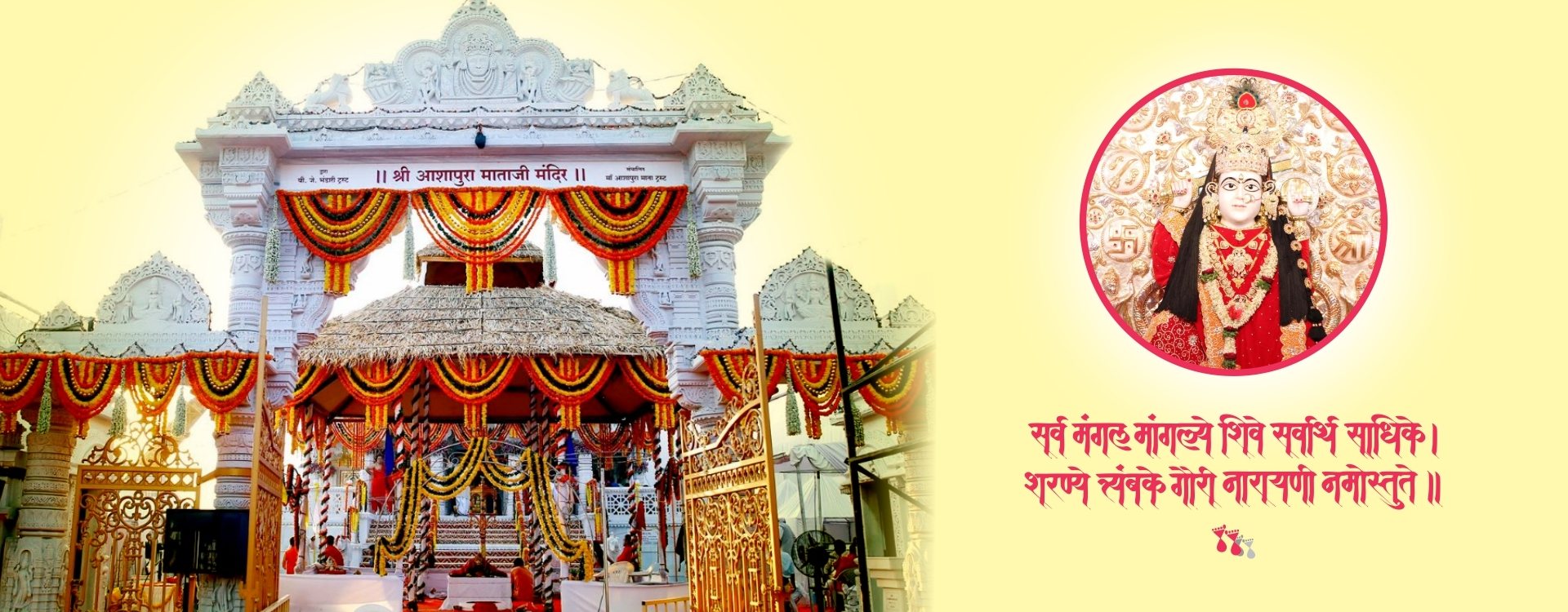
Ashapura Mata Mandir
Ashapura Mata Mandir in Pune is a modern shrine dedicated to Goddess Ashapura and other deities, distinguished as the city's first temple powered entirely by solar energy with r…
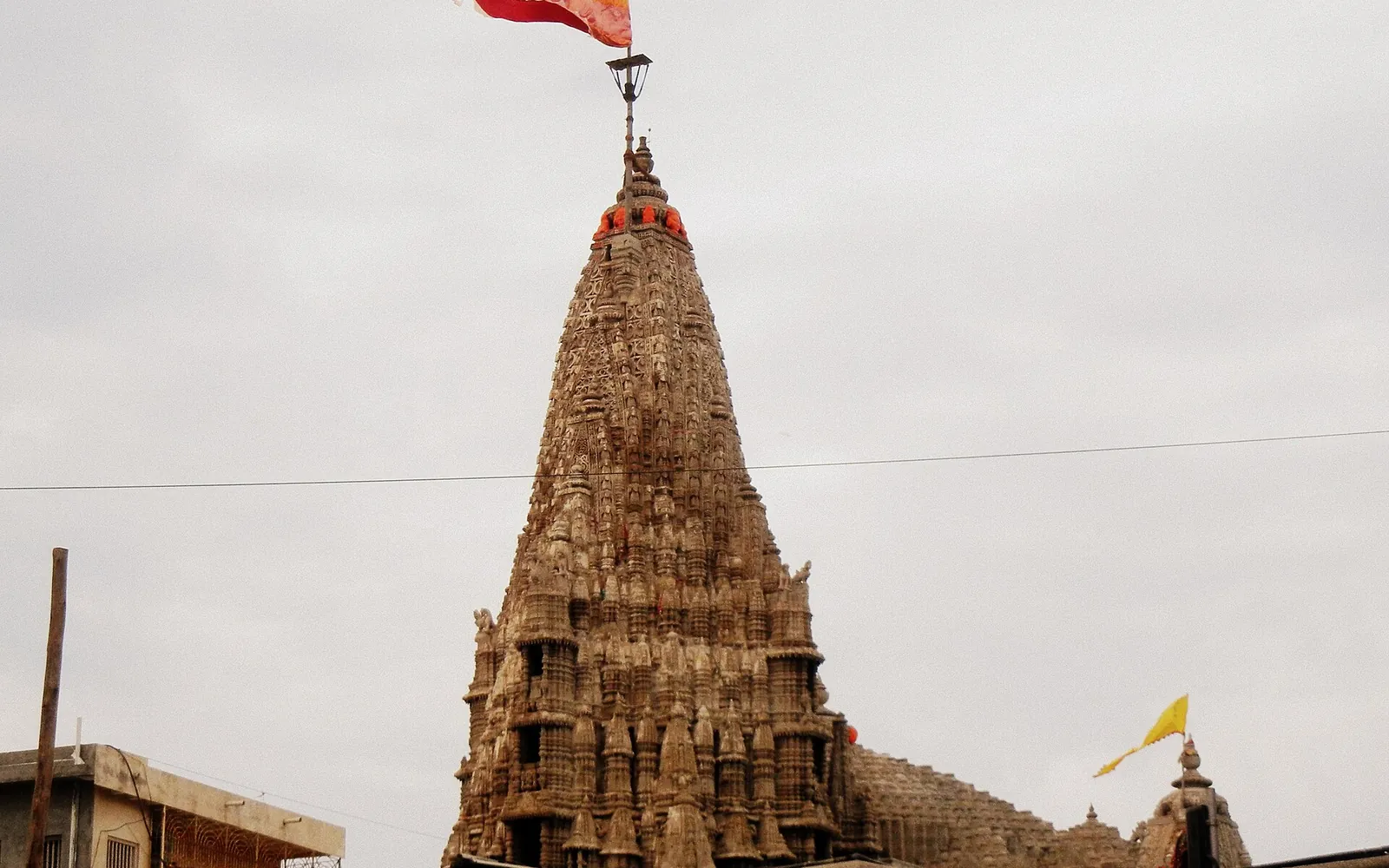
Fortress and Temple in Dhinki
No temple in Dhinki was found in the provided sources. The sources exclusively cover temples in Dwarka, Gujarat, including Dwarkadhish Temple, Nageshwar Jyotirlinga, Bet Dwarka,…
Dons
Dwarkadhishji Mandir is a historic Hindu temple in Mumbai dedicated to Lord Krishna, worshipped as Dwarkadhish ('King of Dwarka'), standing for over 150 years as a prominent spi…
Neil & Jay point
Dwarkadhishji Mandir, established in the 1870s, is a Hindu temple in Mumbai dedicated to Lord Krishna worshipped as Dwarkadhish, the 'King of Dwarka'. The temple maintains a str…
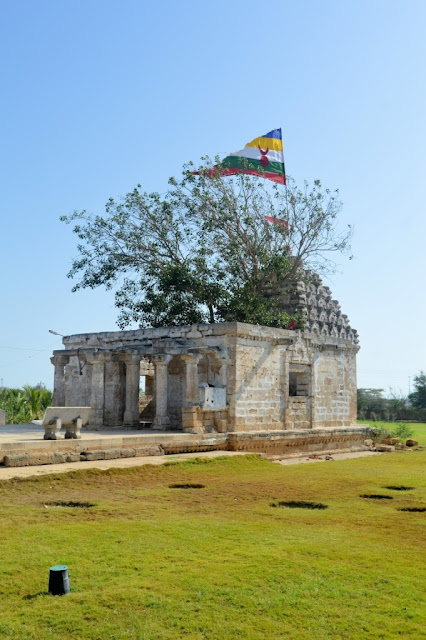
Kalika Mata Temple, New Dhrewad
The Kalika Mata Temple in New Dhrewad, Gujarat, is a 7th-century Hindu shrine dedicated to Goddess Kali, built during the Maitraka Dynasty and protected as a Monument of Nationa…