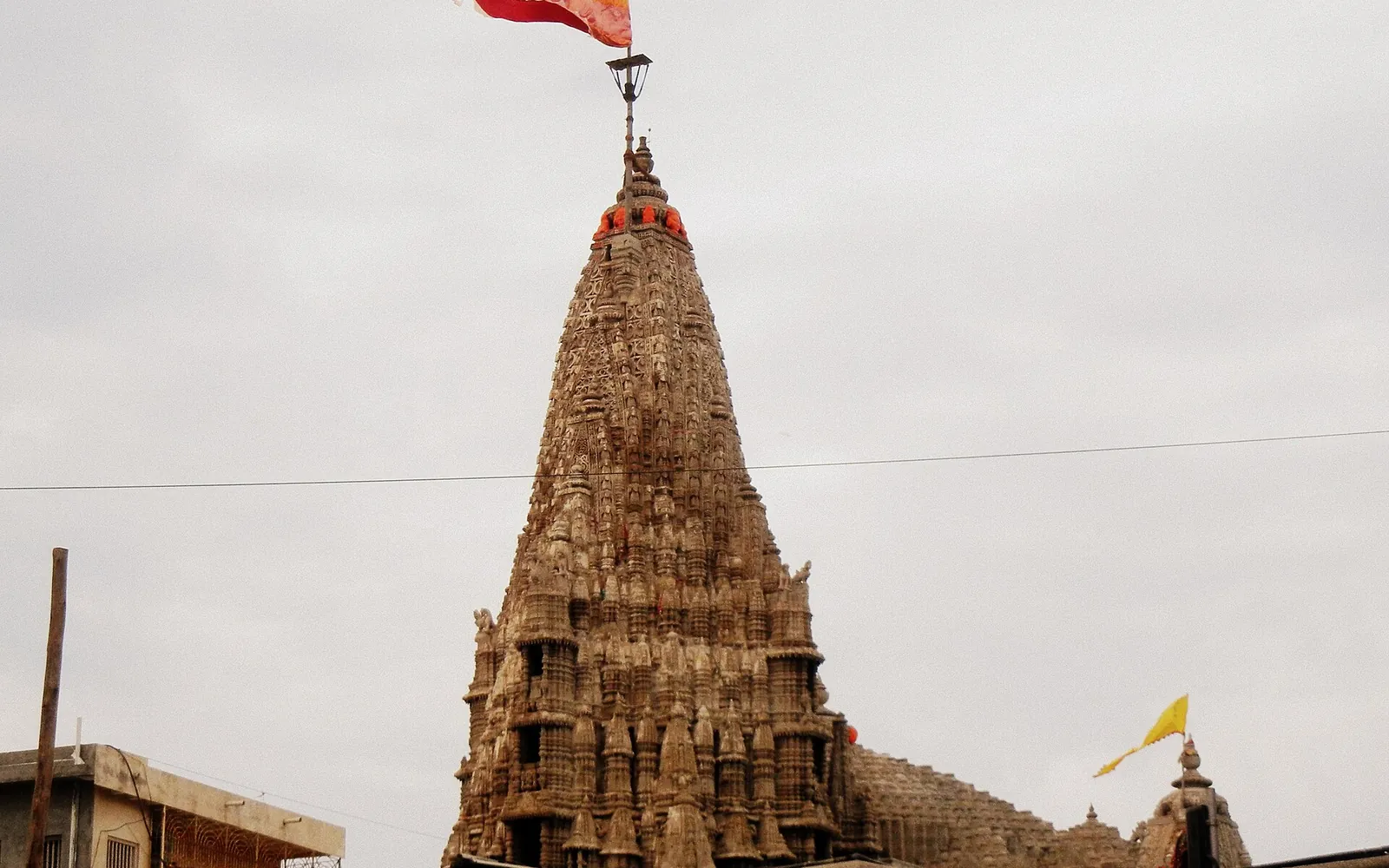
Fortress and Temple in Dhinki
About Fortress and Temple in Dhinki
Dwarkadhish Temple stands in the heart of Dwarka, Gujarat, as a major pilgrimage site dedicated to Krishna. The temple is known locally as Jagat Mandir and serves as one of the principal sacred destinations for devotees undertaking a yatra (pilgrimage) to Dwarka. The temple maintains no entry fee, welcoming all visitors regardless of background. Its location in the city centre makes it accessible to those exploring Dwarka's other sacred sites, which include the Nageshwar Jyotirlinga, Bet Dwarka Temple, and the Gomti Ghat.
Daily Darshan and Aarti Schedule
The temple opens for morning darshan at 6:30 AM and remains accessible until 1:00 PM. After a midday closure, evening darshan resumes at 5:00 PM and continues until 9:30 PM. This schedule allows flexibility for visitors with different routines, though the temple does not remain open continuously throughout the day.
Six aartis structure the temple's daily worship cycle, each marking a distinct moment in Krishna's divine routine. The Mangala Aarti at 6:30 AM opens the day with the Lord's awakening. The Shringar Aarti follows at 7:30 AM, celebrating the Lord's adornment and preparation for the day. At 10:30 AM, the Gwal Aarti marks a mid-morning offering as the Lord prepares for the cowshed. The Rajbhog Aarti at noon presents the royal midday meal. The Sandhya Aarti at 7:00 PM is the most attended ceremony, occurring at dusk and considered the most spectacular ritual of the day. The Shayan Aarti at 8:30 PM concludes the cycle, putting the Lord to rest for the night.
Attending at least one aarti, particularly the Sandhya Aarti, is regarded as central to the spiritual experience of a Dwarka visit. Arriving 30 minutes before any aarti time allows adequate time to find space and prepare for the ceremony.
Planning Your Visit
Visitors should verify current timings with their hotel reception or the temple trust office, as schedules may shift during major festivals including Janmashtami, Holi, Ekadashi, Diwali, and Govardhan Puja. During Janmashtami, the temple remains open throughout the night, with the midnight abhishek (ritual bathing) serving as the principal event; those wishing to attend should arrive very early or plan to stay overnight.
The Sandhya Aarti at 7:00 PM is recommended as the best time to experience the temple's worship, combining spiritual significance with the largest gathering of devotees. Dress modestly and respectfully; remove footwear before entering the sanctum. Photography policies may vary, so observe what other visitors are doing or ask temple staff for guidance.
Seasonal and Festival Variations
Timings remain consistent on regular days and Mondays. However, major festivals alter the temple's schedule substantially. Ekadashi days bring extended programs, larger crowds, and special prasadam (blessed food) distribution. During Janmashtami, the temple's most significant annual observance, the entire night becomes a time of worship, with the midnight abhishek as the focal point. Plan accordingly if visiting during these periods, as crowds increase significantly and standard timings do not apply.
Visiting Other Dwarka Temples
Dwarkadhish Temple functions as part of a larger pilgrimage circuit. The Gomti Ghat, located at the city centre, offers a Sandhya Aarti around 6:30 to 7:30 PM and remains open at all times. The ISKCON Temple, 2 km away, begins its first program at 4:30 AM, making it suitable for early risers. Bhadkeshwar Mahadev, 1 km distant, is accessible only during low tide hours and becomes effectively closed during monsoon season. Nageshwar Jyotirlinga lies 17 km away, while Bet Dwarka Temple requires a 36 km journey plus a ferry crossing; ferry service runs from 6:00 AM to 7:00 PM on normal days but may be suspended during monsoon seas from June to September.
Practical Information
All major temples in Dwarka charge no entry fee. The temple is located in Dwarka city centre, making it easily reachable from most accommodation. Carry water and wear comfortable footwear for the walk to and from the temple, though you will remove shoes before entering. The afternoon closure between 1:00 PM and 5:00 PM provides an opportunity to rest, eat, or visit nearby sites. Always confirm timings on the day of your visit, as festivals and special observances can alter schedules without notice.
How to reach
Temples near Fortress and Temple in Dhinki
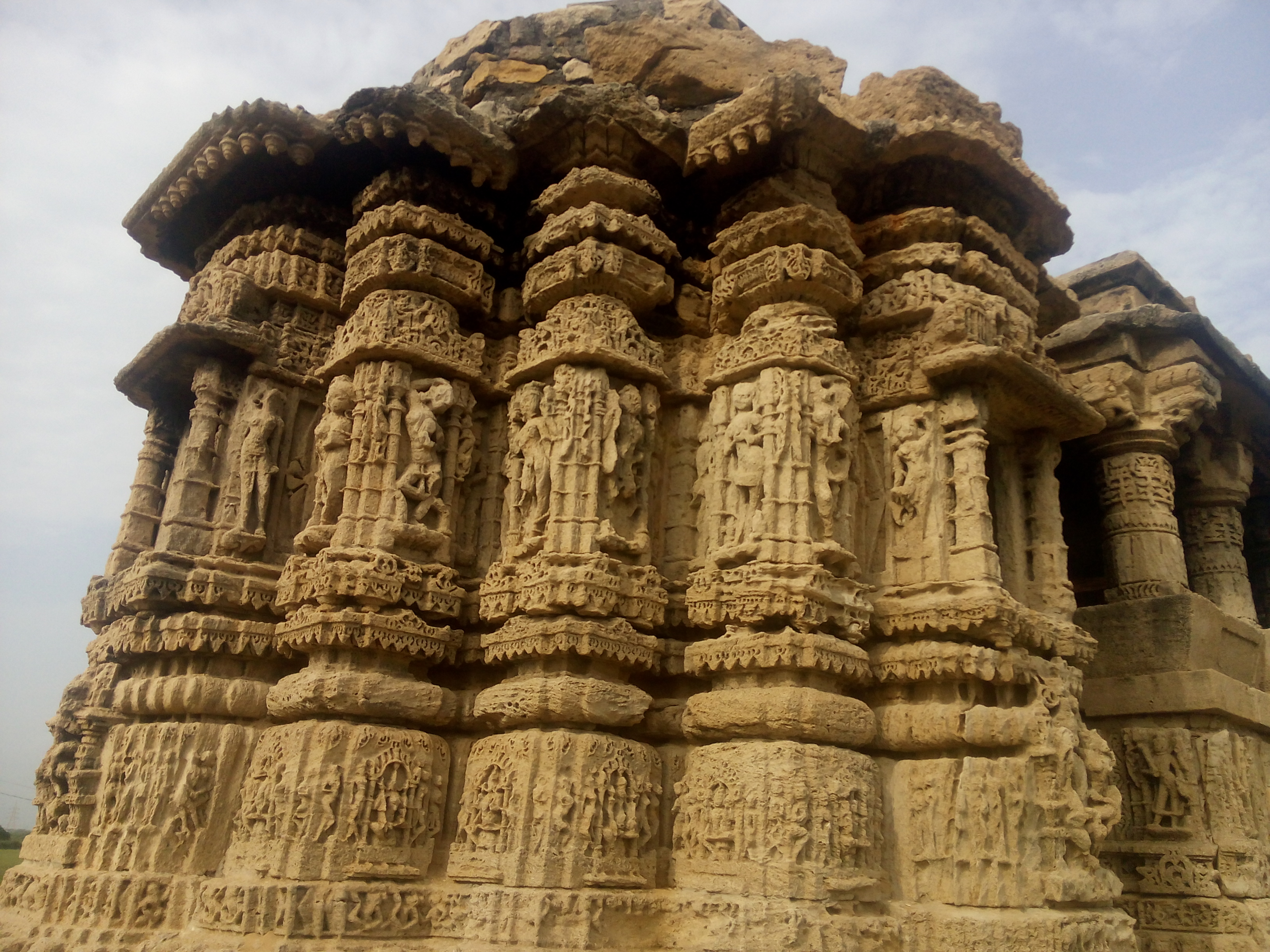
Rama Lakshamana Temples
The Rama Lakshamana Temples are twin Hindu structures from the late 12th century located in Baradia village within Dwarka district, Gujarat, representing significant medieval te…
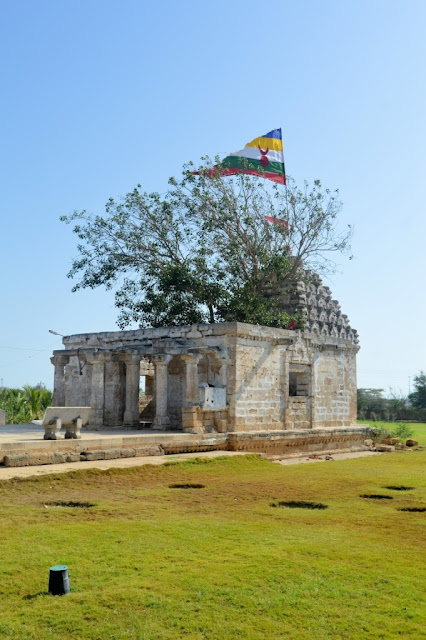
Kalika Mata Temple, New Dhrewad
The Kalika Mata Temple in New Dhrewad, Gujarat, is a 7th-century Hindu shrine dedicated to Goddess Kali, built during the Maitraka Dynasty and protected as a Monument of Nationa…
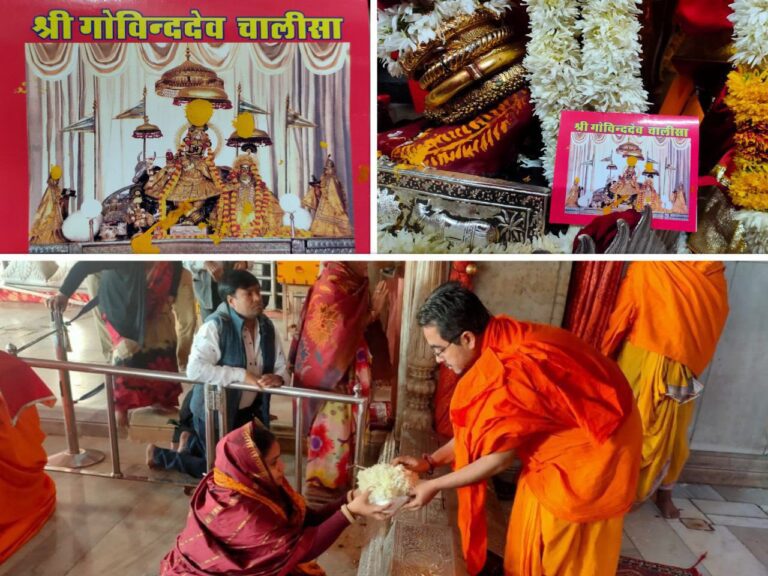
Sita kund
Sita Kund is a sacred water shrine located in Dwarka, Gujarat, established over 150 years ago and dedicated to goddess Sita. The temple holds significance within Dwarka's broade…
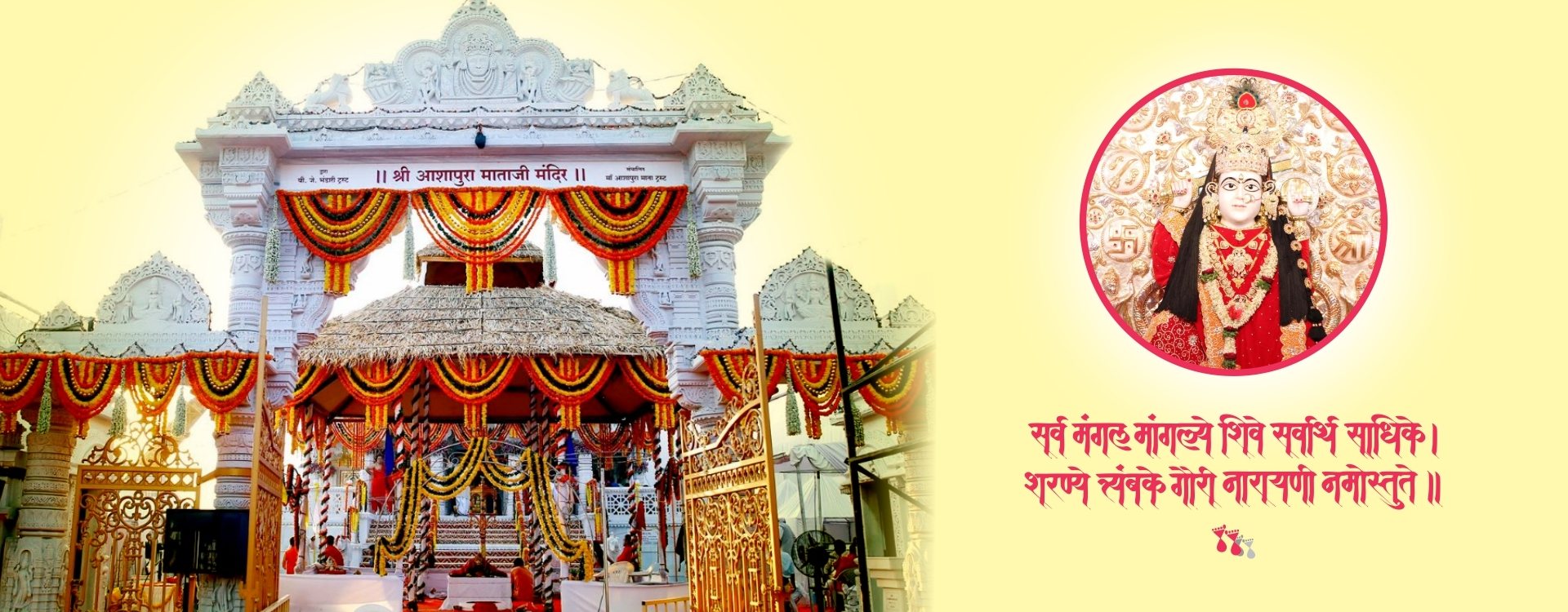
Ashapura Mata Mandir
Ashapura Mata Mandir in Pune is a modern shrine dedicated to Goddess Ashapura and other deities, distinguished as the city's first temple powered entirely by solar energy with r…
Dons
Dwarkadhishji Mandir is a historic Hindu temple in Mumbai dedicated to Lord Krishna, worshipped as Dwarkadhish ('King of Dwarka'), standing for over 150 years as a prominent spi…
Neil & Jay point
Dwarkadhishji Mandir, established in the 1870s, is a Hindu temple in Mumbai dedicated to Lord Krishna worshipped as Dwarkadhish, the 'King of Dwarka'. The temple maintains a str…