Kalika Mata Temple, New Dhrewad
About Kalika Mata Temple, New Dhrewad
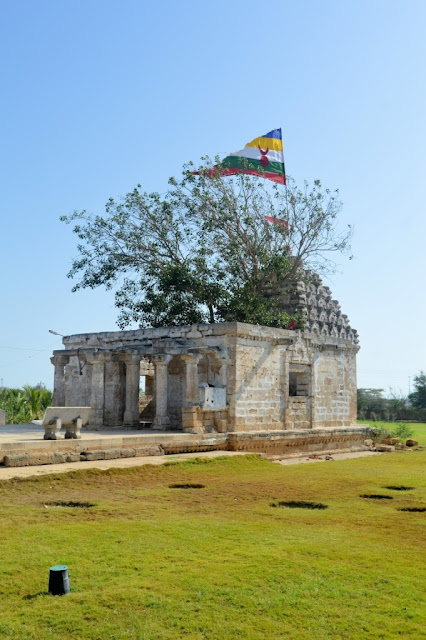
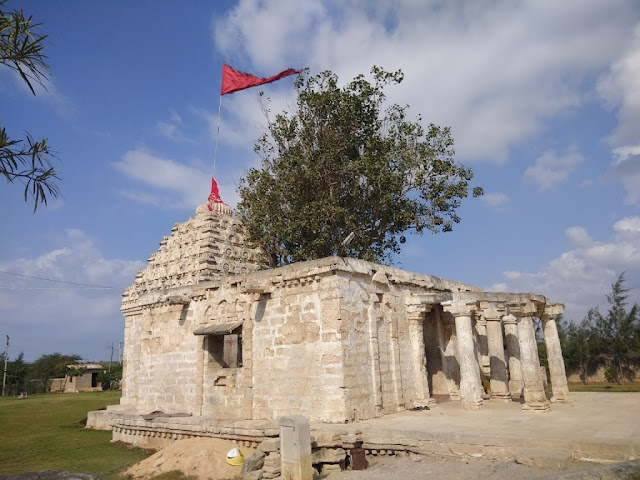
The temple's origins trace to the 7th century CE, a formative period in Hindu temple architecture across western India. It was constructed under the patronage of the Maitraka Dynasty, rulers who played a significant role in fostering religious architecture throughout Gujarat during this era. The temple's survival across more than thirteen centuries testifies to both the durability of its construction and its enduring importance to the region. Today it holds the status of a monument of national importance, protected and maintained by the Archaeological Survey of India through its Vadodara Circle office.
Architectural Character
The temple follows the Vimanakara architectural style with neo-Dravidic elements, a design that reflects the temple-building traditions of early medieval India. The structure faces eastward and comprises several interconnected spaces: a sanctum at its core, an antrala (vestibule), a maha mandapa (main hall), and a mukha mandapa (entrance hall) that appears to be a later addition. The maha mandapa is supported by four bhadraka-type pillars at its centre and features a window with a corrugated hood and trefoil chaitya dormer. The temple follows a sandhara design, meaning it has a common ambulatory passage encircling the sanctum, with the base structure still visible in places. The sanctum is crowned by a five-tiered shikhara (tower) topped with an amalaka and kalasha, the traditional finial elements of Hindu temple spires. Currently, several idols are housed within the sanctum, though the original deity placement has changed over the centuries.
Daily Worship and Darshan
The temple maintains a structured schedule of worship throughout the day. Darshan is available during morning hours from 06:00 to 12:00 and again in the evening from 16:00 to 20:00. Four aartis (ritual offerings of light) punctuate the day: the Mangala Aarti at 04:00, the Balabhog Aarti at 10:00, the Sandhya Aarti at 19:00, and the Shayana Aarti at 20:00. These rituals form the rhythm of devotional life at the temple, with each aarti marking a significant moment in the goddess's day according to Hindu tradition. Visitors wishing to participate in or witness these ceremonies should plan their visit accordingly.
Visiting the Temple: Practical Information
The temple is situated approximately 2.5 kilometres from New Dhrewad village along the Dwarka-Porbandar route. For those arriving by rail, Gorinja Railway Station is about 11 kilometres away, while Dwarka Railway Station lies roughly 18 kilometres distant. Dwarka town and its bus stand are each approximately 19 kilometres from the temple. Those flying in will find Porbandar Airport about 117 kilometres away. As with all Hindu temples, visitors should dress modestly and respectfully. Since the temple is protected as an ASI monument, access may be subject to conservation requirements or specific visiting protocols; it is advisable to contact the ASI Vadodara Circle office before planning a visit to confirm current conditions and any restrictions that may apply.
Historical Significance for Pilgrims and Scholars
The temple represents a surviving example of 7th-century Hindu religious architecture and practice in western India. Its construction during the Maitraka period places it within a crucial phase of temple development in Gujarat, when patronage of religious structures was integral to dynastic authority and cultural identity. For pilgrims, the temple offers a direct connection to centuries of devotional continuity. For those interested in architectural history, it provides tangible evidence of early medieval building techniques and aesthetic principles. Its designation as a protected monument ensures that future generations will be able to study and experience this heritage site.
How to reach
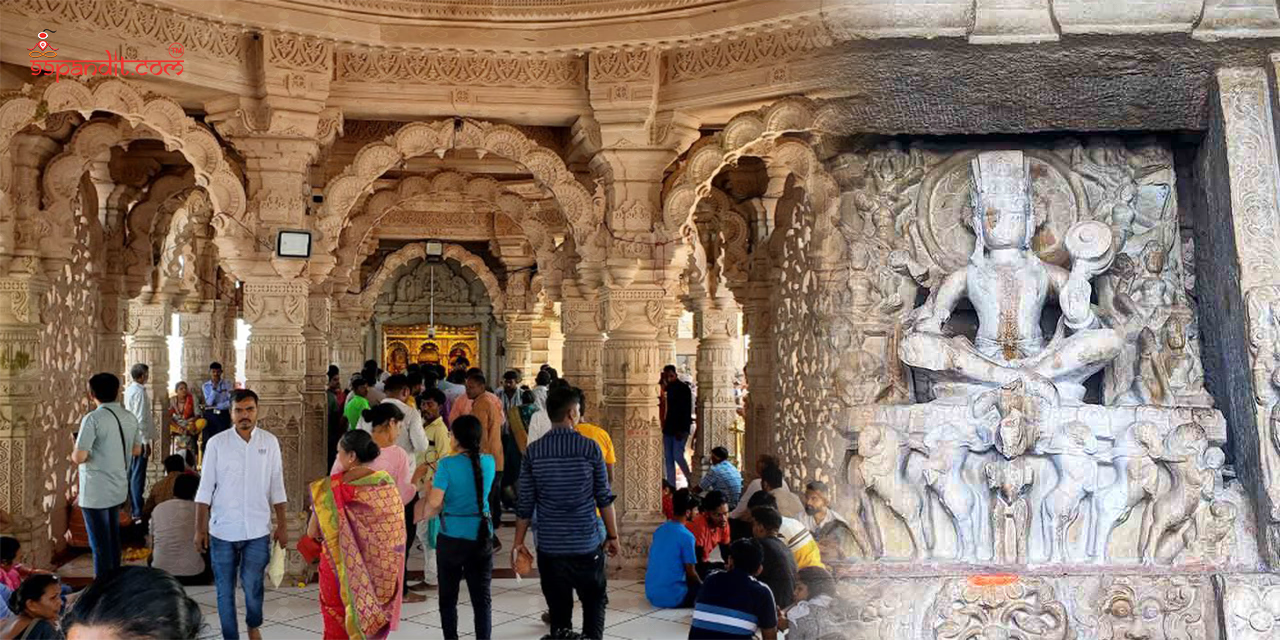


Temples near Kalika Mata Temple, New Dhrewad
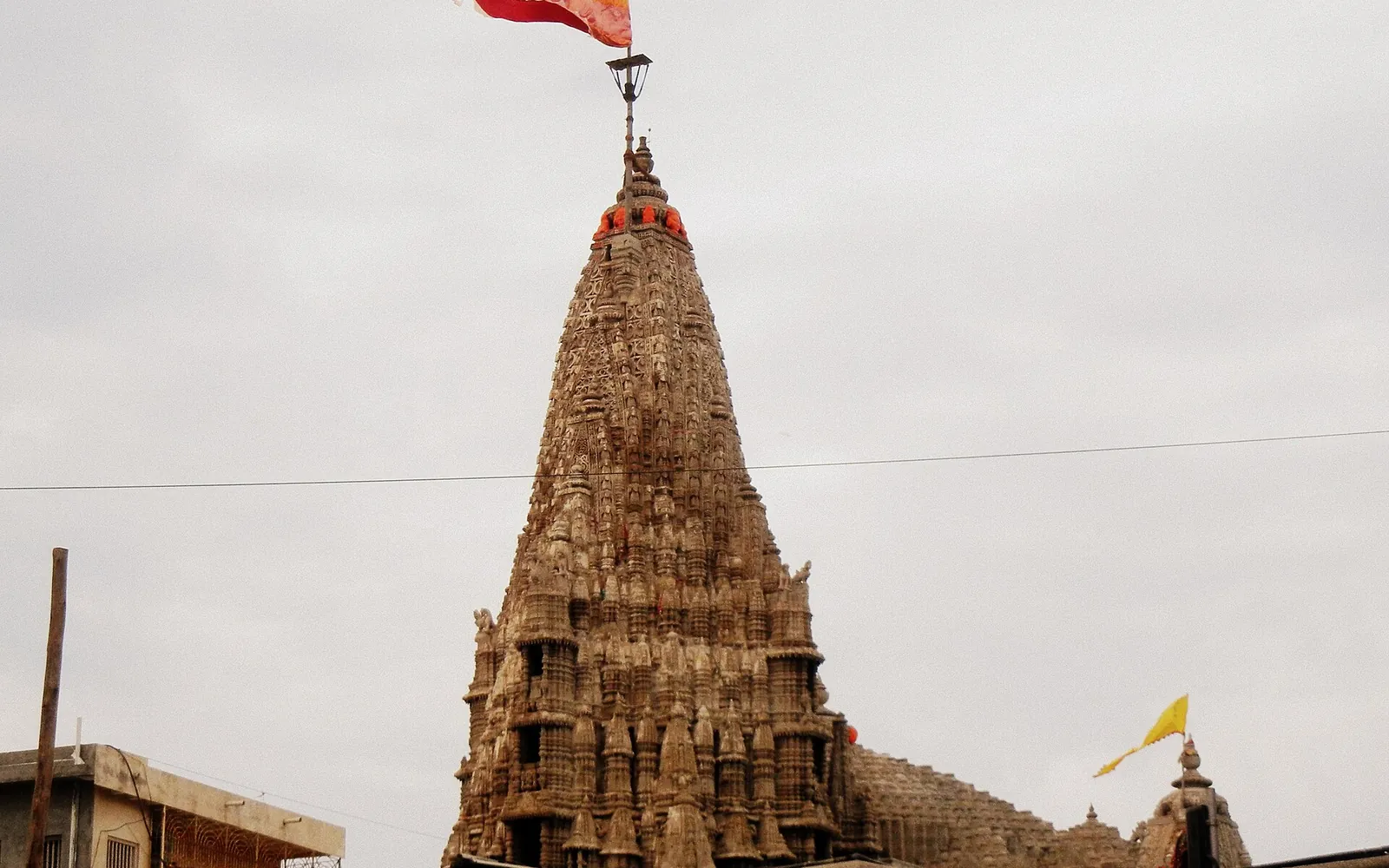
Fortress and Temple in Dhinki
No temple in Dhinki was found in the provided sources. The sources exclusively cover temples in Dwarka, Gujarat, including Dwarkadhish Temple, Nageshwar Jyotirlinga, Bet Dwarka,…
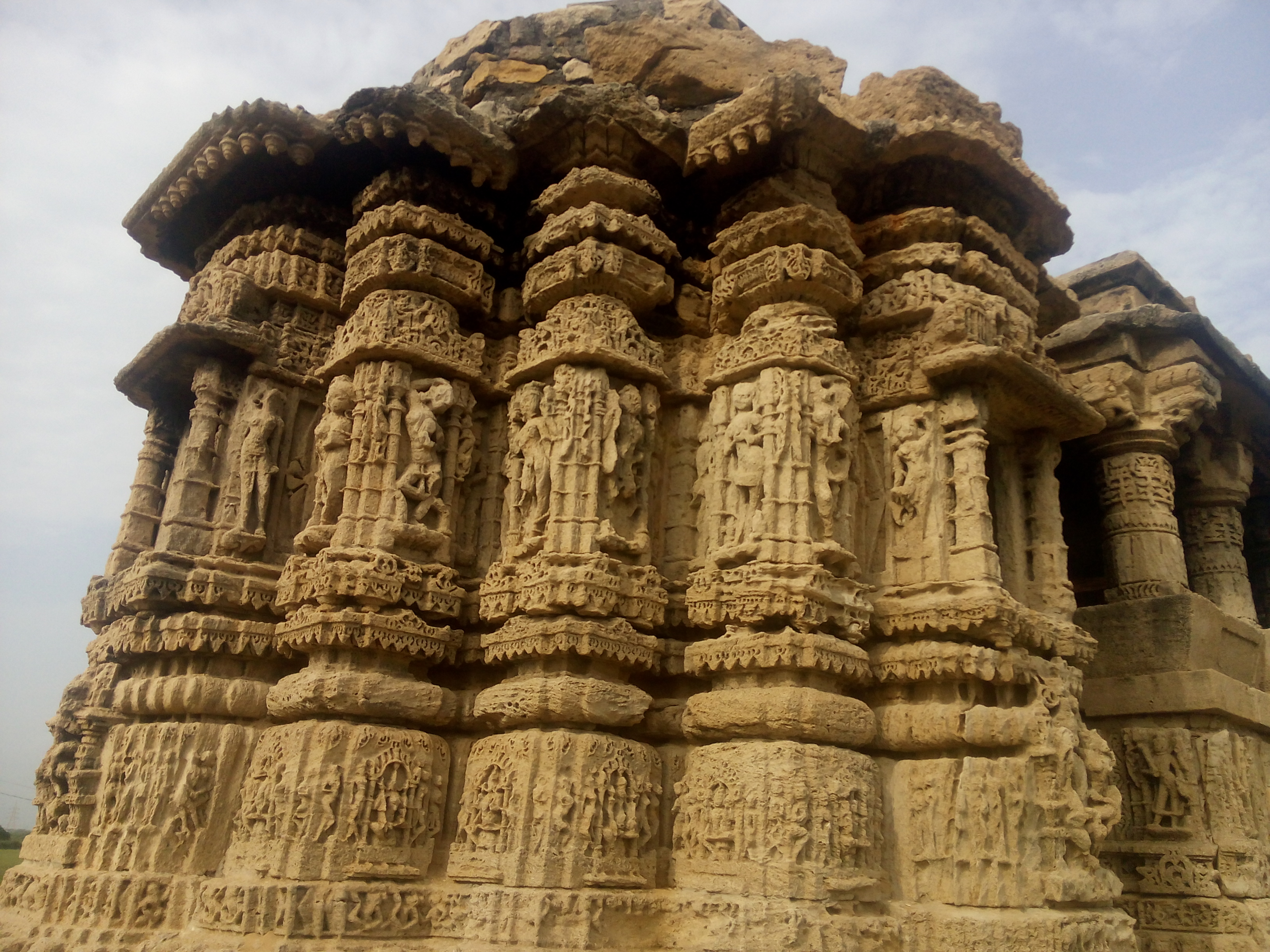
Rama Lakshamana Temples
The Rama Lakshamana Temples are twin Hindu structures from the late 12th century located in Baradia village within Dwarka district, Gujarat, representing significant medieval te…
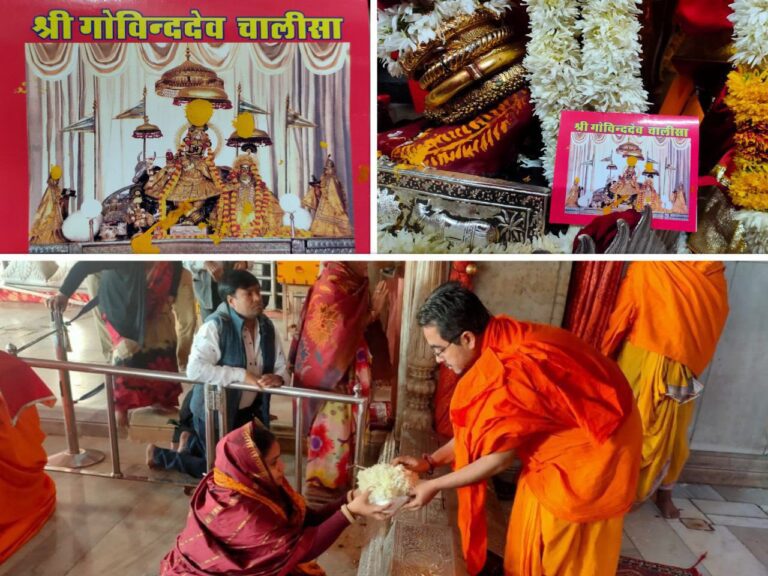
Sita kund
Sita Kund is a sacred water shrine located in Dwarka, Gujarat, established over 150 years ago and dedicated to goddess Sita. The temple holds significance within Dwarka's broade…
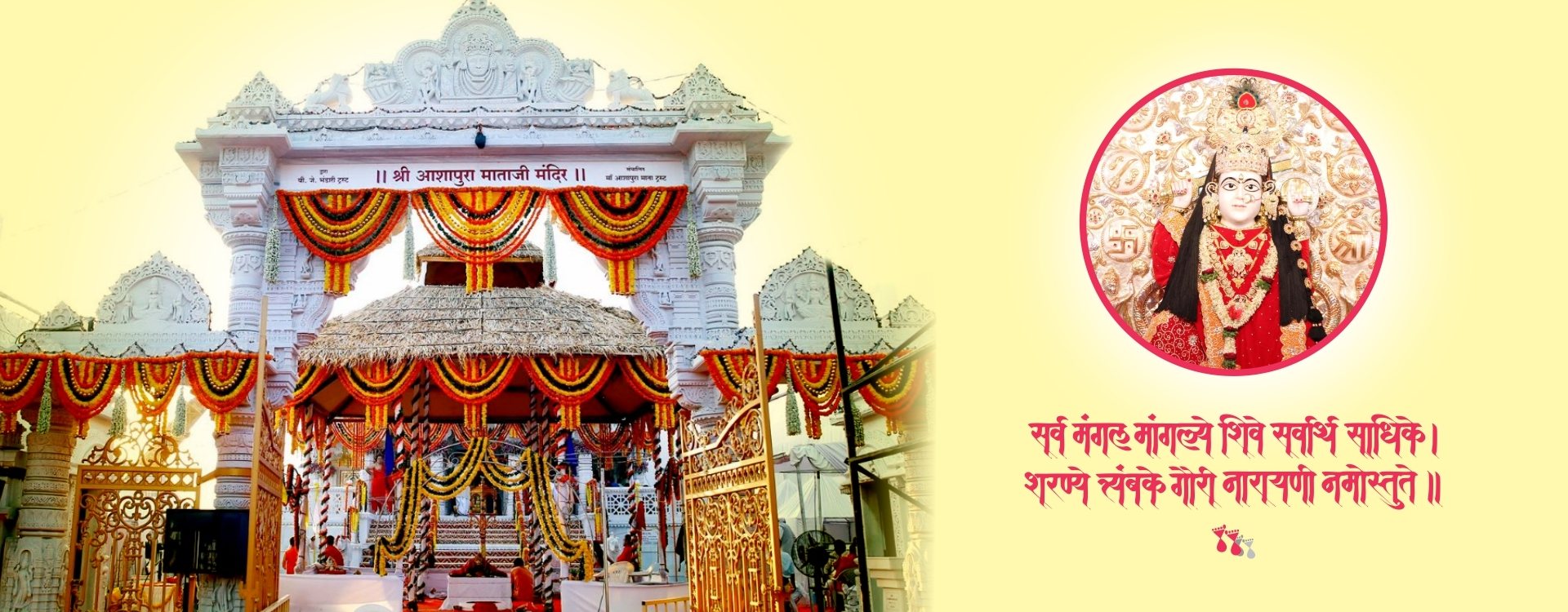
Ashapura Mata Mandir
Ashapura Mata Mandir in Pune is a modern shrine dedicated to Goddess Ashapura and other deities, distinguished as the city's first temple powered entirely by solar energy with r…
Dons
Dwarkadhishji Mandir is a historic Hindu temple in Mumbai dedicated to Lord Krishna, worshipped as Dwarkadhish ('King of Dwarka'), standing for over 150 years as a prominent spi…
Neil & Jay point
Dwarkadhishji Mandir, established in the 1870s, is a Hindu temple in Mumbai dedicated to Lord Krishna worshipped as Dwarkadhish, the 'King of Dwarka'. The temple maintains a str…