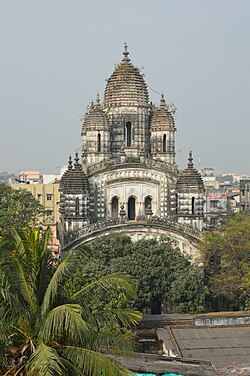
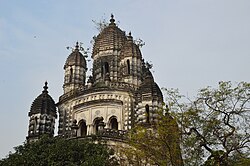
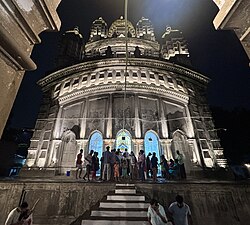
Radhakanta Temple, Chetla
About Radhakanta Temple, Chetla
The temple is dedicated to Radhakanta, whose black-stone idol forms the primary focus of worship. Within the sanctum, devotees also encounter astadhatu (eight-metal) idols of Radha and Lakshmi-Narayan. The presence of these multiple deities reflects a common practice in Bengal's Hindu temples, where related divine figures are housed together to create a more complete sacred environment. The use of different materials—black stone for the principal deity and the eight-metal alloy for the secondary images—distinguishes the ritual importance of each.
Heritage and Urban Context
Today, Radhakanta Temple stands as a significant heritage site within modern Kolkata. The urban landscape surrounding it has transformed dramatically since the temple's construction, yet the structure remains a tangible link to the city's eighteenth- and nineteenth-century religious and social history. The temple is recognised as one of the most prominent heritage temples along the old Adi Ganga, a waterway that once defined the city's character. Some sources suggest the temple served as an inspiration for the later and more widely known Dakshineswar Kali Temple, though the exact nature of this influence remains a matter of historical discussion. The Mondal family's role in the temple's founding continues to be remembered as part of Kolkata's cultural memory.
Visiting the Temple
The temple is located at 1A Mondals Temple Lane, Chetla, in Kolkata's Kolkata district. Visitors approaching the temple should observe standard practices for Hindu temple etiquette: removing shoes before entering the sanctum, dressing modestly, and maintaining respectful behaviour within the sacred space. As with most active Hindu temples, early morning and evening hours typically offer the most conducive atmosphere for darshan (viewing the deity). Specific timings for worship and darshan are best confirmed locally, as these may vary seasonally or according to the temple's current management practices. The temple's location within a residential neighbourhood means visitors should be mindful of local residents and approach with appropriate quietness and respect.
Festivals and Observances
The temple observes festivals according to the Hindu calendar. Historical records mention that the nat-mandir and rasmancha were used during festivals, indicating that celebrations at the temple involved performance and ritual enactment beyond standard daily worship. Janmastami, the birth anniversary of Krishna, appears to have held particular significance at the temple, based on photographic documentation of the nat-mandir during this occasion. Visitors interested in experiencing the temple during major festivals should inquire locally about specific dates and any special arrangements for public participation.
How to reach
You may also visit
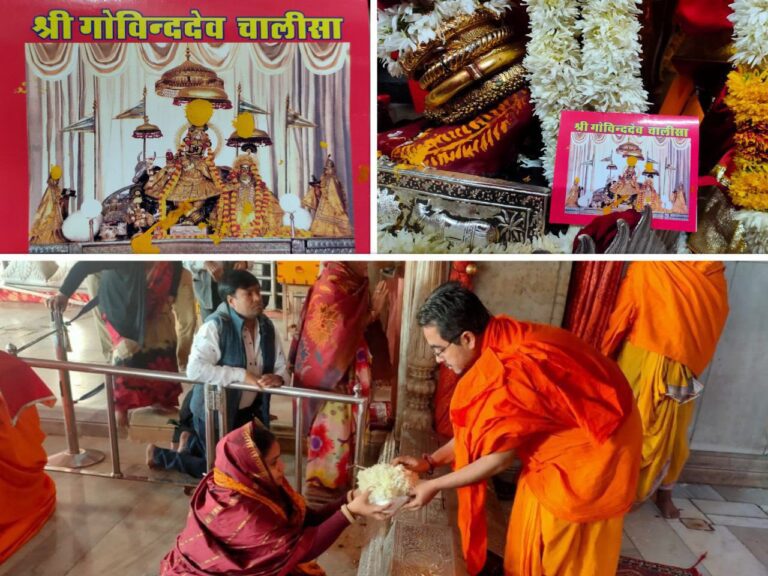
Kalyanji Temple
Kalyanji Temple in Jaipur's Chandpol Bazaar is approximately two centuries old and renowned for displaying the twenty-four avatars of Krishna, visible only twice yearly during Akha Teej and Patottsav festival.
Sastha (Ayyappan) Temple
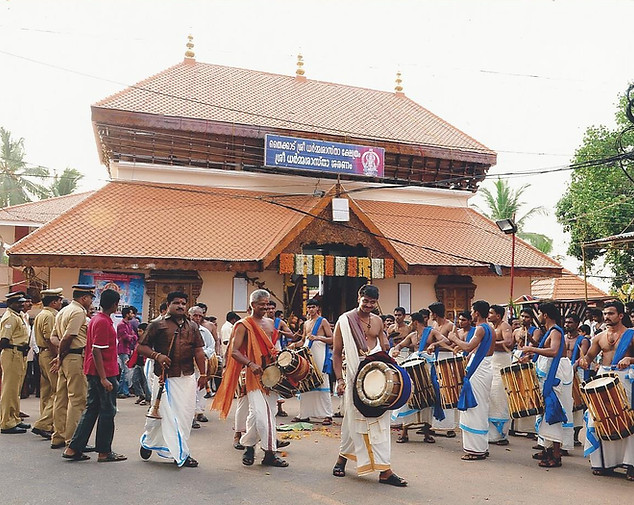
Sree Dharma Sastha Temple in Thycaud, Thiruvananthapuram, is a centuries-old shrine where the deity manifests as Dhanwanthari, the divine healer, holding the sacred blue lotus.
Govindarajaswamy Temple
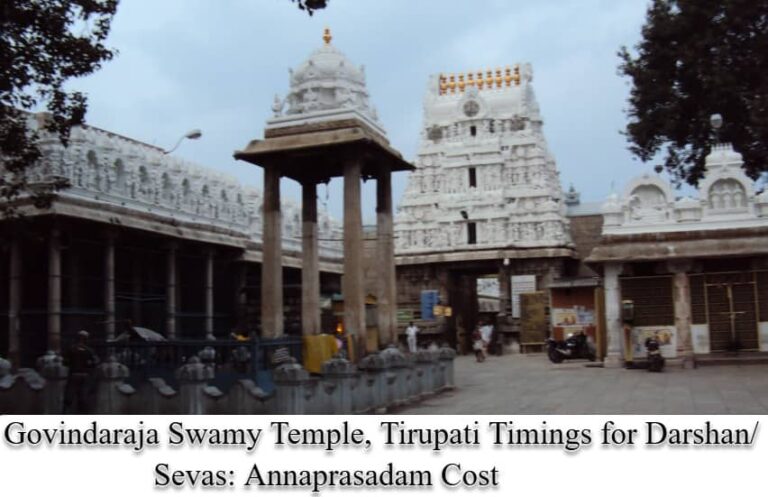
Sri Govindarajaswamy Temple in Tirupati is an ancient Vaishnavaite shrine consecrated in 1130 AD by Saint Ramanuja, where the presiding deity rests in eternal Yoga Nidra on the serpent Adisesha.