Chinese Kali Temple
About Chinese Kali Temple
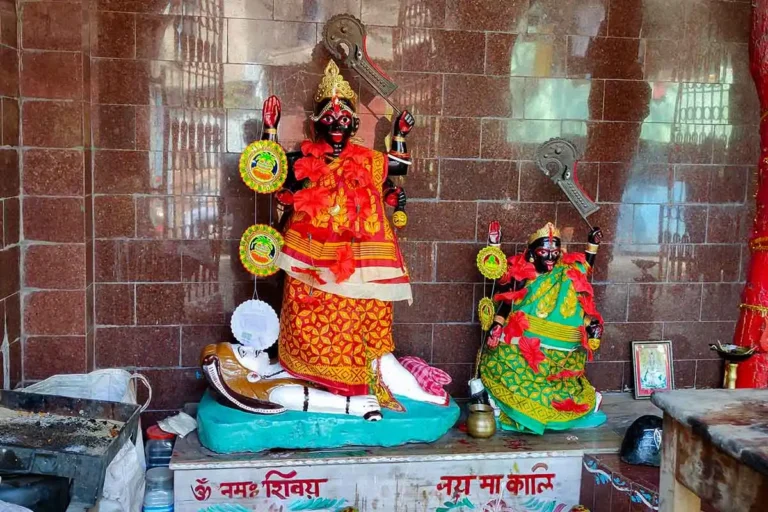
The temple was established in 1855 by Rani Rashmoni, a zamindar and devoted follower of Kali whose patronage reflected the religious movements reshaping Bengal during that era. The structure itself follows the navaratna architectural style—a distinctive design that has become iconic in the region. Beyond its physical form, the temple gained spiritual significance through its association with Ramakrishna and Sarada Devi, both influential figures of 19th-century Bengal whose teachings bridged traditional Hindu practice with modern spiritual inquiry. Their presence at the temple connected it to a broader movement that would influence religious thought across India and beyond, making Dakshineswar a landmark not only of devotion but of intellectual and spiritual renewal.
Daily Worship and Darshan
The temple opens early to accommodate morning devotees, with darshan available from 05:00 to 14:00, and again in the evening from 17:00 to 22:30. The Sandhya Aarti—the evening ritual of worship—takes place at 19:00, a significant moment when the temple's atmosphere intensifies with chanting, bells, and the presence of gathered worshippers. Early morning visits offer a quieter setting for personal darshan and reflection, allowing visitors to experience the sacred space with fewer crowds. Those wishing to participate in or witness the evening aarti should plan to arrive before 19:00. It is advisable to confirm current timings directly with the temple before traveling, as schedules may vary seasonally or on festival occasions.
Festivals and Seasonal Observance
The temple observes Vasant Panchami on 23 January, a festival that brings heightened decoration and larger numbers of devotees to the site. Kali temples typically celebrate major festivals of the Hindu calendar with particular intensity, and visitors planning to attend during festival periods should expect crowded conditions and potentially altered darshan schedules. Confirmation of festival timings and any special practices should be sought from temple authorities in advance.
Visiting with Respect and Care
Modest dress is expected when entering the temple, and shoes must be removed before approaching the inner sanctum, following standard Hindu temple practice. Photography policies vary throughout different areas of the temple; it is courteous to seek permission before photographing the deity or other worshippers. The temple's location in an urban area of Kolkata on the eastern bank of the Hooghly River makes it accessible by local transportation. Respectful behavior toward other devotees and the sacred space is essential. If you have questions about specific rituals, offerings, or practices, temple staff can provide guidance. Visitors should allow time to experience both the temple interior and its distinctive riverside setting.
Location and Access
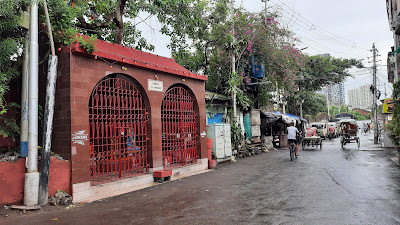
The Chinese Kali Temple is situated at 41 Matheswartala Road in Dakshineswar, Kolkata, West Bengal (coordinates: 22.547643, 88.3912573). The temple's proximity to the Hooghly River gives it a distinctive character within Kolkata's urban landscape. Local transportation options within the city can guide you to the site. Before traveling, confirm current darshan hours and any specific facilities or accessibility arrangements you may require, as these details are best verified directly with the temple.
How to reach
Temples near Chinese Kali Temple
Gariahat Sarbojanin Durgotsab
Gariahat Sarbojanin Durgotsab is a community Durga Puja temple established in 1931, located in the Ballygunge Gardens area of South Kolkata. The temple is most vibrant during th…
Thanthania Kalibari
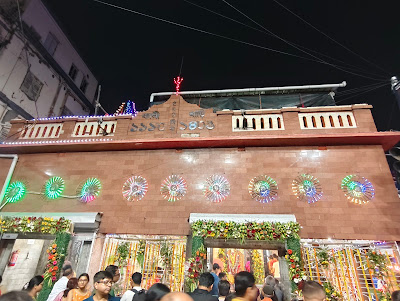
Thanthania Kalibari is an ancient Bengali-style temple in North Kolkata dedicated to Goddess Siddheswari, a fierce form of Goddess Kali, serving as a center for tantric spiritua…
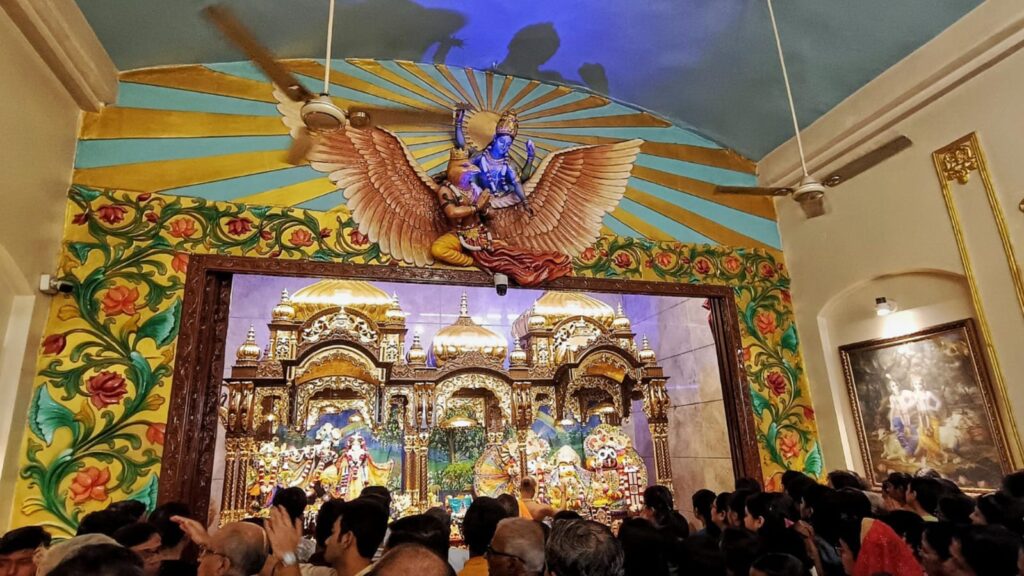
Radha Krishna Mandir
Sri Sri Radha Govinda Mandir is an ISKCON temple in Kolkata dedicated to Lord Krishna and Radha, established in 1971 and known for hosting the city's annual Rath Yatra procession.
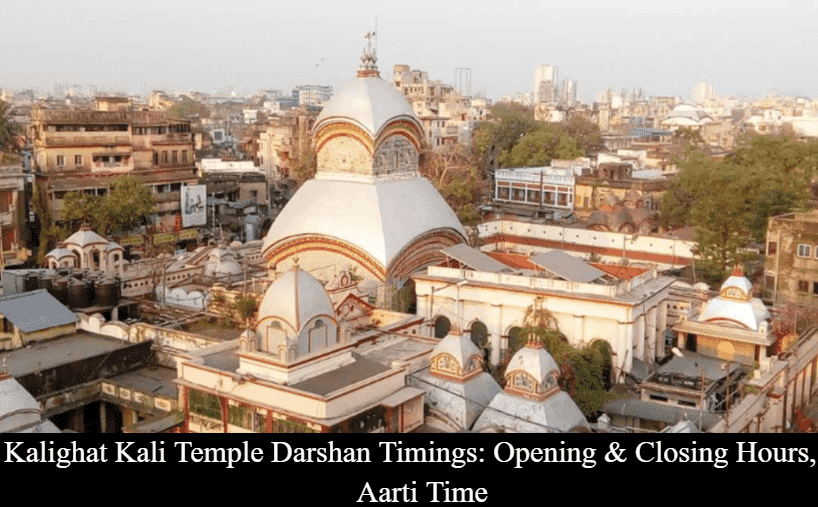
Kalighat Kali Temple
Kalighat Kali Temple in Kolkata is one of India's 51 Shakti Pithas, dedicated to the goddess Kali. The temple's present structure was completed in 1809 after eleven years of con…
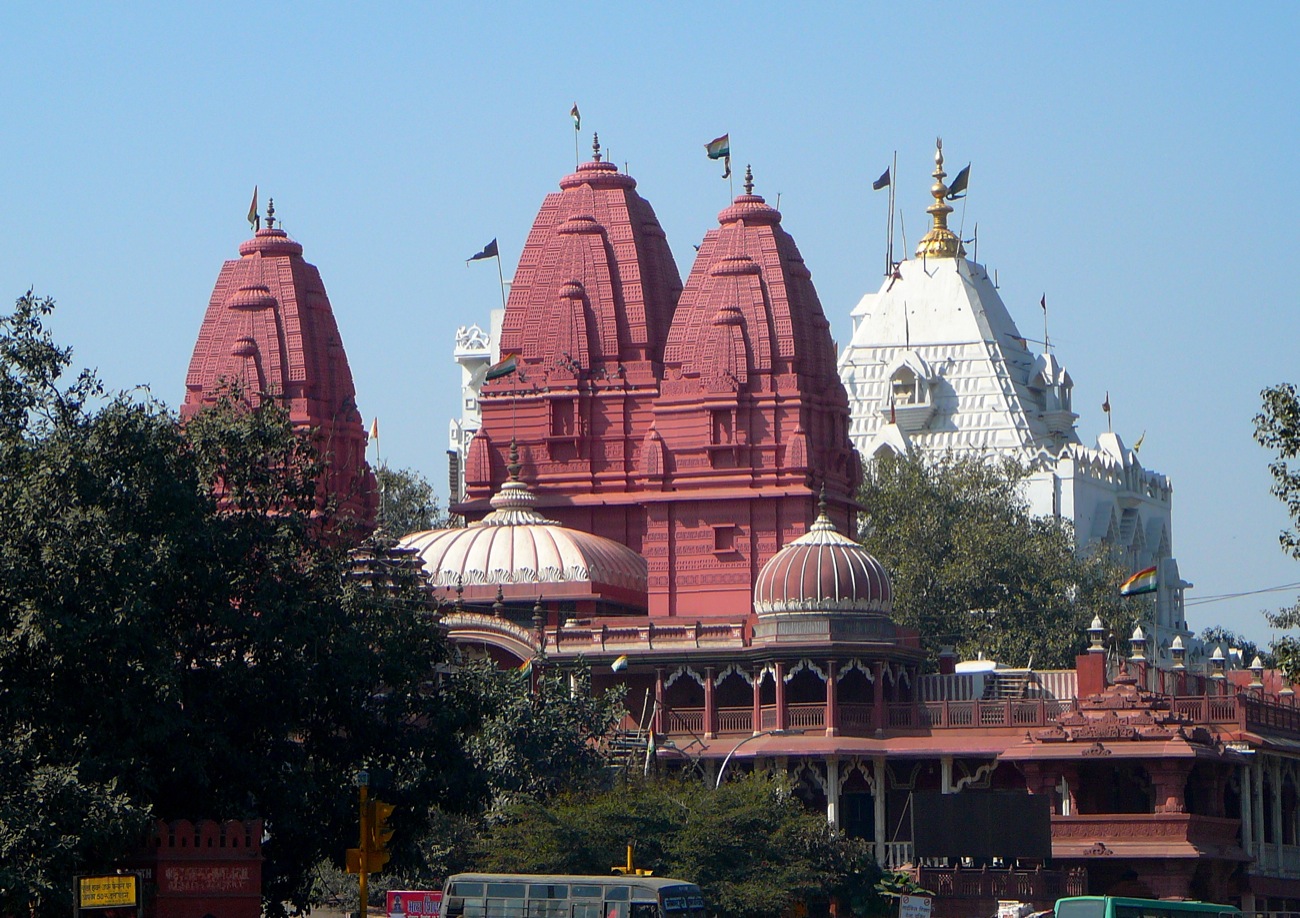
Lal Mandir
Lal Mandir is a prominent Hindu temple located in the Shobhabazar area of Kolkata, West Bengal, known for its beautiful red architecture and regular worship by devotees from acr…
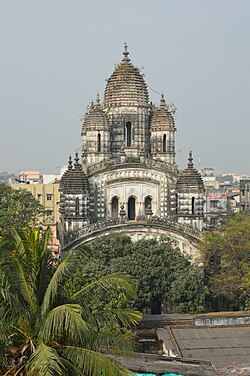
Radhakanta Temple, Chetla
Radhakanta Temple in Chetla, Kolkata is a nine-pinnacled heritage temple built between 1796 and 1807 by Babu Ramnath Mondal of the Bawali Raj family, standing approximately 110…