Pura Pucak Tedung
About Pura Pucak Tedung
The temple was established hundreds of years ago, though precise dates are not recorded. It is considered a sacred site where important ceremonies take place, particularly those observed by Balinese Hindus. The temple functions as a place of spiritual power where devotees come to pray and seek blessings. Its longevity and continued use in ceremonial life suggest deep roots in local spiritual practice and community identity.
The temple is believed to hold considerable spiritual energy and draws both pilgrims and visitors seeking connection with Balinese religious traditions and the natural world. Its remote location, away from urban centres, contributes to its reputation as a place of genuine spiritual retreat rather than casual tourism.
Visiting Hours and Practical Information
The temple is open daily from 08:30 to 17:30. The best times to visit are sunrise or sunset, when natural light transforms the landscape and the spiritual atmosphere is considered most conducive to contemplation. The morning hours also offer the possibility of witnessing the temple shrouded in mist, an experience that many visitors find particularly moving.
The temple is located in Petang, Badung Regency, at coordinates -8.36818, 115.21392. Visitors should plan their journey with awareness that the temple's hilltop location means some travel time from main roads and populated areas.
Dress Code and Conduct
Visitors are required to dress modestly when entering the temple grounds. A kamen—a traditional Balinese cloth worn around the waist—must be worn in the temple area. This practice is standard across Balinese temples and reflects respect for the sacred space and local custom.
Beyond dress, visitors are expected to maintain composure and calm demeanour throughout their time at the temple. Respect for any ceremonial processions or rituals that may be taking place is essential. These guidelines ensure that the temple remains a functioning place of worship rather than merely a tourist destination, and that visitors contribute positively to the spiritual atmosphere rather than disrupting it.
Religious Ceremonies and Worship
The temple hosts important ceremonies throughout the year, particularly those central to Balinese Hindu practice. Traditional rituals conducted at temples of this tradition typically include offerings, prayer ceremonies, and processions. Balinese Hindu worship often involves purification rituals, thanksgiving ceremonies, and requests for protection and blessings from deities. Visitors may encounter such ceremonies during their visit and should observe them respectfully from a distance, following any guidance offered by temple staff or local devotees.
The temple's role as a site for ceremonial life means that its significance extends beyond individual worship to encompass community spiritual observance. This active religious function distinguishes it from archaeological or heritage sites and should inform visitor behaviour.
The Temple Landscape and Experience
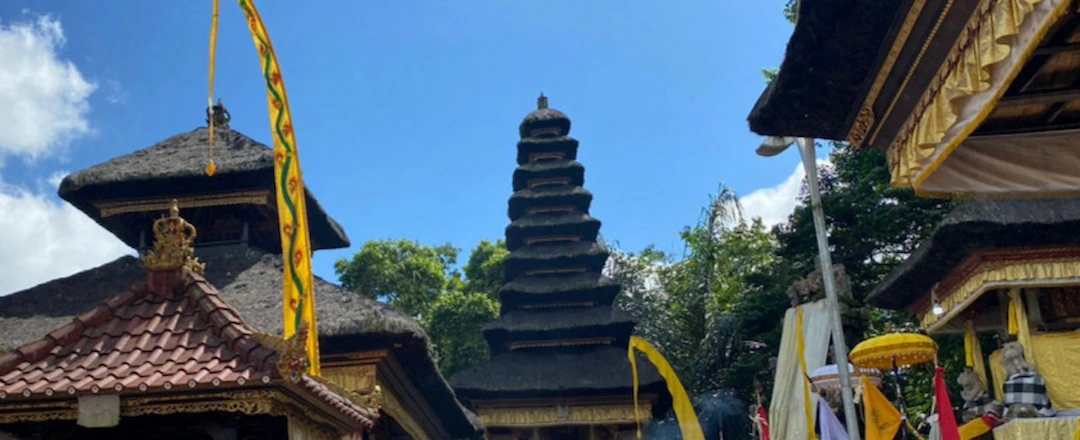
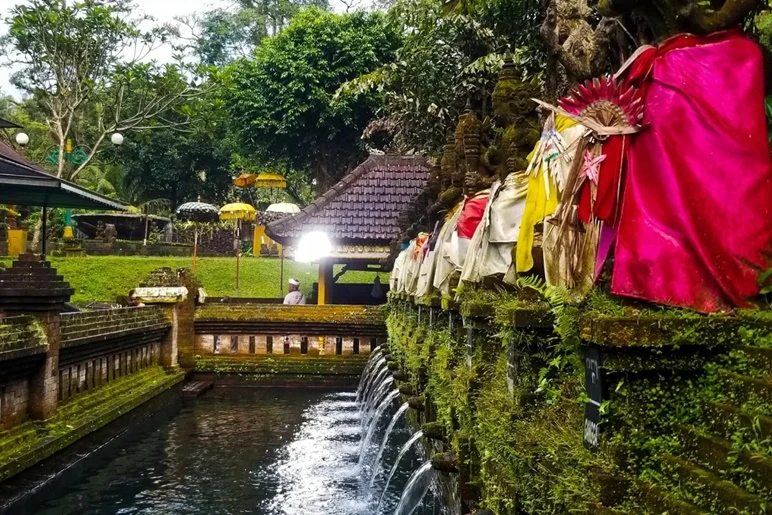
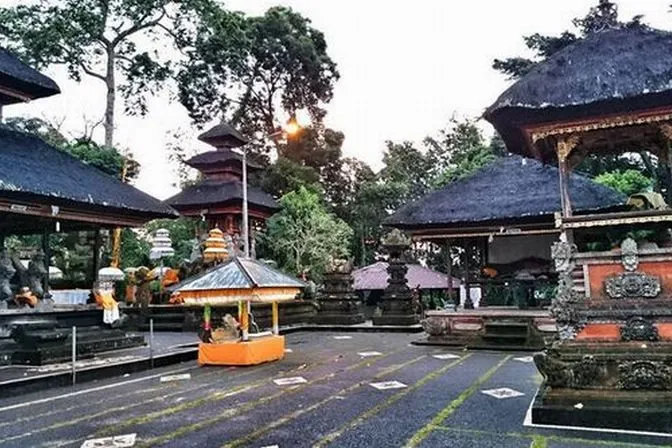
The temple's setting on a forested hilltop creates an experience distinct from lowland temple visits. The combination of elevation, vegetation, and atmospheric conditions—particularly the morning mist—contributes to the sense of spiritual separation from everyday life. The panoramic views of Bali's mountainous terrain from the temple grounds offer both aesthetic reward and a sense of perspective that many visitors find spiritually significant.
The peaceful environment, created by distance from urban noise and the presence of natural forest, supports the contemplative purpose of the site. Visitors should allow time to sit quietly and absorb the atmosphere rather than treating the visit as a rapid checkpoint on a touring itinerary.
Getting There
The temple is situated in Petang, within Badung Regency. Its hilltop location means it is not immediately adjacent to main roads. Visitors should seek current local directions or guidance from accommodation providers in Badung, as the approach route may not be clearly marked on standard maps. The journey itself, involving travel through rural and forested terrain, forms part of the experience of visiting this remote shrine.
How to reach
Temples near Pura Pucak Tedung
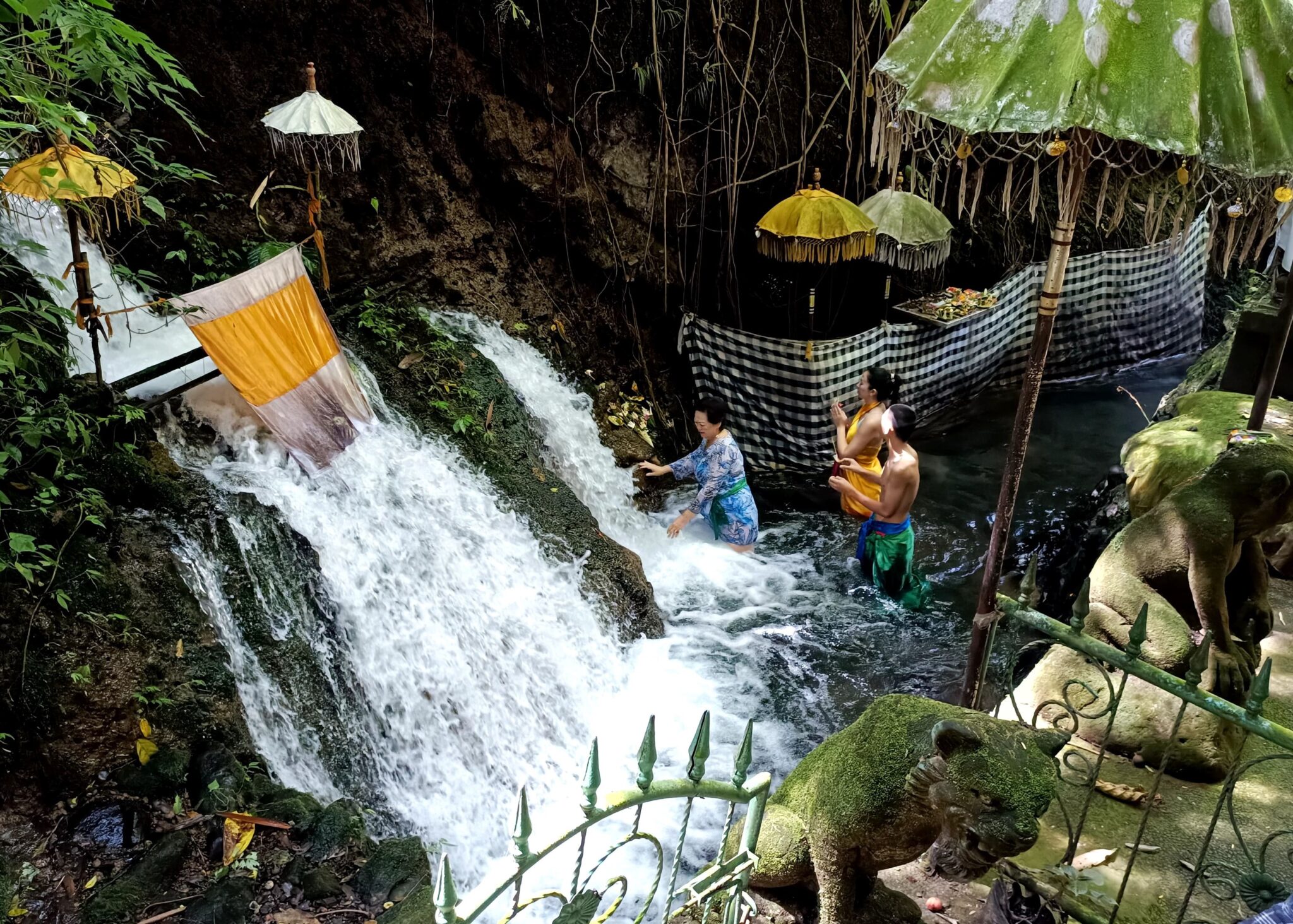
Pesiraman Dalem Pingit Sebatu
Pesiraman Dalem Pingit Sebatu is a sacred water purification site in Bali's Sebatu Village, spiritually inhabited by Dewi Uma and Dewi Gangga. The site serves as an authentic li…
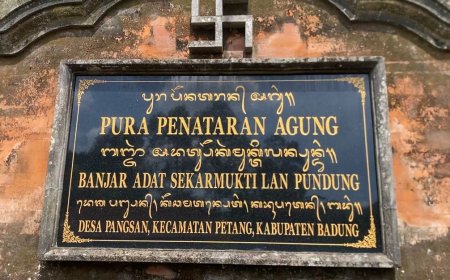
Pura Luhur Pucak Petali
Pura Luhur Pucak Petali is a Kahyangan Jagat temple situated at 894 meters elevation in the highland village of Jatiluwih, Tabanan Regency, Bali, surrounded by forest and featur…

Pura Ulun Danu Bratan
Pura Ulun Danu Bratan is a major Hindu Shaivite temple complex situated on the shores of Lake Bratan in the mountainous Bedugul area of Bali, Indonesia, dedicated to Dewi Danu,…
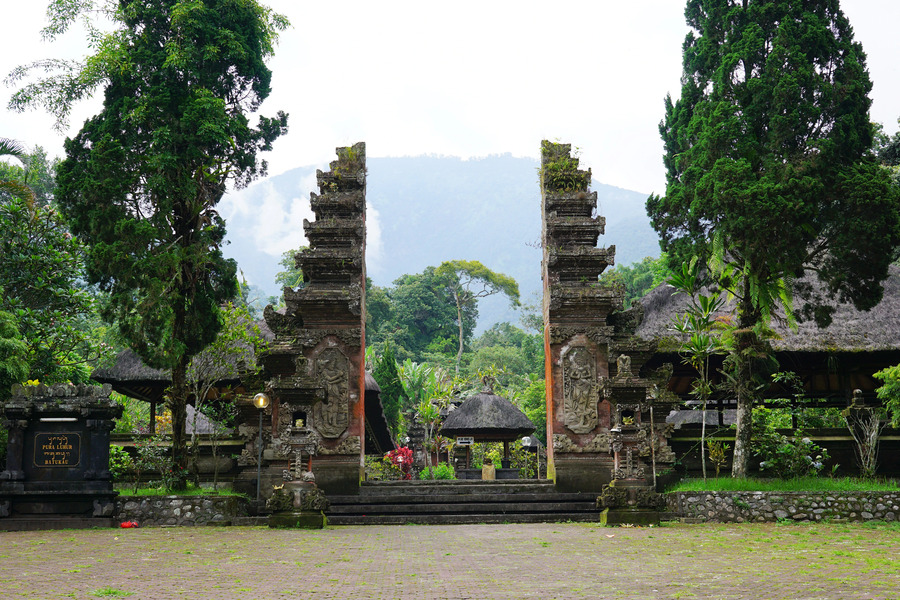
Pura Luhur Batukaru
Pura Luhur Batukaru is a remote and atmospheric directional temple perched at 800 metres on the southwestern slopes of Mount Batukaru, Bali's second-highest volcano, serving as…
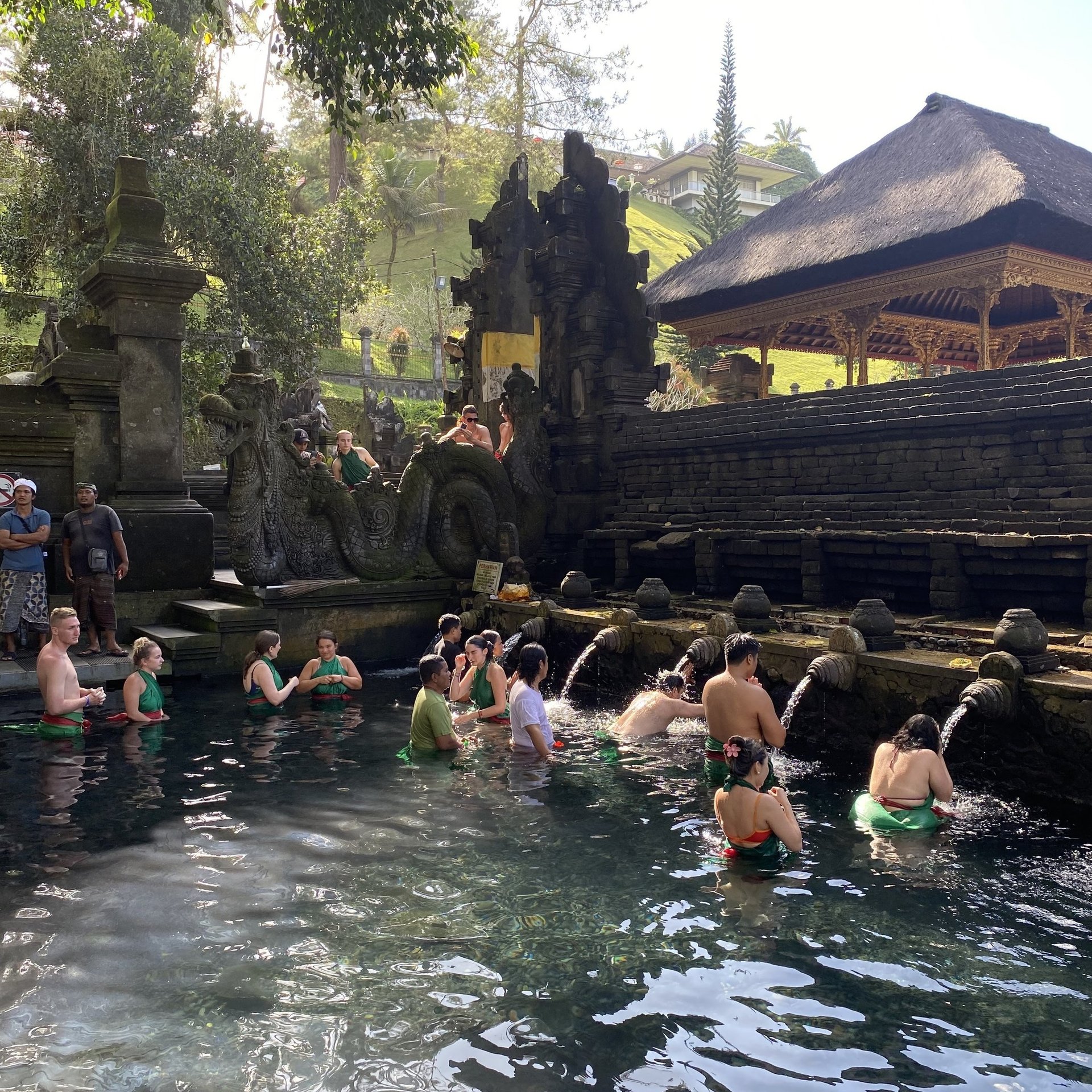
Tirta Empul Temple
Tirta Empul Temple is a revered Hindu water temple in Bali dedicated to Vishnu, renowned for its sacred spring and purification pools used in the Melukat Ceremony for spiritual…
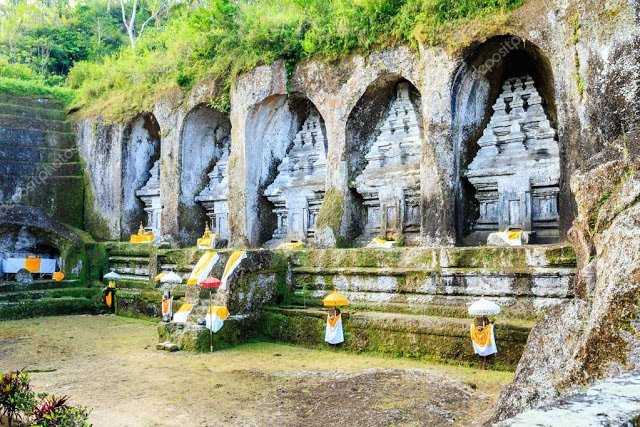
Gunung Kawi
Gunung Kawi is an 11th-century temple complex in Tampaksiring, Bali, featuring ten rock-cut shrines carved into cliff faces and believed to be royal memorials dedicated to King…