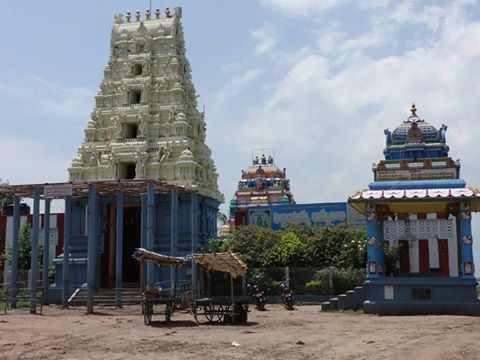

Peddintlamma Temple, Kolletikota
About Peddintlamma Temple, Kolletikota
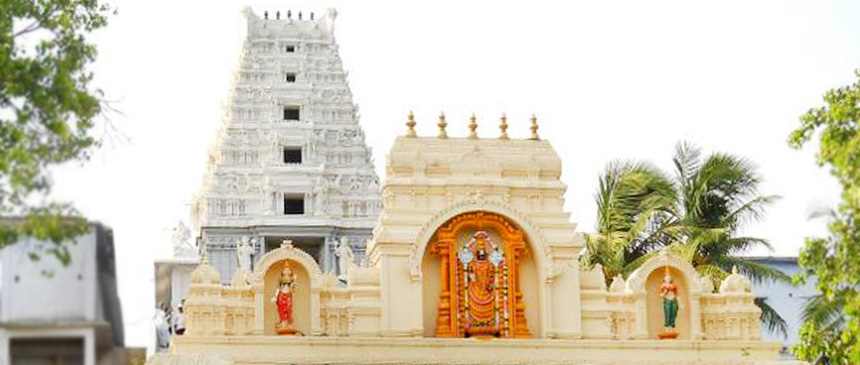
The temple occupies a distinctive position on the shores of Kolleru Lake in Kolletikota village, within Eluru district in Andhra Pradesh. The lake setting provides the temple with a particular character, as water bodies have long held spiritual importance in Hindu pilgrimage traditions. Visitors approaching the temple will encounter the landscape shaped by this aquatic environment, with the lake forming a natural boundary to the sacred space.
The coordinates 16.6276°N, 81.2893°E mark the temple's precise location for those navigating by GPS or mapping applications. The Eluru district location places the temple within a region of historical significance, accessible to pilgrims from surrounding areas of coastal and central Andhra Pradesh.
Visiting the Temple
Specific information about daily darshan timings, entry fees, or visitor facilities at Peddintlamma Temple is not documented in available sources. Visitors planning a trip should contact local authorities in Kolletikota or the Eluru district administration for current details about access hours and any requirements for entry.
As with most Hindu temples, visitors should observe standard practices: remove footwear before entering the inner sanctum, dress modestly, and maintain respectful behavior within the sacred precincts. The lakeside location means the temple grounds may be subject to seasonal water level changes, which could affect accessibility at certain times of year. Visitors should check local conditions before traveling, particularly during monsoon seasons when water levels typically rise.
The Pilgrimage Tradition
Peddintlamma Temple functions as a Hindu pilgrimage site, drawing devotees to its shores for spiritual purposes. The temple's 13th-century origins and continuous presence across eight centuries have established it as a recognized destination within regional pilgrimage networks. The lakeside setting adds to its appeal as a place where natural and sacred geography converge.
The specific deity worshipped at the temple and associated rituals are not documented in available sources. Pilgrims visiting the site should seek information locally about the temple's primary deity and the particular spiritual practices observed there, as these details shape the experience of worship and darshan.
Reaching Kolletikota
Kolletikota village is located in Eluru district, Andhra Pradesh. The nearest major city is Eluru, which serves as the district headquarters and provides road connections to the village. Visitors traveling by road should use the coordinates 16.6276°N, 81.2893°E for navigation to the temple's precise location.
Public transportation options connecting Eluru to Kolletikota should be verified with local transport authorities, as village connectivity can vary seasonally. Those traveling by private vehicle will find the coordinates useful for GPS navigation. The journey should account for local road conditions and seasonal factors, particularly given the temple's proximity to Kolleru Lake.
The Eastern Ganga Legacy
The temple's construction under Eastern Ganga Dynasty patronage connects it to a broader architectural and cultural tradition. The Eastern Gangas ruled significant portions of eastern and central India during the medieval period, and their support for temple construction left a lasting mark on the region's religious landscape. The involvement of a military general in commissioning this temple reflects how secular and religious authority intersected in medieval Indian society.
This historical context enriches understanding of the temple not merely as a place of worship, but as a monument to a particular era of regional history and dynastic power. The survival of the 13th-century structure to the present day testifies to the durability of its construction and the continuity of religious practice at the site.
How to reach
Temples near Peddintlamma Temple, Kolletikota
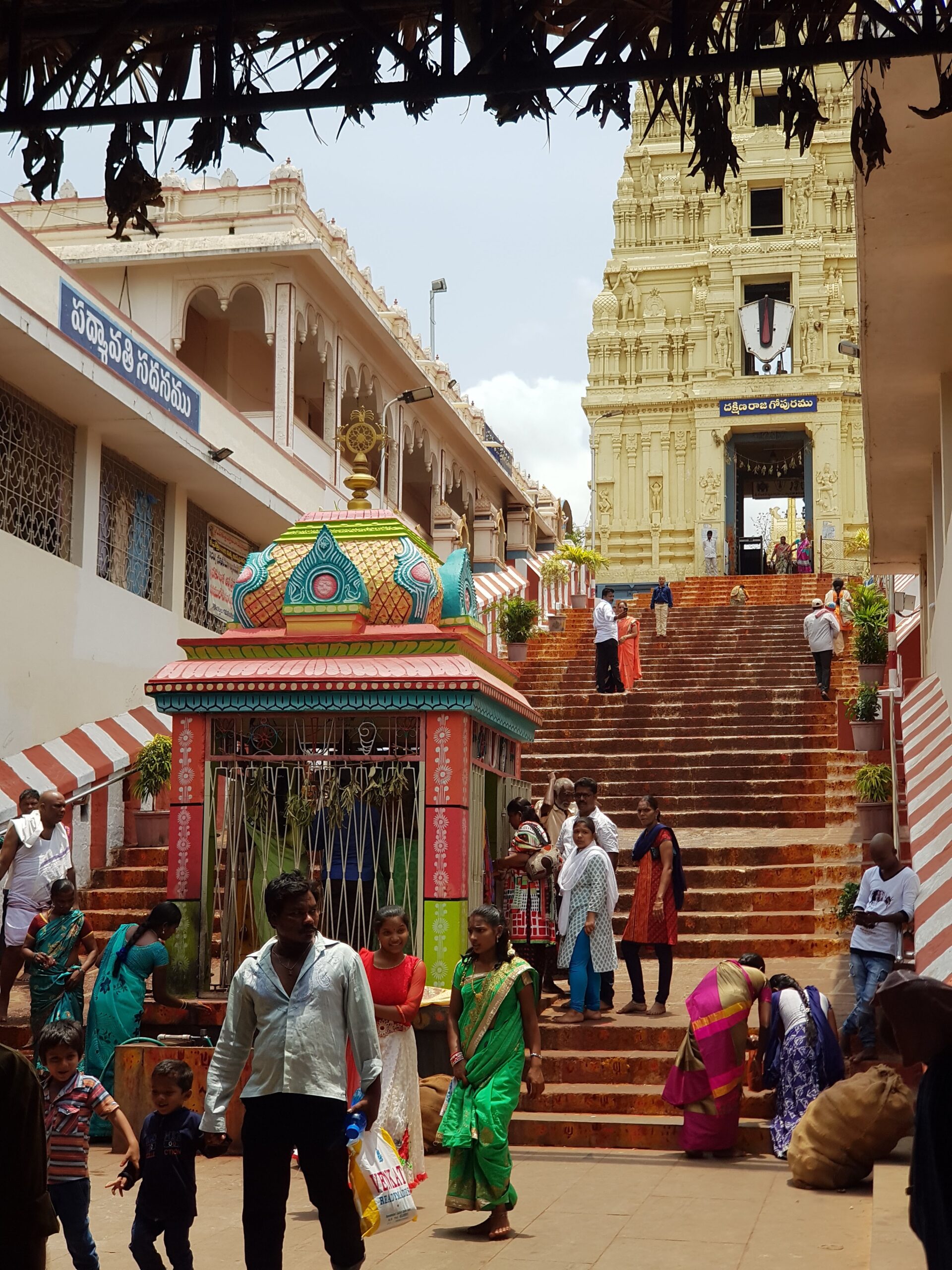
Venkateswara Temple, Dwaraka Tirumala
Sri Venkateswara Temple in Dwaraka Tirumala, known as 'Chinna Tirupati', houses two sacred idols of Lord Venkateswara and serves as a spiritual alternative to the renowned Tirup…
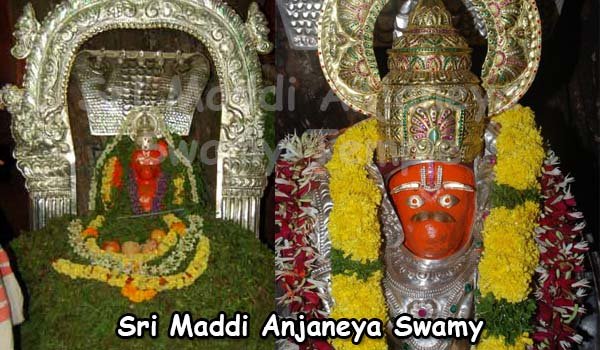
Maddi Anjaneya Temple
Sri Maddi Anjaneya Swamy Temple is an ancient pilgrimage site dedicated to Hanuman located in Gurvaigudem, Jangareddygudem, Andhra Pradesh, approximately 51 km from Eluru.

Kotasattemma Temple, Nidadavolu
Kotasattemma Temple in Nidadavolu is a Hindu pilgrimage center dedicated to Goddess Shakti, established in 1934 and located in the spiritually significant Godavari region of And…

Akkanna Madanna caves
Akkanna Madanna Mahankali Mandiram is a historic temple in Hyderabad's old city, rediscovered in 1948 within a centuries-old mansion and now celebrated annually for its grand Bo…
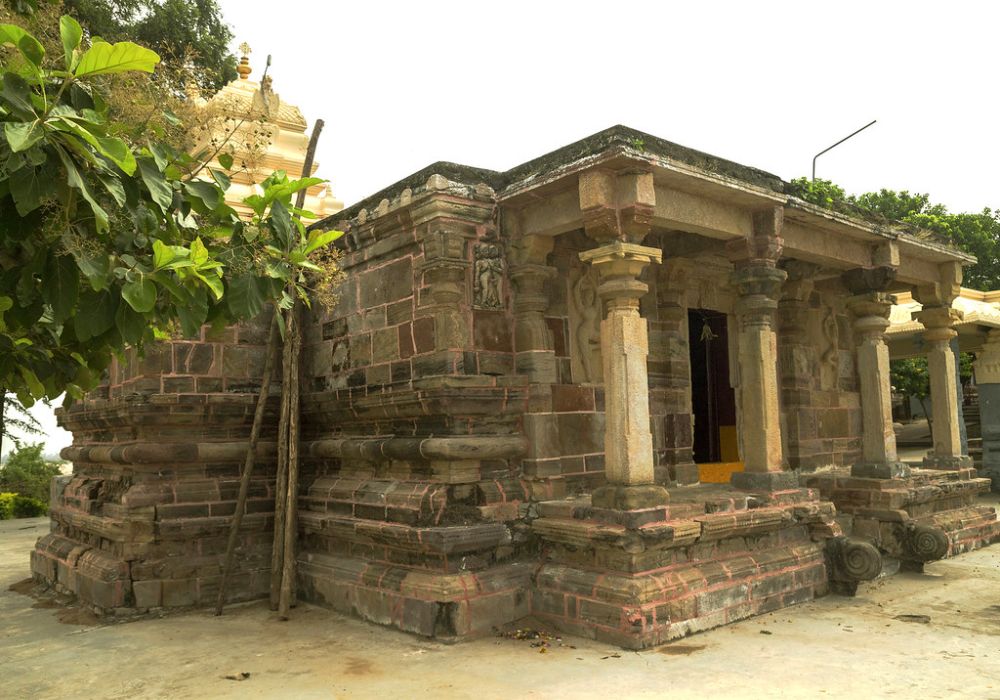
Veerabhadra Temple, Pattiseema
Veerabhadra Temple sits on a sacred island within the Godavari River near Pattiseema, dedicated to Lord Veerabhadra, a fierce manifestation of Shiva. This ancient shrine, over 8…
Jamalapuram Temple
Sri Venkateshwara Swamy Temple in Jamalapuram, Khammam district, Telangana, is a Vaishnava shrine dedicated to Venkateshwara, a manifestation of Vishnu revered for protection, p…