


Pazhamudircholai Murugan Temple
About Pazhamudircholai Murugan Temple
The temple operates on a two-session schedule suited to its forest location. Morning darshan runs from 6:00 AM to 12:00 PM, while evening darshan opens from 4:00 PM to 8:00 PM. The temple closes during the midday hours for rituals and maintenance. Four principal aartis mark the day: Kalasanthi at 6:00 AM begins the morning worship, followed by Uchikala Pooja at 12:00 PM. In the evening, Sayaraksha takes place at 6:00 PM, with Ardhajama concluding the day's rituals at 7:30 PM.
General darshan is free for all visitors. Wait times typically range from 10 to 30 minutes during normal days, though this may extend during festival periods. Those wishing to participate in special rituals can arrange Abhishekam (ritual bathing of the deity) for fees ranging from ₹300 to ₹2,000, or request Archana (personal prayer offerings) at rates between ₹51 and ₹201. The temple distributes Vibhuti (sacred ash) freely to devotees, and prasadam packets are available for ₹20 to ₹50.
Festival Observances
Two major festivals draw significant numbers of devotees to Pazhamudircholai. Thai Pusam, observed in January or February according to the Hindu lunar calendar, is celebrated as a Kavadi festival—a tradition in which devotees carry ornate wooden or metal frameworks as acts of devotion. Panguni Uthiram, falling in March or April, represents another major occasion in the Murugan temple calendar. Both festivals extend over approximately ten days and attract notably higher crowds than ordinary days. Exact dates vary yearly according to the Hindu calendar, so verification with the temple before travel is advisable.
Best Time to Visit
The optimal period for visiting Pazhamudircholai extends from October through March. These months offer cooler temperatures and more comfortable conditions for the hillside location, making the forest setting more pleasant for darshan and circumambulation. The monsoon season and summer heat make other months less suitable for a comfortable visit.
Visitor Practicalities
Visitors should arrive during the designated darshan windows: morning between 6:00 AM and 12:00 PM, or evening between 4:00 PM and 8:00 PM. The temple's forest setting means that appropriate footwear for walking on uneven terrain is advisable. As with Hindu temples generally, modest dress is expected—covering shoulders and knees shows respect for the sacred space. Devotees typically remove footwear before entering the inner sanctum.
The temple's location in the Solaimalai Hills places it in Madurai District, with the postal code 625301. Those planning special sevas or requiring assistance can contact temple coordinators in advance to arrange VIP darshan slots or additional rituals. Festival days may alter standard timings, so confirming the schedule before travel is prudent, particularly if visiting during Thai Pusam or Panguni Uthiram.
Reaching the Temple
Pazhamudircholai is situated on the outskirts of Madurai, a major city in Tamil Nadu with established road and rail connections. The coordinates 10.094107, 78.223536 can be used with mapping applications for navigation. The forest-hill location means the approach involves some elevation gain, so visitors should be prepared for a walk from the base to the temple proper. Local transport options from Madurai city center are typically available, though confirming current routes and schedules before travel is recommended.
How to reach

Temples near Pazhamudircholai Murugan Temple

Kallazhagar Temple
Arulmigu Kallalagar Temple in Alagarkovil is a prominent Vaishnava shrine in Madurai district, Tamil Nadu, celebrated in the devotional hymns of the Alwars and housing the deity…

Badhri Narayanan temple
Badri Narayanan temple is a Hindu shrine located at the entrance of Alagar Koil in Madurai District, Tamil Nadu, dedicated to Lord Vishnu.

Laden Temple
Laden Temple, also known as Meenakshi Sundaraswarar Temple, is a historic Hindu shrine on the southern bank of the Vaigai River in Madurai, Tamil Nadu, with presiding deities Me…
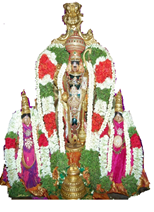
Thirumohoor Kalamegaperumal Temple
Thirumohoor Kalamegaperumal Temple is a Dravidian-style shrine dedicated to Vishnu as Kalamega Perumal, located near Melur in Madurai district. One of the 108 Divya Desams, it i…
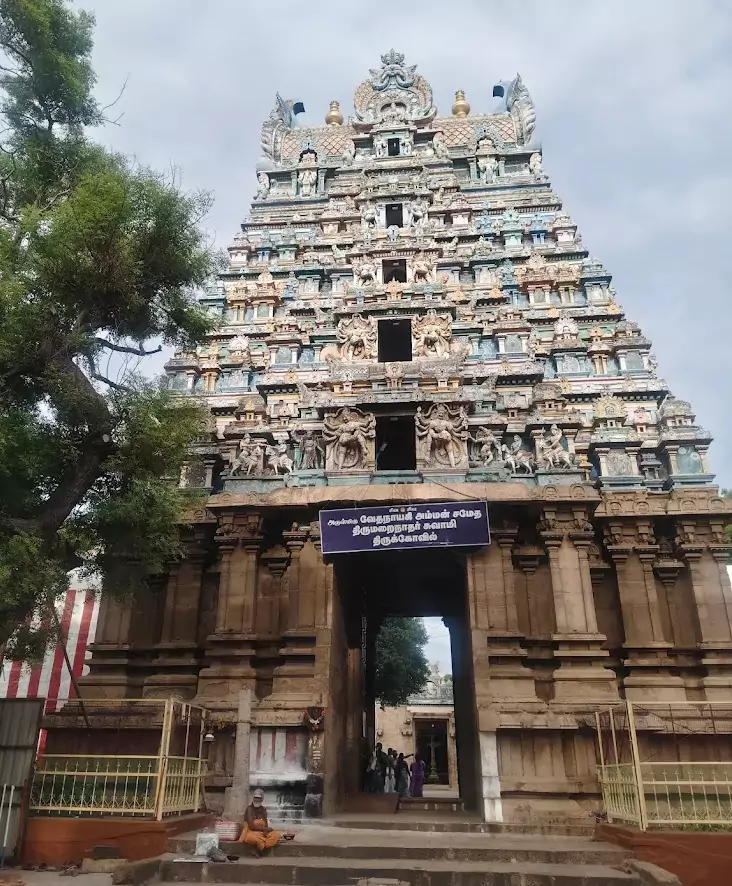
Thiruvathavur Thirumarrainathar Temple
Arulmigu Thirumarainathar Temple in Thiruvathavur is a revered Shaivite shrine housing a self-manifested Shiva Lingam marked with cow hoof prints, and is celebrated as the birth…
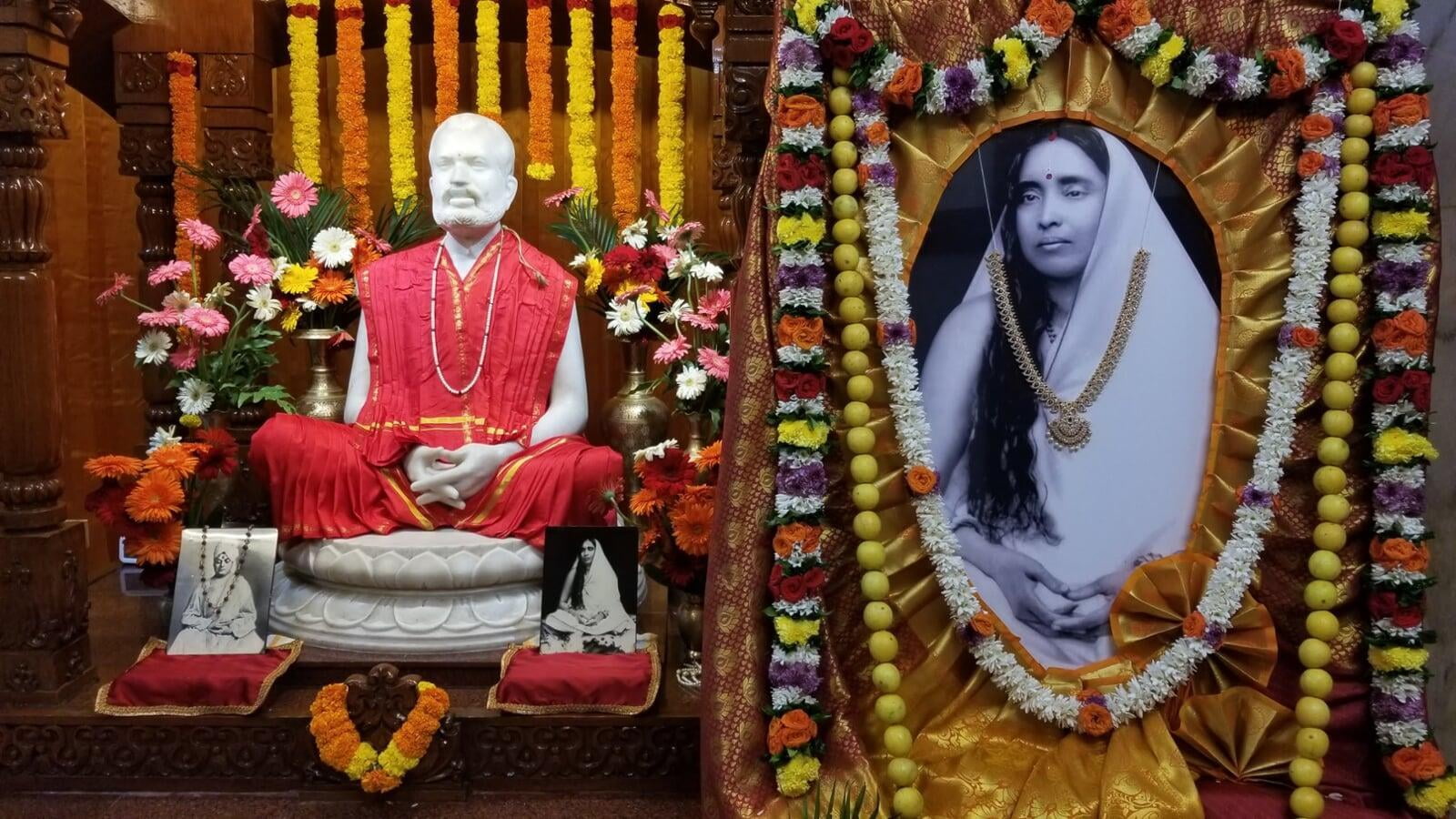
Ramakrishna Madam
Ramakrishna Math Madurai is a branch centre dedicated to Sri Ramakrishna, offering daily worship, spiritual discourses, and community services in an inclusive environment open t…