Parasuram Kothi Temple, Nirmand
About Parasuram Kothi Temple, Nirmand
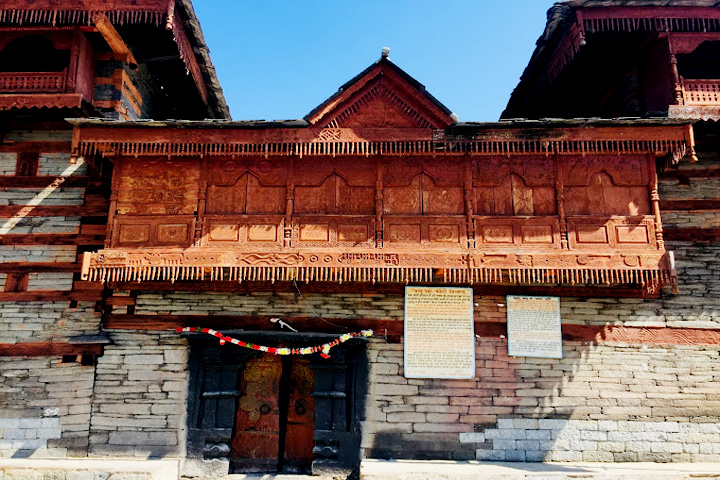
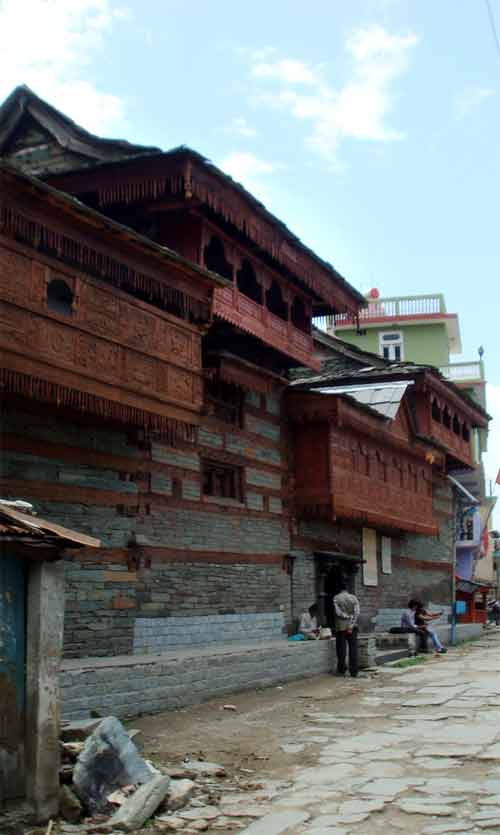
The temple's construction predates the seventh century, making it among the older religious structures in the Kullu Valley. Stone carvings adorn the walls and doorways, demonstrating the craftsmanship of its builders across centuries. Within the inner sanctum sits an image of Parasuram holding an axe, his characteristic weapon in iconographic tradition. A stone statue of the goddess Hadimba stands at the entrance, serving a guardian function at the temple's threshold. These architectural elements reflect the temple's long history and the reverence in which it has been maintained by successive generations of devotees.
Spiritual Significance in the Valley
Nirmand itself holds a place of importance within Kullu's religious landscape, home to several temples of note. The Parasuram Kothi Temple occupies a distinctive position as a penance site—a location where the deity is believed to have performed rigorous spiritual discipline for twelve years. This association with tapasya (austerity and spiritual practice) draws pilgrims seeking blessings related to spiritual growth and perseverance. The temple's elevation in the Kullu Valley, at approximately 2,438 metres, places it within a region long regarded as spiritually significant in Hindu tradition.
Darshan and Worship
The temple remains open to devotees throughout the year, though specific darshan timings should be confirmed directly with the temple before visiting, as hours may vary seasonally and on festival occasions. The inner sanctum houses the primary image of Parasuram, where worship follows traditional Hindu practices. Visitors typically remove footwear before entering and maintain respectful conduct within the sacred space. The temple's modest scale and location make it a quieter pilgrimage destination compared to larger valley temples, offering a more intimate setting for personal devotion.
The Bhunda Festival
The temple's doors open with particular ceremony during Bhunda, a major festival observed in the region. This celebration marks a significant moment in the temple's annual cycle, drawing increased numbers of devotees. The festival represents an important occasion for worship and community gathering, though specific dates vary according to the lunar calendar and should be confirmed locally. Visitors planning to attend during this period should anticipate larger crowds and may wish to arrange accommodation in advance.
Visiting Practicalities
Nirmand village serves as the base for reaching the temple, located in Kullu District of Himachal Pradesh. The postal code for the area is 172023. Modest dress is appropriate—covering shoulders and knees shows respect for the sacred space. The temple's location in the Kullu Valley means visitors should be prepared for mountain terrain and variable weather conditions. No specific information about facilities such as refreshment areas or accommodation is available from current sources; visitors are advised to make enquiries locally or contact the temple directly regarding amenities. The nearest town of Rampur and other villages in the Nirmand area offer basic services for travellers.
Nearby Temples
Nirmand hosts several other temples within close proximity, including the Pancha Pandava Temple, Ambika Temple, Dakshineshwar Temple, Thakurdwara Lakshmi Narayan Temple, and the Chandi Devi Temple with its ancient baoli (stepwell). Devotees often visit multiple temples during a pilgrimage to the area, creating a broader spiritual circuit through the village's sacred sites.
How to reach
Temples near Parasuram Kothi Temple, Nirmand
Bhimakali Temple
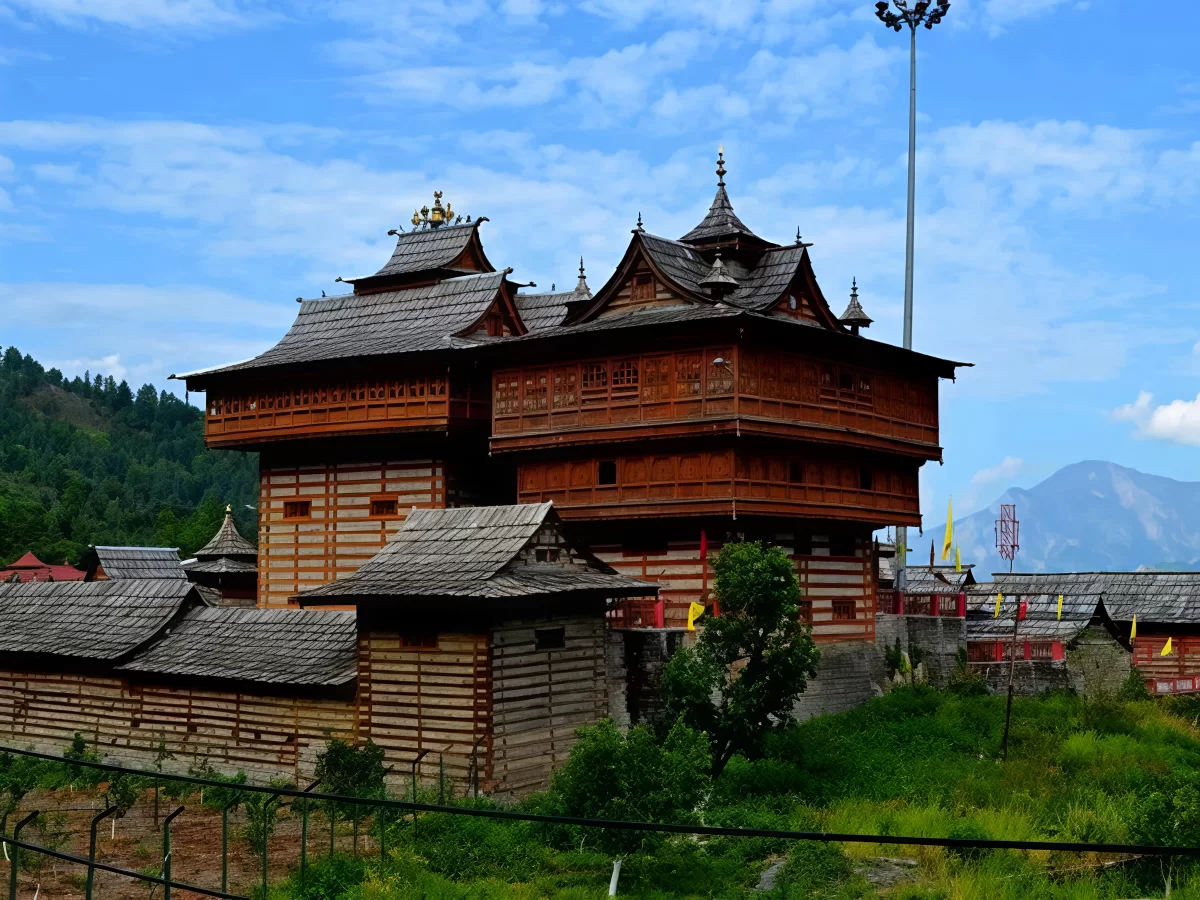
Bhimakali Temple in Sarahan, Himachal Pradesh, is a revered Shakti Peeth dedicated to goddess Bhimakali, the presiding deity of the former Bushahr state, situated approximately…
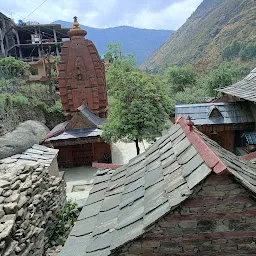
Surya Narayan Temple, Nirath
Surya Narayan Temple in Nirath, Shimla district, is an ancient Hindu shrine dedicated to the Sun God, notable as one of the few sun temples in North India with distinctive archi…

Shali Mata Temple
Shali Mata Temple is a remote Hindu sanctuary perched at 2,862 metres on Shali Tibba peak in Shimla district, Himachal Pradesh, accessible only by a 7-kilometre mountain trek fr…

Shikari Devi Temple
Shikari Devi Temple is an ancient Hindu shrine dedicated to Goddess Durga in her form as the Hunter's Goddess, perched at 3,359 metres atop the highest peak in Mandi district. B…
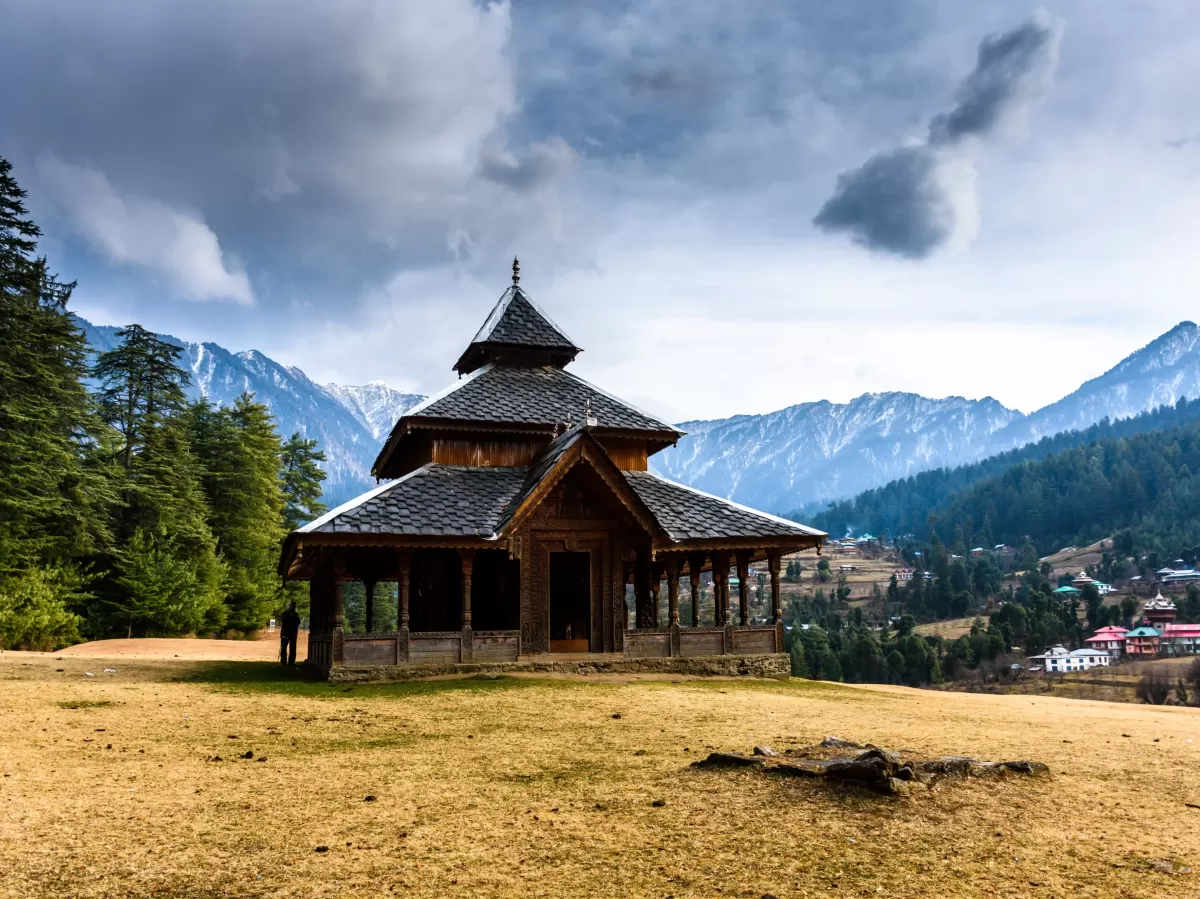
Shanghchul Mahadev Temple, Shangarh
Shangchul Mahadev Temple is an ancient shrine dedicated to Lord Shiva, perched at 2,250 meters in Shangarh village within Himachal Pradesh's Sainj Valley, offering spiritual sol…
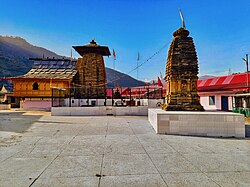
Mangleshwar Devata Temple, Balag Himachal Pradesh
Mangleshwar Devata Temple in Balag, Himachal Pradesh is a Hindu shrine dedicated to the Mangleshwar deity, located in the Shimla District region of northern India.