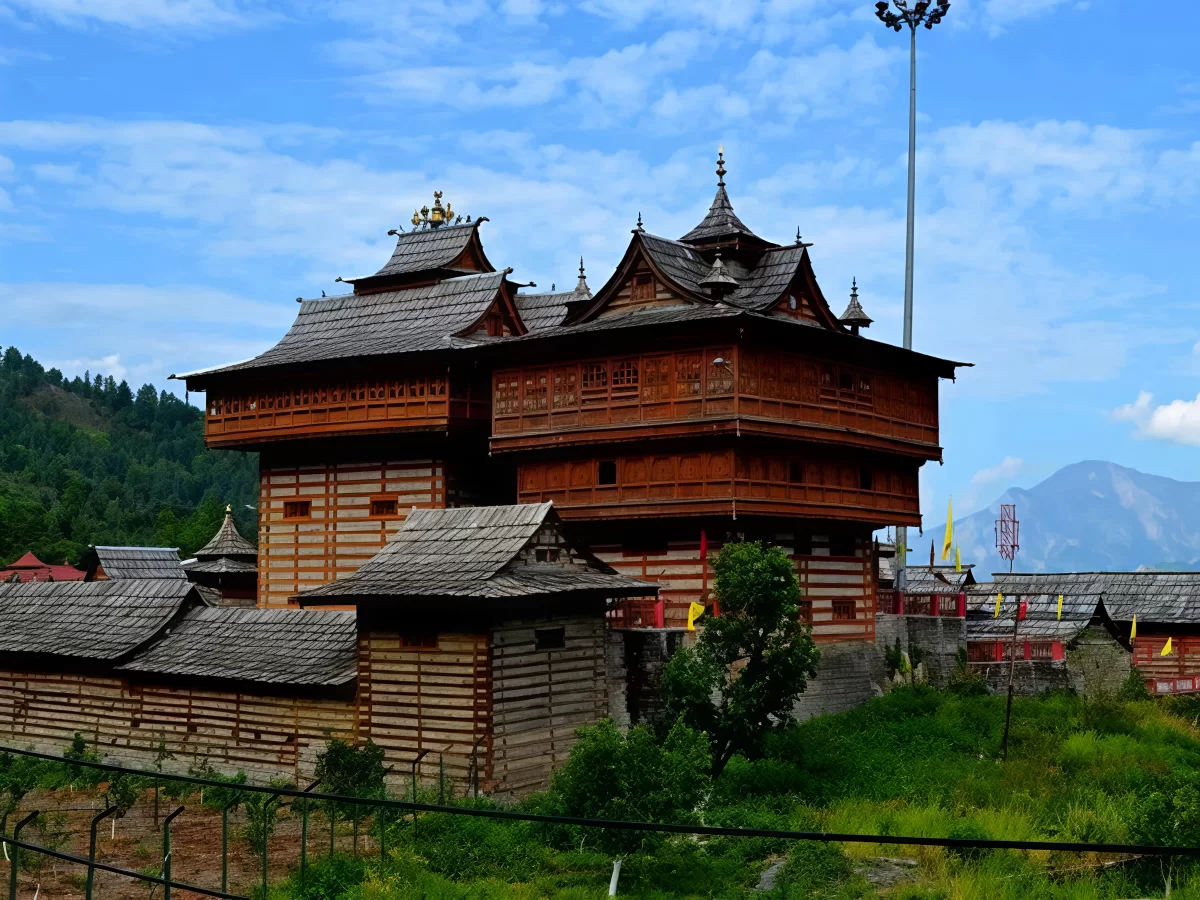
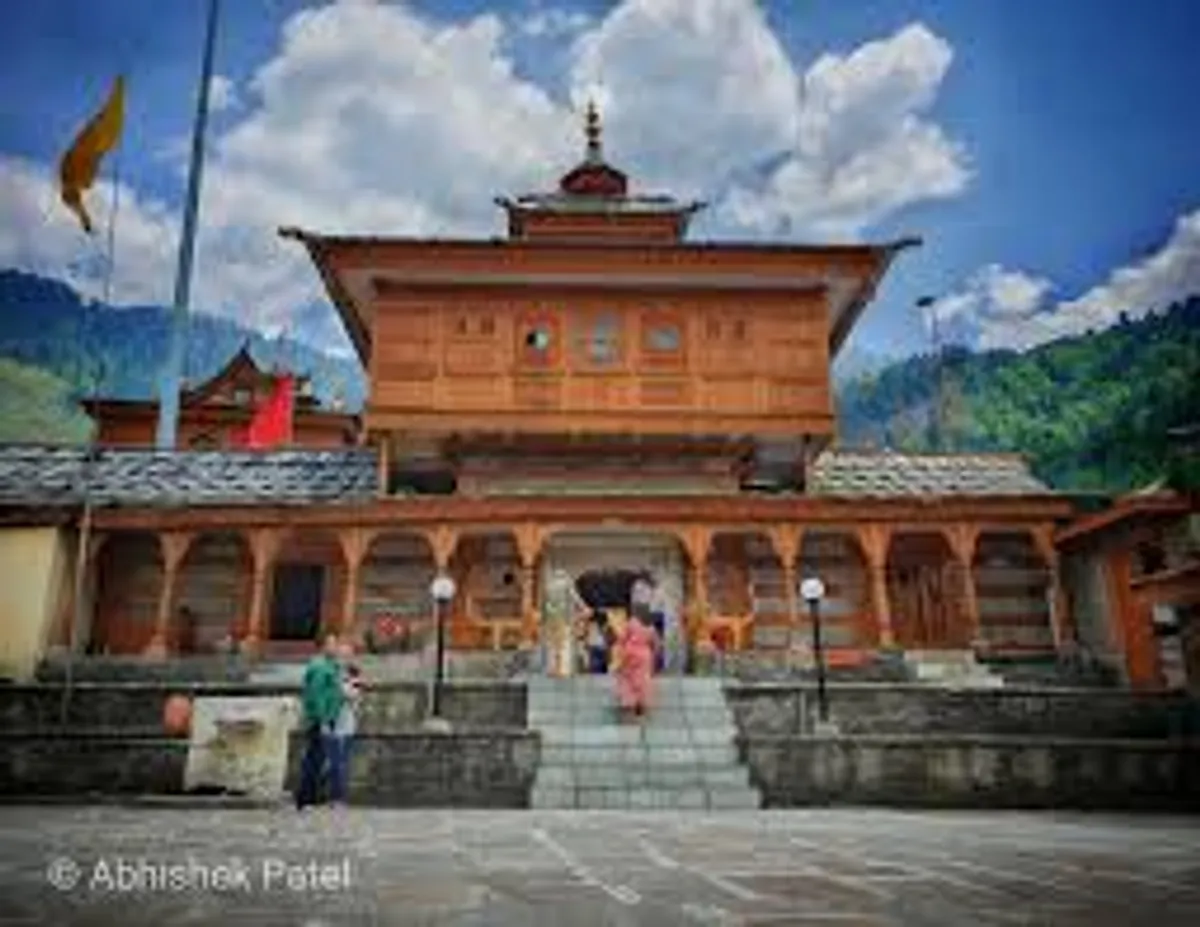
Bhimakali Temple
About Bhimakali Temple
The temple was established approximately eight hundred years ago, making it an ancient site of worship in the Himalayan foothills. It stands in Sarahan, a location in Shimla District, Himachal Pradesh, situated at coordinates 31.44943056, 77.63086944. The temple's longevity and continued prominence reflect its deep roots in the region's spiritual landscape.
Sarahan itself lies roughly 180 kilometres from Shimla. The journey to the temple requires travel through mountainous terrain, and the setting within the Himalayas contributes to the pilgrimage experience. The landscape and climate of the region shape both the practical aspects of visiting and the atmosphere in which devotees approach the shrine.
Daily Worship and Darshan
The temple opens for darshan—the viewing and worship of the deity—from 05:00 to 20:00 daily, accommodating both early morning and evening visitors. Throughout the day, a sequence of ritual observances structures the devotional rhythm. The Mangala Arati, the auspicious morning worship, takes place at 06:00 during summer months and 07:30 in winter, followed by a general arati at 08:00. A midday bhog arati occurs at 12:00, and the day concludes with sandhya arati at sunset.
These rituals offer visitors multiple opportunities to participate in or witness the worship of the goddess. Those planning to attend specific aartis should confirm exact timings in advance, as schedules may shift with seasonal changes and festival observances. The sequence of daily rituals reflects the traditional rhythm of Hindu temple worship, in which the deity is honoured through repeated cycles of offering and prayer.
Best Times to Visit
The optimal periods for visiting are March through June and September through November, when the Himalayan climate provides mild temperatures and generally clear skies. These conditions enhance both the pilgrimage experience and visibility of the surrounding landscape. The monsoon season from July to August brings heavy rainfall to the region and should be avoided by visitors planning their journey.
These seasonal considerations are practical rather than ceremonial; the temple remains open year-round, but weather conditions significantly affect accessibility and comfort during the journey to Sarahan. Visitors should factor travel time and road conditions into their planning, particularly during the wetter months when mountain roads may become difficult to navigate.
Visiting Information and Etiquette
Visitors should plan to arrive well before their intended darshan time, particularly if they wish to participate in specific aartis. The temple's location in the mountains means that travel from Shimla or other nearby towns requires several hours by road. Accommodation and dining facilities in Sarahan should be researched in advance.
As with most Hindu temples, visitors are expected to remove their shoes before entering the sanctum and to dress respectfully. Photography policies and specific protocols for participation in rituals should be confirmed upon arrival. Devotees typically make offerings to the goddess; information about the types of offerings accepted and any associated fees can be obtained from temple staff. Visitors should approach the shrine with reverence and follow the guidance of temple authorities regarding movement within the sacred space.
Reaching Sarahan
Sarahan is accessible by road from Shimla, though the journey takes several hours through mountainous terrain. Visitors travelling from Shimla should allow adequate time for the drive and plan their departure accordingly. The coordinates 31.44943056, 77.63086944 can be used with navigation applications to locate the temple precisely.
Those arriving by air typically fly into Shimla or nearby airports and then travel overland to Sarahan. Local transport options and road conditions should be verified before departure, particularly during monsoon season. Hiring a vehicle or joining an organized pilgrimage group may be practical options for those unfamiliar with the region.
How to reach
You may also visit
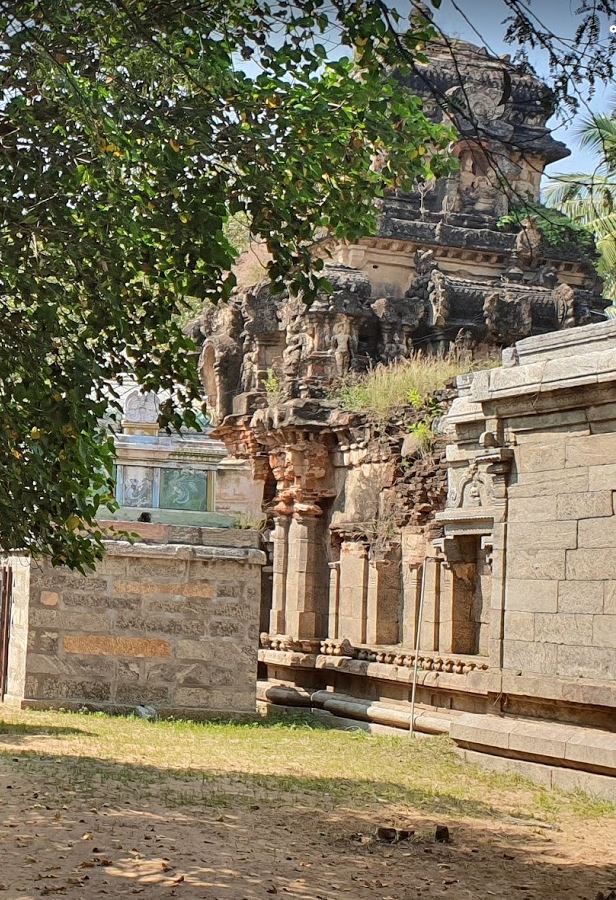
Agatheeswarar Temple, Karur
Agatheeswarar Temple in Thirumukkudalur, Karur district, is an ancient Hindu shrine dedicated to Shiva, situated at the sacred confluence of three rivers and believed to be over 1000 years old.
Kalyanji Temple
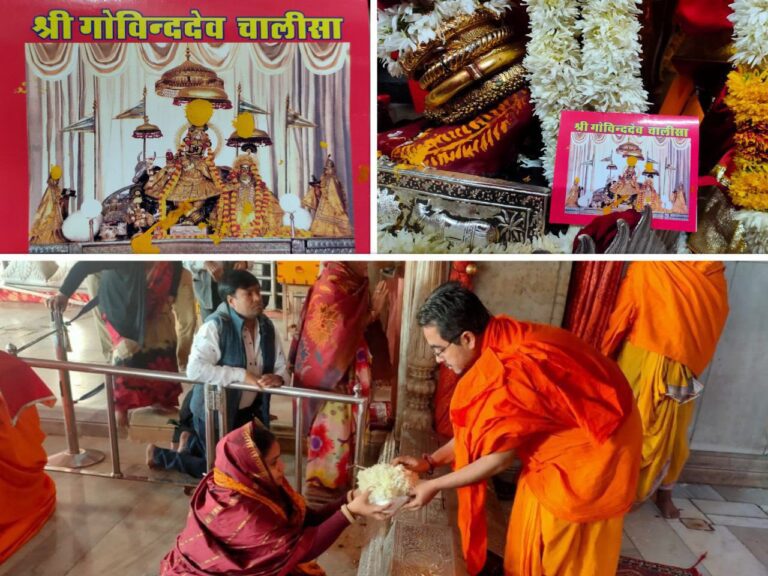
Kalyanji Temple in Jaipur's Chandpol Bazaar is an ancient Krishna shrine established in the 1820s, renowned for its seven daily aartis and special avatar darshan ceremonies during Akha Teej and Patottsav festivals.
Rani Sati Mandir Mahuda
Rani Sati Mandir in Mahuda, Dhanbad District, is a Hindu temple established in 1992 that serves as a spiritual center for the local community and attracts devotees seeking blessings.