Niranam Thrikkapaleeswaram Dakshinamurthy Temple
About Niranam Thrikkapaleeswaram Dakshinamurthy Temple
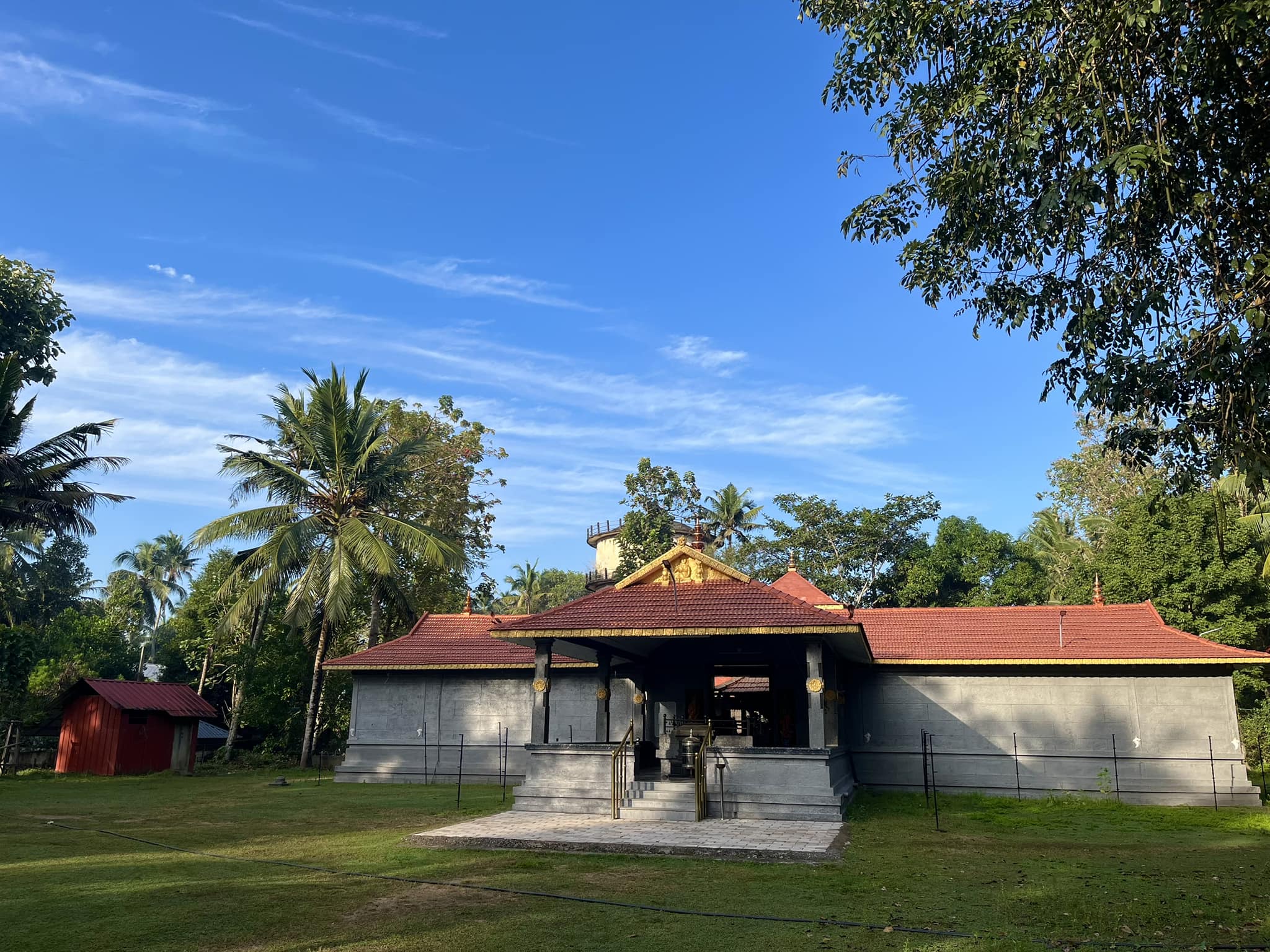
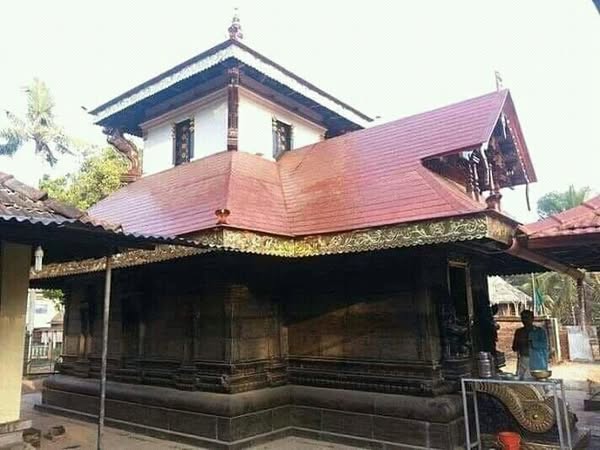
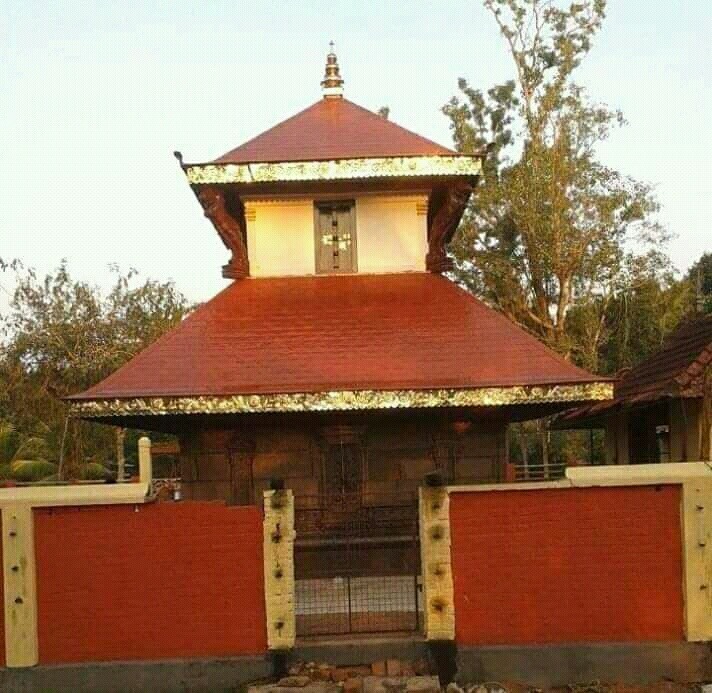
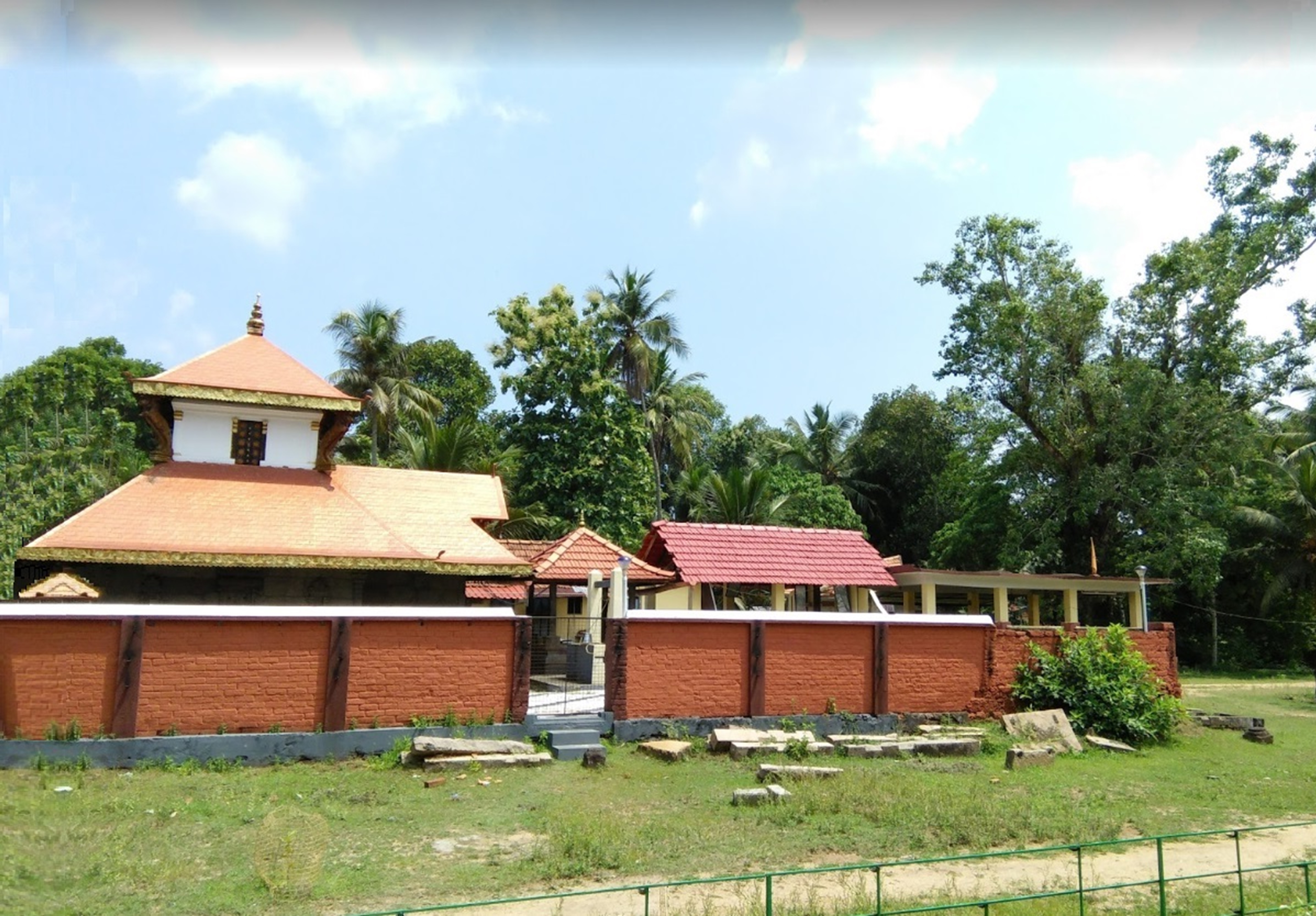
The temple exemplifies Dravidian architectural style, characteristic of South Indian shrine design. Its location on the banks of the Pampa River, at the confluence with the Manimala, places it within a landscape considered sacred in Kerala's geography.
A distinctive feature is the separate sanctum housing statues of the Sapta Mathas—the seven mother goddesses representing different forms of Adi Parashakti: Brahmani, Vaishnavi, Maheswari, Kaumari, Varahi, Indrani, and Chamundi. These are arranged in the shape of seven ritual stones (balikallu) and receive special offerings during morning, noon, and evening worship. This arrangement is uncommon among Kerala temples, reflecting the site's unique ritual traditions.
Darshan Timings and Daily Worship
The temple opens for evening darshan from 5:30 PM to 7:00 PM daily. This evening-only schedule differs from many temples and should be noted when planning a visit. The temple office operates from 6:00 AM to 9:00 AM and 6:00 PM to 7:00 PM for inquiries and administrative matters.
Visitors should dress modestly, as is customary at Hindu temples. Women typically wear sarees or salwar kameez; men wear dhotis or simple trousers. Leather items are generally not worn inside temple precincts. Photography policies should be confirmed at the entrance, as restrictions vary by shrine.
Festivals and Observances
Maha Shivaratri, falling between February and March, is the most significant celebration at this temple. The festival is observed with a night-long vigil, abhishekam (ritual bathing of the deity), and continuous chanting of Shiva mantras. Devotees gather to participate in this extended worship, making it the peak season for pilgrimage.
Vijayadasami, observed in September or October, holds special meaning here due to the temple's connection with Dakshinamurthy as the Lord of Knowledge. On this day, parents bring children to initiate them into learning—a tradition called Vidyarambham. This practice draws directly from the temple's historical role in Kerala's intellectual life and its association with the Kannasa poets.
Practical Information for Visitors
The temple is located at Niranam P.O., Thiruvalla, in Pathanamthitta District, Kerala (coordinates: 9.347913, 76.5285885). It sits on the Pampa riverbank, making it accessible by road from major towns in the region. Contact the temple office at +91 75938 44098 for specific directions or inquiries about worship schedules and offerings.
The temple is currently undergoing renovation under the Kerala Kshethra Samrakshana Samithi. Visitors should be aware that some areas may be under restoration. The evening darshan window is relatively brief, so plan accordingly. Those wishing to participate in Maha Shivaratri or Vijayadasami celebrations should arrive well in advance, as these occasions draw significant crowds.
How to reach
You may also visit
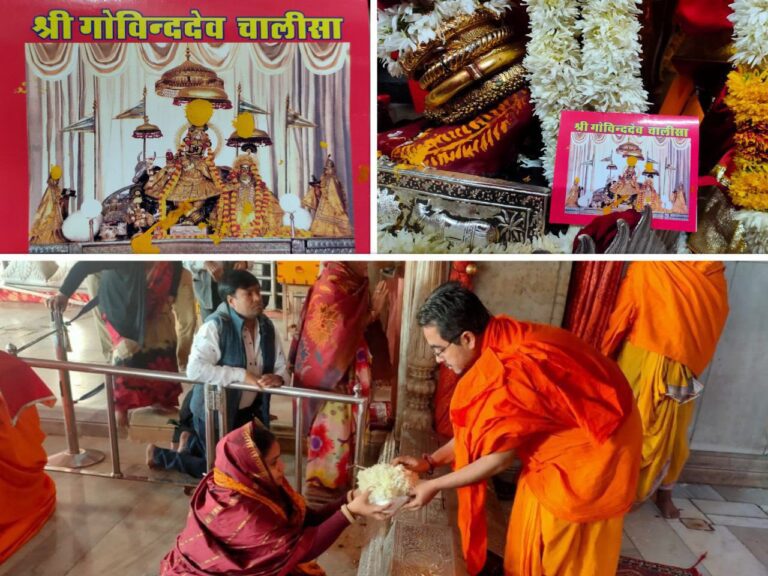
Kalyanji Temple
Kalyanji Temple in Jaipur's Chandpol Bazaar is approximately two centuries old and renowned for displaying the twenty-four avatars of Krishna, visible only twice yearly during Akha Teej and Patottsav festival.
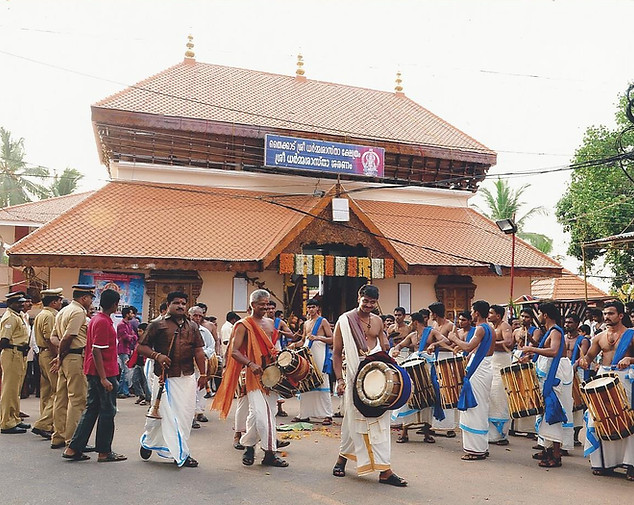
Sastha (Ayyappan) Temple
Sree Dharma Sastha Temple in Thycaud, Thiruvananthapuram, is a centuries-old shrine where the deity manifests as Dhanwanthari, the divine healer, holding the sacred blue lotus.
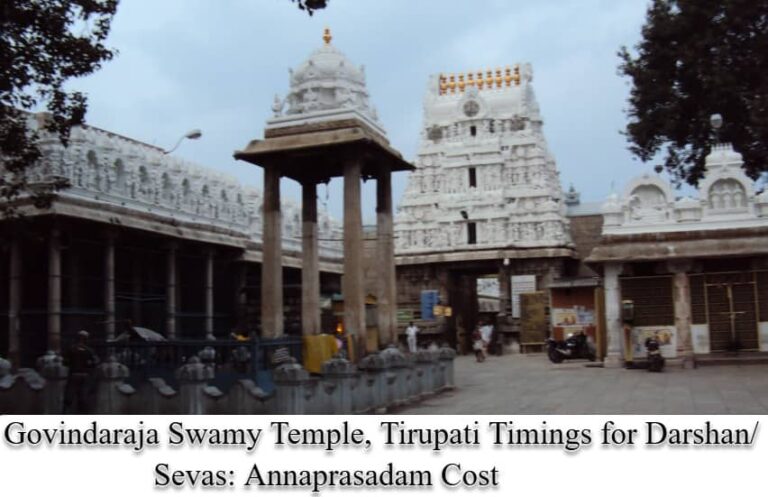
Govindarajaswamy Temple
Sri Govindarajaswamy Temple in Tirupati is an ancient Vaishnavaite shrine consecrated in 1130 AD by Saint Ramanuja, where the presiding deity rests in eternal Yoga Nidra on the serpent Adisesha.