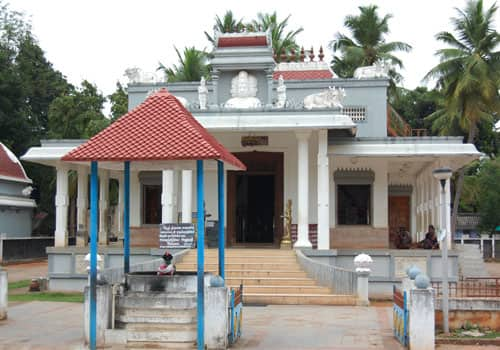
Narthana Vallabeswarar temple
About Narthana Vallabeswarar temple
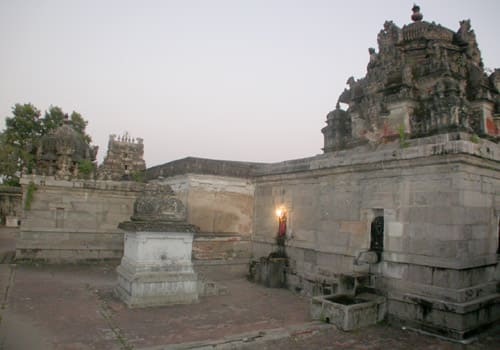
The temple occupies a spiritually significant location at Dakshina Prayag, where the Manimutharu and Vellaru rivers converge. This confluence holds theological weight in the temple's practice and belief. The site contains multiple theerthams—sacred water sources—each named after revered sages: the Brahma, Agasthya, and Kathyayana theerthams. A banyan tree (Kallala Maram) serves as the temple's presiding sacred tree, a feature common to Hindu temple landscapes.
Local tradition preserves narratives connected to this place. According to one account, Sage Agasthya prayed here seeking a daughter. He later discovered a girl child resting on lotus leaves in the Manimutharu river, whom he named Ambujavalli and raised as his own. When Lord Vishnu took his Varaha Avatar, he recognized Mahalakshmi in the form of Ambujavalli and took her hand in marriage. The temple contains a shrine dedicated to Lord Vishnu, commemorating this mythological connection.
Festivals and Celestial Phenomena
The temple's principal festival is a 13-day Brahmotsavam held in connection with Masi Magam, celebrated in February-March. This extended observance draws devotees for sustained worship and celebration throughout the festival period.
A distinctive natural phenomenon occurs during Panguni (March-April). During the first three days of this month, the sun's rays are said to illuminate the deity in a particular manner, creating an astronomical alignment that has become integrated into the temple's ritual calendar. Visitors seeking to witness this celestial occurrence should plan their visit accordingly.
Visiting Practicalities
The temple is open from 6:00 a.m. to 12:30 p.m. in the morning and from 4:30 p.m. to 8:00 p.m. in the evening. The address is Arulmigu Narthana Vallabeswarar Temple, Tirukoodalaiyatrur, Kavalakudi Post, Kattumannarkoil Taluk, Cuddalore District, PIN 608702, Tamil Nadu. The temple can be reached by phone at +91-4144-208704.
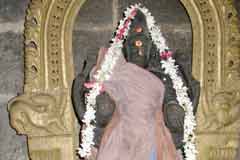
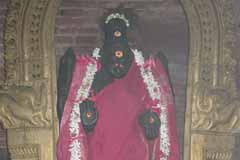
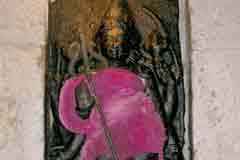
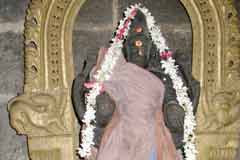
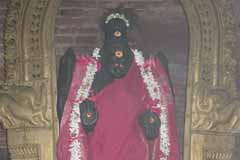
Visitors should observe standard temple etiquette: remove footwear before entering the sanctum, dress modestly, and approach the deity with respect. Kumkum is offered as prasad at the Gnanasakthi shrine, while vibhuti is offered at the Parasakthi shrine. Many devotees, particularly students and parents seeking blessings for education, make offerings of flowers and perform abhishek (ritual bathing) of the deity and the goddesses.
Special Observances and Shrines
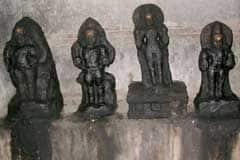
The temple contains several notable shrines beyond the main sanctum. A shrine dedicated to Chitragupta, the celestial accountant of Yama (the lord of death), is present here—a feature found in relatively few temples. There is also a shrine for Sani Bhagwan, respectfully called Pongu Sani (the prosperity-giving Saturn). Those undergoing the seven-and-a-half-year Saturn period are advised to pray during Pradosha time, from 4:30 p.m. to 6:00 p.m. daily, alongside Adhikara Nandhi, to mitigate the intensity of Saturn's astrological influence.
The temple's reputation as a center for learning and memory draws student devotees and parents seeking educational advancement. It is believed that worshipping at the Ambica shrines leads devotees toward excellence in their studies. Even great sages, according to tradition, have sought blessings here for memory and wisdom.
How to reach
Temples near Narthana Vallabeswarar temple
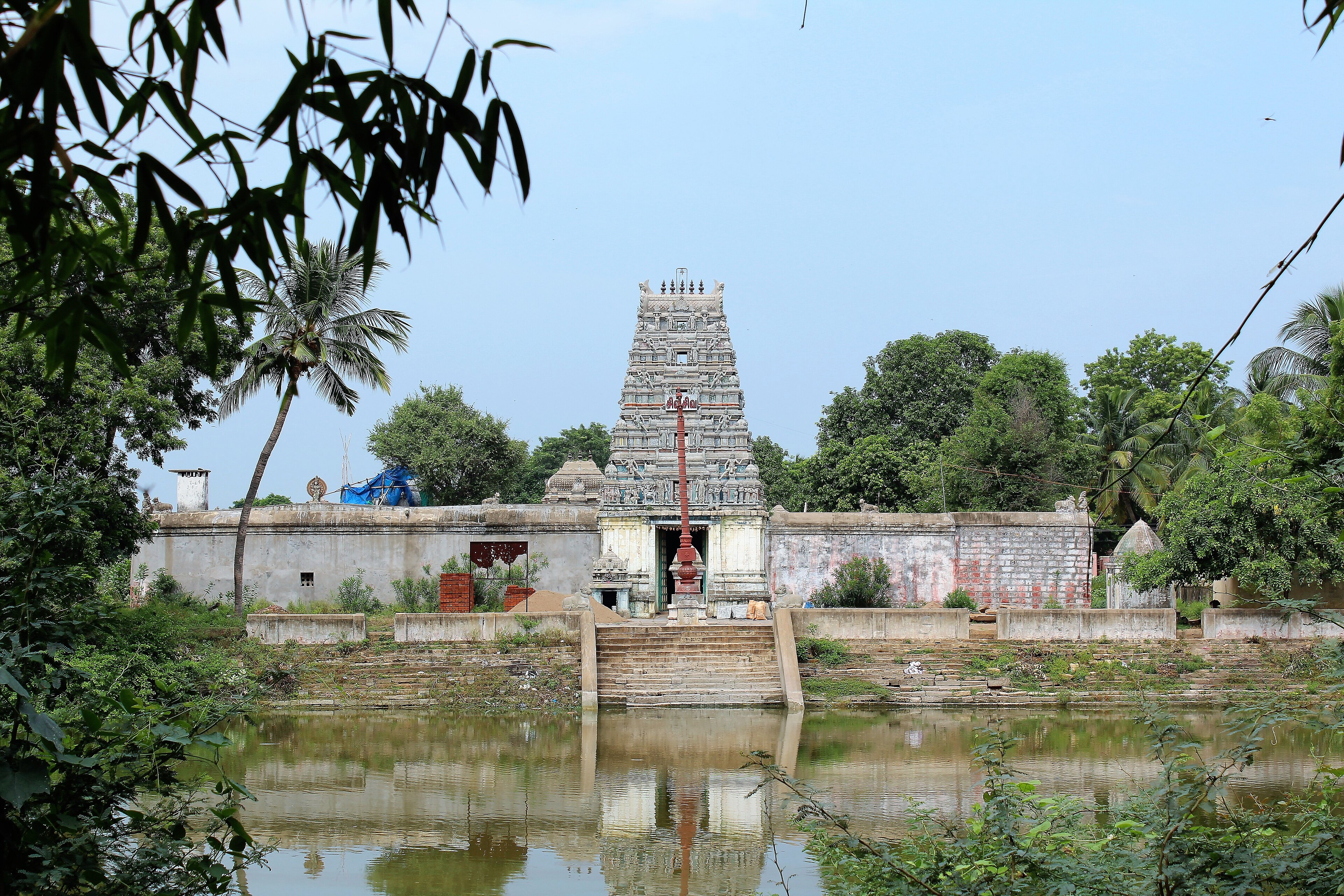
Thirukumaresar temple
Thirukumaresar Temple is a 7th-century Hindu shrine dedicated to Lord Shiva, located in Rajendirapattinam village in Cuddalore district, Tamil Nadu. It holds the distinction of…
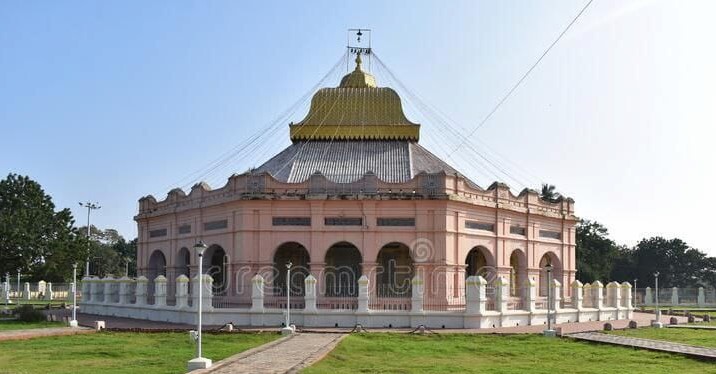
Satyagnana Sabha, Vadalur
Satyagnana Sabha is an octagonal hall of wisdom constructed in 1872 by saint Sri Raamalinga Swamigal (Vallalar) in Vadalur, Tamil Nadu, serving as a center for spiritual knowled…
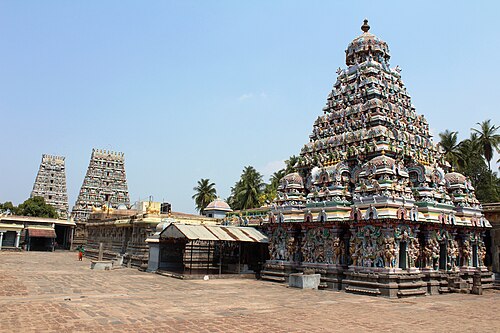
Thiruvadigai Temple, Panruti
Arulmigu Veerataneswarar Temple in Thiruvathigai, near Panruti, is a sacred Shiva shrine in Tamil Nadu's Cuddalore district, revered in the 7th-century Tamil Saiva canonical wor…
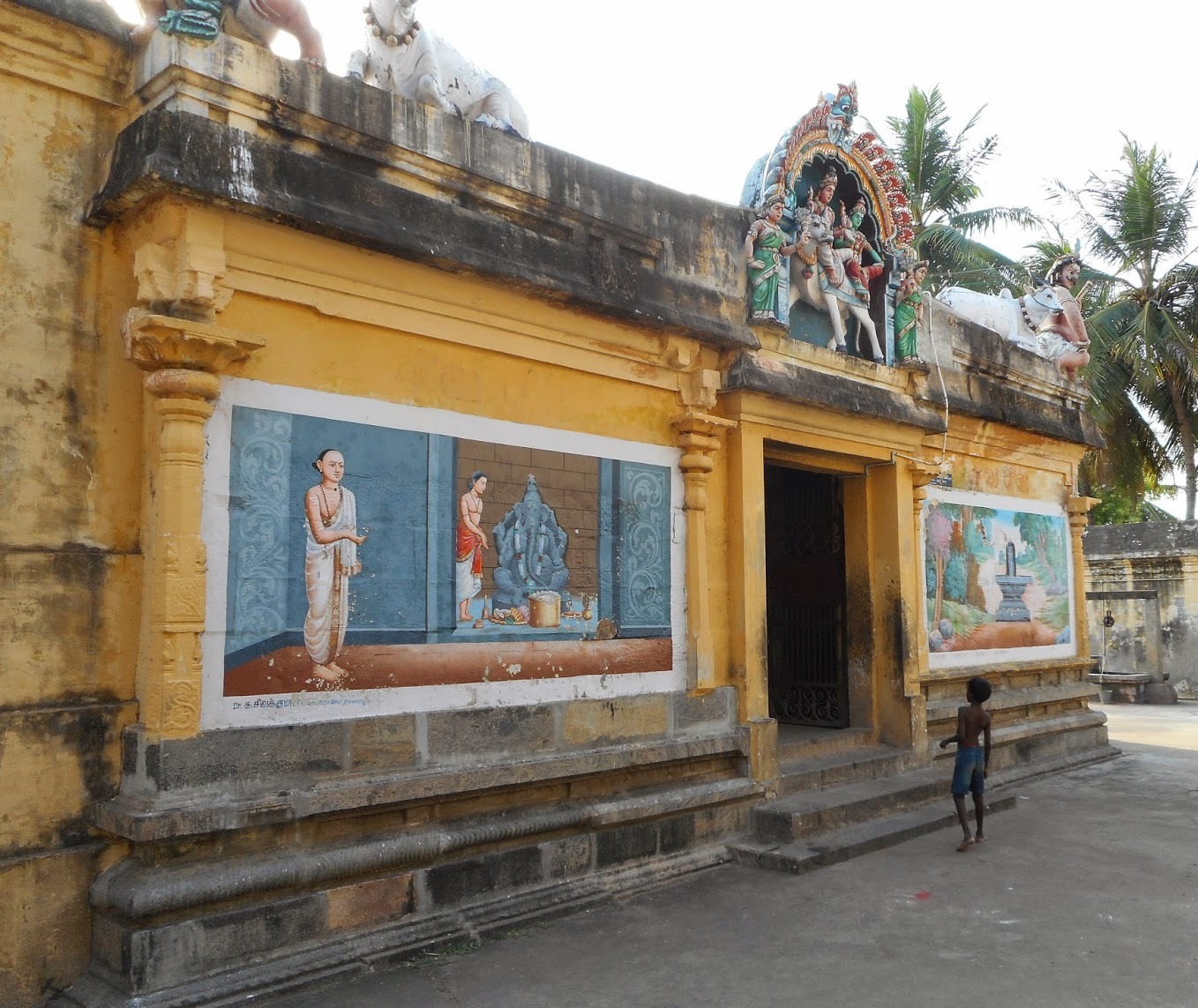
Tirunaarayur Soundaryeswarar Temple
Tirunaarayur Soundaryeswarar Temple is an ancient Shiva shrine in Cuddalore district, Tamil Nadu, revered as one of the 275 Paadal Petra Sthalams sanctified in Thevaram hymns by…
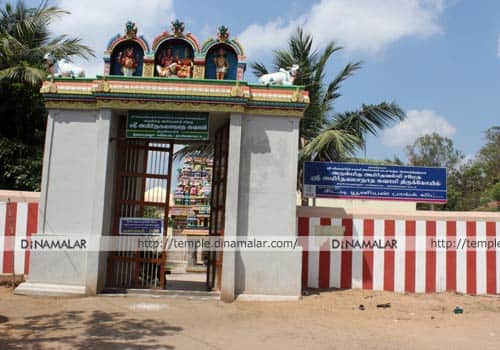
Amirthakadeswarar Temple
Amirthakadeswarar Temple in Sakkottai is an ancient Shaiva shrine recognized as a Paadal Petra Sthalam, praised in seventh-century Tamil devotional hymns and believed to be 1,00…
Neyveli Natarajar Temple
The Neyveli Natarajar Temple houses the world's largest Nataraja idol at 10 feet 1 inch tall, weighing 2,420 kilograms. This revered Shiva temple in Cuddalore district is known…