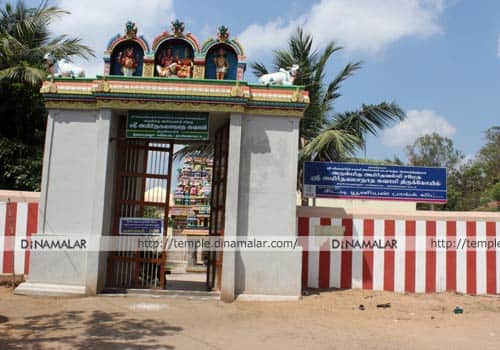
Amirthakadeswarar Temple
About Amirthakadeswarar Temple
The temple's foundations reach back between 1,000 and 2,000 years, placing it within the Chola period of South Indian history. This antiquity means that visitors encounter a site of continuous religious practice across centuries, though the sources do not provide specific details of its founding or major reconstructions. The temple's endurance through this span of time reflects the sustained devotion of successive generations of worshippers in the region.
The Daily Rhythm of Worship
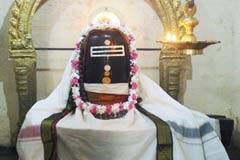
The temple maintains structured hours for public darshan (viewing of the deity). Morning darshan runs from 10:00 to 11:00, and evening darshan from 17:00 to 19:00. Visitors should plan their visits within these windows, as access outside these times is not available. Throughout the day, four principal aartis (ritual offerings of light and prayer) mark the rhythm of worship: Kalasandhi at 07:00, Uchikalam at 11:00, Sayarakshai at 17:00, and Arthajama at 18:30. Devotees traditionally offer abhishek (ritual bathing of the deity with water, milk, or other substances), cloth garments, and financial contributions toward temple maintenance. These practices reflect customary ways of expressing devotion within Shaiva temples.
Architectural Features and Sacred Spaces
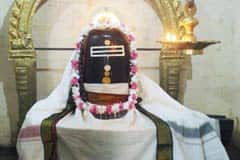
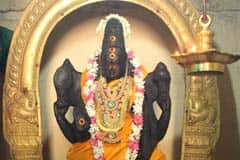
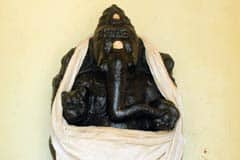
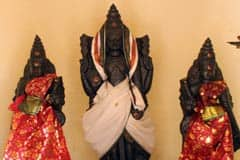
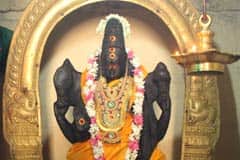
The temple complex extends beyond the main sanctum to include several subsidiary shrines. A shrine to Ambica (another name for Parvati) is positioned in the north of the mandap facing south. Smaller shrines honour Lord Dandapani-Muruga and Lord Nardana Vinayaka. A Nandi Bali Peeta (altar dedicated to Nandi, Shiva's bull mount) occupies the front mandap. The temple's sculptural programme includes representations of significant moments in Shaiva mythology: a carving depicts the wedding of Shiva and Ambica, commemorating the deity's pleasure with her penance. Dakshinamurthy, Shiva in his form as the supreme teacher, is represented within the temple. The Lingodhbava (the emergence of the lingam) appears rendered in emerald stone, while Arthanareeswara—Shiva in his half-male, half-female form—is depicted with his right leg in a relaxed posture.
Principal Festivals and Auspicious Seasons
Three major festivals draw devotees throughout the year. Maha Shivaratri and Masi Magam occur during February and March, with Maha Shivaratri marking the great night of Shiva and inviting extended worship. Margazhi Tiruvadhirai falls during December and January, another significant season in the Shaiva calendar. These periods represent the most auspicious times for temple visits and typically see heightened devotional activity. The temple's connection to Saint Sundarar and the broader Nayanmars tradition means these festivals carry particular resonance for those following the Shaiva path.
Practical Information for Visitors
The temple is located at Sri Amirtha Kalasa Nathar Temple, Sakkottai (also known as Tiru Kalaya Nallur), in Kumbakonam Taluk, Thanjavur District, Tamil Nadu, with postal code 612401. Visitors should dress modestly as is customary in Hindu temples. The sources do not specify particular dress codes or facilities available at the temple, so visitors are advised to contact the temple directly for details regarding amenities, parking, or any specific protocols. The temple's location in Kumbakonam Taluk places it within a region rich in Chola-period religious architecture, making it accessible as part of broader temple visits to the area.
How to reach
You may also visit
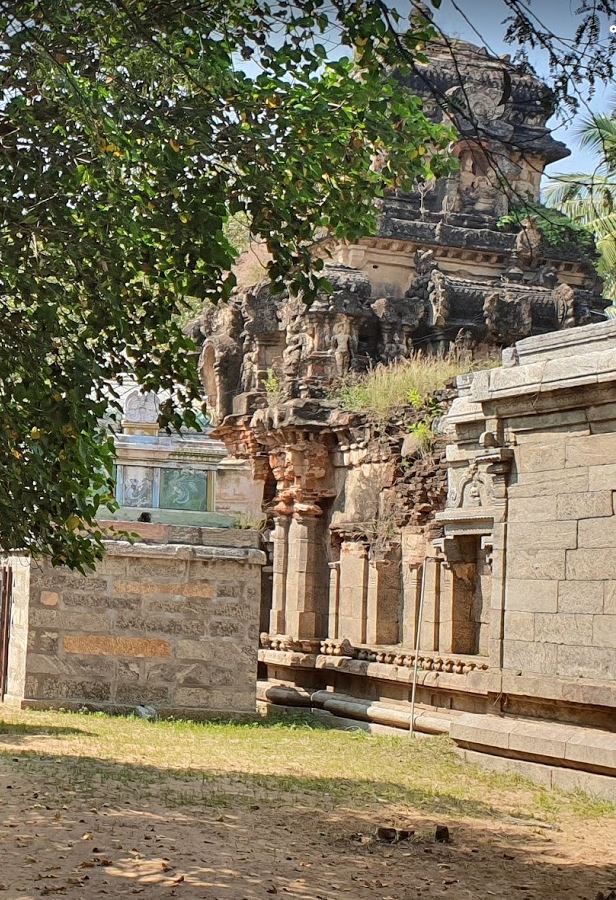
Agatheeswarar Temple, Karur
Agatheeswarar Temple in Thirumukkudalur, Karur district, is an ancient Hindu shrine dedicated to Shiva, situated at the sacred confluence of three rivers and believed to be over 1000 years old.
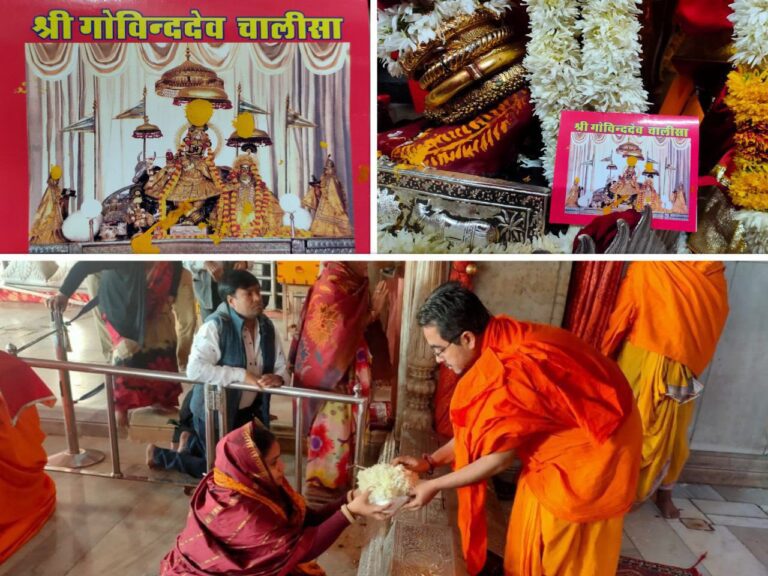
Kalyanji Temple
Kalyanji Temple in Jaipur's Chandpol Bazaar is an ancient Krishna shrine established in the 1820s, renowned for its seven daily aartis and special avatar darshan ceremonies during Akha Teej and Patottsav festivals.
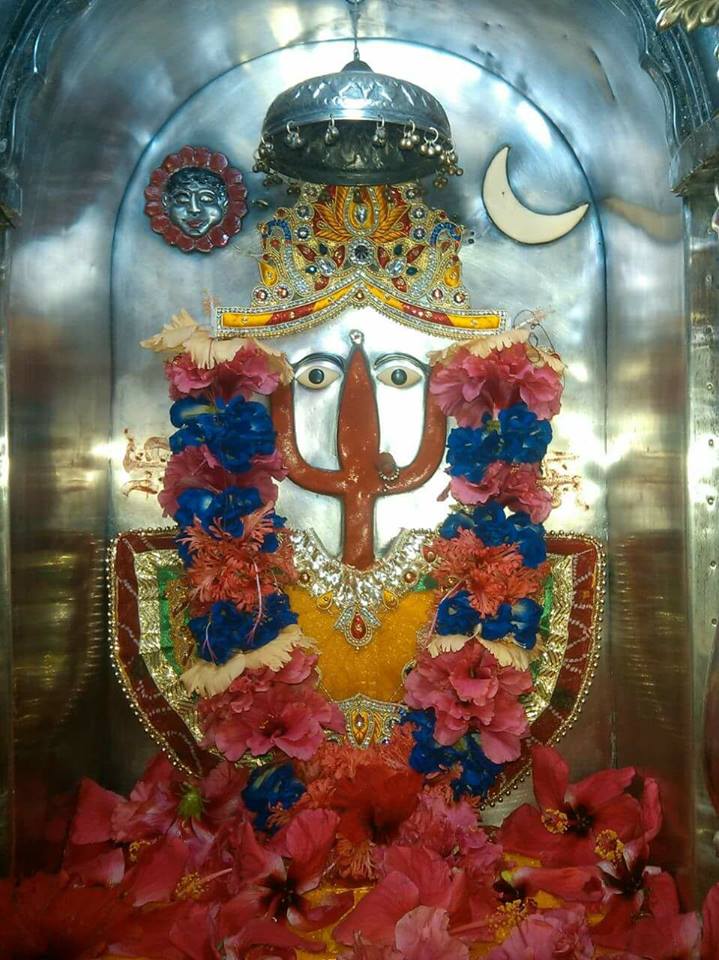
Rani Sati Mandir Mahuda
Rani Sati Mandir in Mahuda, Dhanbad District, is a Hindu temple established in 1992 that serves as a spiritual center for the local community and attracts devotees seeking blessings.