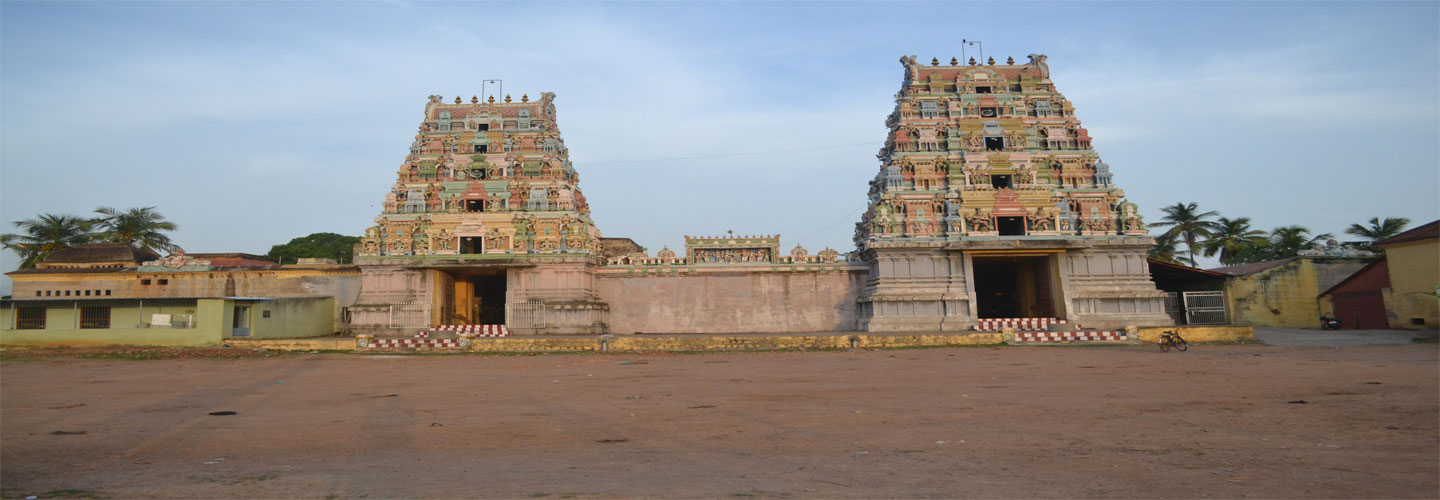
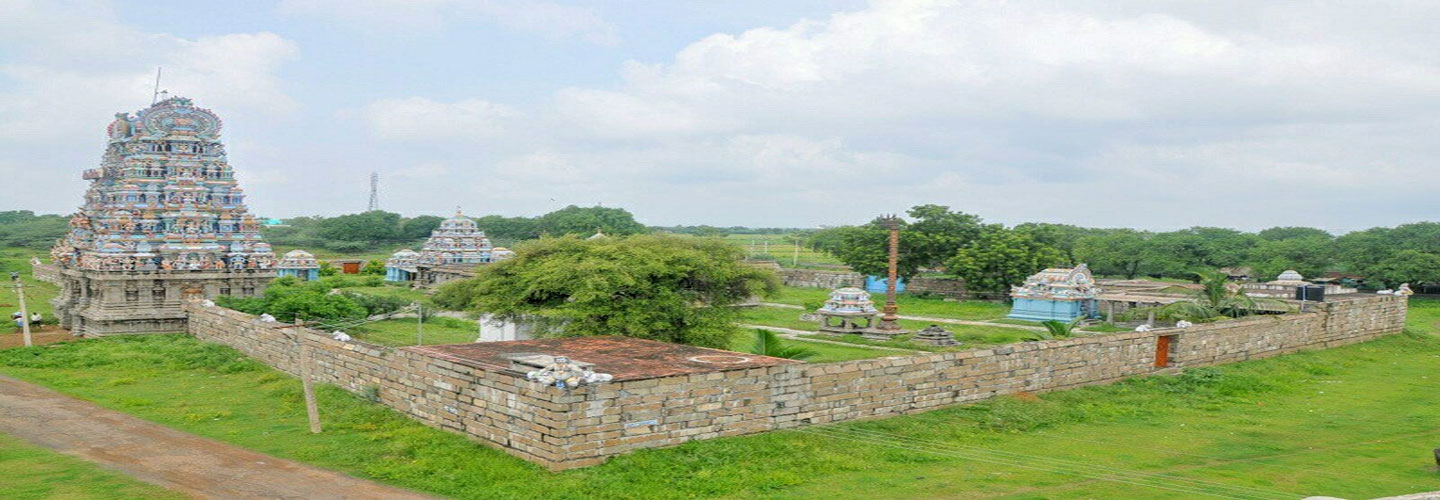
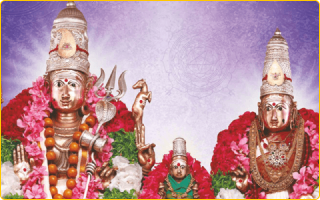
Narsimha Laxmi Mandir
About Narsimha Laxmi Mandir
The temple was established between the 14th and 16th centuries, a period when the Vijayanagara Empire extended its cultural and religious influence across the Deccan. During these centuries, the empire's rulers actively patronized temple construction, particularly those dedicated to Vishnu and his avatars. The architectural style and construction methods of temples from this era reflect the distinctive Dravidian design principles favoured by Vijayanagara builders.
This temple stands as a physical record of that patronage and the religious life of the region during a formative period in South Indian history. Its survival across centuries testifies to both the durability of its construction and the continuity of worship within the local community.
Daily Worship and Darshan
The temple maintains regular hours for devotees throughout the day. Morning darshan opens at 06:00 and continues until 12:30, while evening access runs from 16:00 to 20:00. Two principal aartis—formal ritual offerings of light and prayer—structure the day's worship: the Mangala Harathi at 07:30 in the morning and the Sayam Sandhya Pooja at 19:30 in the evening. These ceremonies mark moments of heightened ritual activity and offer visitors the opportunity to witness the temple's formal worship practices.
Visitors should remove footwear before entering the sanctum, as is customary in Hindu temples. The temple follows Madhva tradition protocols, and visitors are advised to observe any specific instructions given by temple staff regarding movement through different areas or participation in rituals. Respectful behaviour throughout the visit is expected.
Narasimha Jayanti: The Principal Festival
Narasimha Jayanti, celebrated on April 30, marks the birthday of the deity and stands as the principal festival observed at this temple. This occasion draws increased numbers of devotees and features special poojas and heightened ritual activity throughout the day. The festival represents the most significant point in the annual calendar for worship here, when the temple's spiritual energy is particularly concentrated and the community gathers in larger numbers.
For specific details about the exact timing of rituals, special offerings, or other observances during this festival, direct contact with the temple is advisable, as festival schedules may vary from year to year.
Visiting Information and Etiquette
Visitors planning a trip should note the temple's opening hours: 06:00–12:30 in the morning and 16:00–20:00 in the evening. The best time to visit for those seeking a fuller experience of the temple's spiritual life is during Narasimha Jayanti on April 30, when special celebrations and heightened ritual activity create a distinctive atmosphere.
As the temple follows Madhva tradition, visitors should be prepared to observe protocols specific to this lineage of worship. Modest dress is appropriate. Those wishing to participate in specific rituals or sevas (services) should inquire with temple staff upon arrival. For any questions about facilities, specific poojas, or other details not covered here, contacting the temple directly is recommended.
How to Reach Nira Narsingpur
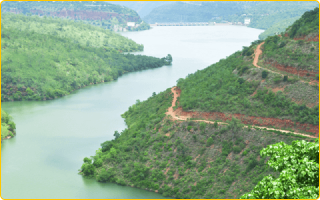
The temple is located at coordinates 18.509418298157, 73.850741419049 in Nira Narsingpur, Indapur taluka, Pune district, Maharashtra. The nearest major city is Pune. Access is by road; regular bus services and private transport options serve the area. For those travelling from a distance, the nearest significant transportation hub is Pune city. Visitors should plan their journey to arrive within the temple's open hours and allow time for darshan and worship.
How to reach

Temples near Narsimha Laxmi Mandir
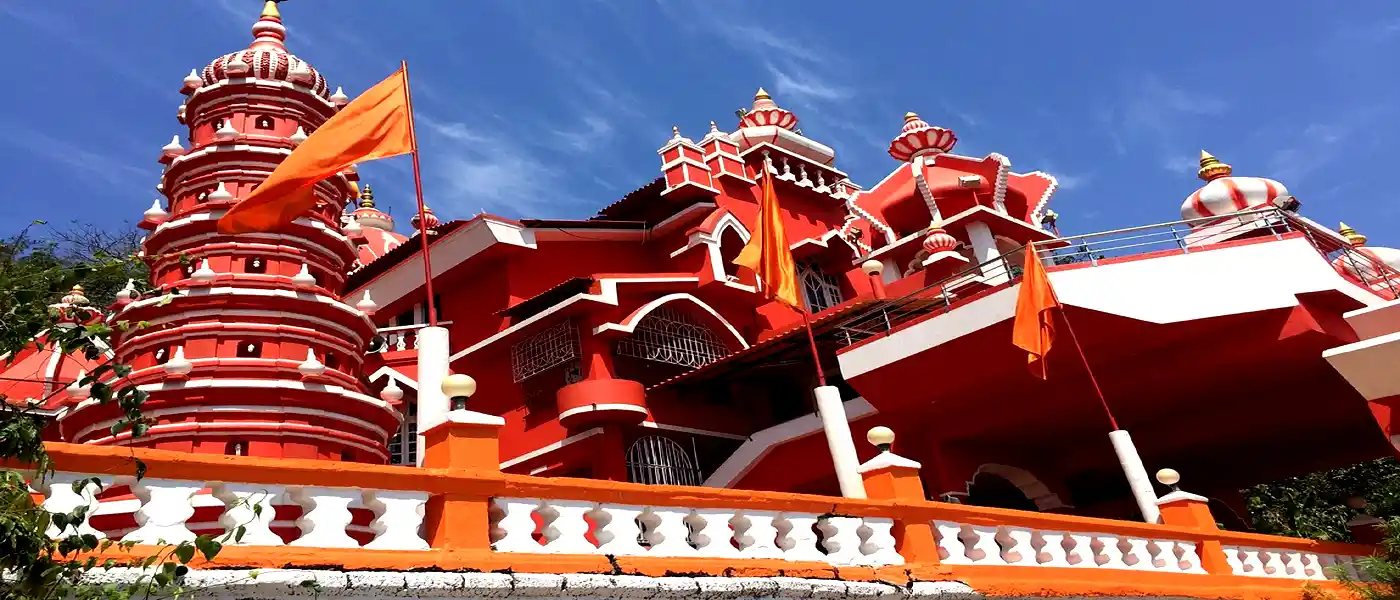
Maruti Temple and Chinchechi Talim
Maruti Temple in Panaji, Goa is a hilltop Hindu shrine dedicated to Lord Hanuman, offering panoramic city views and serving as a spiritual landmark for devotees and visitors.

Shani Temple and Paar
Shri Shaneshwar Devasthan in Shanishingnapur, Maharashtra, is a renowned shrine dedicated to Lord Shani, attracting devotees from across India and beyond with its legendary mira…
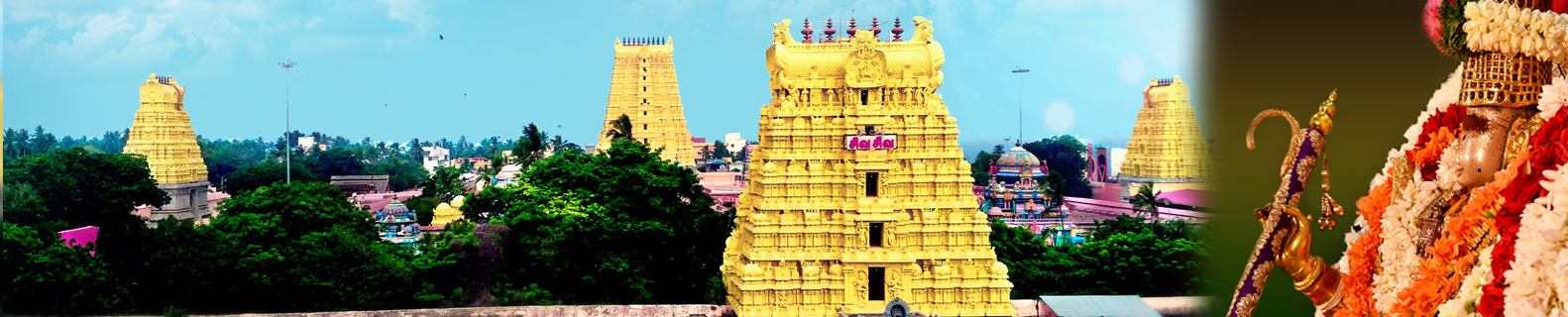
Rameshwar Mandir Complex
The Arulmigu Ramanathaswamy Temple in Rameswaram, Tamil Nadu, is an ancient shrine where Lord Rama is believed to have worshipped a Shiva lingam to atone for the sin of killing…
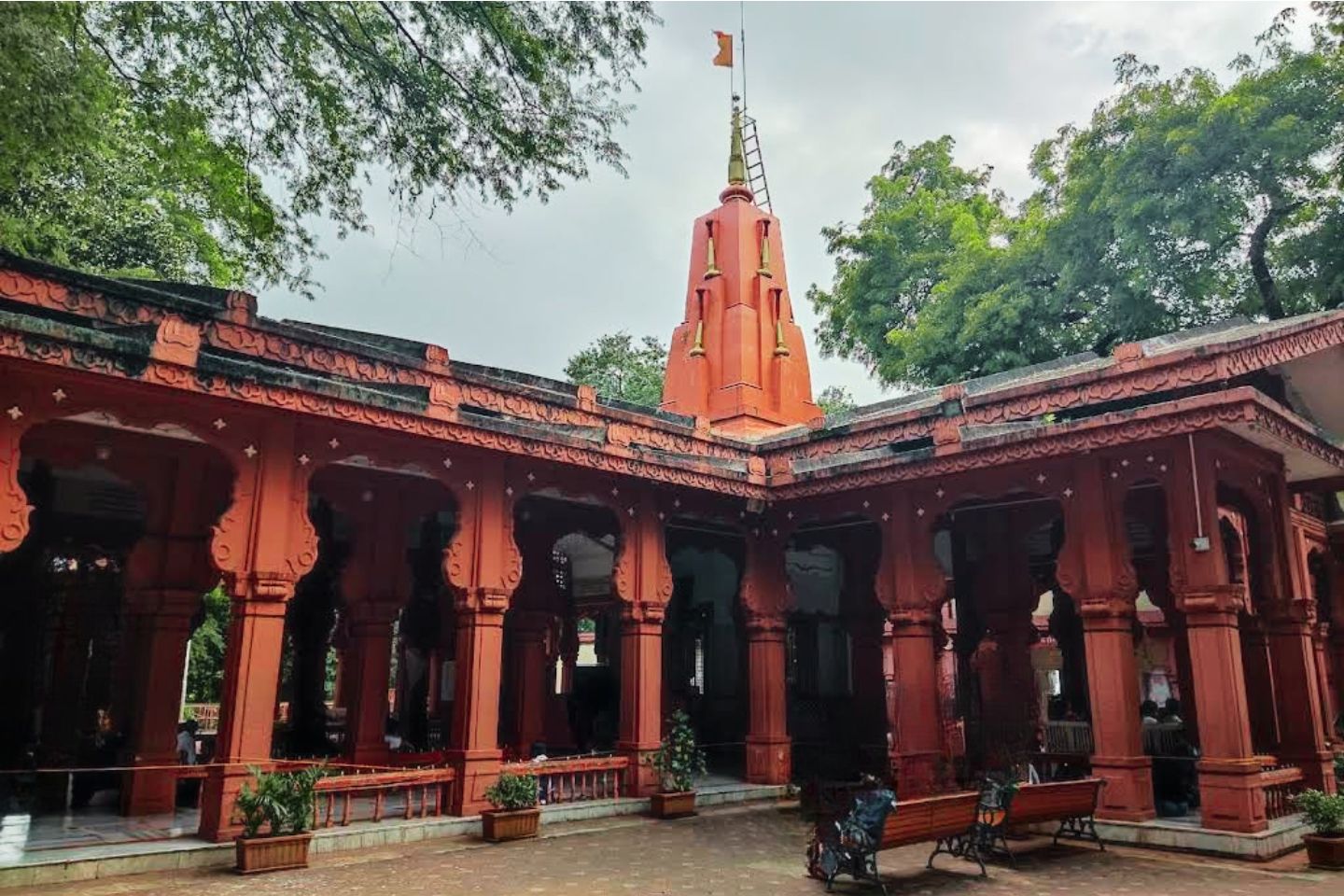
Sarasbaug Temple
Sarasbaug Ganpati Temple, established in 1784 on an island within a historic garden lake in Pune, houses the revered idol of Siddhivinayak and attracts thousands of devotees daily.
Amruteshwar - Siddheshwar Temple Complex
An ancient temple complex in Pune's Shaniwar Peth housing multiple shrines including two Shiva temples—one from the Peshwa era and another approximately 800 years old—along with…
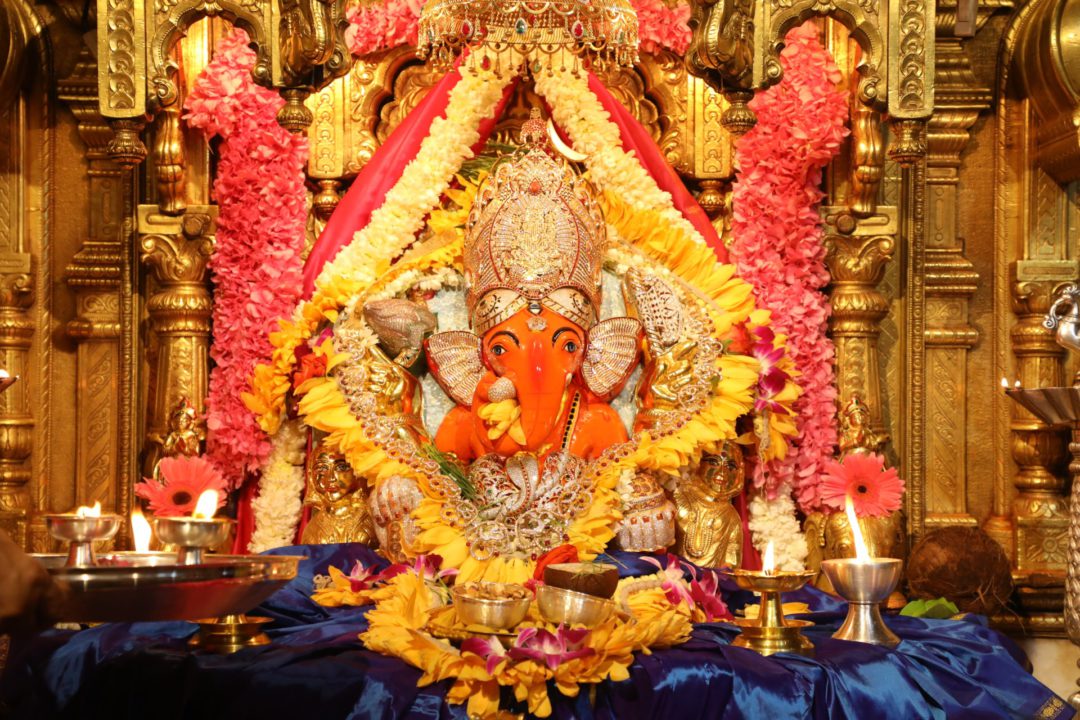
Siddhivinayak Ganapati Mandir
The Shri Siddhivinayak Ganapati Mandir in Mumbai's Prabhadevi neighbourhood is one of the city's most revered Hindu temples, established in 1801 and dedicated to Lord Ganesha.