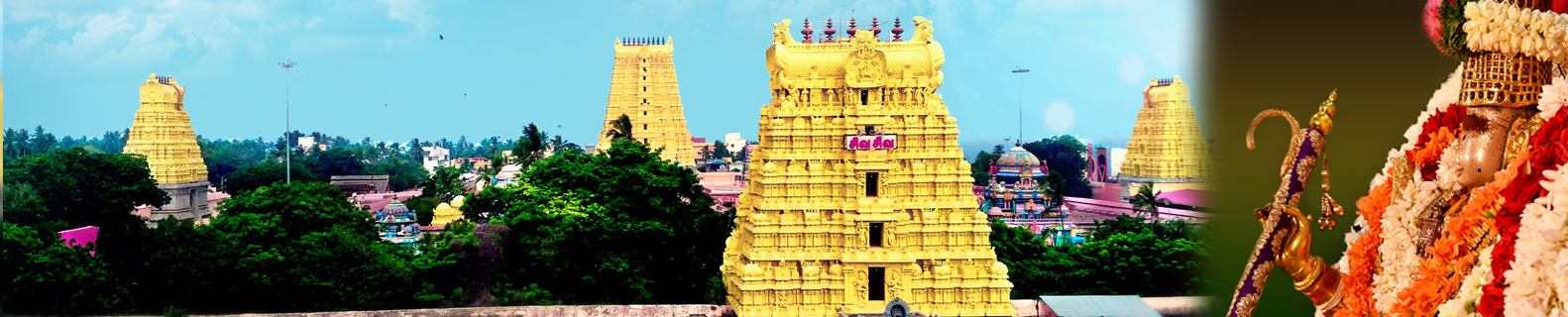
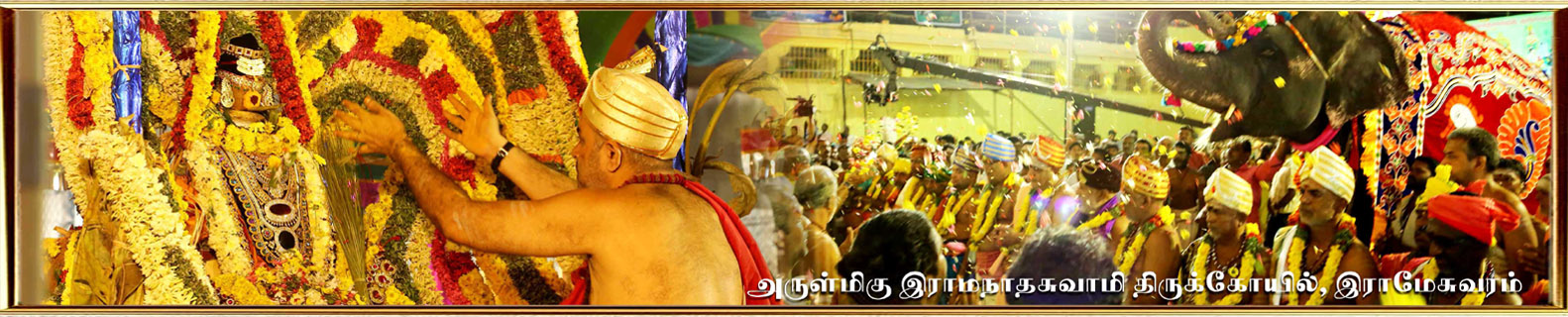
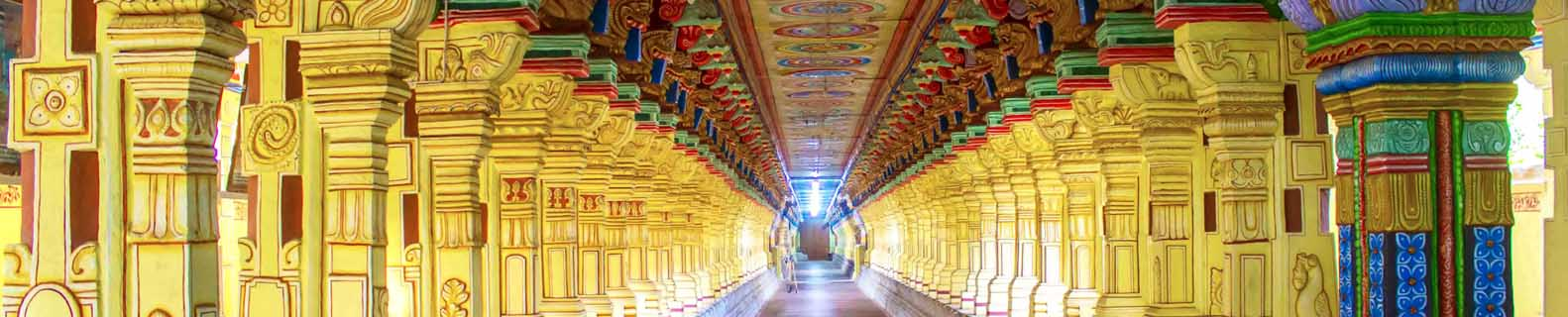
Rameshwar Mandir Complex
About Rameshwar Mandir Complex
The temple's foundational narrative centers on an act of divine urgency. When Rama determined to perform worship, he fixed an auspicious time for the installation of the Shivalinga and dispatched Anjaneya (Hanuman) to Mount Kailas to retrieve a sacred lingam. Fearing the appointed hour would pass before Anjaneya's return, Sita fashioned a lingam from sand and the worship proceeded. When Anjaneya finally arrived bearing the lingam from Kailas, he discovered the ceremony already complete. In his fury at this apparent slight, he attempted repeatedly to remove the sand lingam but found it immovable—a sign of its sanctity and the power of Sita's devotion. This lingam, known as the Spatika Lingam, remains the object of special veneration and the focus of the temple's most significant daily darshan.
The temple's historical significance extends back into antiquity, though precise dates of construction and major renovations are not detailed in available sources. What is clear is that the shrine has maintained its role as a major pilgrimage destination across centuries.
Daily Worship and Darshan Timings
The temple operates on a structured daily schedule designed to accommodate the flow of pilgrims. The gates open at 4:00 AM, with devotees admitted from 5:00 AM onward. The most auspicious time to visit is between 5:00 and 6:00 AM, when the Spatika Lingam darshan takes place—this is the period when many pilgrims prioritize their visit to witness the primary object of worship. The main shrine (moolasthana) remains open for darshan from 6:00 AM until 1:00 PM, after which the temple closes for several hours. Afternoon worship resumes at 3:00 PM, with devotees admitted from 3:15 PM until 8:00 PM. The temple closes entirely by 9:00 PM.
Within the temple complex lie twenty-two sacred wells (theerthams), or ritual bathing tanks. Pilgrims may bathe in these waters from 5:30 AM to 12:30 PM and again from 3:00 PM to 7:00 PM. These ritual ablutions form an important part of the pilgrimage experience, as bathing in sacred waters is a central practice in Hindu temple worship.
Planning Your Visit
Weekdays offer a more manageable experience than weekends and festival days, when queues can extend significantly. The period from 1:00 to 3:00 PM should be avoided, as the temple is closed during these hours. Early morning visits—particularly between 5:00 and 6:00 AM—provide both the most spiritually significant darshan time and the shortest wait.
The temple is located in Rameswaram, Ramanathapuram District, Tamil Nadu, at coordinates 18.513379731954, 73.856999664749. Visitors should dress modestly, as is customary at Hindu temples; many pilgrims wear traditional dress or simple, respectful clothing. Shoes are typically removed before entering the inner sanctum. Photography policies vary by area within the temple; it is wise to observe signage and the practice of other devotees before taking photographs.
The Sacred Wells and Ritual Practice
The twenty-two theerthams distributed throughout the temple complex represent an integral feature of worship at Rameswaram. In Hindu practice, sacred waters are believed to carry spiritual potency, and bathing in them is understood as a form of purification and blessing. The designated bathing hours—morning and afternoon—allow pilgrims to incorporate this practice into their visit. The availability of these wells within the temple grounds means that ritual bathing can be performed as part of the darshan experience, rather than requiring travel to external locations.
How to reach
Temples near Rameshwar Mandir Complex

Shani Temple and Paar
Shri Shaneshwar Devasthan in Shanishingnapur, Maharashtra, is a renowned shrine dedicated to Lord Shani, attracting devotees from across India and beyond with its legendary mira…
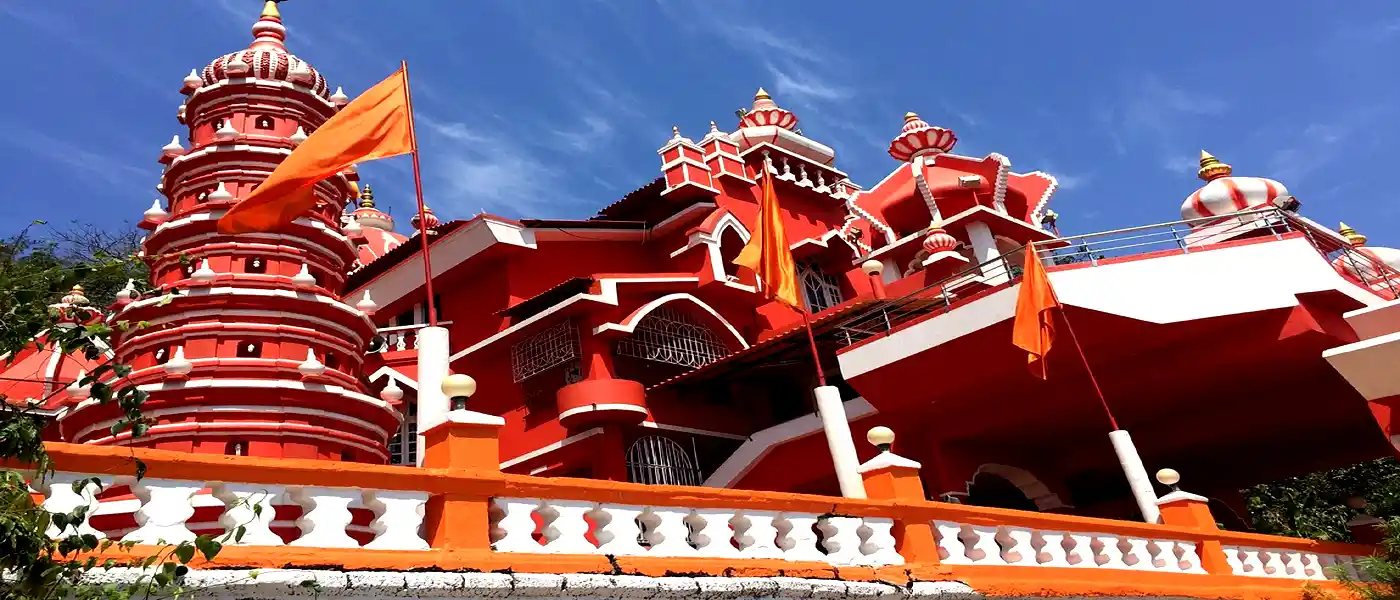
Maruti Temple and Chinchechi Talim
Maruti Temple in Panaji, Goa is a hilltop Hindu shrine dedicated to Lord Hanuman, offering panoramic city views and serving as a spiritual landmark for devotees and visitors.
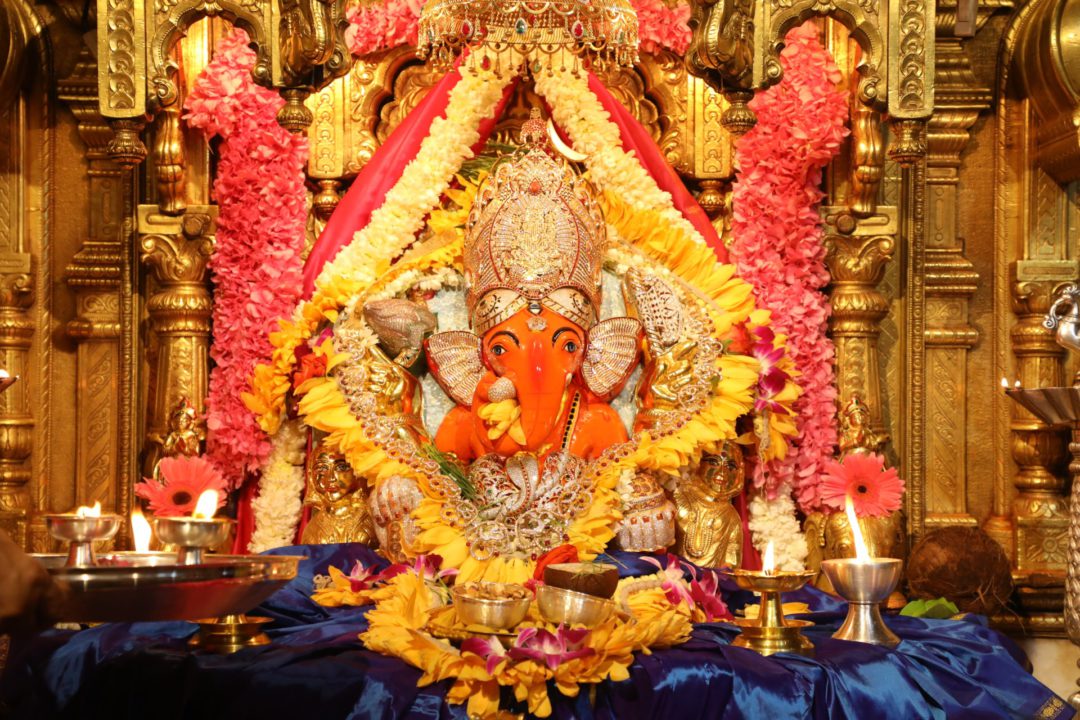
Siddhivinayak Ganapati Mandir
The Shri Siddhivinayak Ganapati Mandir in Mumbai's Prabhadevi neighbourhood is one of the city's most revered Hindu temples, established in 1801 and dedicated to Lord Ganesha.
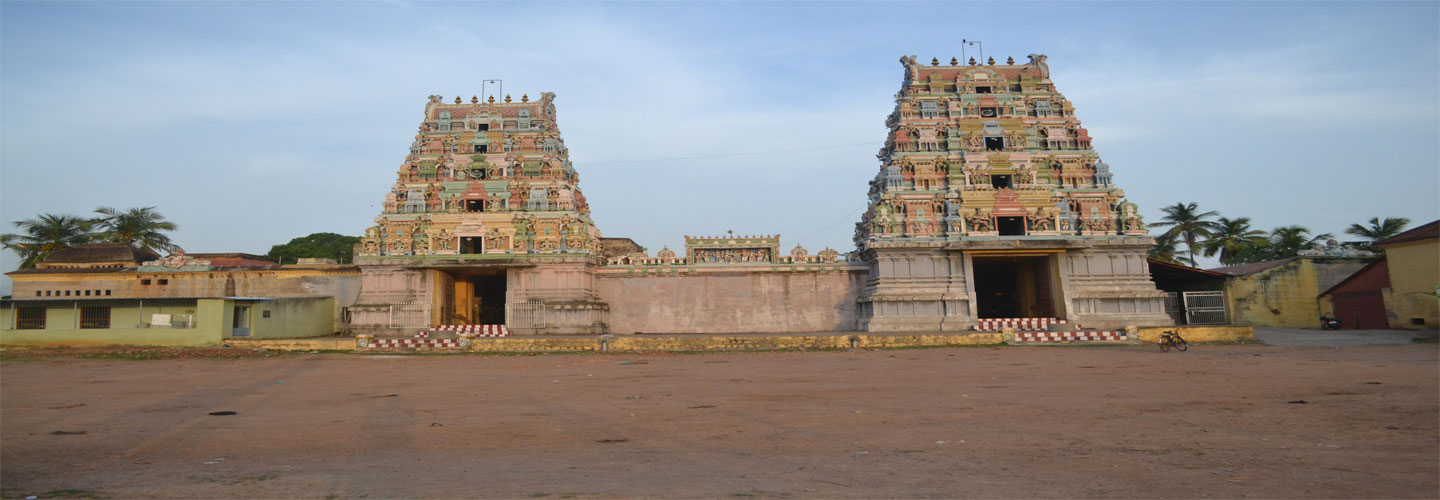
Narsimha Laxmi Mandir
Sri Lakshmi Narasimha Swamy Temple in Nira Narsingpur, Maharashtra, is an ancient shrine dedicated to Lord Narasimha, the fierce avatar of Vishnu, with roots tracing to the Vija…

Amruteshwar - Siddheshwar Temple Complex
An ancient temple complex in Pune's Shaniwar Peth housing multiple shrines including two Shiva temples—one from the Peshwa era and another approximately 800 years old—along with…
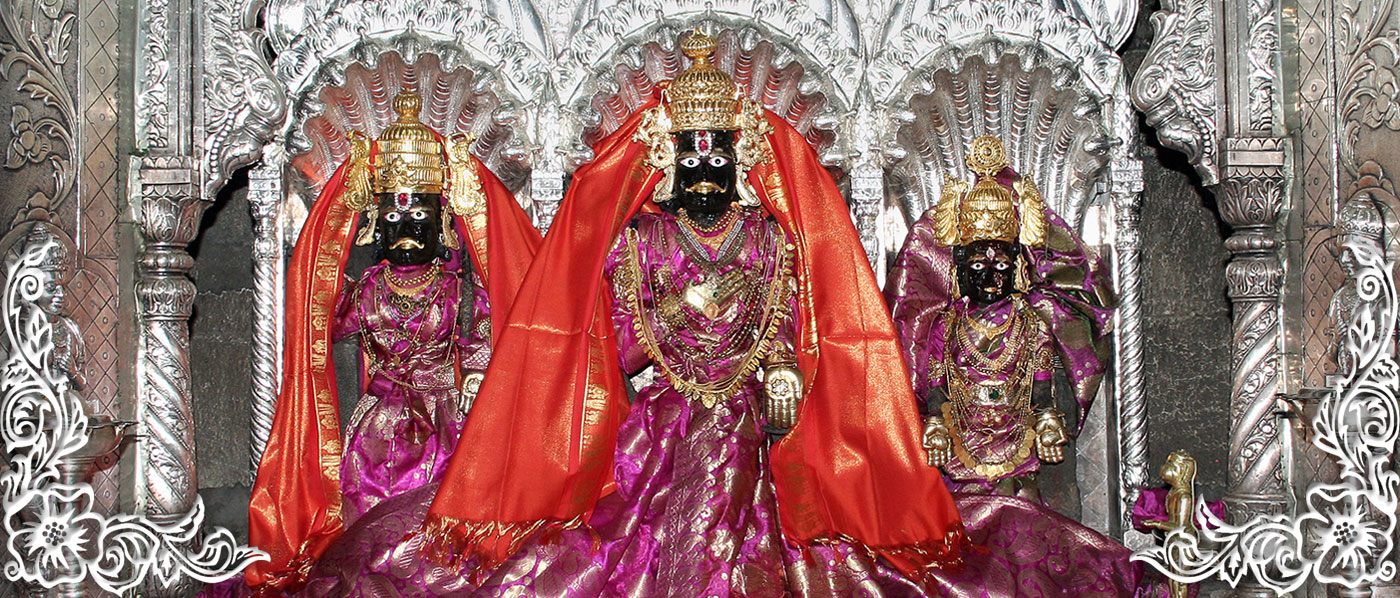
Kala Ram Mandir Complex
Kala Ram Mandir in Nashik's Panchavati is a revered shrine housing black basalt idols of Lord Rama, Sita, and Lakshmana, believed to mark the sacred site where these deities res…