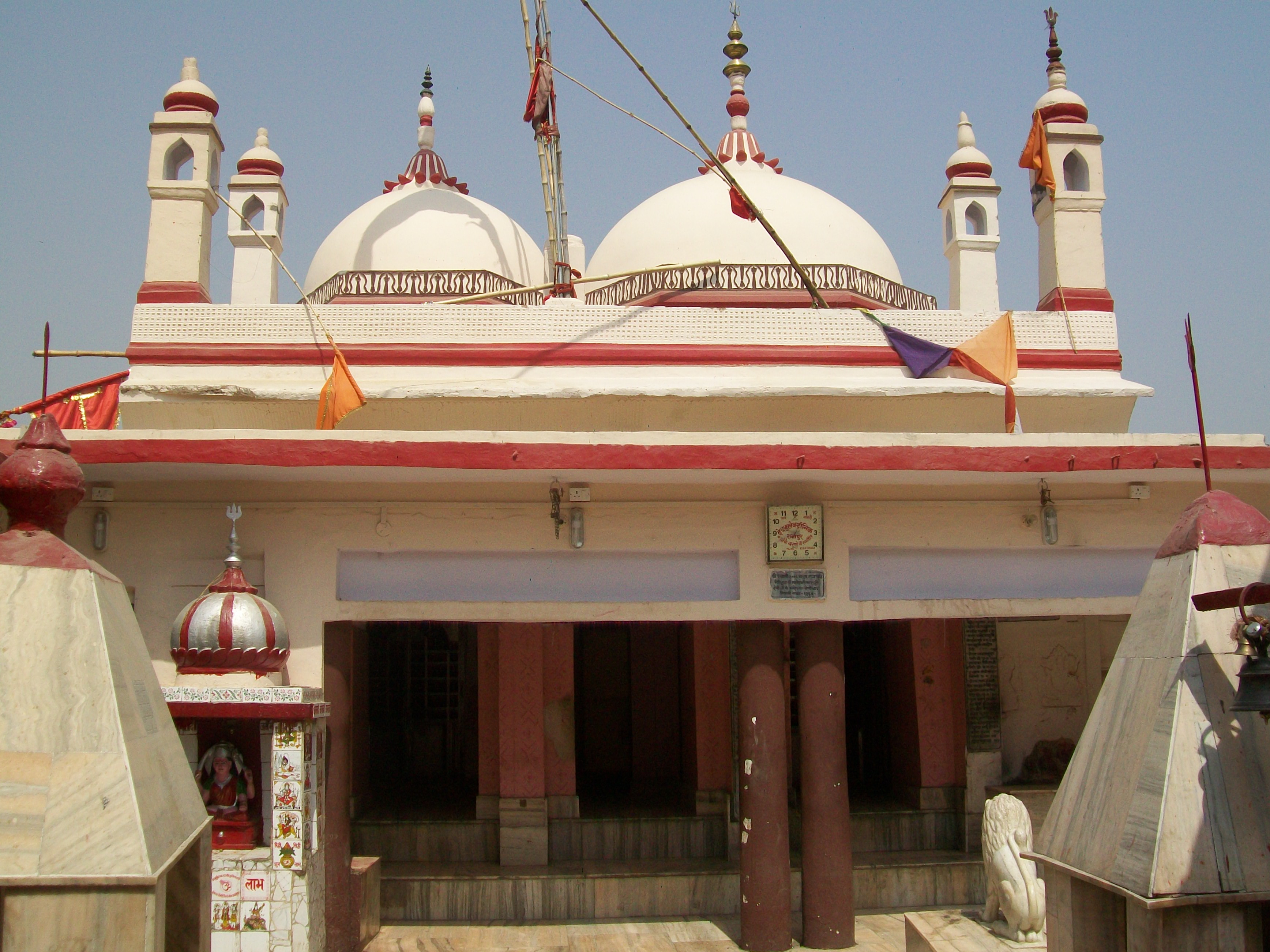
Chauharjan Devi Temple
About Chauharjan Devi Temple
The temple is situated in Chauharjan Parasrampur village within Pratapgarh district. The coordinates are 25.835555555556 North latitude and 82.061666666667 East longitude, which places it in eastern Uttar Pradesh. Visitors planning a journey should note that specific transport details—whether by road from nearby towns, rail connections, or local bus services—are not documented in available sources. It is advisable to contact local authorities or residents of Pratapgarh district for current travel routes and accessibility information before planning your visit.
Festivals and Sacred Occasions
The temple observes major festivals in the Hindu calendar that are typically celebrated at Devi temples across India. These include Navratri (the nine-night festival honouring the goddess), Durga Ashtami, Dussehra, Diwali, and Chhath Puja—a festival with particular significance in the Ganges valley region. Makar Sankranti, Vasant Panchami, Maha Shivaratri, and Holi are also observed. The exact dates of these festivals follow the lunar calendar and vary from year to year; devotees should consult the Hindu panchang (calendar) for precise timings in any given year.
Navratri, in particular, is a season when Devi temples across northern India see increased worship and community participation. The festival celebrates the goddess in her various forms and typically involves special prayers, offerings, and gatherings of devotees.
Visiting the Temple
Specific information about daily darshan timings, opening hours, and current facilities at the temple is not available in verified sources. Before visiting, it is recommended to contact the temple directly or seek information from local residents in Pratapgarh to confirm current visiting hours and any particular customs observed there.
As with most Hindu temples, visitors should dress modestly and respectfully. Shoes are typically removed before entering the inner sanctum. Photography policies vary by temple; it is courteous to ask permission before taking photographs. Menstruating women are traditionally not permitted entry to the inner sanctum in many Hindu temples, though practices vary; visitors uncertain about local custom should inquire respectfully upon arrival.
The River Sai and the Temple Setting
The temple's location on the banks of the river Sai connects it to one of the sacred waterways of the region. Rivers hold deep spiritual significance in Hindu practice, and temples situated on riverbanks often serve as places where devotees perform ritual bathing and water-based offerings. The Sai, flowing through eastern Uttar Pradesh, has been a part of the region's religious and cultural life for centuries.
Practical Information for Devotees
Contact details and verified temple timings are not currently documented. Visitors should plan to gather this information locally or through community networks in Pratapgarh before travelling. The temple does not appear to have an established online booking or information system at present, though this may change.
Those wishing to perform special pujas or seek priestly services should inquire upon arrival or through local temple contacts. Offerings of flowers, incense, and prasad (blessed food) are customary at Devi temples, and these are typically available at or near the temple site.
How to reach
Temples near Chauharjan Devi Temple
Chandikan Devi Temple
Chandikan Devi Temple is a Hindu shrine dedicated to Goddess Kali located in Sandwa village, Pratapgarh District, Uttar Pradesh, approximately 24 km from Pratapgarh town.
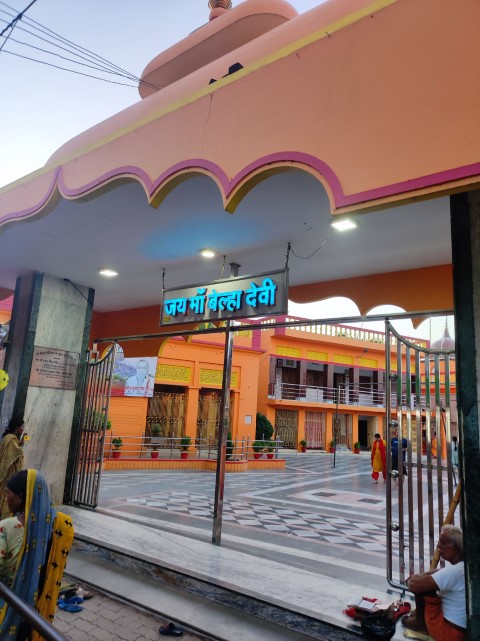
Belha Devi Temple
Belha Devi Temple is an ancient Hindu shrine in Bela Pratapgarh, Uttar Pradesh, dedicated to Goddess Belha, a local manifestation of Devi and the city's patron deity. The temple…
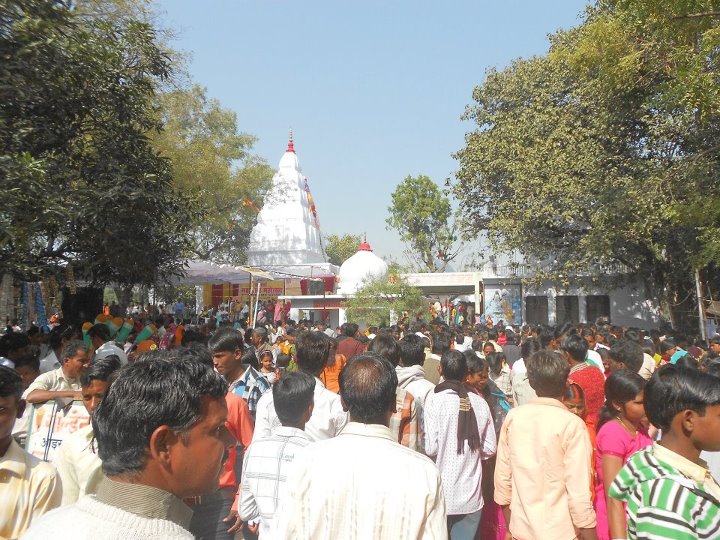
Bhayaharan Nath Mandir
Bhayaharan Nath Mandir is an ancient Shiva temple from the Mahabharata period located in Uttar Pradesh, revered for its spiritual significance and natural setting on the banks o…
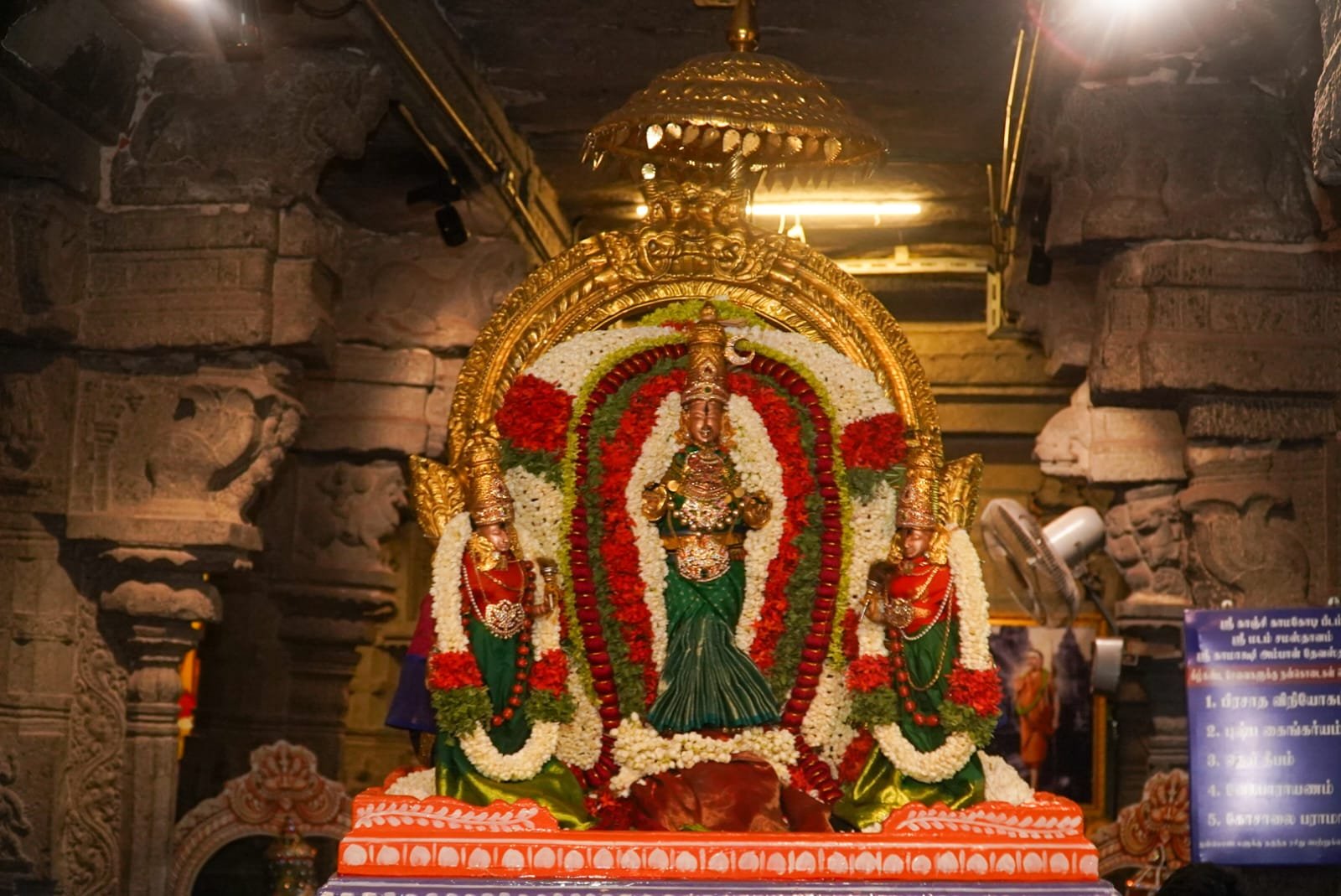
Kamakshi Devi Temple, Pratapgarh
Kamakshi Devi Temple in Pratapgarh is a Hindu shrine dedicated to the goddess Kamakshi, a manifestation of Shakti worshipped across South India.
Ghuisarnath Temple
Ghuisarnath Temple, also known as Ghushmeshwarnath Temple, is a Hindu shrine dedicated to Lord Shiva situated on the banks of the Sai River in Pratapgarh, Uttar Pradesh. The tem…
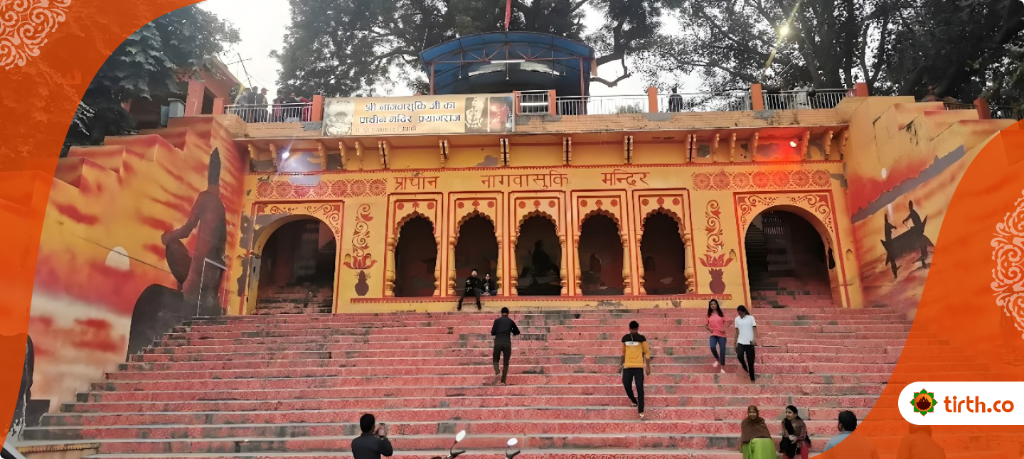
Nagvasuki Temple
Nagvasuki Temple in Prayagraj is dedicated to Vasuki, the serpent king of Hindu mythology, and sits on the banks of the Ganga River in the sacred Daraganj area.