Nachna Hindu temples
About Nachna Hindu temples
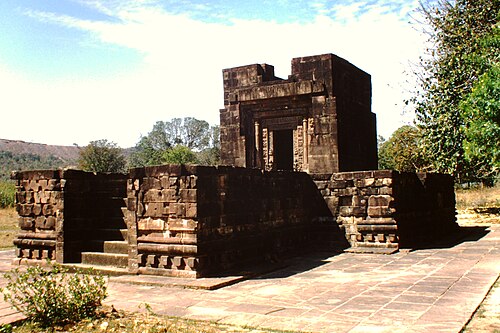
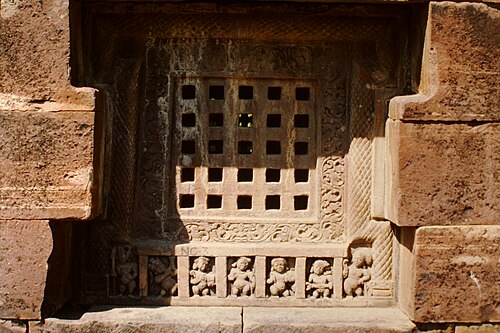
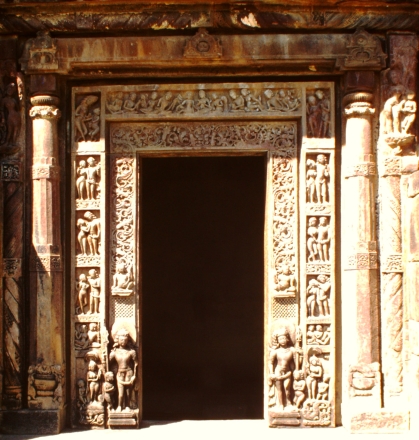
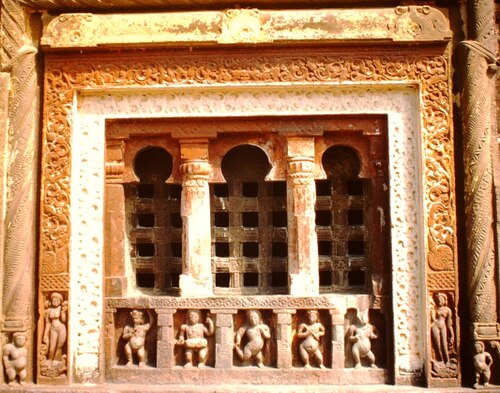
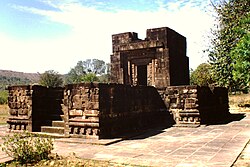
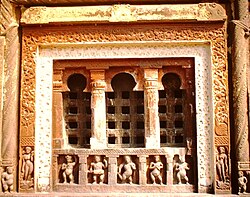
The older of the two main structures, the Parvati Temple, dates to the 5th or 6th century and exemplifies the early Nagara architectural tradition. Its construction in stone rather than wood marks a significant transition in Indian religious architecture, suggesting both the resources available to its patrons and their commitment to creating a permanent sacred structure. The temple demonstrates the sculptural sophistication of its era through carved door reliefs at the sanctum entrance. A distinctive practical feature is the perforated stone window, which allowed light to reach the inner sanctum while preserving its sacred enclosure—a design choice reflecting both spiritual and functional considerations in temple planning.
The Chaumukhnath Temple and Shiva Worship
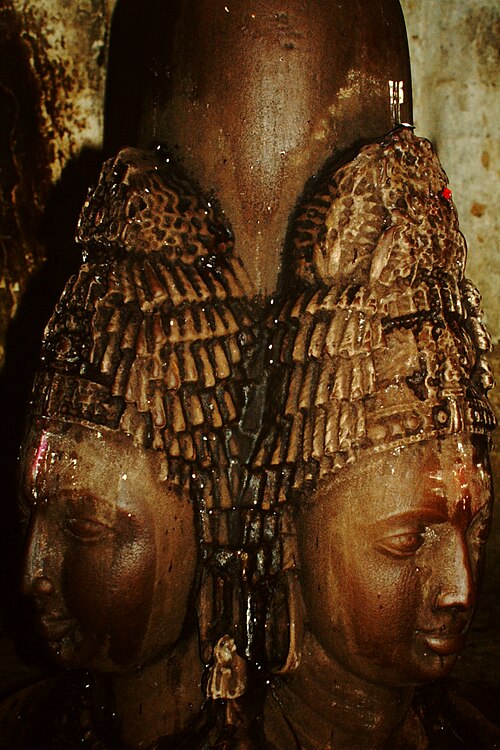
Dating to the 9th century, the Chaumukhnath Temple represents a later phase of construction at the site. Its name refers to its four-faced design, a distinctive architectural choice. The temple houses a lingam, the symbolic representation of Shiva, indicating this structure's dedication to Shiva worship. The refined stoneworking of the period is evident in the temple's stone trellis window. The presence of two major temples separated by several centuries shows that Nachna-Kuthara remained an active religious site across multiple periods, with each generation of devotees contributing to the sacred landscape.
Deities and Worship Traditions
The temples at Nachna-Kuthara are associated with multiple deities—Shiva, Parvati, Durga, and Vishnu—reflecting the inclusive nature of Hindu worship, where different aspects of the divine are honored within a single sacred precinct. The Parvati Temple's dedication reflects veneration of the goddess consort, while the lingam in the Chaumukhnath Temple indicates Shiva worship. Temples of this tradition typically maintain regular worship practices, though specific details about current daily rituals at Nachna-Kuthara are not documented in available sources. Visitors should inquire locally about worship timings and any restrictions on entry to inner sanctums.
Visiting the Temple: Practical Information
The temples are located in the Ganj area of Panna District at an elevation of 225 meters. Visitors should dress modestly when entering the temple premises, as is customary at Hindu sacred sites, and remove footwear before entering inner temple spaces. Because these are ancient structures of archaeological significance, visitors should move carefully and respectfully through the site. The temples' age means that some areas may have uneven surfaces or require careful navigation. Information about current facilities, guided tours, or specific visiting hours should be confirmed locally before travel, as these details are not specified in available sources.
Getting There
The temples are situated in Panna District in Madhya Pradesh, in central India. Visitors traveling to the site should plan their journey to the Ganj area of Panna District. The nearest major city and transportation hub should be confirmed through current travel resources, as specific transit details are not provided in available sources. Local inquiry upon arrival in Panna District will help direct visitors to the temple site. The coordinates are 24.3989°N, 80.4477°E for those using navigation tools.
How to reach

You may also visit
Sureshwari Devi Temple
Sureshwari Devi Temple in Haridwar is a forest shrine dedicated to the goddess, situated within the Ranipur Range area near Rajaji National Park, offering a secluded spiritual e…
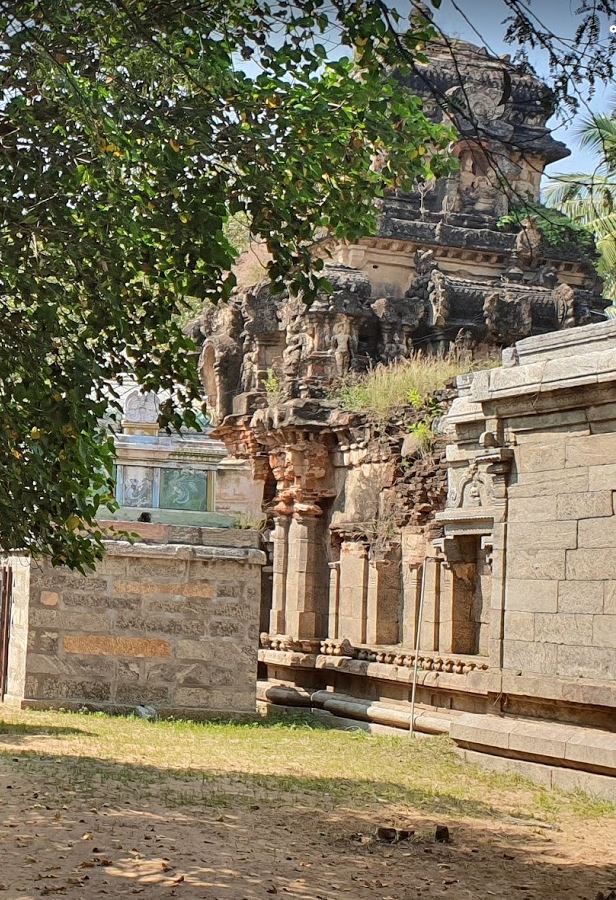
Agatheeswarar Temple, Karur
Agatheeswarar Temple in Thirumukkudalur, Karur district, is an ancient Hindu shrine dedicated to Shiva, situated at the sacred confluence of three rivers and believed to be over…

Shani Shingnapur
Shani Shingnapur is a renowned temple in Maharashtra dedicated to Lord Shani, featuring a self-emerged black stone idol worshipped under open sky. The temple is located in a uni…
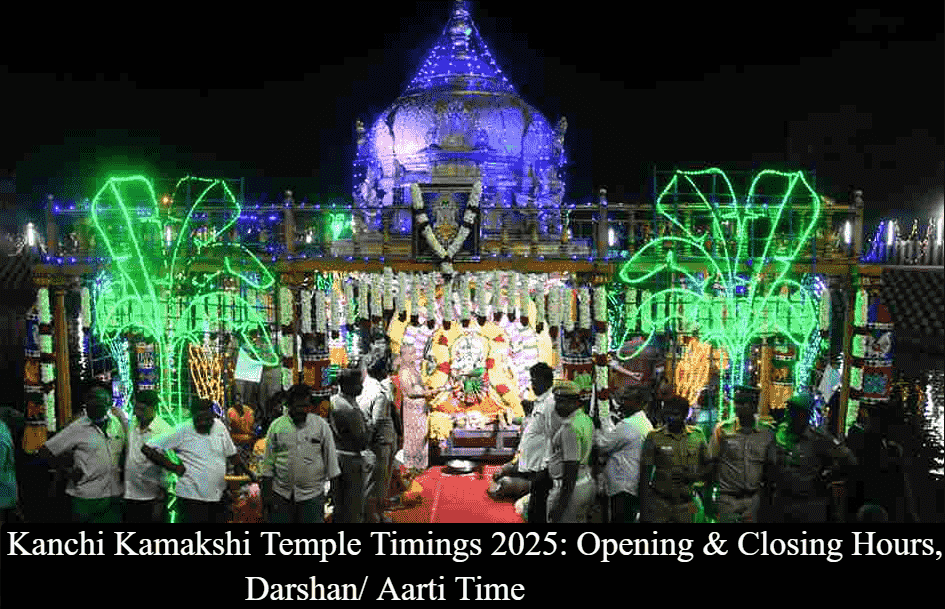
Kamaksha
Arulmigu Kamakshi Amman Temple in Mangadu, near Chennai, is dedicated to the goddess Kamakshi, an aspect of Adi Parashakti. According to legend, the goddess performed austeritie…
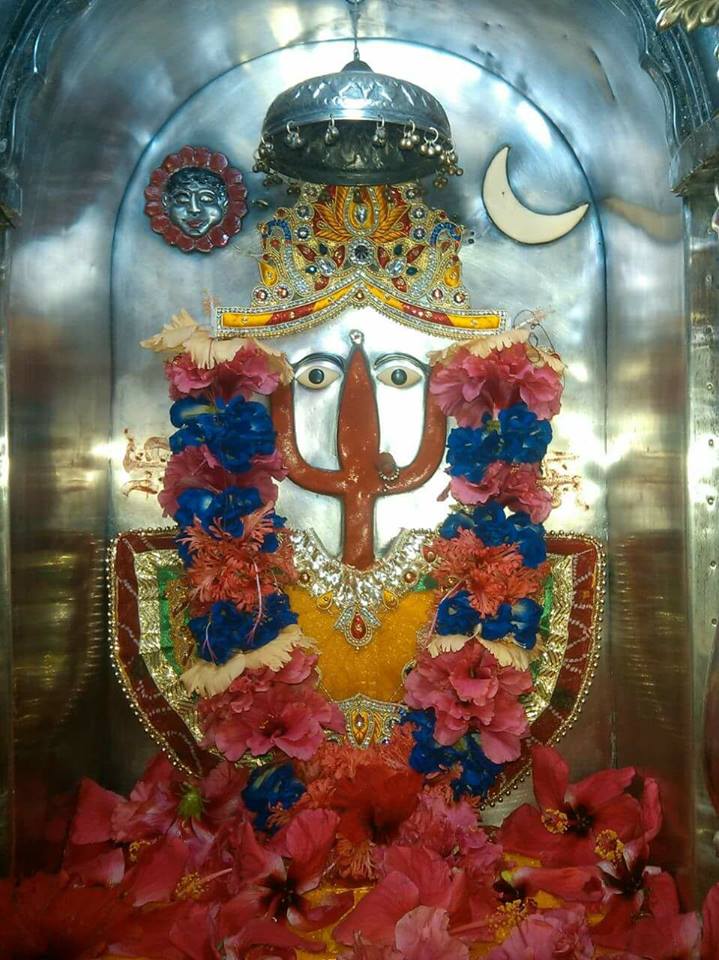
Guhaditya temple
Guhaditya temple in Dwarka is an ancient shrine dedicated to the sun deity, established over 150 years ago. Pilgrims enter through the Swarg Dwar (Gateway to Heaven) and exit vi…
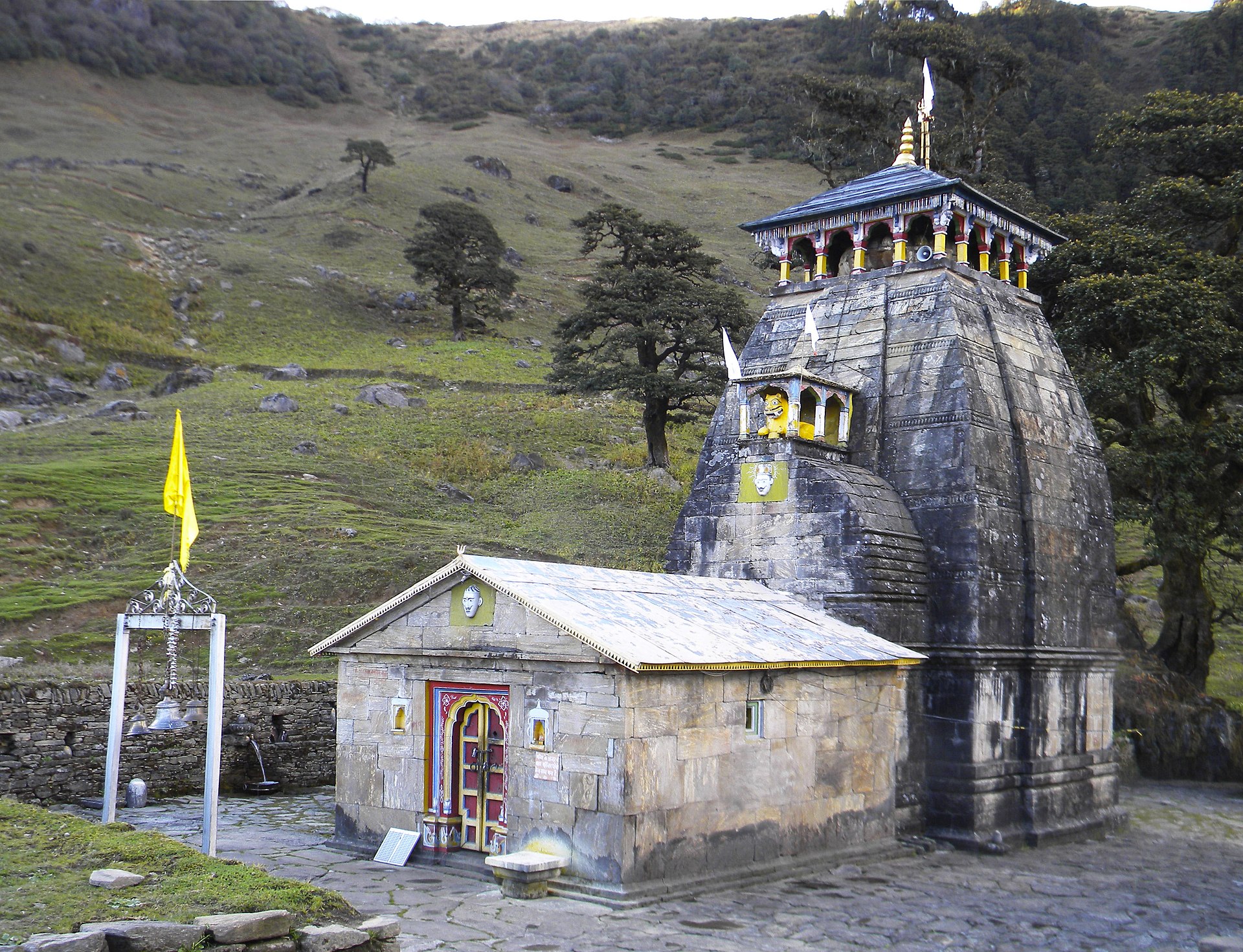
Madhyamaheshwar Temple
Madhyamaheshwar Temple is one of the five sacred Shiva shrines in the Panch Kedar pilgrimage circuit, located in the Garhwal Himalayas of Uttarakhand. Each temple in the circuit…