


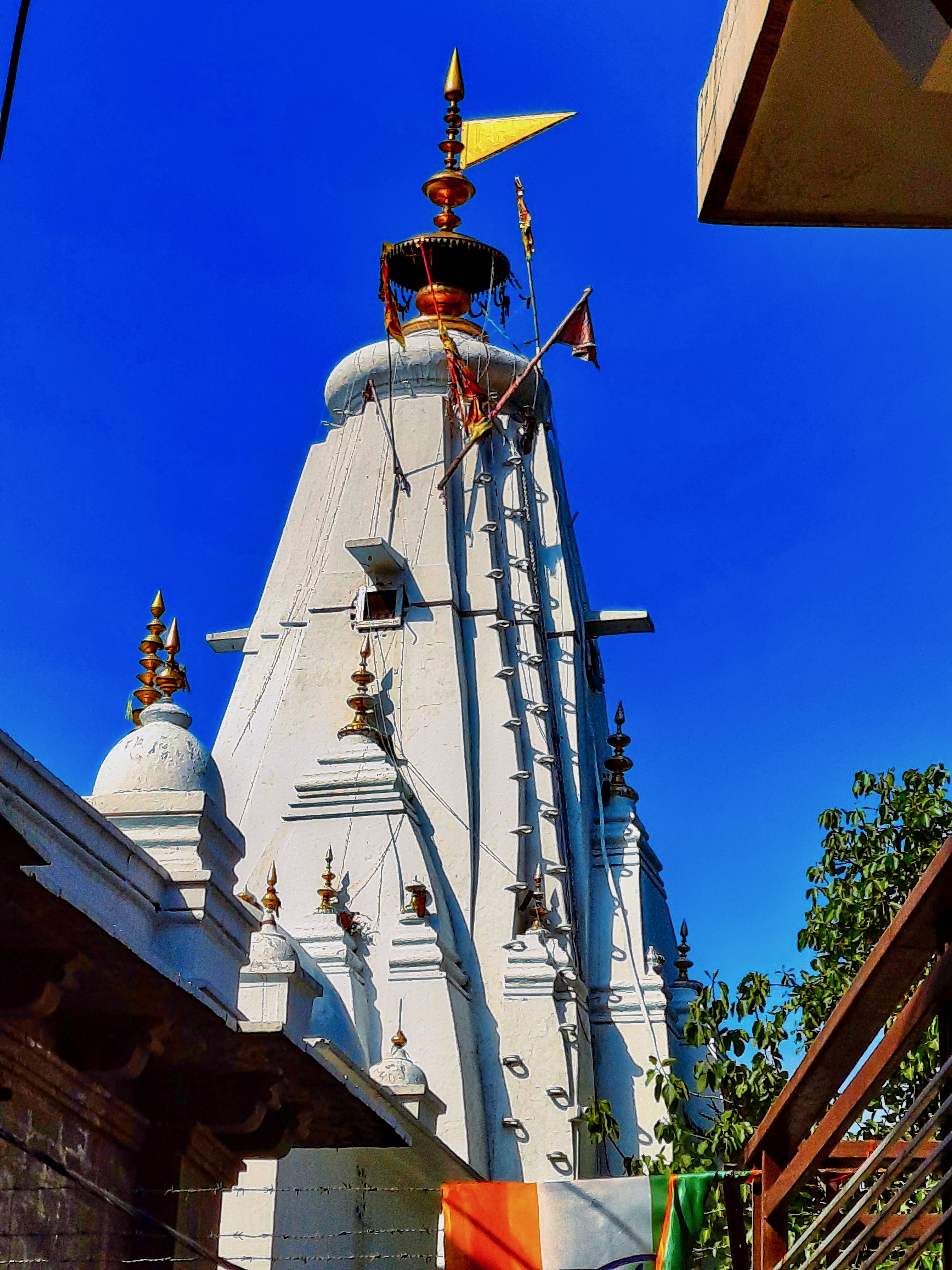
Mundeshwari Temple
About Mundeshwari Temple
The temple's day unfolds according to a rhythm of three principal aartis—ritual worship ceremonies that mark moments of heightened devotional intensity. The Shringar Aarti begins at 06:00, welcoming the dawn with offerings and prayers. The Manokamana or Madhyam Aarti follows at 11:30, drawing worshippers at midday. The Evening Aarti takes place at 18:30, concluding the day's formal worship cycle. Each ceremony invites both resident priests and visiting devotees to participate in the sacred offerings that form the heart of temple practice.
Darshan—the viewing and worship of the deity—is available daily from 06:00 to 19:00. The morning hours typically offer a quieter atmosphere for personal prayer and reflection, while the aarti times attract larger gatherings of worshippers. Visitors planning their visit should consider whether they wish to experience the temple in solitude or to participate in the communal energy of the ritual ceremonies.
Visiting Information and Etiquette
The temple is located at Ramgarh Village on the Mundeshwari Hills, accessible via GPS coordinates 24.9833958, 83.5646939. The best season to visit is October through March, when the climate is temperate and conducive to travel in Bihar.
Modest dress is customary and expected when entering the temple. Visitors should cover shoulders and knees as a sign of respect for the sacred space, regardless of their religious background. This practice reflects consideration for the devotional atmosphere maintained within the shrine. Photography within the temple may be subject to restrictions; it is courteous to ask permission before photographing the sanctum or during active worship ceremonies. As an ASI-protected monument, the temple operates under conservation guidelines designed to preserve its structure and sanctity.
The Kaimur Setting
The Mundeshwari Hills form part of the Kaimur plateau, a landscape that has held spiritual significance for centuries. The temple's location near the Son River, within the Bhojpuri cultural region, connects it to the broader religious and social fabric of Bihar. The elevated position of the shrine, combined with its natural surroundings, creates a setting that has drawn pilgrims and seekers across generations. The hills themselves contribute to the temple's character as a place of retreat and spiritual focus, removed from the bustle of urban centers yet accessible to devotees.
Historical Significance and Preservation
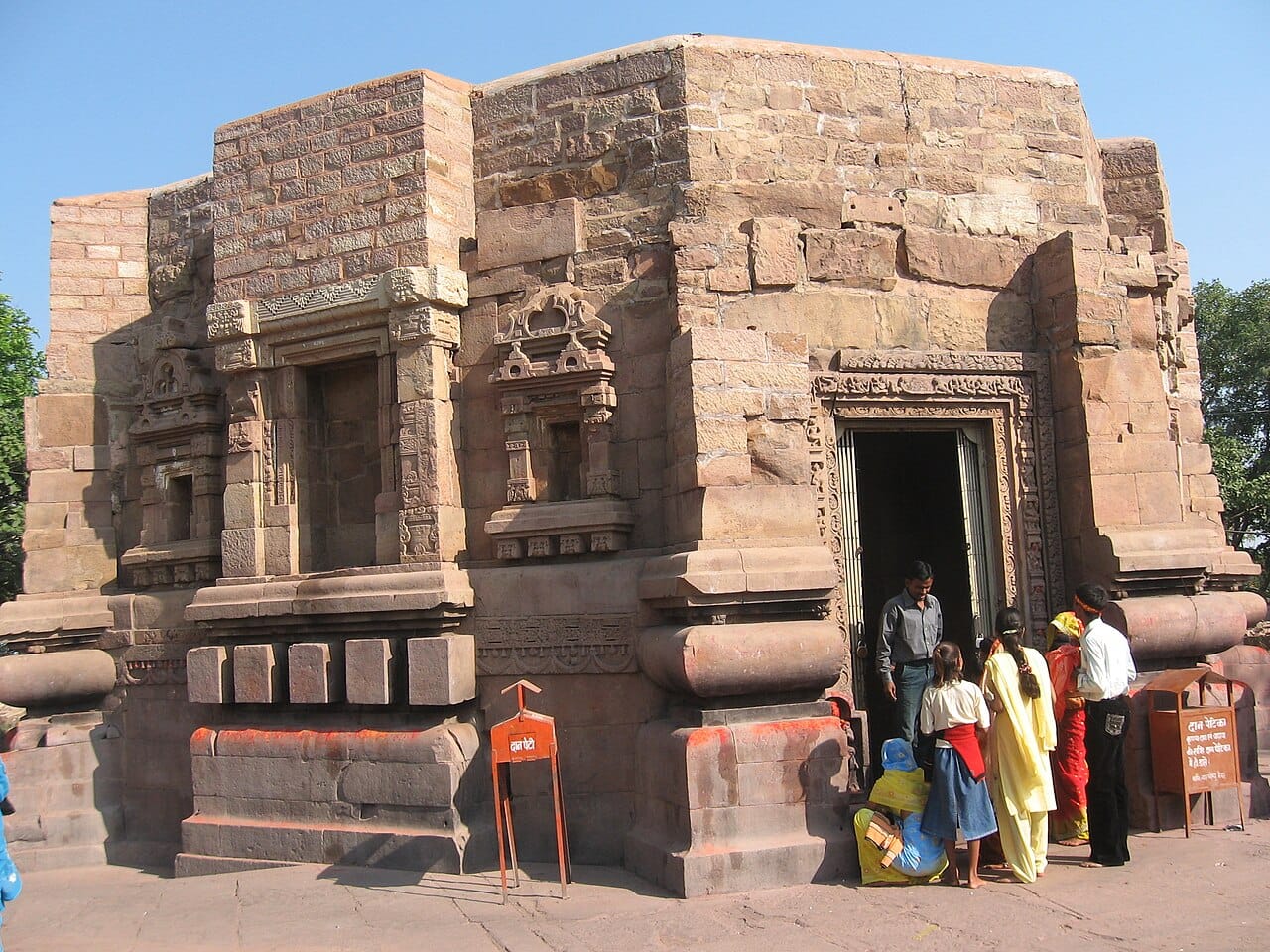
The dating of Mundeshwari Temple to 108 AD rests on an ASI inscription at the site, though scholarly discussion has noted alternative chronologies placing it in the Saka era or to 105 AD according to other historical records. Regardless of the precise date within this narrow range, the temple's antiquity is undisputed. Its designation as a protected monument since 1915 reflects recognition of its importance as a surviving example of early Hindu temple architecture and practice.
The temple's status as a functioning shrine—not merely a historical ruin—distinguishes it among India's ancient religious sites. Worship has continued at this location for nearly two millennia, making it a living link to the devotional traditions of the past. Ongoing restoration efforts aim to stabilize the structure while respecting its historical character and sacred function.
How to reach
Temples near Mundeshwari Temple
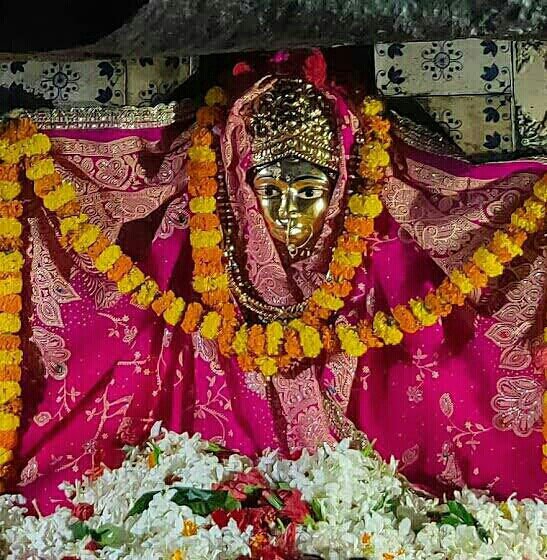
Maa Tara Chandi Temple
Maa Tara Chandi Temple in Sasaram, Bihar, is one of the 51 Shakta Pithas, dedicated to the goddess Tara, a manifestation of Shakti. According to tradition, the right eye of Sati…
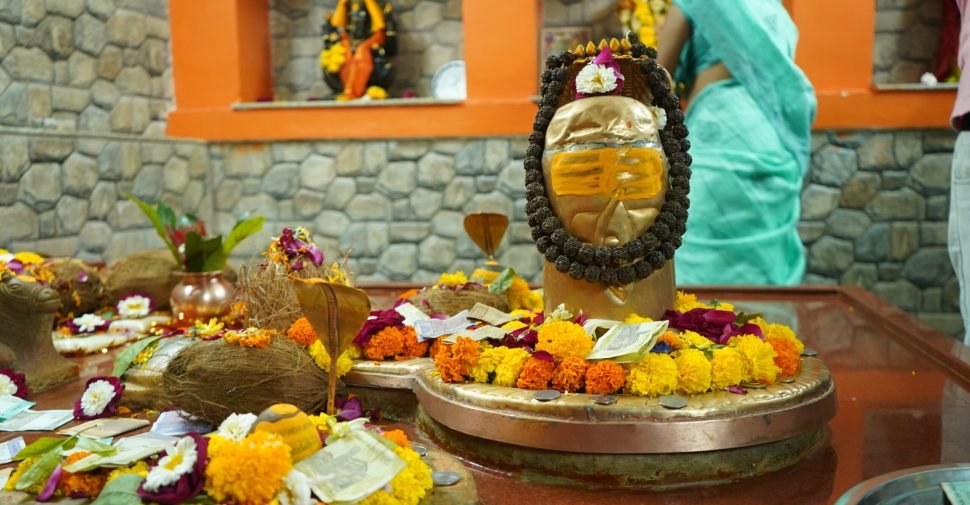
Bhandari Devi temple
Kuber Bhandari Karnali is a Hindu temple in Vadodara, Gujarat, dedicated to Lord Kuber, the deity of wealth, and features a blend of traditional and modern architectural styles…
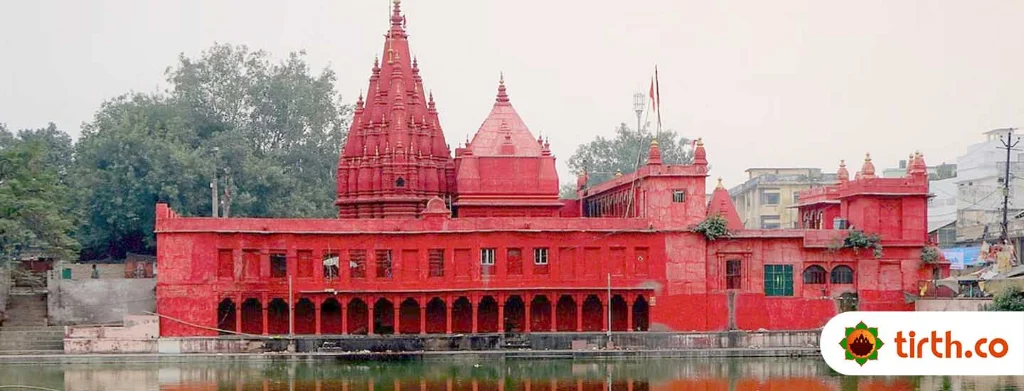
Durga Mandir
Durga Mandir in Varanasi's Ramnagar area is an 18th-century temple dedicated to the goddess Durga, renowned for its exquisite stone architecture and spiritual significance as a…
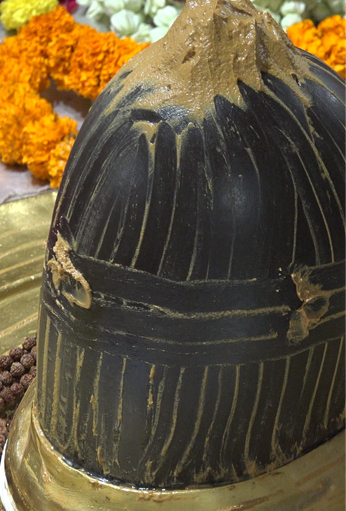
Saraswati Mandir
Saraswati Mandir in Varanasi, established in 1777, is a historic temple dedicated to the goddess of knowledge and wisdom. The temple maintains extended daily hours and conducts…
Adi Keshav Temple
Adi Keshav Temple in Varanasi is believed to be over 4000 years old and is dedicated to Lord Vishnu, marking the sacred confluence of the Ganga and Varuna rivers where Vishnu is…

Sankat Mochan Hanuman
Sankat Mochan Hanuman Temple, established by poet-saint Tulsidas in the early 16th century, sits on the banks of the Assi River in Varanasi and serves as a major spiritual cente…