
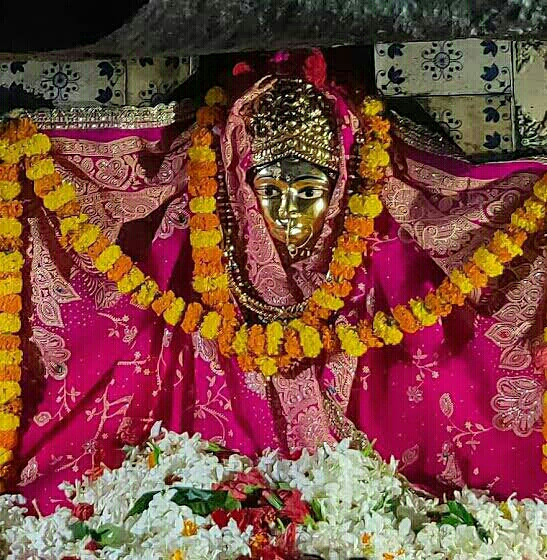

Maa Tara Chandi Temple
About Maa Tara Chandi Temple
The idol of Maa Tara within the sanctum displays four hands, each bearing symbolic implements. The right hands hold a knife and scissors, while the left hands carry a hood and a lotus. This iconography reflects the dual nature of the goddess—simultaneously fierce and protective, capable of both destruction and blessing. The knife and scissors represent her power to cut through ignorance and obstacles, while the lotus symbolises purity and spiritual awakening. Temples dedicated to Tara within the Shakta tradition typically emphasise her role as a liberator and protector, and this temple's imagery aligns with that broader understanding.
The temple is recognised as a centre of Tantric practice, a tradition within Hinduism that approaches the divine through ritual, meditation, and the veneration of Shakti in her various forms.
Daily Darshan and Rituals
The temple opens for darshan from 04:00 to 20:00 each day, accommodating both early morning visitors who seek a quieter atmosphere and those who prefer to visit in the evening. The primary ritual observed is the Sandhya Aarti, performed at 19:00. This evening rite marks the spiritual transition from day to night—a significant moment in Hindu practice when the goddess is honoured through the ritual lighting and offering of lamps.
Visitors should be aware that timings may vary on festival days. If you are planning to visit during a major celebration, it is advisable to contact the temple in advance to confirm the schedule and prepare accordingly.
Navratri and Festival Observances
The temple draws its largest gatherings during Navratri, the nine-day festival celebrating the goddess in her various manifestations. Both Chaitra Navratri in spring and Sharadiya Navratri in autumn are observed with elaborate ceremonies, devotional songs (bhajans), and multiple aartis. During these periods, the temple receives special decoration, and devotees travel from Bihar, Uttar Pradesh, Jharkhand, and neighbouring states to participate in the celebrations.
Beyond Navratri, the temple also marks other significant festivals including Karwa Chauth, Raksha Bandhan, and Ugadi, though Navratri remains the most important observance in the temple's calendar. If your visit coincides with either Navratri season, expect larger crowds and more elaborate festivities, though this also means ceremonies will be conducted with special care and the temple will be beautifully decorated.
Planning Your Visit
The most comfortable season for pilgrimage is October through March, when Bihar's climate is cooler and more suitable for travel. Outside these months, the heat and humidity can be challenging for visitors.
When entering the temple sanctum, modest dress is appropriate, as is customary at Hindu places of worship. Devotees typically bring offerings of flowers, incense, or sweets, though the temple may have specific guidelines for seva (service) and donations that are best confirmed in advance by contacting the temple directly. The temple's facilities are not detailed in available sources, so visitors should come prepared with their own provisions if needed.
Reaching the Temple
Maa Tara Chandi Temple is located on the Delhi-Kolkata Highway in Sasaram, Rohtas District, Bihar. Its position on this major route makes road access the most practical option for reaching the site. The coordinates 24.95°N, 84.03°E can be entered into a GPS device or mapping application to locate the temple precisely.
Those arriving in Sasaram by train or bus will need to arrange local transport—an auto-rickshaw or taxi—to reach the highway location. Confirm travel details and current road conditions before departing, particularly if visiting during festival periods when roads may experience heavier traffic.
How to reach
Temples near Maa Tara Chandi Temple

Mundeshwari Temple
The Mundeshwari Devi Temple, located on the Mundeshwari Hills in Kaimur district, Bihar, is one of India's oldest functioning Hindu temples, dedicated to Lord Shiva and Shakti a…
Gajana Dham
Gajanan Dham, officially known as Shri Gajanan Maharaj Sansthan, is a major Hindu pilgrimage temple serving devotees across Bihar, Jharkhand, and Maharashtra with spiritual acco…
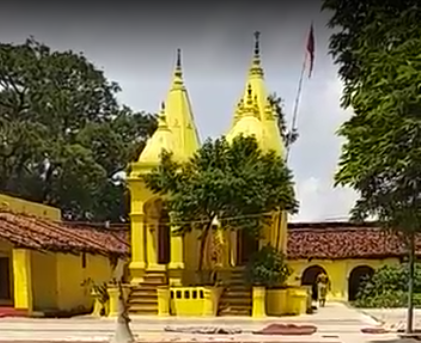
Patalganga Math
Patalganga Math is a Hindu monastery and pilgrimage site, also known as Patalganga Dham, serving as a sacred spiritual center for devotees.

Deo Surya Mandir
Deo Surya Mandir is a sacred Hindu temple in Bihar dedicated to Surya, the sun god, uniquely oriented westward to face the setting sun rather than the rising sun. It serves as a…
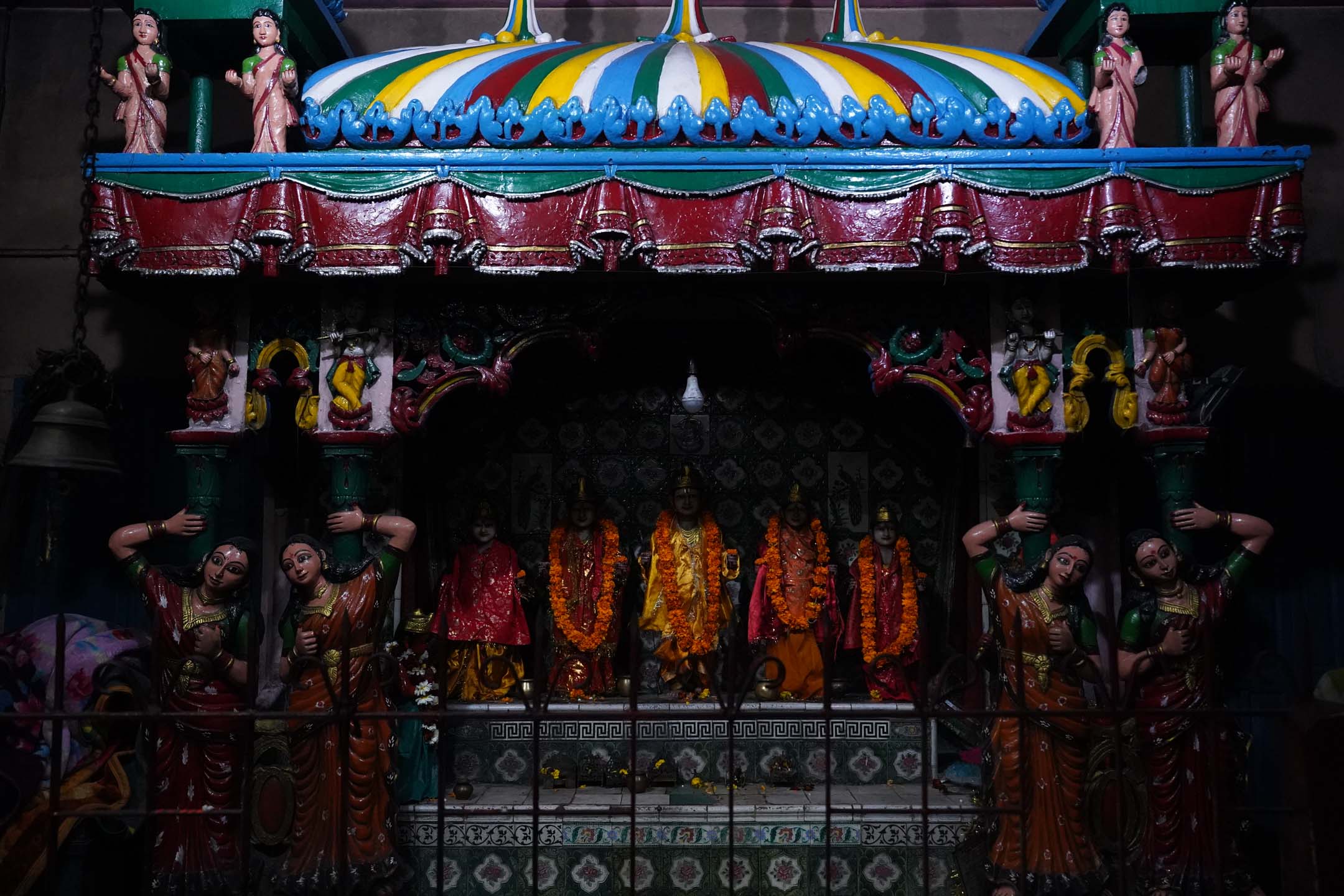
Aranya Devi Temple, Arrah
Aranya Devi Temple in Arrah is dedicated to Goddess Aranya, the presiding deity of forests and the city itself, whose name derives from the goddess. The temple draws thousands o…
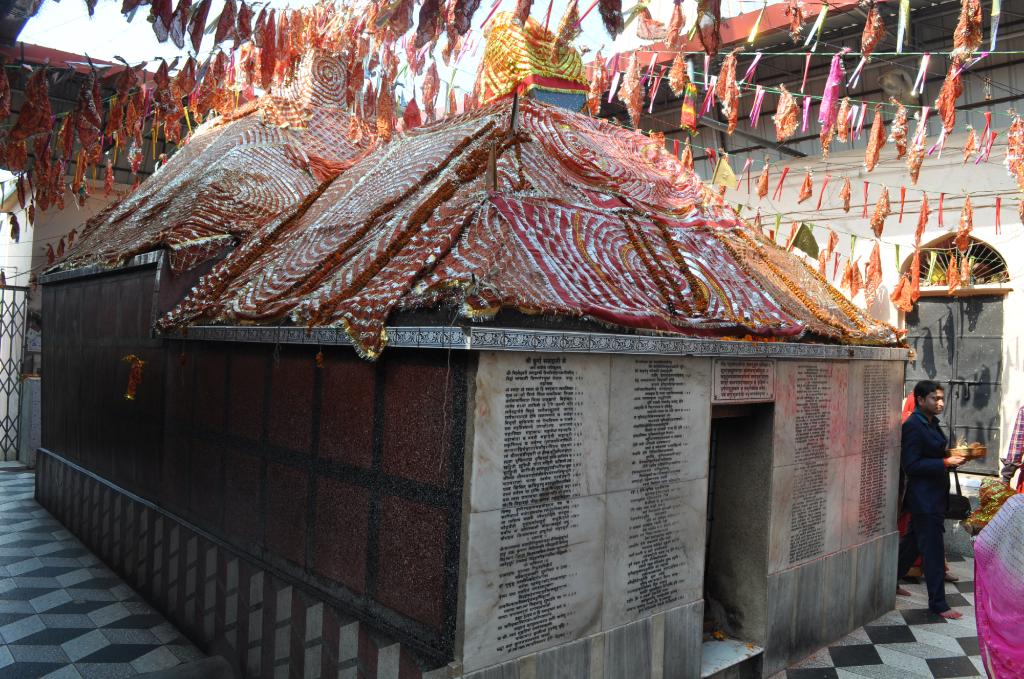
Mangla Gauri Temple
Mangla Gauri Temple is a Shakta Pitha in Gaya, Bihar, dedicated to the goddess Sati. Among the eighteen Maha Shakta Peethas, this hilltop shrine dates to the 15th century and re…