Muleshwar Mahadev temple
About Muleshwar Mahadev temple
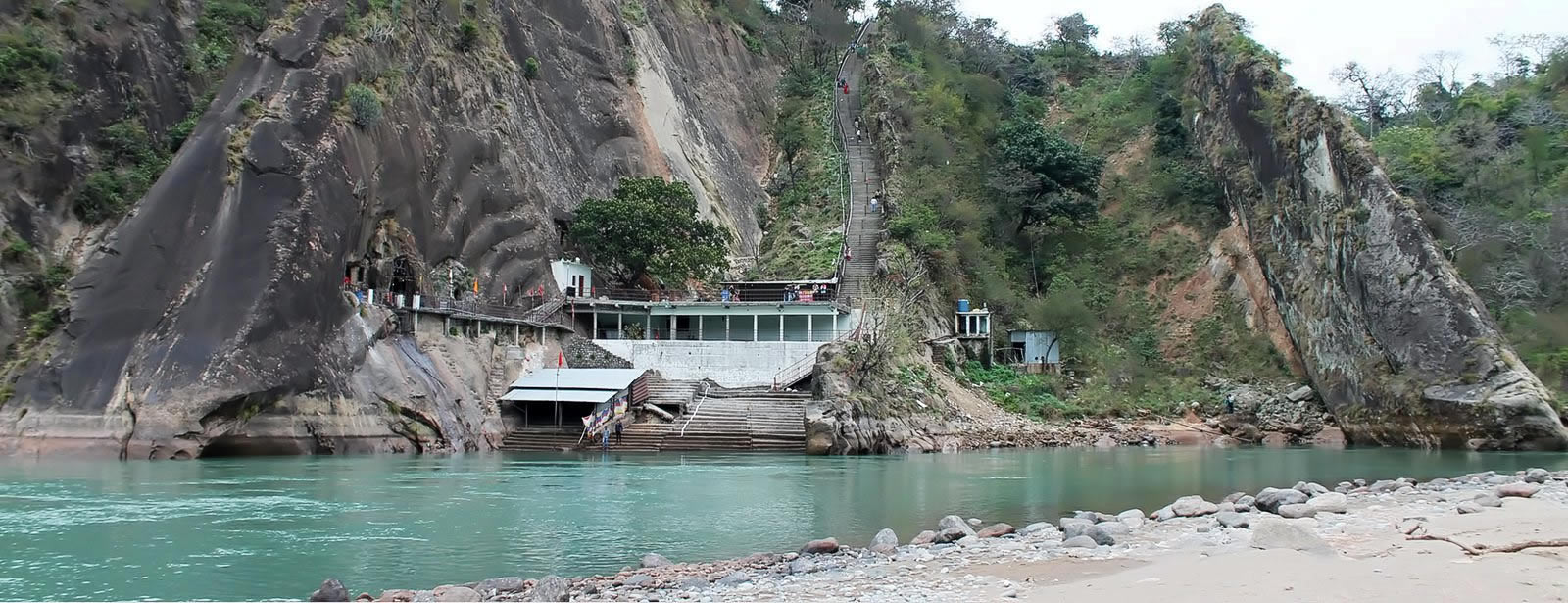
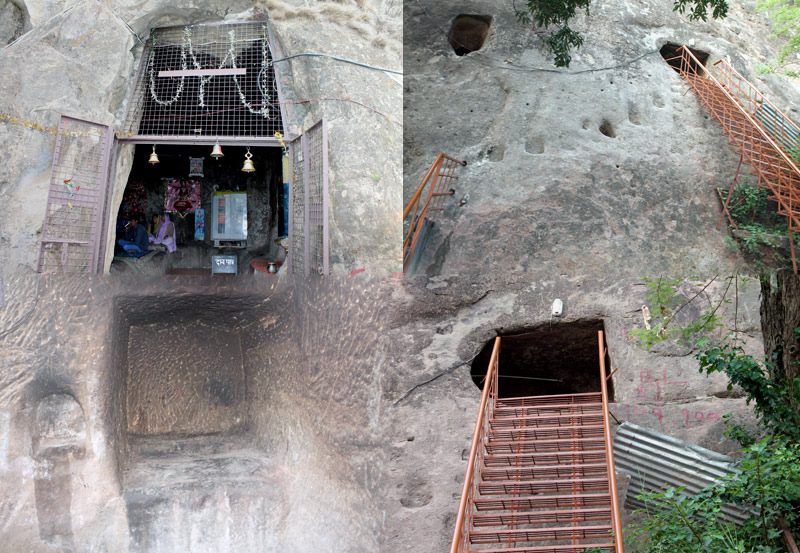
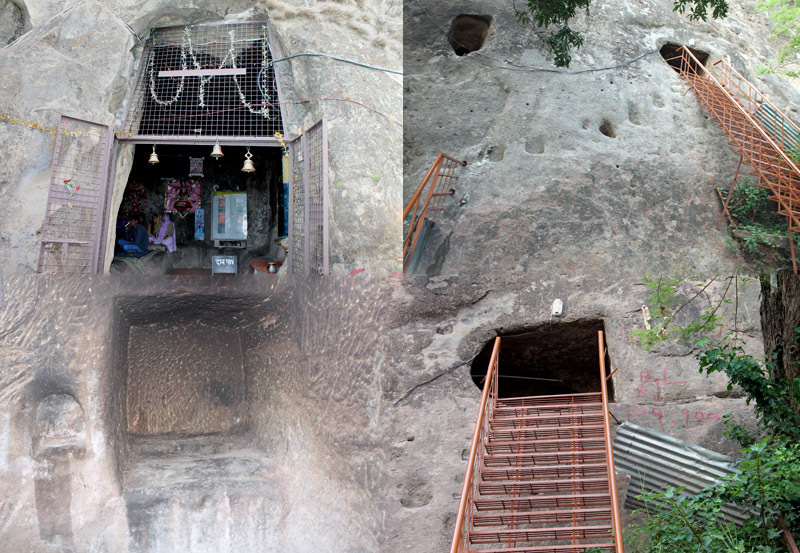
Local tradition links this temple to the Mahabharata era, with caves nearby believed to date to that legendary period. According to local accounts, the Pandavas sheltered in these caves during their year of exile known as Agayatwas, when they were required to live unrecognised. The caves themselves have been carved into the rocky hillside alongside the temple structure. While the exact historical dating of these caves remains a matter of local belief rather than documented record, they form an integral part of the site's spiritual significance and draw visitors interested in connections to Hindu mythology.
Daily Worship and Darshan
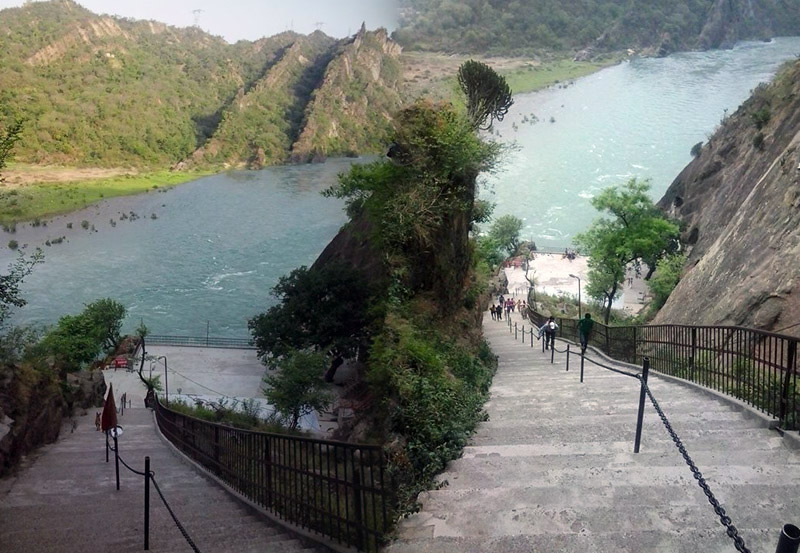
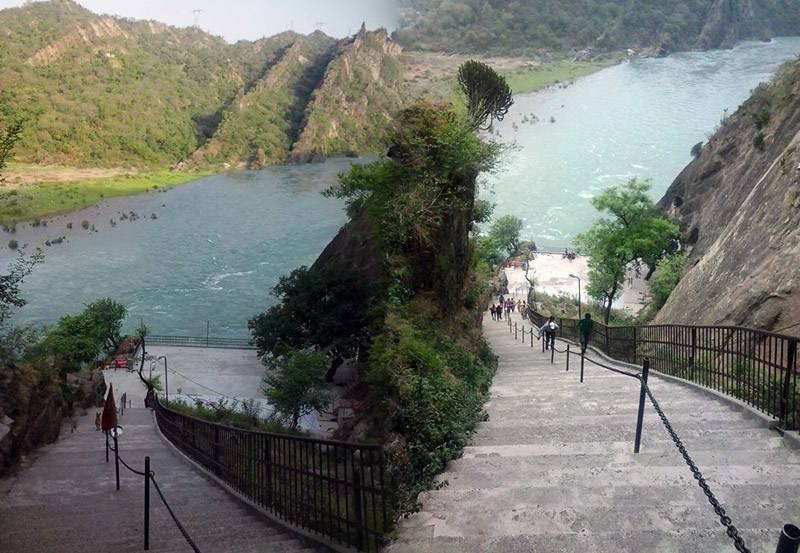
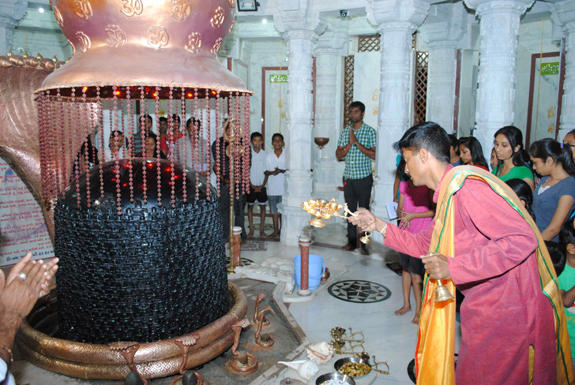
The temple opens daily from 05:00 to 20:00, allowing devotees to visit throughout the day. Morning aarti takes place at 06:00, and evening aarti at 19:00. There is no entry fee to visit the temple. Visitors should dress modestly, covering shoulders and knees as is customary at Hindu temples. Footwear is removed at the entrance. The temple's hilltop location means visitors should be prepared for climbing stairs, particularly on the return journey from the shrine.
Festivals and Observances
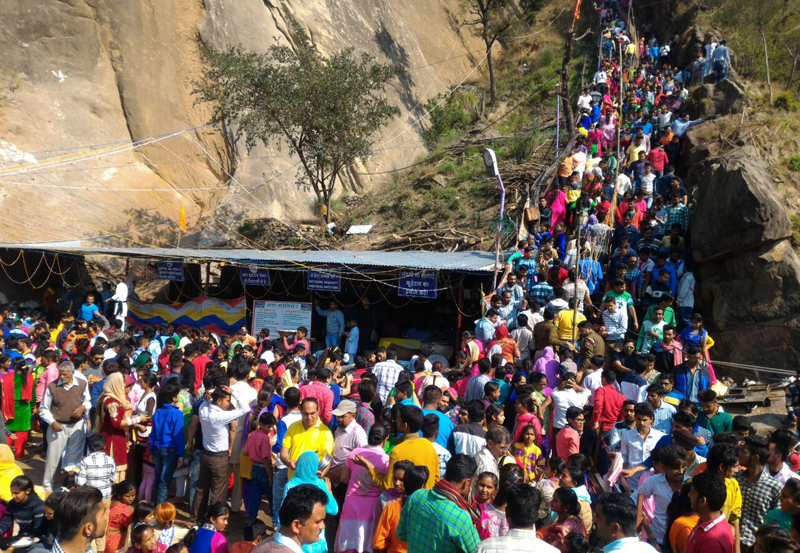
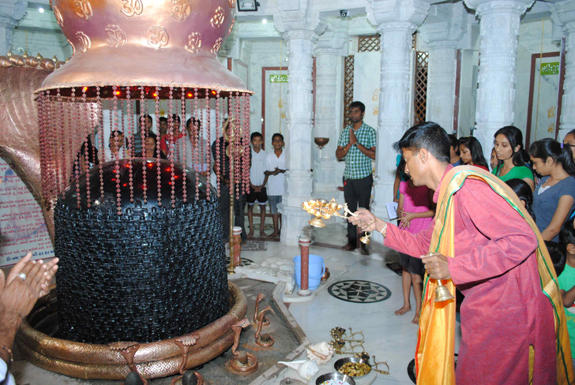
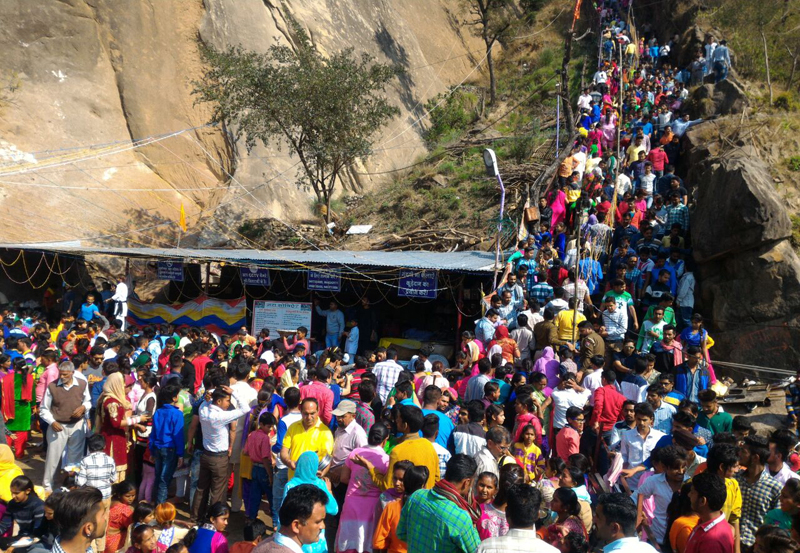
The temple observes several significant festivals throughout the year. Mukesran Da Mela, held in April during Baisakhi, draws large numbers of pilgrims from Punjab and neighbouring states of Himachal Pradesh and Jammu & Kashmir. Shivratri, celebrated in February or March, is marked as a major festival at the shrine. The monsoon season brings Sawan Mondays (July–August), when devotees traditionally worship Shiva. Navratri season also sees increased observance. Additionally, Somvati Amavasya is observed with a fair organised by the temple committee. The temple also hosts a three-day festival called Chaitra Chodiya, occurring approximately one month after Shivratri.
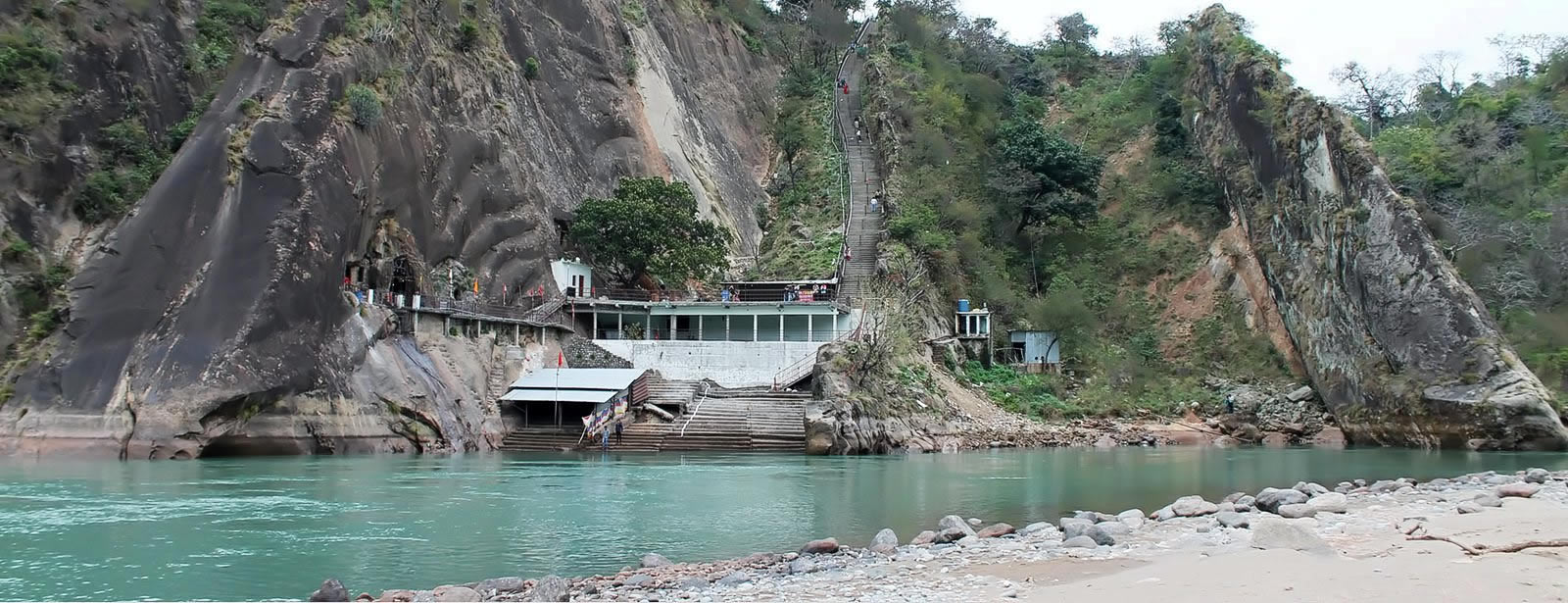
The River Ravi's proximity to the temple has given rise to a local practice: those unable to perform ash immersion at Haridwar sometimes conduct this ritual at the Ravi, leading locals to refer to Mukteshwar Mahadev as a "mini Haridwar."
Visiting Information
Mukteshwar Mahadev Temple is best visited during the festival seasons mentioned above, when the spiritual atmosphere is heightened and facilities are typically enhanced. However, the temple remains accessible year-round for daily darshan. The site is located 22 kilometres from Pathankot city; visitors should plan their journey accordingly and allow time for the climb to the hilltop shrine. Photography is generally permitted in the courtyard area, though restraint is appropriate within the inner shrine itself.
The temple's position on a rocky hill makes it a visible landmark in the region. Visitors should wear comfortable footwear for the journey to the site, though these must be removed before entering the temple proper. The stairs on the return journey warrant particular attention, especially for elderly visitors or those with mobility concerns.
Reaching the Temple
The temple is situated in Doong village, Shahpur Kandi, accessible via the road leading to Shahpur Kandi Dam. From Pathankot city, the journey is approximately 22 kilometres. Those travelling by road should follow directions toward Shahpur Kandi Dam; the temple's hilltop location makes it visible as a landmark in the area. Local transport options from Pathankot can be arranged, though visitors may wish to confirm current availability and routes before travelling.
How to reach
Temples near Muleshwar Mahadev temple
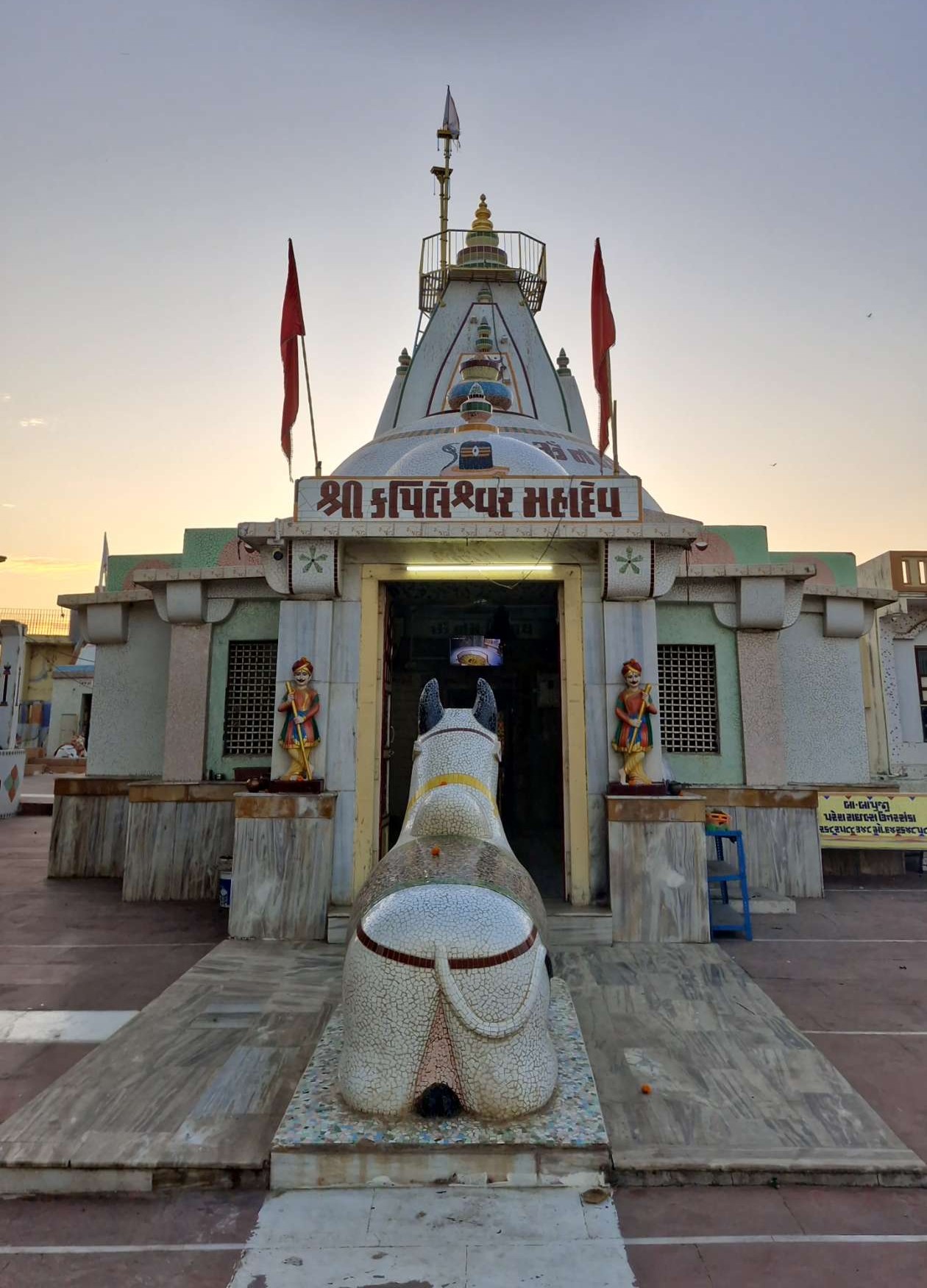
Kapileshwar Mahadev Temple
Kapileshwar Mahadev Temple in Velhale, Bhusawal, Maharashtra is an ancient shrine dedicated to Lord Shiva, believed to be where the sage Kapil Muni performed penance and establi…
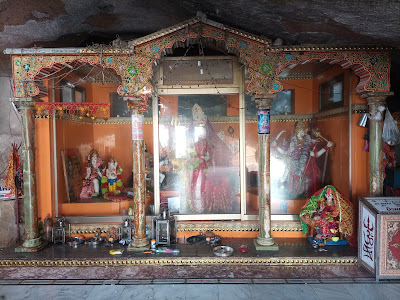
Churrio Jabal Durga Mata Temple
Churrio Jabal Durga Mata Temple stands on a sacred multicolored hill in Nangarparkar, Tharparkar District, Sindh, Pakistan, dedicated to Goddess Durga. The shrine serves as a ma…
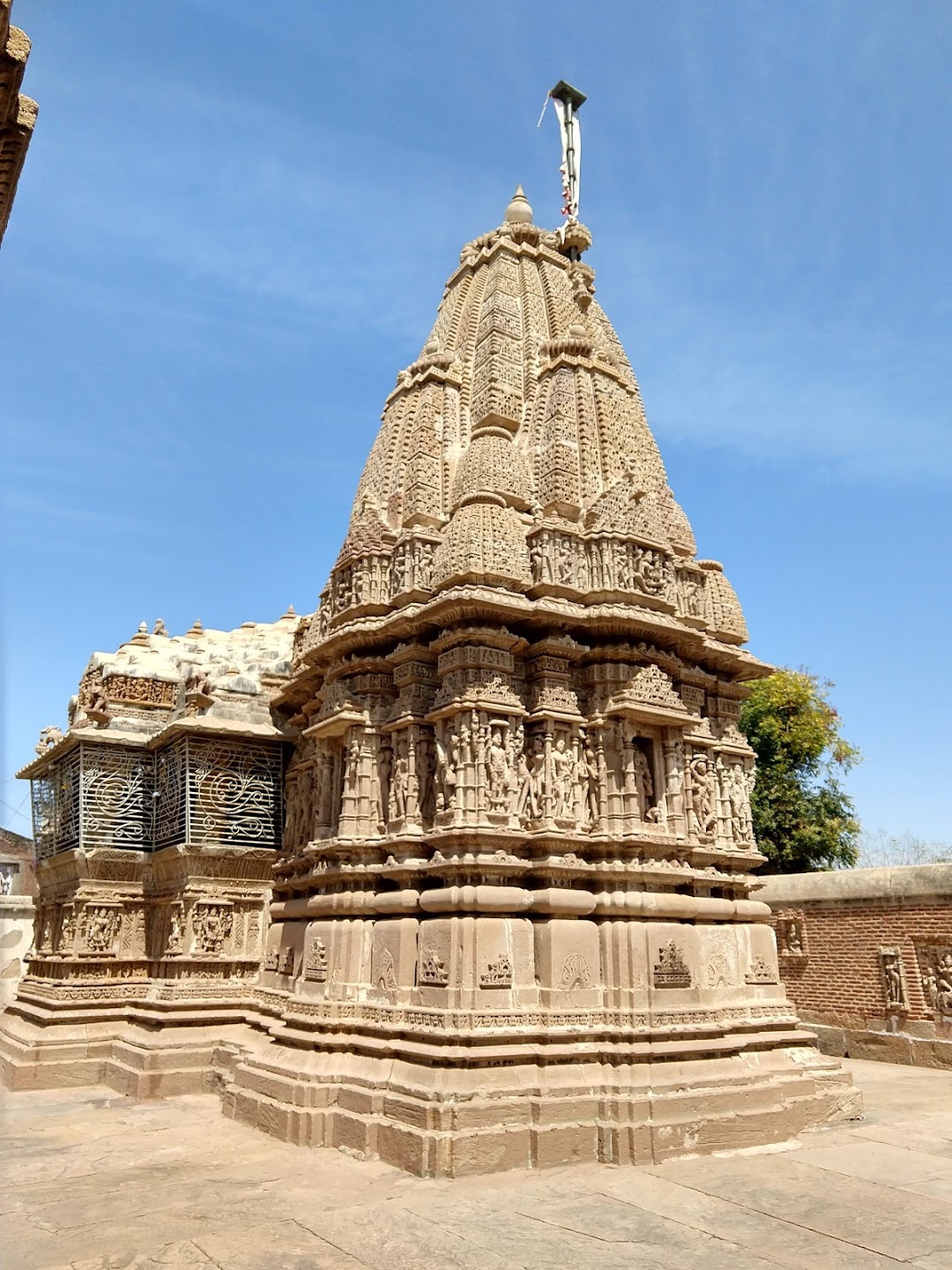
Limboji Mata Temple, Delmal
Limboji Mata Temple in Delmal, Gujarat is a revered Hindu pilgrimage site dedicated to Goddess Limboji, believed to fulfill devotees' wishes and provide spiritual protection.

Sun Temple
Somnath Temple, the first of twelve sacred Jyotirlingas, stands on the Arabian Sea coast in Gujarat. Its current structure was consecrated in 1951 by India's first President.
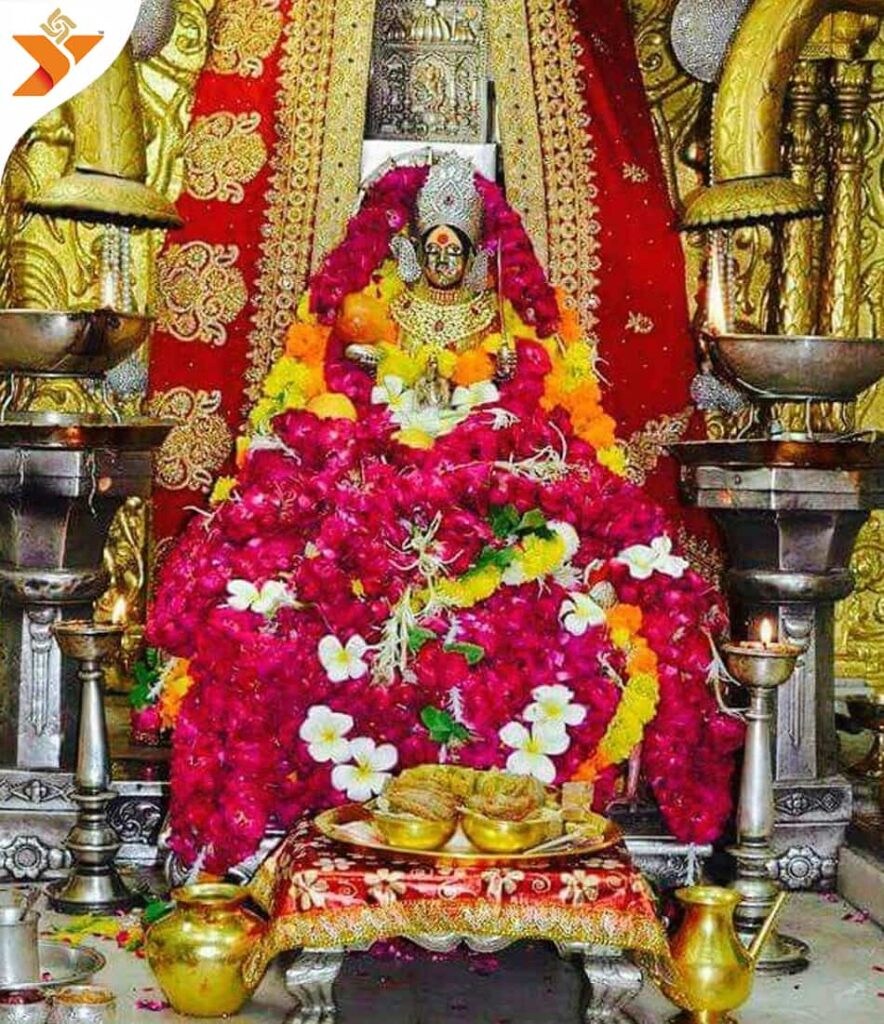
Bahuchar Mata Temple, Becharaji
Bahuchar Mata Temple in Becharaji, Gujarat, is a sacred Shakti Peetha dedicated to the goddess of fertility, revered especially by the hijra community and pilgrims seeking bless…
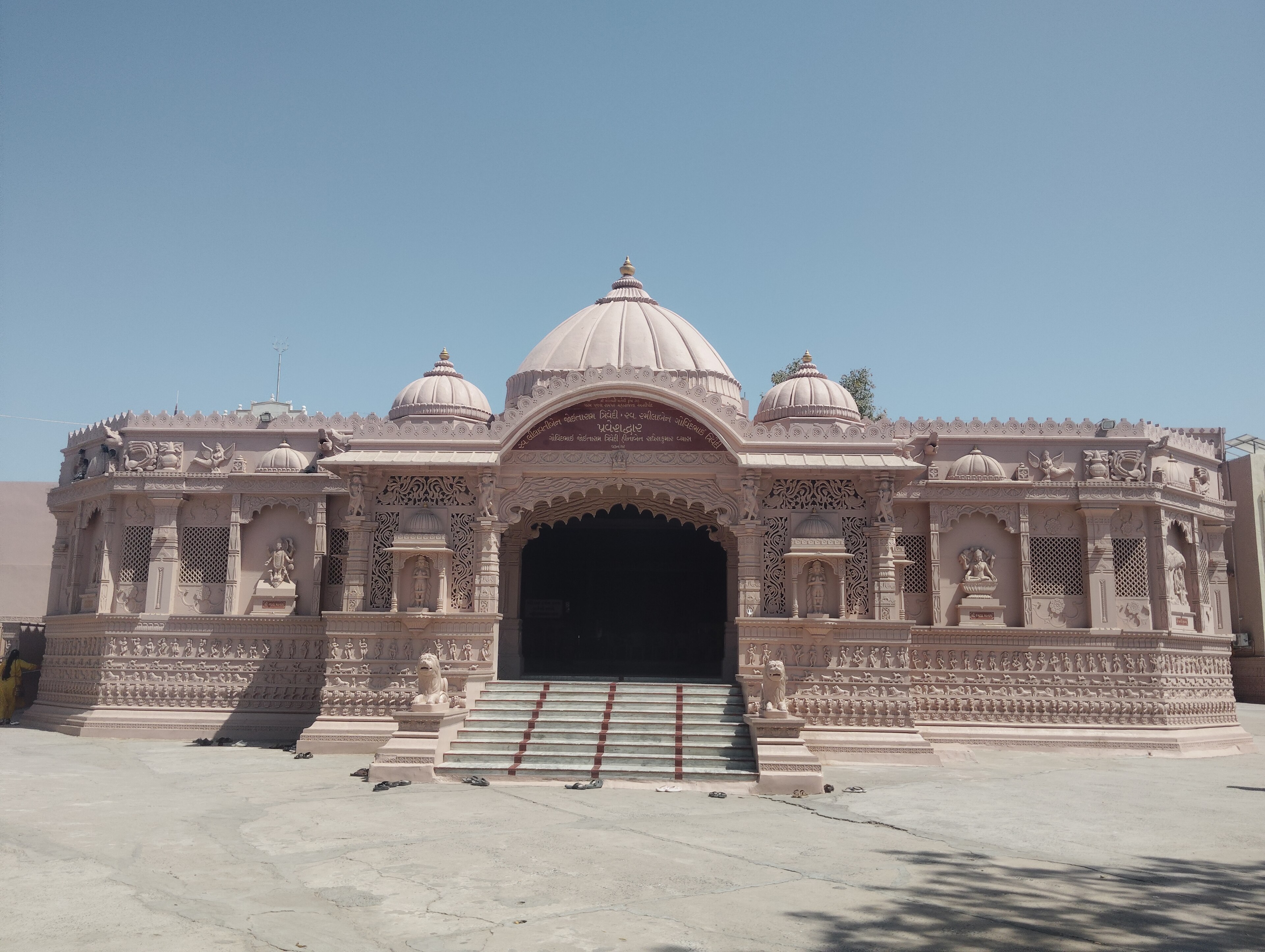
Modheshwari Temple, Modhera
Modheshwari Mata Temple in Modhera is an ancient shrine dedicated to the mother goddess Modheshwari, also known as Matangi Mata, constructed during the Solanki dynasty around 10…