


Mudikondan Kothandaramar Temple
About Mudikondan Kothandaramar Temple
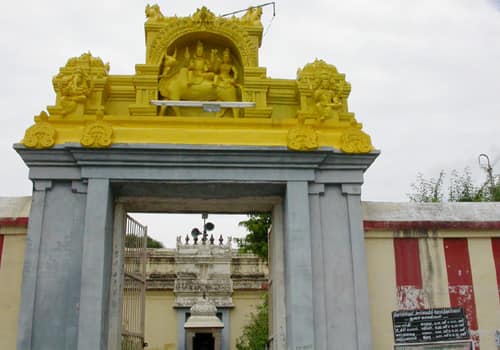
The temple follows the Dravidian architectural style, the classical tradition of South India characterized by gopurams (temple towers) and intricate stone carving organized around a central sanctum. The temple sits within a rural village setting typical of Tamil Nadu, creating an atmosphere shaped by the local landscape and the rhythms of devotional practice.
The specific sculptural elements and architectural details of the inner sanctum are not extensively documented in available sources, though the Dravidian style emphasizes the sacred geometry and craftsmanship that guide worshippers toward the deity.
Daily Worship and Rituals
The temple maintains a structured schedule of daily worship that invites visitor participation throughout the day. The day begins with Suprabhata Seva at 5:30 AM, an early morning ritual marking the temple's awakening. The Alankara Pooja, involving the decoration and adornment of the deity, takes place from 8:00 to 9:00 AM. Midday worship occurs through the Madhyana Pooja between 12:00 and 1:00 PM, while the evening Sayaraksha Pooja runs from 6:30 to 7:30 PM.
The temple remains open from 5:30 AM to 7:30 PM. Early morning hours typically offer a quieter, more meditative atmosphere for those seeking a contemplative visit. Visitors wishing to experience specific rituals should time their arrival accordingly and confirm current timings with the temple before traveling, as schedules may vary on festival days.
Festivals and Celebrations
The temple observes major festivals with special decorations and heightened activity. Dussehra, celebrated in October, is marked as a significant occasion, reflecting the festival's association with the victory of good over evil—a theme central to Rama's narrative. Holi, the spring festival, is also celebrated here. On these festival days, the temple grounds are notably more decorated and the atmosphere more festive than on ordinary days. Visitors planning to experience the temple during these occasions should anticipate larger crowds and confirm specific timings in advance.
Visiting Practicalities
Modest dress is customary when visiting temples in the Vaishnavite tradition; loose, covered clothing that respects the sacred space is appropriate. Footwear is removed before entering the inner sanctum, following standard practice across Hindu temples. The temple grounds reflect the calm atmosphere characteristic of rural Tamil Nadu shrines, with the sounds of bells and chanting creating a contemplative environment.
Visitors should prepare for the local climate and carry water, particularly if visiting during midday hours. Photography policies vary; it is respectful to inquire with temple staff before photographing the deity or inner sanctum. The temple office can be reached at +91 98423 64760 for specific questions about visiting practices or current conditions.
How to Reach Mudikondan
Mudikondan is located in Nannilam taluk of Tiruvarur district, approximately 20 kilometres from Mayiladuthurai and 15 kilometres from Thiruvarur town. The temple's coordinates are 10.9025°N, 79.6433°E, and the postal code for the area is 609504. The area is accessible by road, and its position within a taluk region suggests reasonable connectivity to larger centers, though visitors should confirm current transport options before traveling.
How to reach
Temples near Mudikondan Kothandaramar Temple
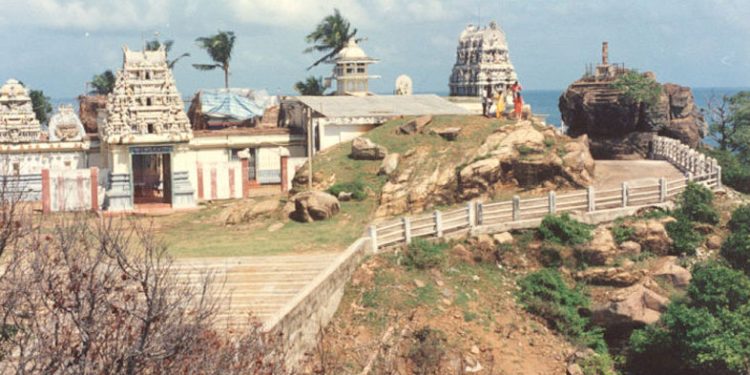
Thirukondeeswaram Pasupatheeswarar Temple
Thirukondeeswaram Pasupatheeswarar Temple is a Shiva temple located in Tiruvarur district, Tamil Nadu, dedicated to Lord Shiva in his manifestation as Pasupatheeswarar, and is r…
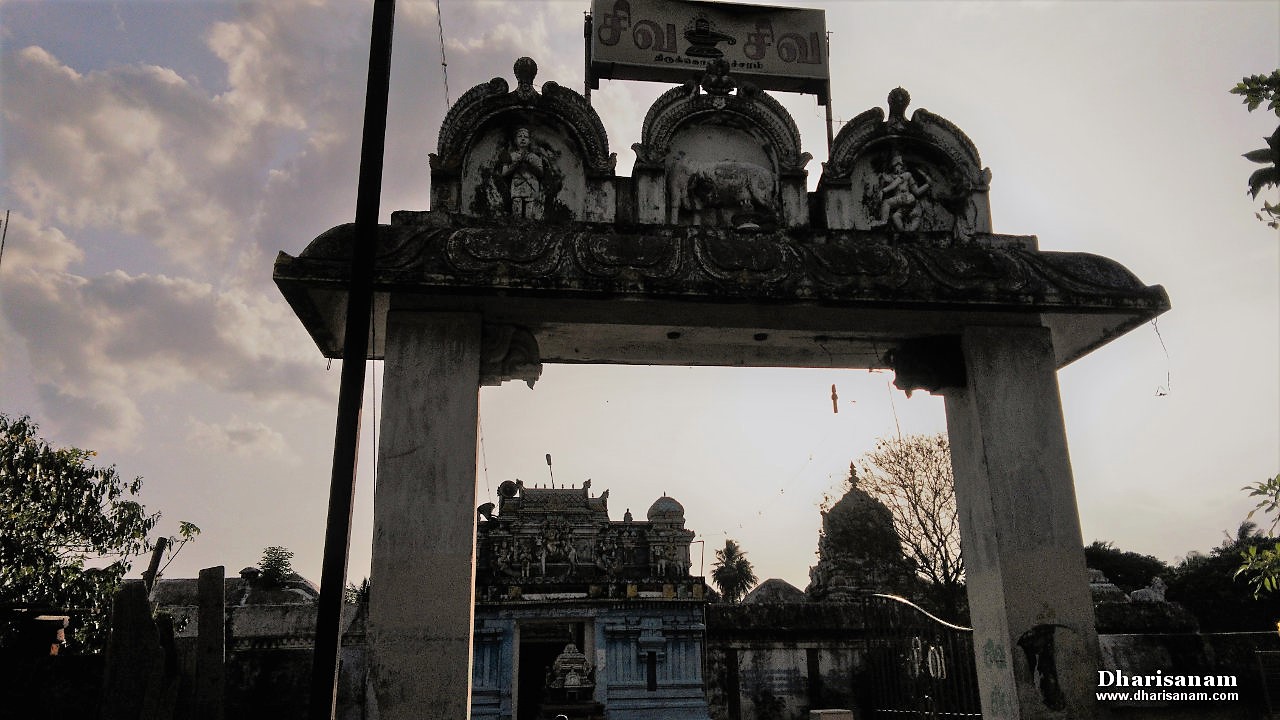
Tirukandeecharam Pasupadeeswarar Temple Thiruvarur
Sri Pasupatheeswarar Temple at Thirukkandeeswaram is an ancient Shiva shrine located near Thiruvarur in Tamil Nadu, recognized as one of the 276 Devara Paadal Petra Sthalams and…

Koothanur Maha Saraswathi Temple
Arulmigu Maha Saraswathi Amman Temple in Koothanur is a revered shrine dedicated to Goddess Saraswathi, the deity of knowledge, wisdom, music and arts. The temple holds special…
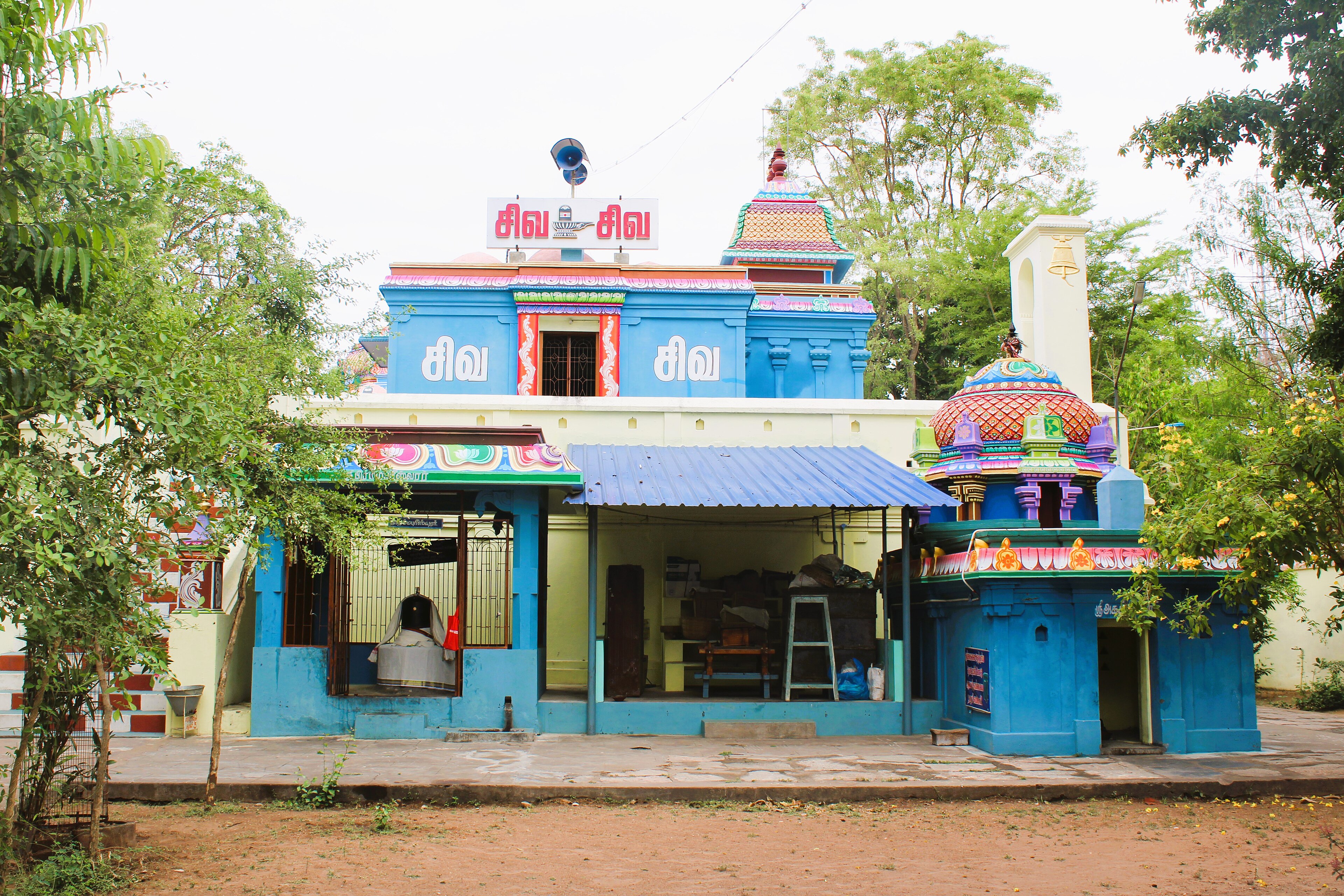
Madhuvaneswarar Temple
Madhuvaneswarar Temple in Nannilam is an ancient Shiva shrine built during the Early Chola period, revered as one of the 275 Paadal Petra Sthalams and praised in classical Tamil…
Ambal Brahmapureeswarar Temple
Ambal Brahmapureeswarar Temple is an ancient Shiva shrine in Tiruvarur district, Tamil Nadu, revered as one of the 275 Paadal Petra Sthalams glorified in the Tevaram hymns of th…
Sithalapathy Muktheeswarar Temple
Sithalapathy Muktheeswarar Temple is an ancient Shiva shrine in Tiruvarur district, Tamil Nadu, revered as a Pitru Mukthi Sthalam where devotees perform ancestral rituals for sp…