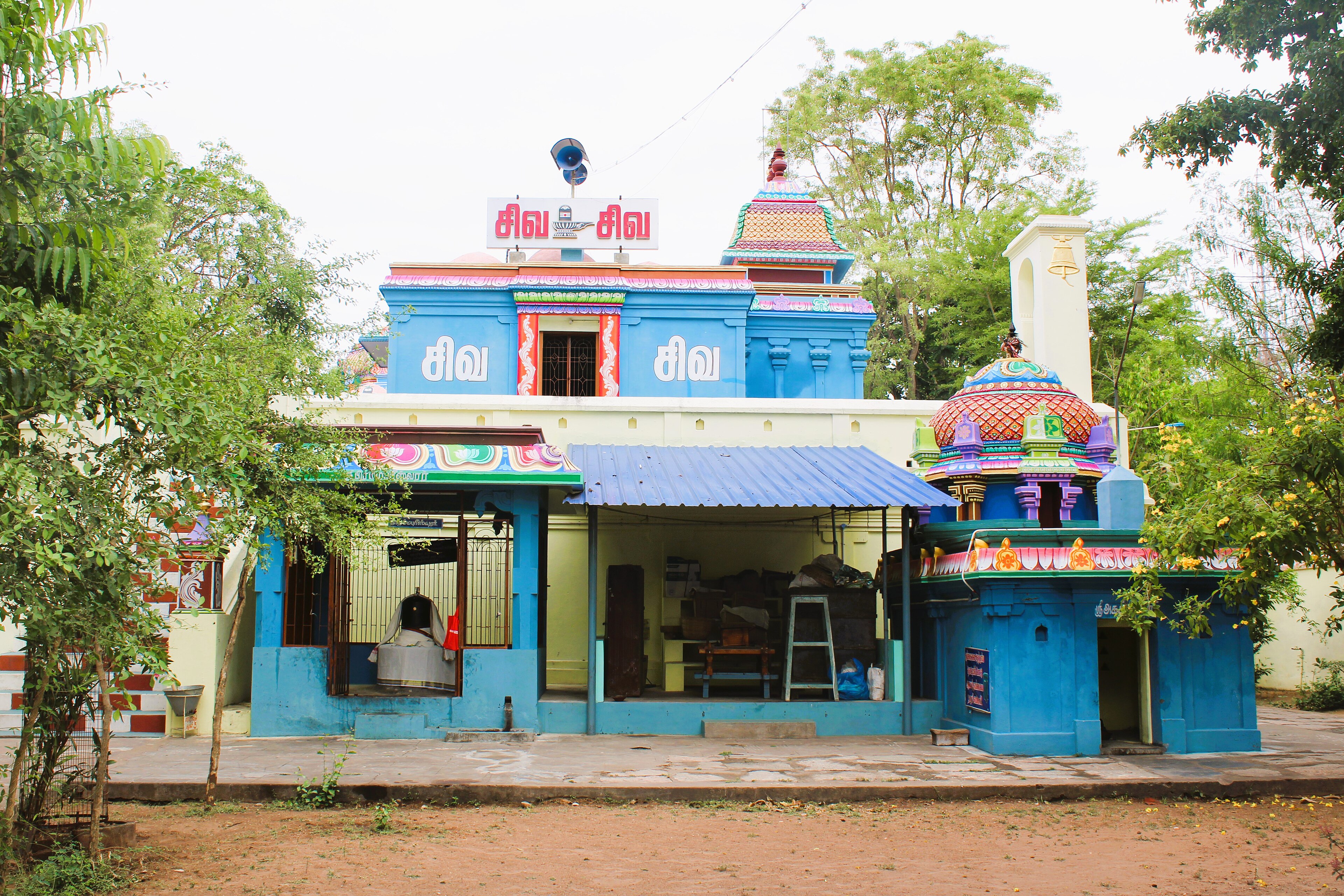
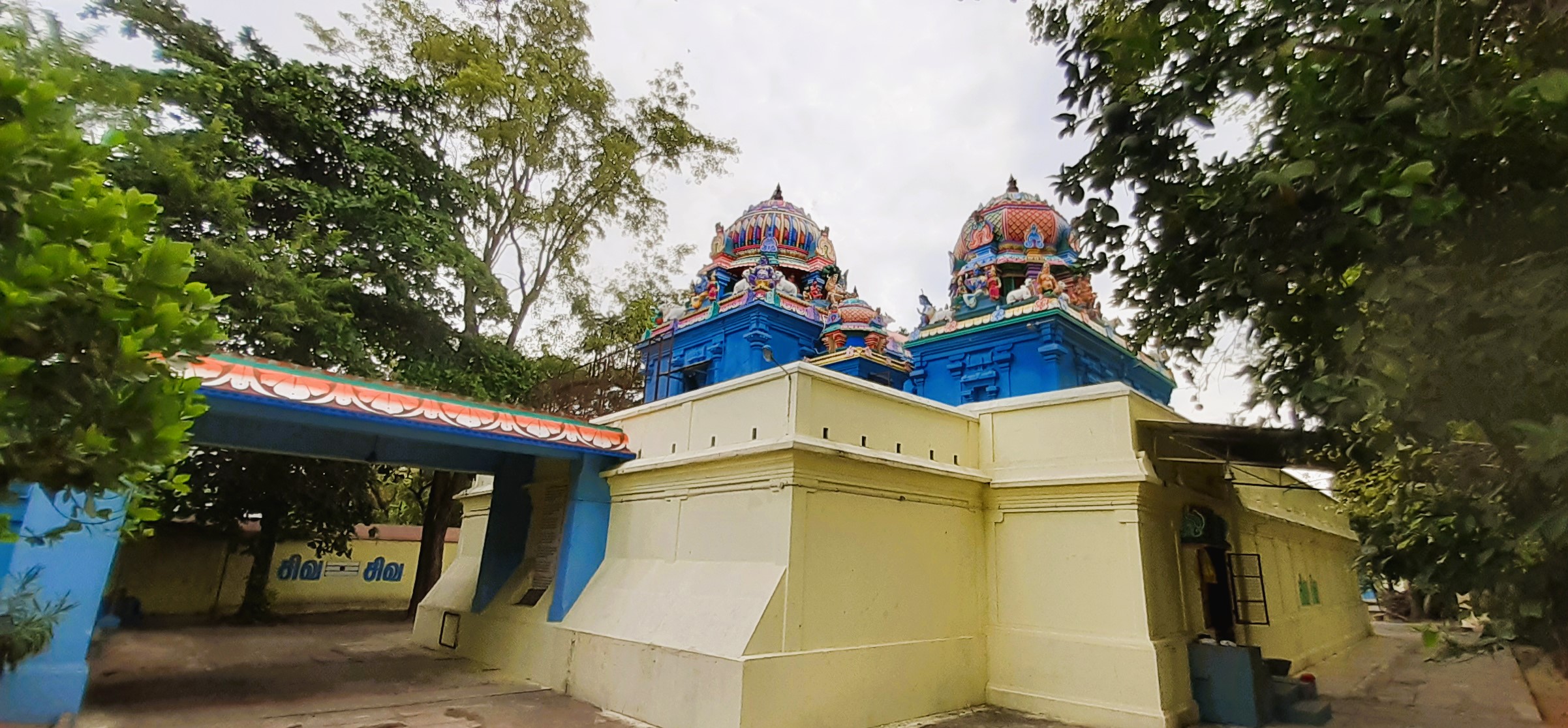
Madhuvaneswarar Temple
About Madhuvaneswarar Temple
The temple maintains regular schedules for darshan, the viewing of the deity, with morning hours from 07:00 to 12:00 and evening hours from 16:00 to 20:00. These timings allow devotees to visit during both parts of the day, though visitors should note that schedules may shift during festival periods or for special observances. Temples dedicated to Shiva typically conduct multiple ritual offerings throughout the day, though the specific timing of arati at this shrine should be confirmed directly with temple staff before travelling.
As a functioning place of worship, the temple follows conventions common to Shaivite shrines. Visitors are customarily expected to wear modest clothing and should be prepared to remove footwear before entering the sanctum. Photography policies and protocols regarding ritual participation or offerings vary by shrine and should be clarified upon arrival. While the sources do not detail specific facilities available at the temple, visitors planning a trip should prepare accordingly for a visit to a temple in a Tamil Nadu town setting.
Festivals and Auspicious Times
The temple observes several significant festivals throughout the year that draw larger crowds and feature more elaborate decoration than ordinary days. Vaikasi Visakam, celebrated in May or June, marks an important occasion for worship. Tirukarthikai, observed in November or December, is another major festival at the shrine. Additionally, Margazhi Tiruvadhirai, falling within the month of Margazhi, is celebrated with particular significance. During these festival periods, visitors should anticipate busier conditions and confirm specific arrangements with the temple in advance, as festival schedules may differ from standard darshan hours.
Beyond the major festivals, the month of Masi (February-March) holds special significance for devotees. Bathing in the sacred spring during this period is considered auspicious within the temple's tradition, drawing pilgrims seeking spiritual benefit. This practice reflects the temple's integration of natural water sources into its devotional life and offers visitors a particular opportunity to engage with the shrine's sacred geography during these months.
Historical and Religious Significance
The temple's establishment during the Early Chola period places it within a transformative era of Tamil Nadu's religious and cultural history. The Chola dynasty's patronage of shrine construction reflected their role in consolidating political power through religious sponsorship and the maintenance of Shaivite worship across their territories. Madhuvaneswarar Temple exemplifies this pattern, standing as a monument to both royal authority and devotional commitment.
The temple's subsequent inclusion among the Paadal Petra Sthalams indicates recognition of its spiritual importance within Tamil religious traditions. This classification connects the shrine to classical Tamil hymns and religious literature, anchoring it within a tradition that extends back centuries. The designation continues to shape pilgrimage practices and worship in the region, maintaining the temple's relevance within contemporary Tamil devotional life.
Location and Access
Madhuvaneswarar Temple is situated in Nannilam, within the Tiruvarur district of Tamil Nadu. The temple's precise location can be identified using GPS coordinates 10.879166666667°N, 79.613055555556°E, which will assist visitors using standard mapping applications to obtain directions from nearby towns and transport hubs. The address is Sri Madhuvaneswarar Temple, Nannilam-610 105, Tiruvarur district, Tamil Nadu, India.
Visitors should confirm current darshan hours directly with the temple before travelling, as schedules may shift seasonally or for special observances. This precaution ensures arrival at times when darshan is available and the temple is prepared to receive worshippers.
How to reach
Temples near Madhuvaneswarar Temple
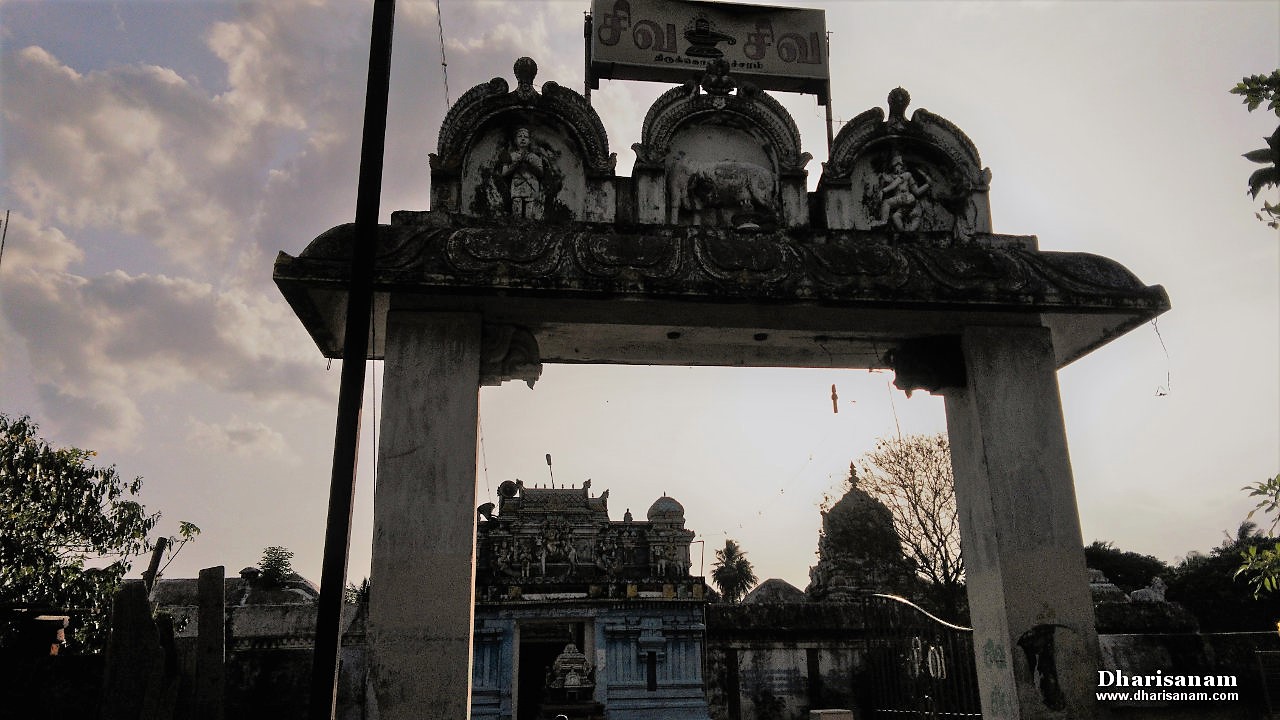
Tirukandeecharam Pasupadeeswarar Temple Thiruvarur
Sri Pasupatheeswarar Temple at Thirukkandeeswaram is an ancient Shiva shrine located near Thiruvarur in Tamil Nadu, recognized as one of the 276 Devara Paadal Petra Sthalams and…
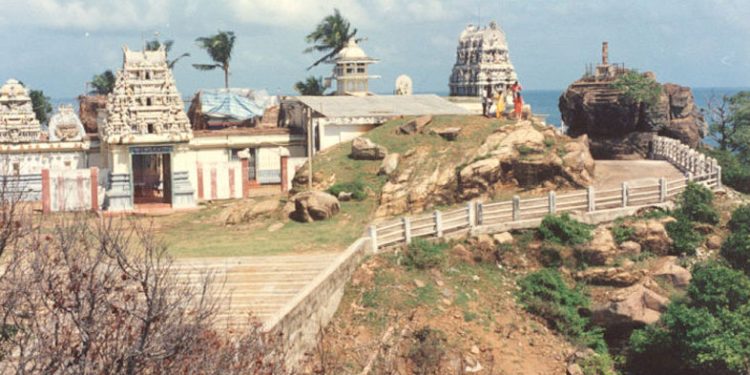
Thirukondeeswaram Pasupatheeswarar Temple
Thirukondeeswaram Pasupatheeswarar Temple is a Shiva temple located in Tiruvarur district, Tamil Nadu, dedicated to Lord Shiva in his manifestation as Pasupatheeswarar, and is r…

Mudikondan Kothandaramar Temple
Mudikondan Kothandaramar Temple is a Dravidian-style Hindu shrine in Tamil Nadu dedicated to Lord Rama, recognized as one of the 108 Abhimana Kshethrams and the Pancha Rama Kshe…

Achuthamangalam Kashi Viswanath Temple
Kashi Vishwanath Temple in Varanasi is one of India's twelve Jyotirlingas, dedicated to Vishveshwara (Shiva). The current structure dates to 1780, rebuilt by Maharani Ahilyabai…

Koothanur Maha Saraswathi Temple
Arulmigu Maha Saraswathi Amman Temple in Koothanur is a revered shrine dedicated to Goddess Saraswathi, the deity of knowledge, wisdom, music and arts. The temple holds special…
Sithalapathy Muktheeswarar Temple
Sithalapathy Muktheeswarar Temple is an ancient Shiva shrine in Tiruvarur district, Tamil Nadu, revered as a Pitru Mukthi Sthalam where devotees perform ancestral rituals for sp…