


Marichi Temple
About Marichi Temple
The temple is dedicated to Marichi, a goddess venerated across Hindu tradition. The shrine also honours Varahi and Buddha, indicating a syncretism characteristic of Odishan religious practice. This blending of Hindu and Buddhist elements within a single sacred space reflects the historical coexistence of these traditions in the region during the medieval period. Devotees approach the temple to seek the blessings of these deities, each of whom holds distinct significance within their respective traditions.
Architecture and Historical Period
The temple was established between the 10th and 11th centuries, placing it within the medieval period of Odishan temple construction. It exemplifies the Odishan Pidha vimana style, a distinctive architectural form characteristic of temples in this region. The vimana—the central tower or sanctum structure—follows the Pidha design, which features a pyramidal or stepped appearance typical of Odishan sacred architecture. This style represents a significant phase in the development of Hindu temple design in eastern India, and the Marichi Temple remains a physical record of that architectural tradition.
Festivals and Observances
The temple observes Durga Puja and Asokastami as major festivals. Durga Puja, celebrated across Odisha and eastern India, draws devotees to temples dedicated to the goddess and her manifestations. Asokastami, observed in the spring month of Chaitra, holds particular significance in certain Hindu traditions. These festivals structure the ritual calendar at the temple and attract pilgrims during their respective seasons. Visitors planning a pilgrimage should enquire locally about specific dates and observance practices, as festival calendars follow the lunar year.
Visiting the Temple
Specific information regarding daily darshan timings, entry fees, or visitor facilities is not documented in available sources. Visitors should contact local authorities in Ajodhya or the Baleswar district administration for current details about access hours and any requirements for entry. As with most Hindu temples, modest dress is customary—covering shoulders and knees is standard practice. Footwear is typically removed before entering the inner sanctum. Photography policies vary by temple; it is respectful to ask permission before photographing the deity or ritual spaces. The temple may have limited facilities given its medieval age and village location; visitors should plan accordingly and bring water and supplies if visiting during hot months.
Reaching Ajodhya
Ajodhya is located in Baleswar district, accessible by road from the district headquarters and other towns in Odisha. The nearest major city is Balasore. Visitors travelling by rail should check connections to stations serving the Baleswar area. Local transport—auto-rickshaws or hired vehicles—can be arranged from nearby towns to reach the village. The temple's exact accessibility by public transport should be confirmed with local sources before travel, as village temples may not be served by regular bus routes.
Practical Considerations
The temple's medieval construction and village setting mean that amenities may be minimal. Accommodation and dining options are likely limited in Ajodhya itself; visitors may need to base themselves in a larger nearby town. The best seasons for visiting are the cooler months from October to February, when travel in Odisha is more comfortable. Devotees should carry sufficient water, sun protection, and any personal medications. It is advisable to visit with a local guide familiar with the temple's layout and customs, particularly if travelling alone or unfamiliar with Odishan temple traditions.
How to reach


Temples near Marichi Temple
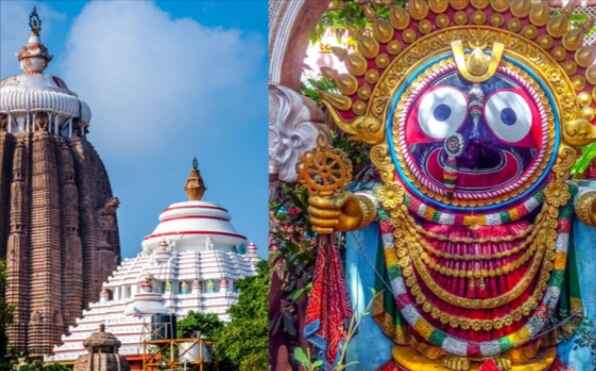
Jagannath Temple, Nilagiri
The Jagannath Temple in Nilagiri, Balasore district, Odisha, is dedicated to Jagannath, a form of Vishnu. Originally attributed to King Indradyumna, the present structure was re…
Mahishamardini Temple
Mahishamardini Temple Complex in Sergarh, Balasore district, Odisha, is dedicated to the goddess Mahishamardini and houses several archaeological artifacts under the care of the…
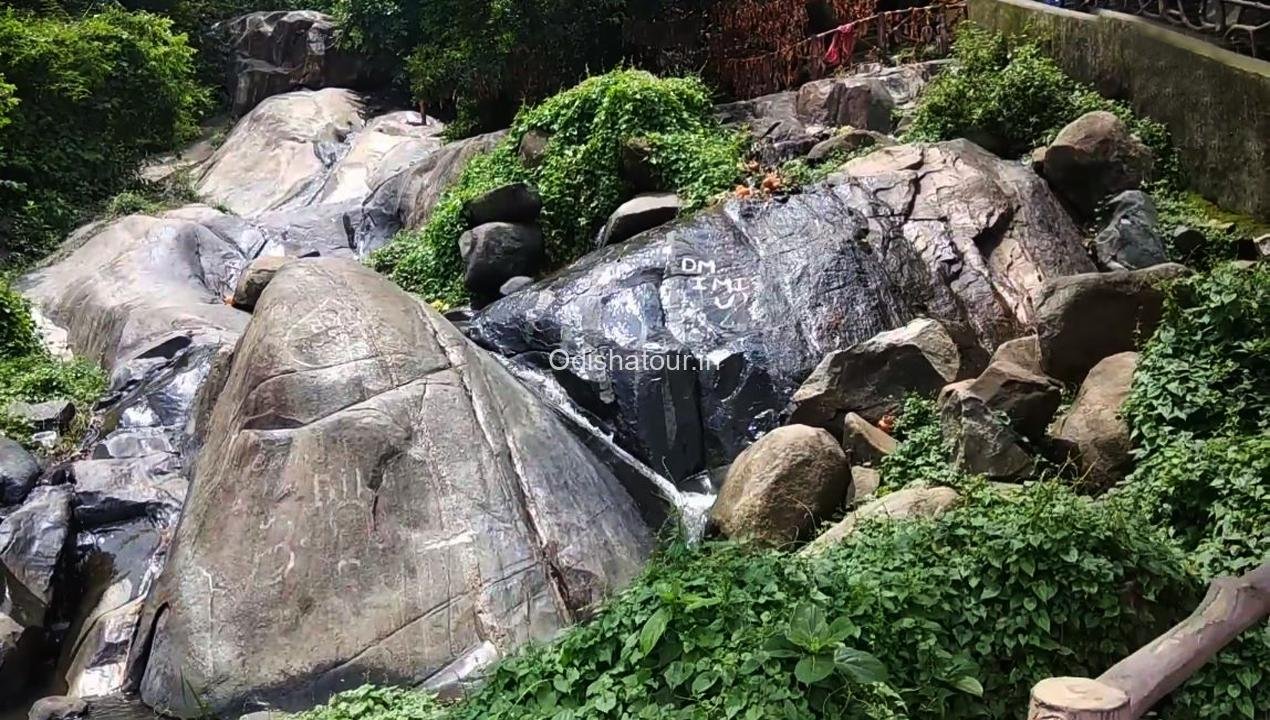
Panchalingeshwar Temple
Panchalingeswar Temple, nestled on the Nilagiri hills in Balasore district, Odisha, is a sacred shrine dedicated to Lord Shiva housing five naturally carved Shiva lingams partia…

Baneswara Temple, Balasore
Baneswara Temple is one of Balasore's oldest Hindu temples, maintained by a dedicated group of priests known as Pujaka.
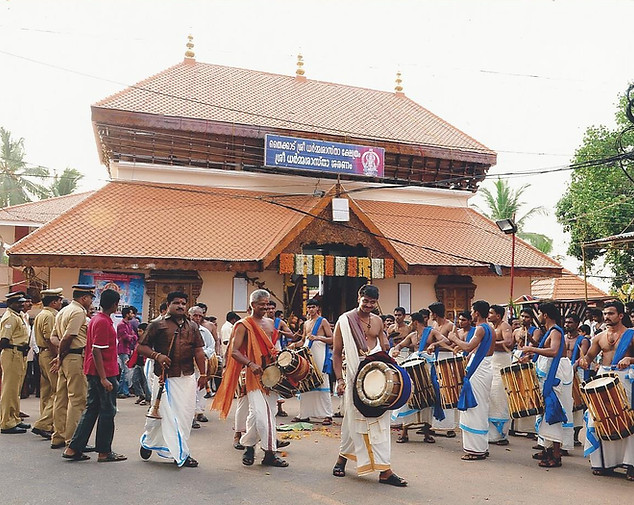
Brahmani temple
Brahmani temple is a 10th–11th century Hindu and Buddhist shrine in Avana, Baleswar, Odisha, housing an eight-armed three-faced Chamunda image as its presiding deity.
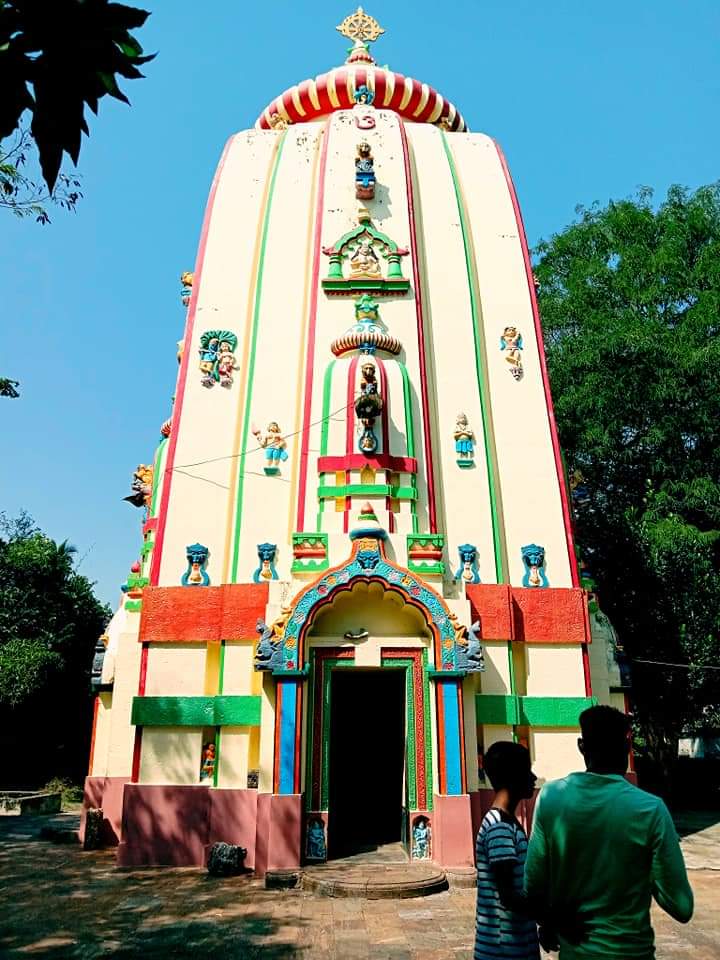
Biranchinarayan Temple, Palia
Sri Biranchinarayan Temple in Palia village, 15 km south of Bhadrak, Odisha, is a medieval shrine dedicated to Surya (the Sun God), featuring a distinctive four-faced stone imag…