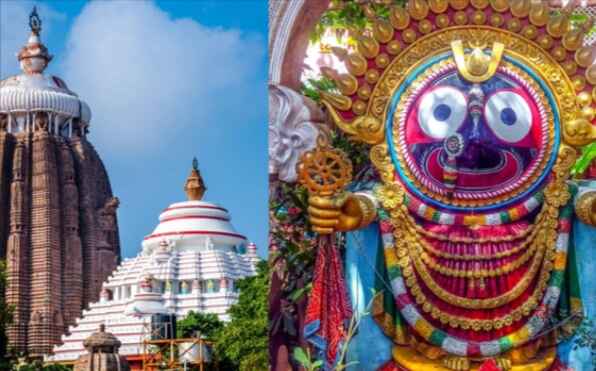
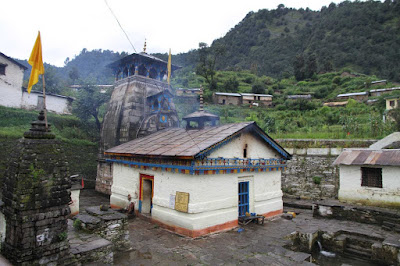

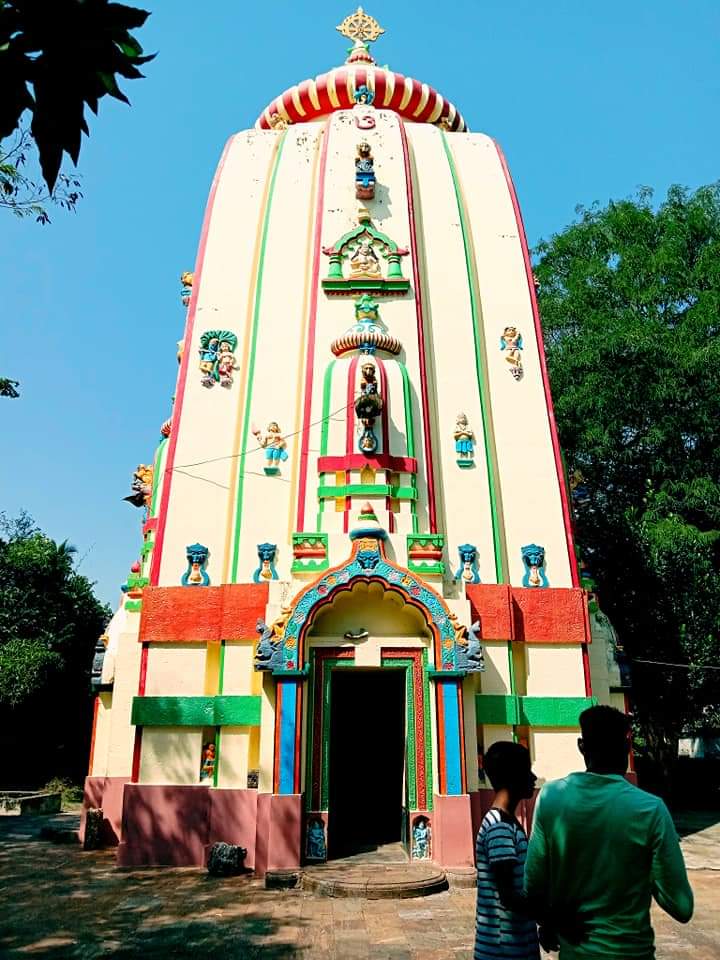
Jagannath Temple, Nilagiri
About Jagannath Temple, Nilagiri
The temple's origins trace to King Indradyumna, to whom tradition attributes the original construction. The present complex, however, was rebuilt from the eleventh century onwards, with reconstruction begun under Anantavarman Chodaganga, the first ruler of the Eastern Ganga dynasty. This rebuilding phase shaped much of the temple structure that pilgrims encounter today. The temple's connection to tribal heritage runs deep: local legends link the temple's idols with Nilamadhaba deva, a deity worshipped by tribal communities, and the daitapatis (temple servitors) claim descent from these same tribes. This heritage remains woven into the temple's identity and ritual life.
Daily Darshan and Worship
The temple maintains a structured schedule to accommodate pilgrims throughout the day. Morning darshan is available from 05:00 to 12:00, allowing early-rising devotees to pay respects before the day's heat intensifies. Evening darshan runs from 16:00 to 23:30, serving those who visit after daily work. The Sandhya Aarti, an evening ritual of worship, occurs between 19:00 and 19:30, during which the deity is honored with light, sound, and devotional chanting. These timings may vary on festival days, so confirmation with the temple office beforehand is advisable for those planning visits around major observances.
Visiting Practicalities
The temple is located in Nilagiri, Balasore district, Odisha, at coordinates 21.462894°N, 86.765513°E, accessible by road via the SH19 highway. The temple office can be reached at +91-6752-222829 for inquiries about specific rituals, facilities, or observances. Modest dress is expected—covering shoulders and knees shows respect to the sacred space. Shoes are typically removed before entering the inner sanctum. Photography policies vary; visitors should ask temple staff before taking images. Nearby dharamshalas and hotels provide accommodation for pilgrims, though advance booking is advisable during major festivals when demand is high. The temple's location in Balasore district places it within reach of other sites of pilgrimage interest in the region.
The Tradition of Shabari Tantras
The worship practices at Nilagiri are grounded in the Shabari Tantras, ritual texts that evolved from tribal spiritual traditions. Rather than representing a departure from classical Hindu practice, these tantras demonstrate how Jagannath worship has historically incorporated and honored the devotional forms of the region's indigenous communities. This integration of tribal belief systems into temple ritual remains a distinctive feature of Jagannath temples across Odisha, reflecting centuries of cultural synthesis. Visitors encountering the temple's rituals are witnessing a living tradition that honors multiple layers of spiritual heritage.
Broader Significance in Vaishnavite Tradition
The Jagannath Temple at Nilagiri holds significance within the Sri Vaishnavite tradition as one of the 108 Abhimana Kshethras—sacred sites of particular importance to this branch of Hinduism. This classification places the temple within a wider network of pilgrimage destinations recognized across the tradition. The temple's dedication to Jagannath, understood as a supreme form of Vishnu, aligns it with major centers of Vishnu worship while maintaining its own distinct ritual and historical character rooted in Odisha's spiritual landscape.
How to reach

Temples near Jagannath Temple, Nilagiri
Mahishamardini Temple
Mahishamardini Temple Complex in Sergarh, Balasore district, Odisha, is dedicated to the goddess Mahishamardini and houses several archaeological artifacts under the care of the…
Panchalingeshwar Temple
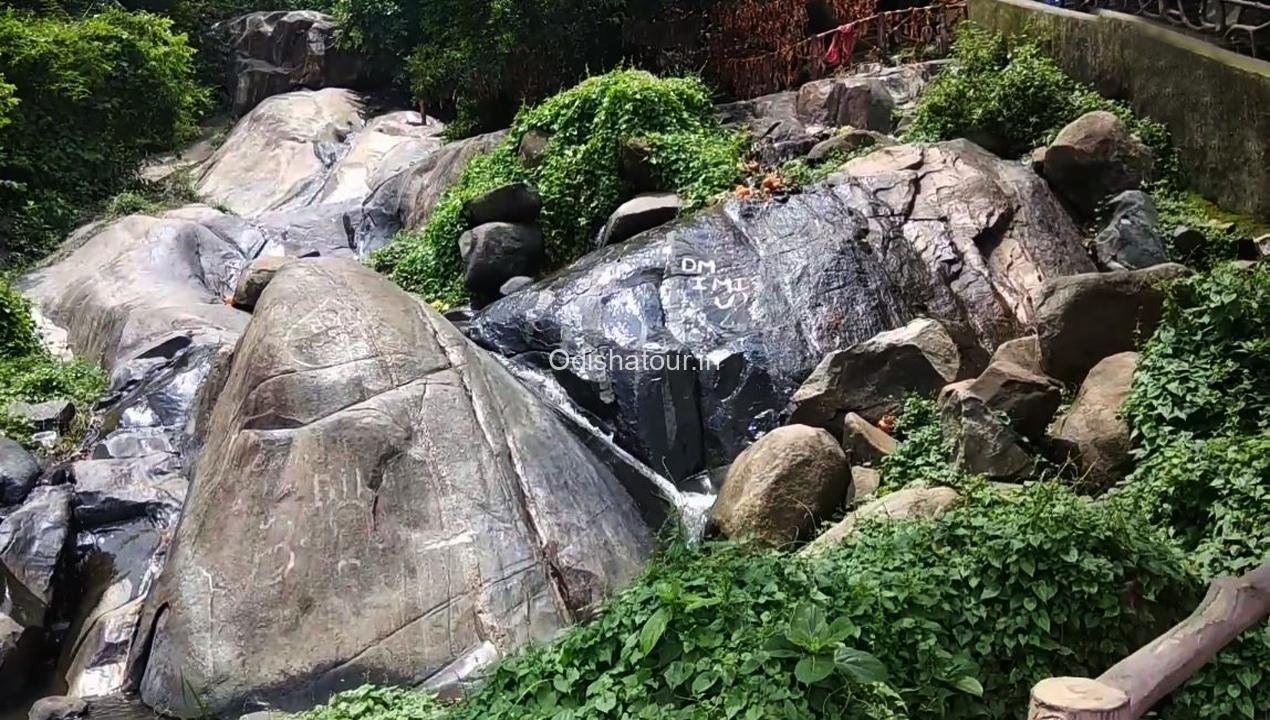
Panchalingeswar Temple, nestled on the Nilagiri hills in Balasore district, Odisha, is a sacred shrine dedicated to Lord Shiva housing five naturally carved Shiva lingams partia…

Marichi Temple
Marichi Temple is a medieval Hindu and Buddhist shrine in Ajodhya, Baleswar district, Odisha, constructed between the 10th and 11th centuries and exemplifying the distinctive Od…

Baneswara Temple, Balasore
Baneswara Temple is one of Balasore's oldest Hindu temples, maintained by a dedicated group of priests known as Pujaka.
Brahmani temple
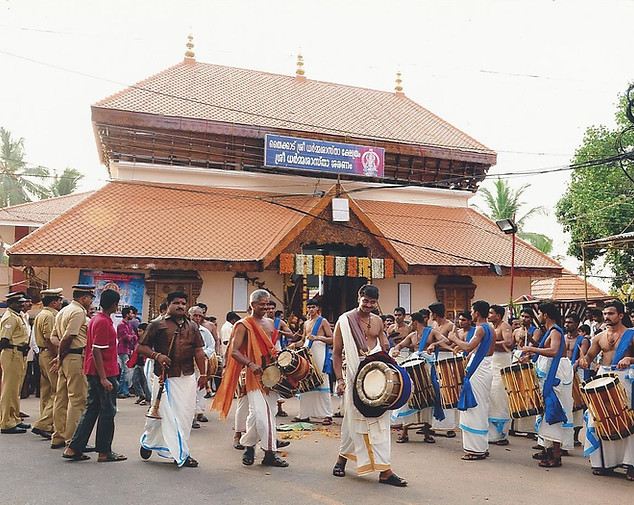
Brahmani temple is a 10th–11th century Hindu and Buddhist shrine in Avana, Baleswar, Odisha, housing an eight-armed three-faced Chamunda image as its presiding deity.
Biranchinarayan Temple, Palia
Sri Biranchinarayan Temple in Palia village, 15 km south of Bhadrak, Odisha, is a medieval shrine dedicated to Surya (the Sun God), featuring a distinctive four-faced stone imag…