Mallikarjuna Temple, Goa
About Mallikarjuna Temple, Goa
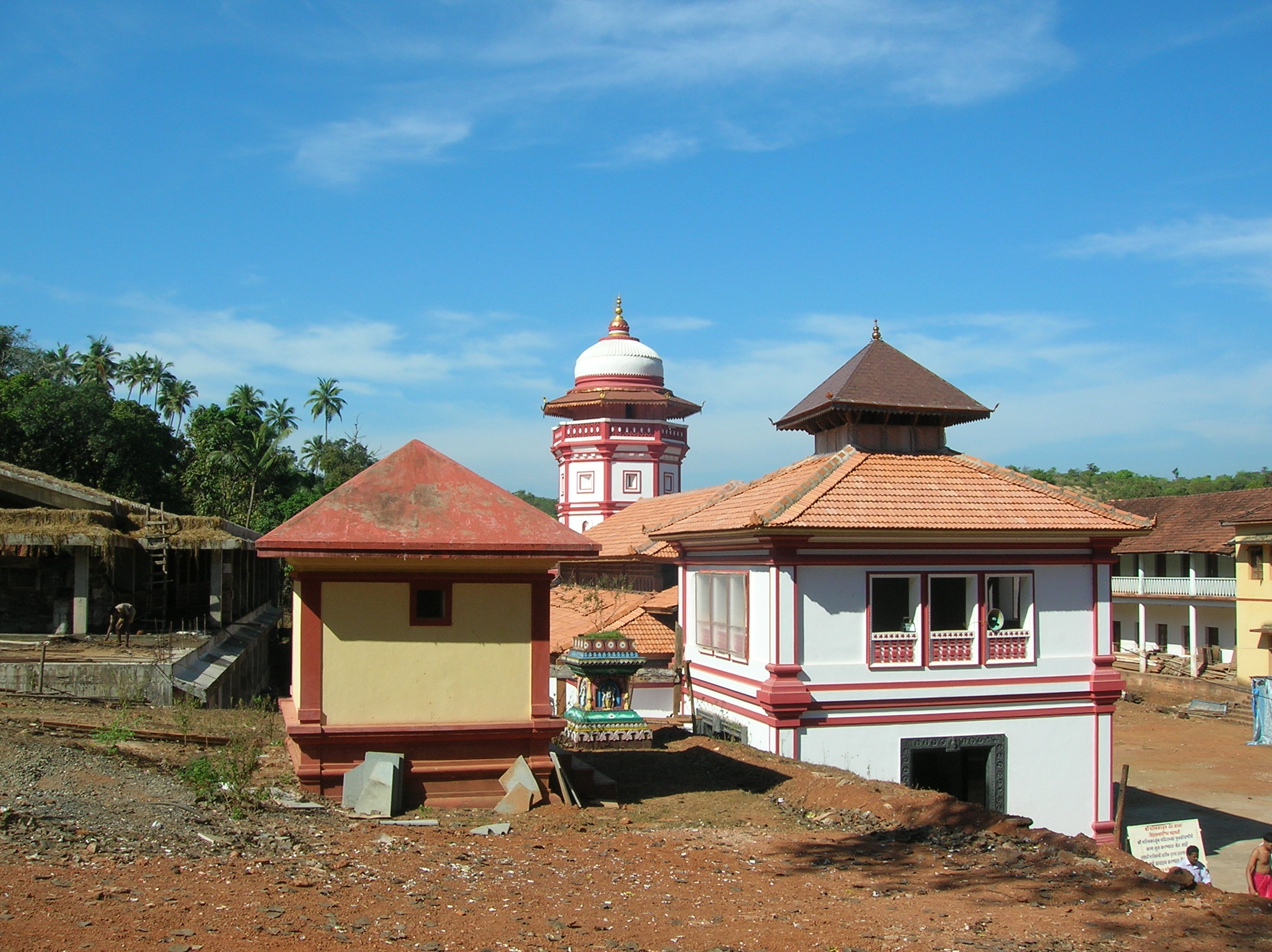
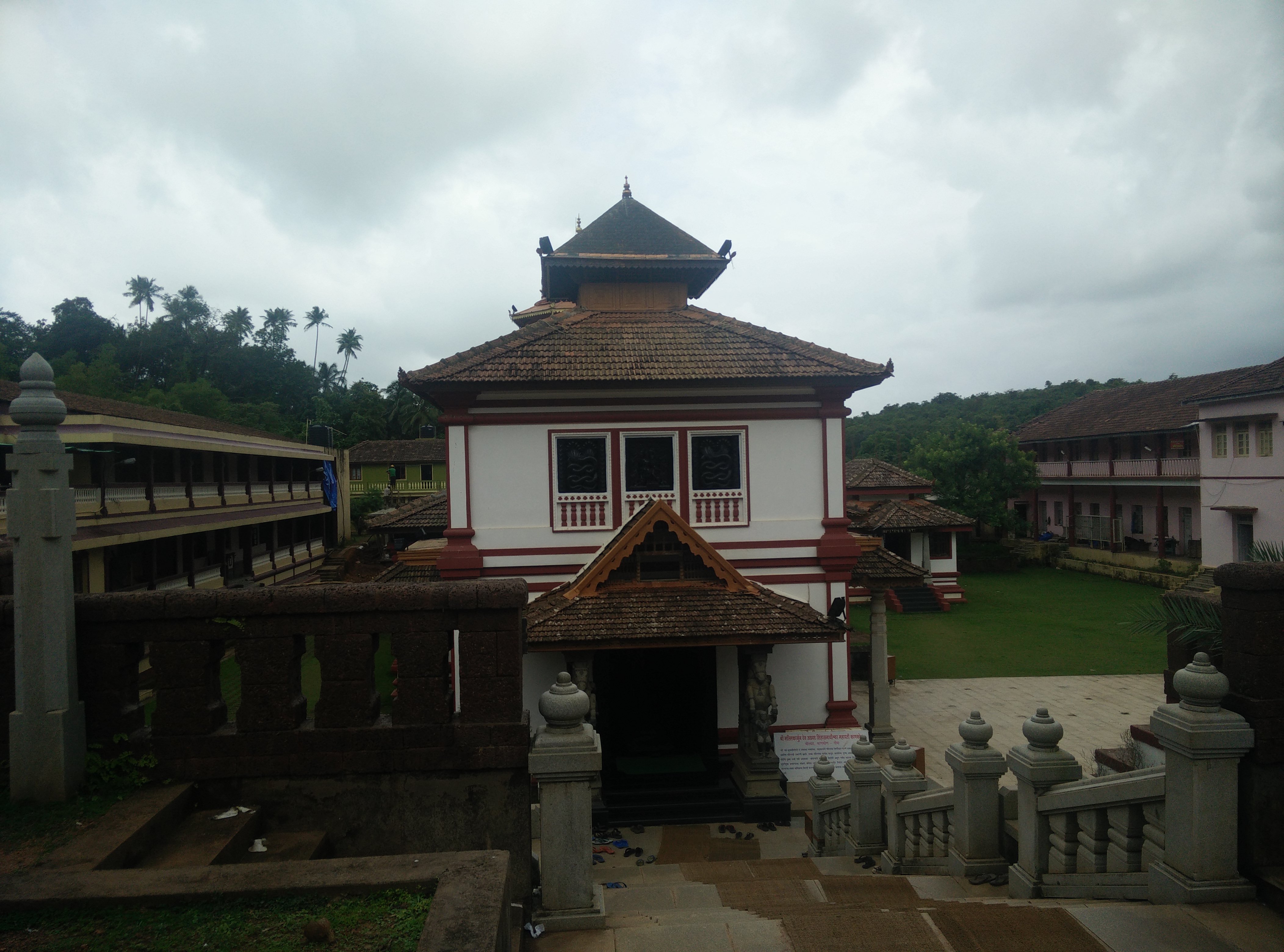
Documentary evidence inscribed on a plaque near the temple dome records that ancestors of the Kshatriya community built this shrine during the middle of the sixteenth century. The temple thus represents over four and a half centuries of continuous worship. A significant refurbishment took place in 1778, which would have addressed structural wear and maintained the building for future generations. The temple's longevity reflects both the devotion of the local community and the durability of its construction, though the sources do not detail the specific architectural phases or modifications undertaken during its long history.
Architecture and Layout
The temple follows traditional Goan architectural design, featuring a simple sanctum at its core, a courtyard for gathering, and a deepastambha—a lamp tower that typically serves both functional and symbolic purposes in Hindu temple design. These elements create a modest but complete sacred space suited to the valley setting. The straightforward design prioritises function and spiritual purpose over elaborate ornamentation, reflecting the practical approach of the Kshatriya builders who established the shrine centuries ago.
Daily Worship and Darshan
The temple maintains regular daily rituals that structure the spiritual life of the community. Visitors may attend darshan—the viewing of the deity—during two periods: early morning from 05:30 to 12:00, and evening from 16:00 to 20:00. The early morning hours are particularly significant for witnessing temple rituals and experiencing the quieter, more meditative atmosphere that characterises dawn worship at Shiva temples. Visitors should note that timings may vary on festival days, making it advisable to confirm hours before travelling, especially if planning a visit around major observances.
Mahashivratri and Festival Observance
Mahashivratri, the festival honouring Shiva, draws particularly large gatherings of worshippers to the temple. This festival, celebrated annually according to the lunar calendar, commemorates significant aspects of Shiva's mythology and is observed with heightened ritual activity and extended worship periods at Shiva temples across India. The influx of devotees during Mahashivratri transforms the quiet valley setting into a centre of collective worship, though the mountain surroundings help contain the scale of gathering compared to more urban temple sites.
Visiting Information
The temple is located in Sristhal village, approximately 7 kilometres northeast of Chaudi in Canacona taluk, South Goa district. The coordinates are 15.21527778°N, 73.86666667°E, which can be entered into mapping applications for navigation. Visitors should plan their journey to arrive during the posted darshan hours and should dress modestly as is customary at Hindu temples—typically covering shoulders and knees. The valley location means the temple is somewhat removed from main roads, so allowing extra travel time is prudent. As an active place of worship serving the local community, visitors are expected to maintain respectful behaviour and follow any instructions from temple staff regarding movement within the sacred space. The natural mountain setting offers a tranquil environment for spiritual practice, though facilities for visitors may be limited given the temple's village location and traditional character.
How to reach
Temples near Mallikarjuna Temple, Goa
Madhav Govind Rameshwar Temple
The Madhav Govind Rameshwar Temple in Agapur village, Ponda taluk, Goa, is a Trikutachala shrine dedicated to the Vaishnavite deities Madhav (Krishna) and Rameshwar, alongside t…
Ramnathi
Shree Ramnath Devasthan in Goa is a sacred shrine representing the divine unity of Vishnu and Shiva, housing multiple deities including Shree Laxminarayan, Shree Shanteri, and S…
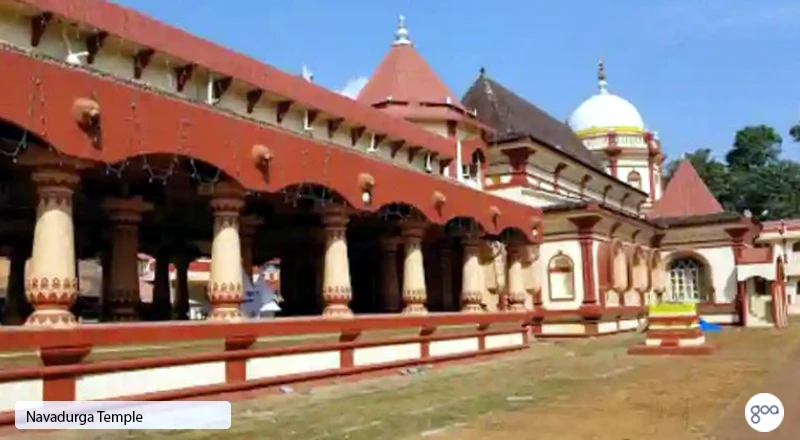
Navdurga Temple, Madkai
Shree Navdurga Temple in Madkai, Goa is an ancient shrine dedicated to Goddess Navdurga in her fierce Mahishasuramardini form, venerated across North Goa for nearly five centuries.
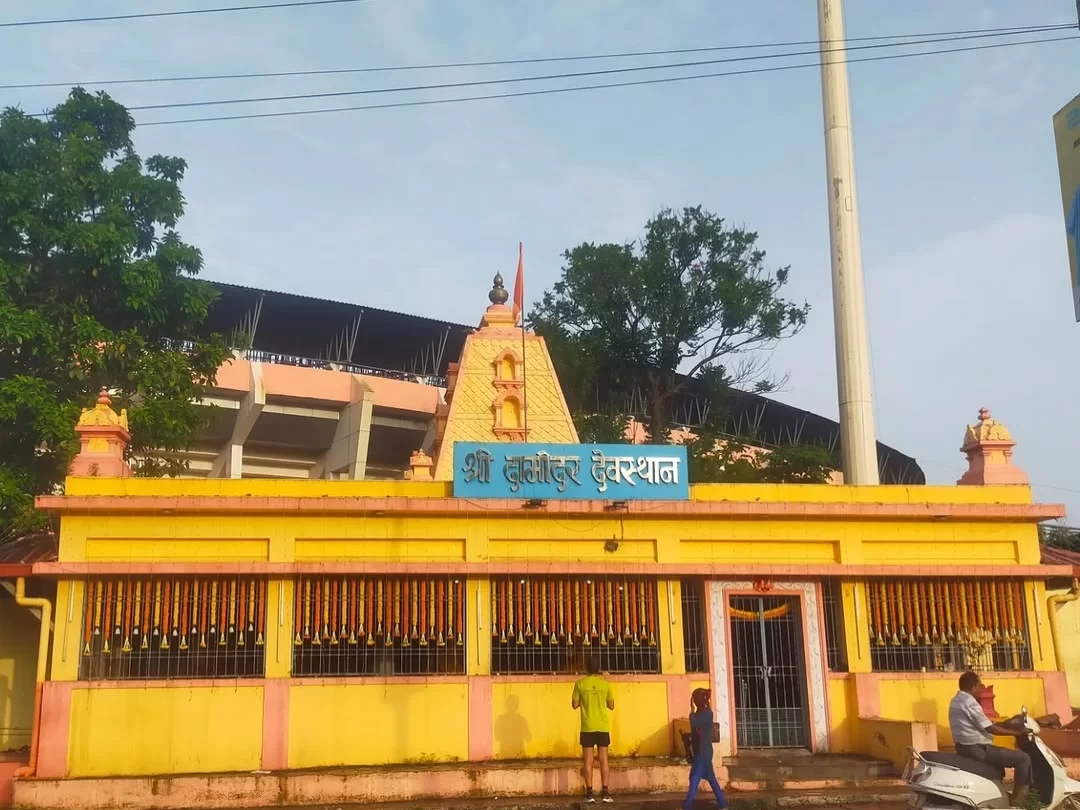
Shri Damodar Sansthaan, Goa
Shri Damodar Temple in Zambaulim, South Goa is a riverside shrine dedicated to Lord Damodar, a form of Krishna, situated along the Kushavati River and serving as a significant s…
Vimleshwar Temple
Vimaleshwar Temple in Rivona village, Goa, enshrines a self-manifested Shivalinga representing Shiva in his Vimaleshwar form.
Navdurga Temple, Kundaim
The Navdurga Temple in Kundaim, Goa is a Hindu shrine dedicated to Goddess Navdurga, established by Gaud Saraswat Brahmin families who migrated from Verna village to create a ne…