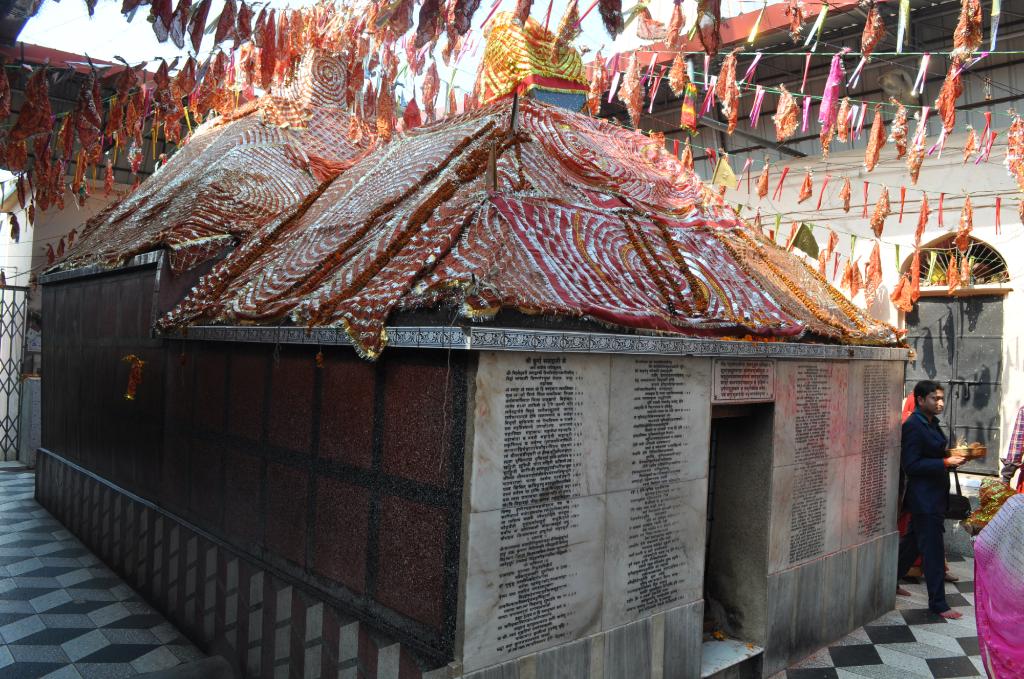
Mangla Gauri Temple
About Mangla Gauri Temple
The present temple structure dates to the 15th century, making it a relatively recent construction within the longer history of Hindu temple building, yet old enough to carry centuries of accumulated devotional practice. The shrine sits on Mangalagauri Hill, a location that anchors the temple within a specific sacred geography. The hilltop setting means the temple is not simply a structure within the city but a destination requiring physical ascent—a feature common to many pilgrimage temples, where the climb itself forms part of the spiritual journey.
Little is recorded about the temple's architectural details or the specific circumstances of its 15th-century establishment, but its longevity and continued significance suggest it has weathered centuries of change while maintaining its role as a center of Shakta worship.
Daily Darshan and Ritual Worship
The primary mode of worship at Mangla Gauri Temple is darshan—the viewing and receiving of blessings from the deity. The temple maintains two distinct darshan periods: morning hours from 06:00 to 12:00, and afternoon-evening hours from 14:00 to 20:00. Morning and evening aartis mark the formal ceremonial worship of the goddess, times when the deity receives ritual attention from the temple's priests.
Visitors should expect waiting periods of 30 minutes to one hour during peak times, particularly in the morning when devotees arrive to begin their day with prayers. The temple's location within Gaya, itself a major pilgrimage destination, means visitor numbers fluctuate significantly depending on the broader Hindu calendar and pilgrimage seasons. Those seeking a quieter darshan experience should consider visiting during off-peak hours or seasons outside the main pilgrimage months.
Best Times to Visit
The optimal period to visit Mangla Gauri Temple runs from October through March, when Bihar's climate becomes cooler and more comfortable for pilgrimage. The region experiences significant heat and humidity from April through September, making the cooler months preferable for the physical exertion of climbing to the hilltop shrine. Early morning or late afternoon visits offer the best conditions for worship and sightseeing, avoiding both intense midday heat and the heaviest crowds.
Practical Information for Visitors
Visitors should dress modestly and respectfully, as is customary at Hindu temples. Women typically wear salwar kameez, sarees, or other conservative clothing; men should avoid shorts and sleeveless garments. Shoes are generally removed before entering the inner sanctum, though practices may vary—observe what other devotees do upon arrival.
The temple's hilltop location means visitors should wear comfortable footwear suitable for climbing. Bring water, particularly during warmer months, and plan your visit to align with the darshan timings. The temple operates within the broader pilgrimage infrastructure of Gaya, so basic facilities and services are available in the surrounding area, though specific amenities at the temple itself are not detailed in available sources.
Gaya as a Pilgrimage Destination
Mangla Gauri Temple functions as one component of Gaya's larger pilgrimage significance. Visitors often combine worship here with other sacred sites in the region. The temple's status as a maha Shakta pitha makes it particularly important for devotees following circuits of goddess temples across India. For those already in Gaya for other pilgrimage purposes, the temple offers an accessible addition to their spiritual itinerary.
How to reach
You may also visit
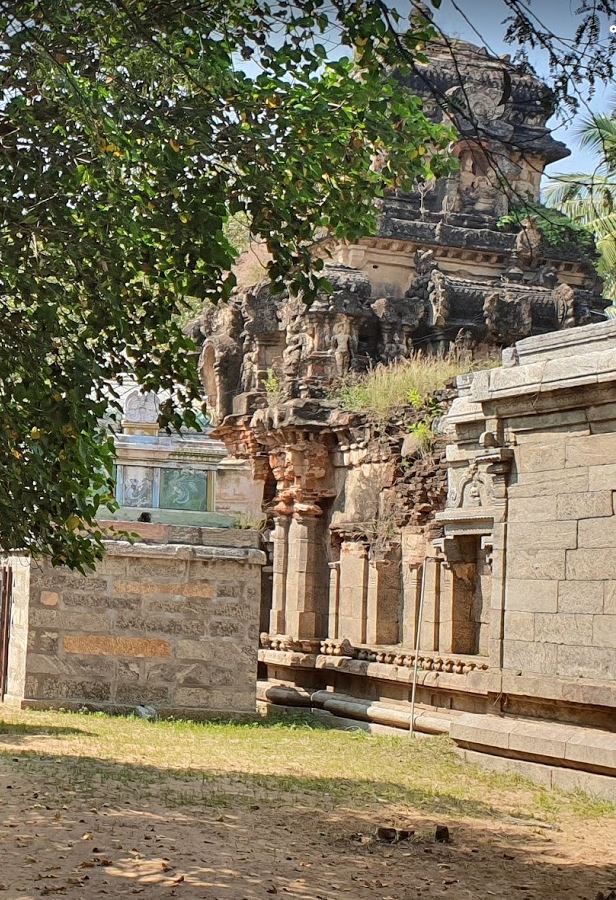
Agatheeswarar Temple, Karur
Agatheeswarar Temple in Thirumukkudalur, Karur district, is an ancient Hindu shrine dedicated to Shiva, situated at the sacred confluence of three rivers and believed to be over 1000 years old.
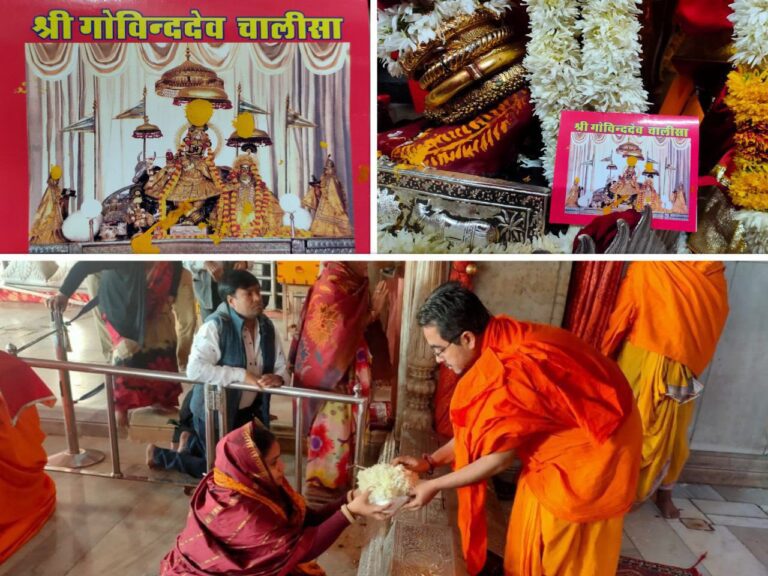
Kalyanji Temple
Kalyanji Temple in Jaipur's Chandpol Bazaar is an ancient Krishna shrine established in the 1820s, renowned for its seven daily aartis and special avatar darshan ceremonies during Akha Teej and Patottsav festivals.
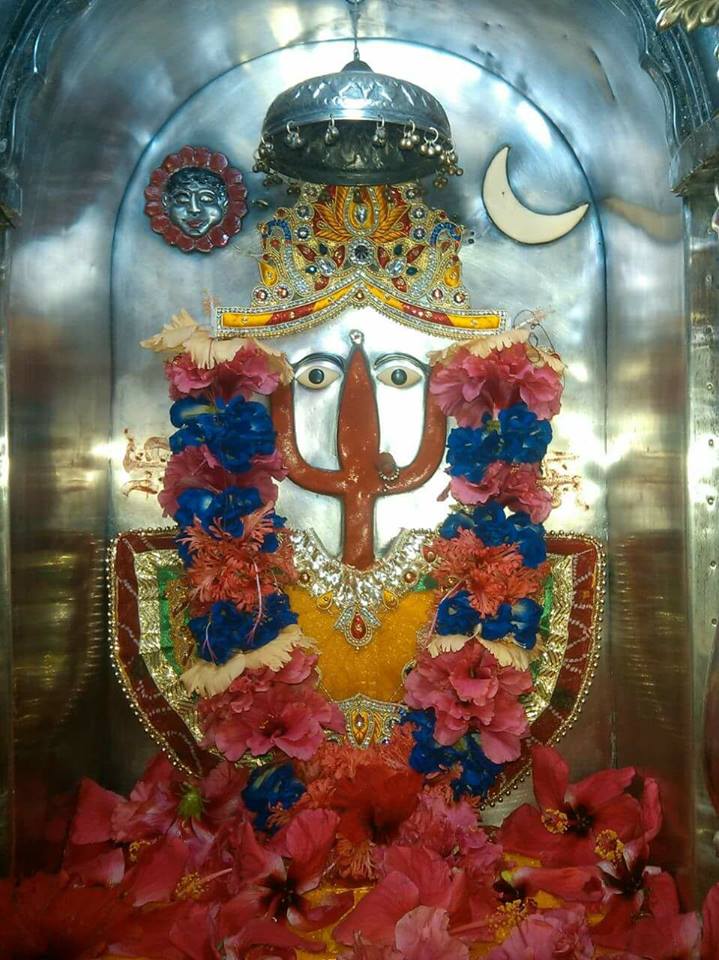
Rani Sati Mandir Mahuda
Rani Sati Mandir in Mahuda, Dhanbad District, is a Hindu temple established in 1992 that serves as a spiritual center for the local community and attracts devotees seeking blessings.