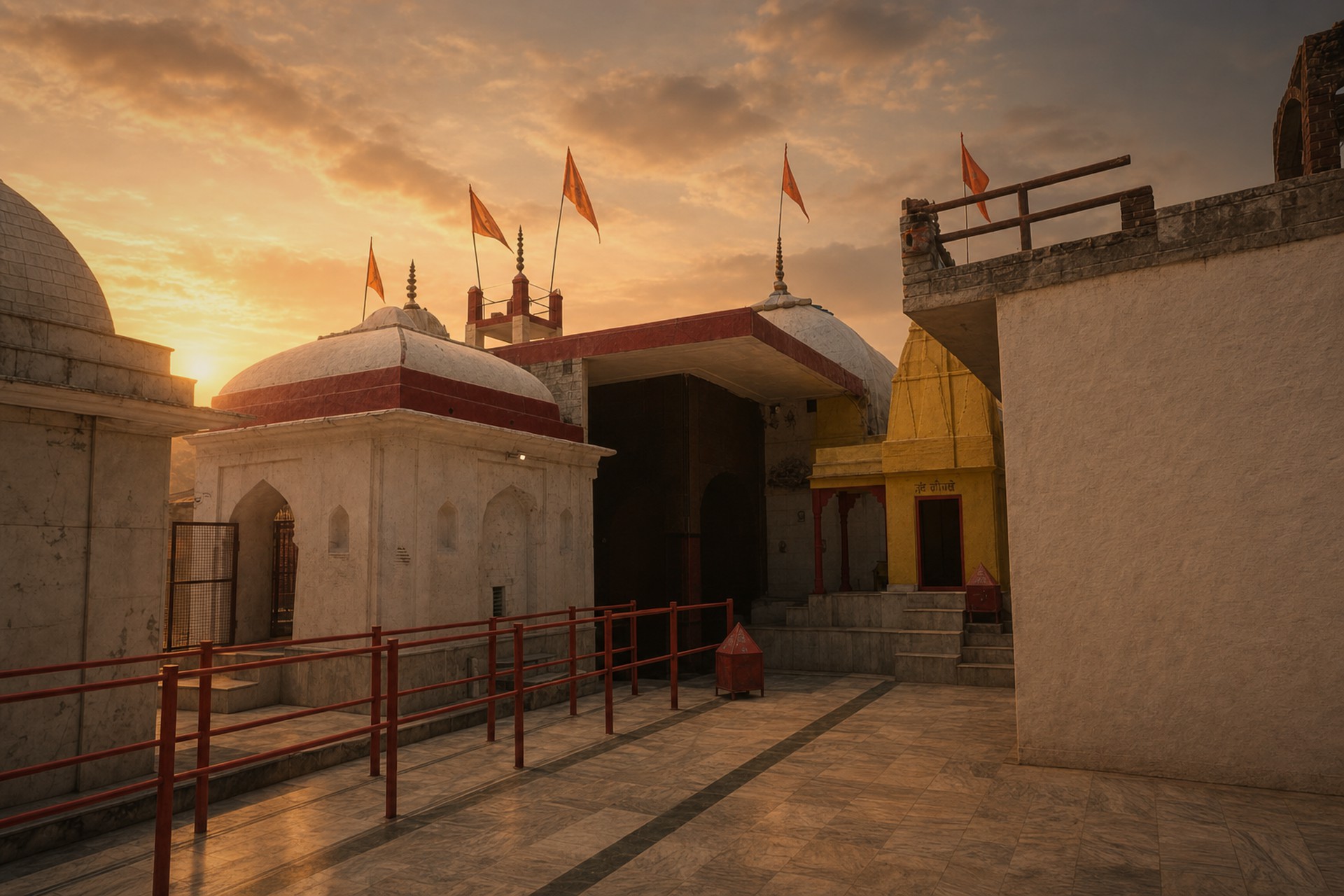
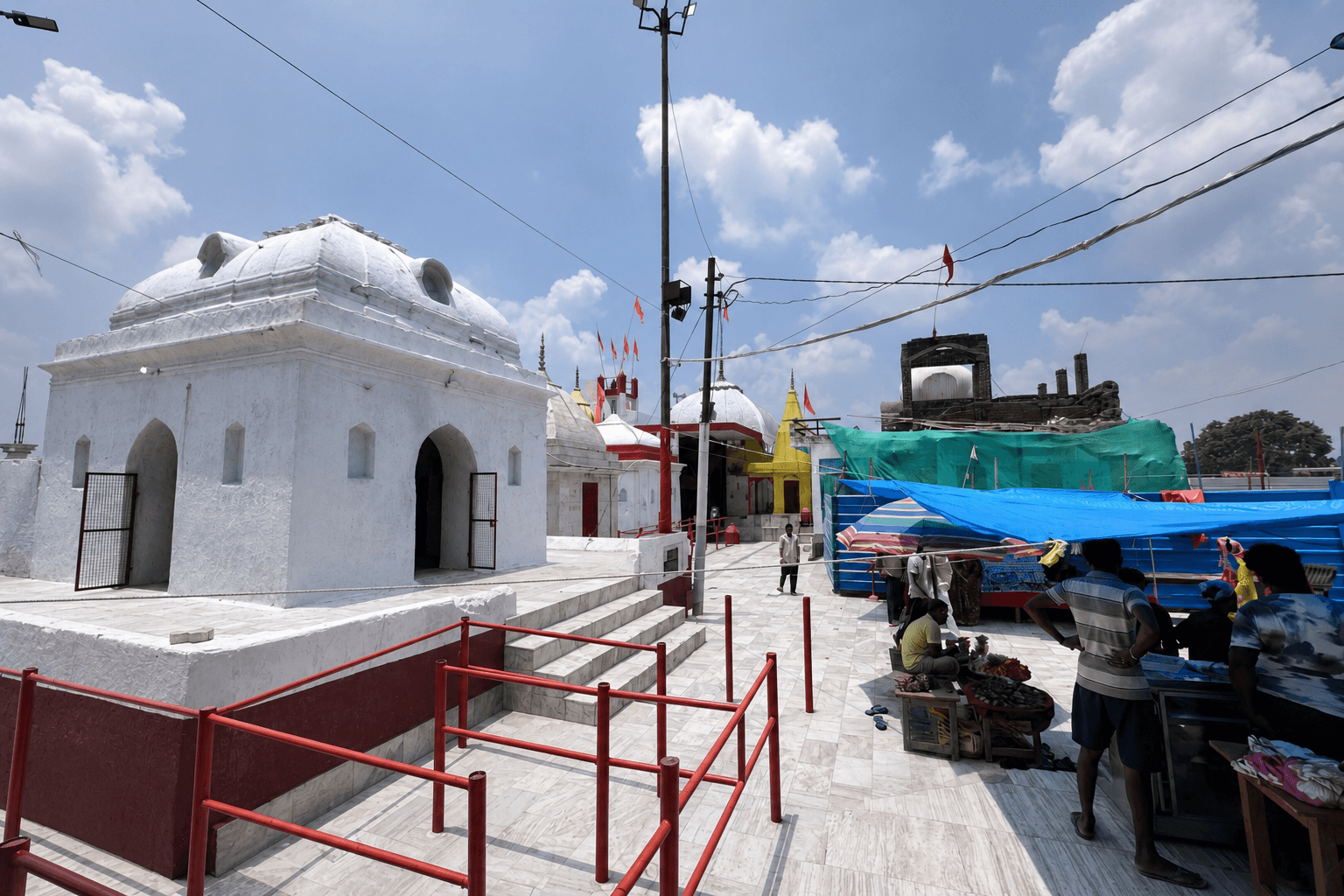
Lodheshwar Mahadev Mandir
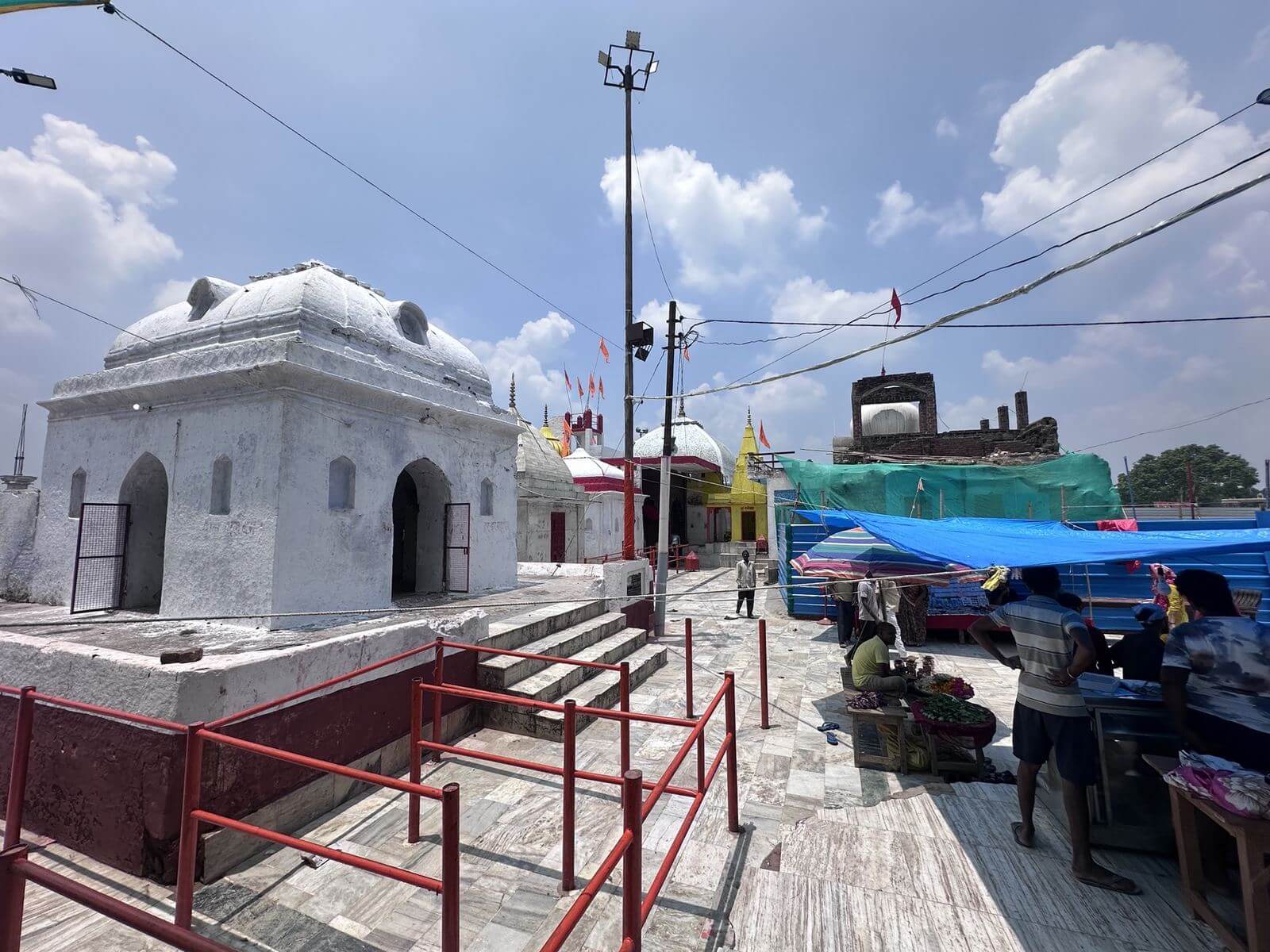
About Lodheshwar Mahadev Mandir
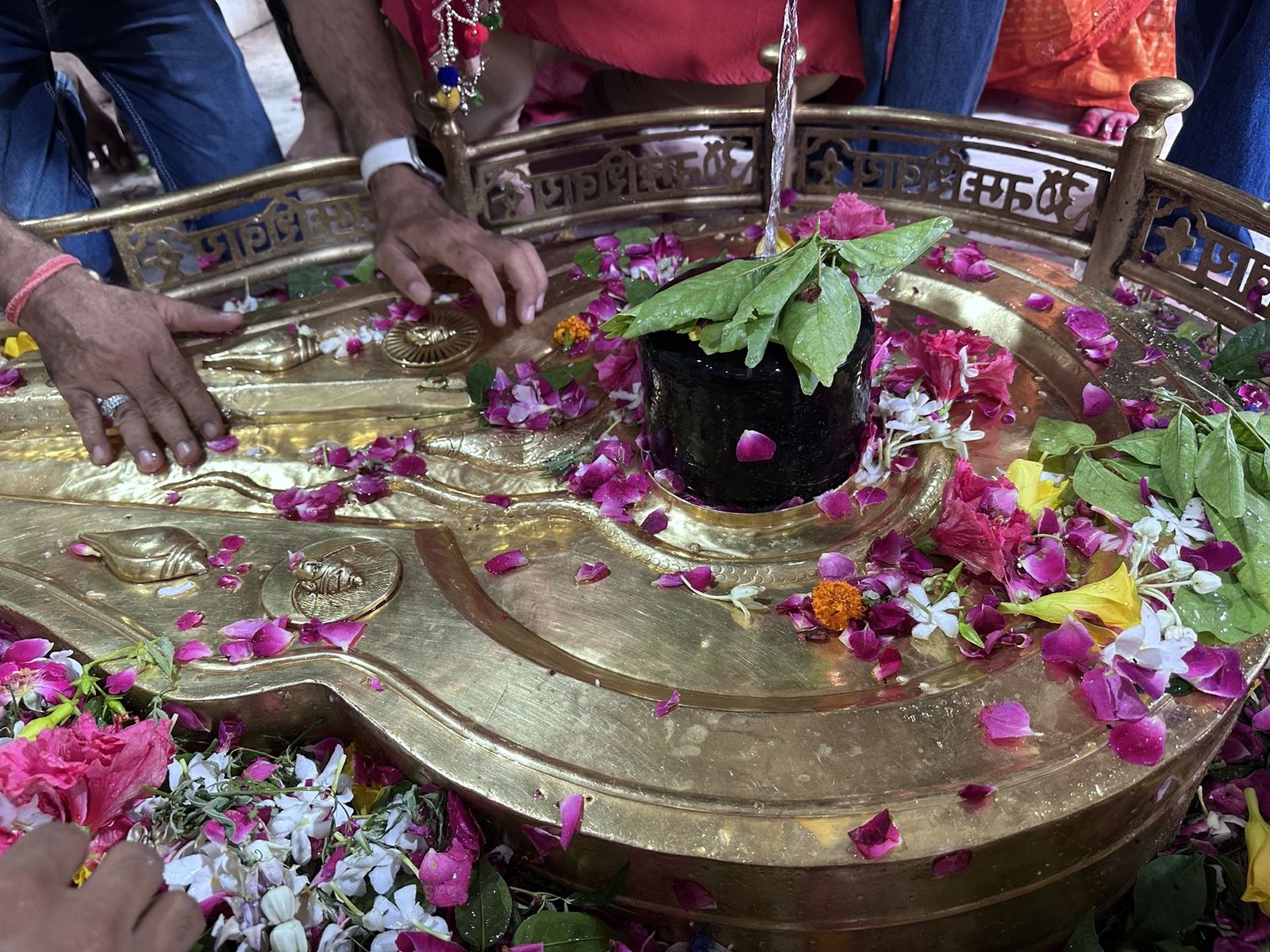
Local tradition traces the temple's establishment to a dream received by Pandit Lodheram Awasthi, a Brahmin of the region. According to the account, Lord Shiva appeared to him and directed him to a pit in his field where irrigation water would vanish into the earth. Upon digging at that spot, Lodheram's implement struck a hard form, and the Shivling was discovered. The temple that followed took its name from the pandit himself—Lodhe joined with Ishwar to become Lodheshwar. Lodheram was blessed with four sons, and villages in the surrounding belt are said to carry their names.
The temple's antiquity is underscored by references in the Mahabharata, placing it within the sacred chronology of Hindu tradition. Post-war narratives speak of the Pandavas performing a mahayagya (great ritual sacrifice) at this site. A sacred well known as Pandav-Kup remains nearby, and devotees regard its water as possessing healing properties. The Shiv Abharan Sarovar, a water tank developed under the Ramnagar estate, serves pilgrims who wish to bathe before entering the temple.
Darshan and Daily Worship
The temple opens for morning darshan from 5:00 am to 12:00 pm, and again from 1:00 pm to 9:00 pm. These timings allow devotees to visit across the day, though early morning hours tend to draw fewer crowds. The specific times of the Shringar Aarti (morning ritual) and Shayan Aarti (evening ritual) are not formally documented in available sources, but temples of this tradition typically perform these rituals at dawn and dusk respectively.
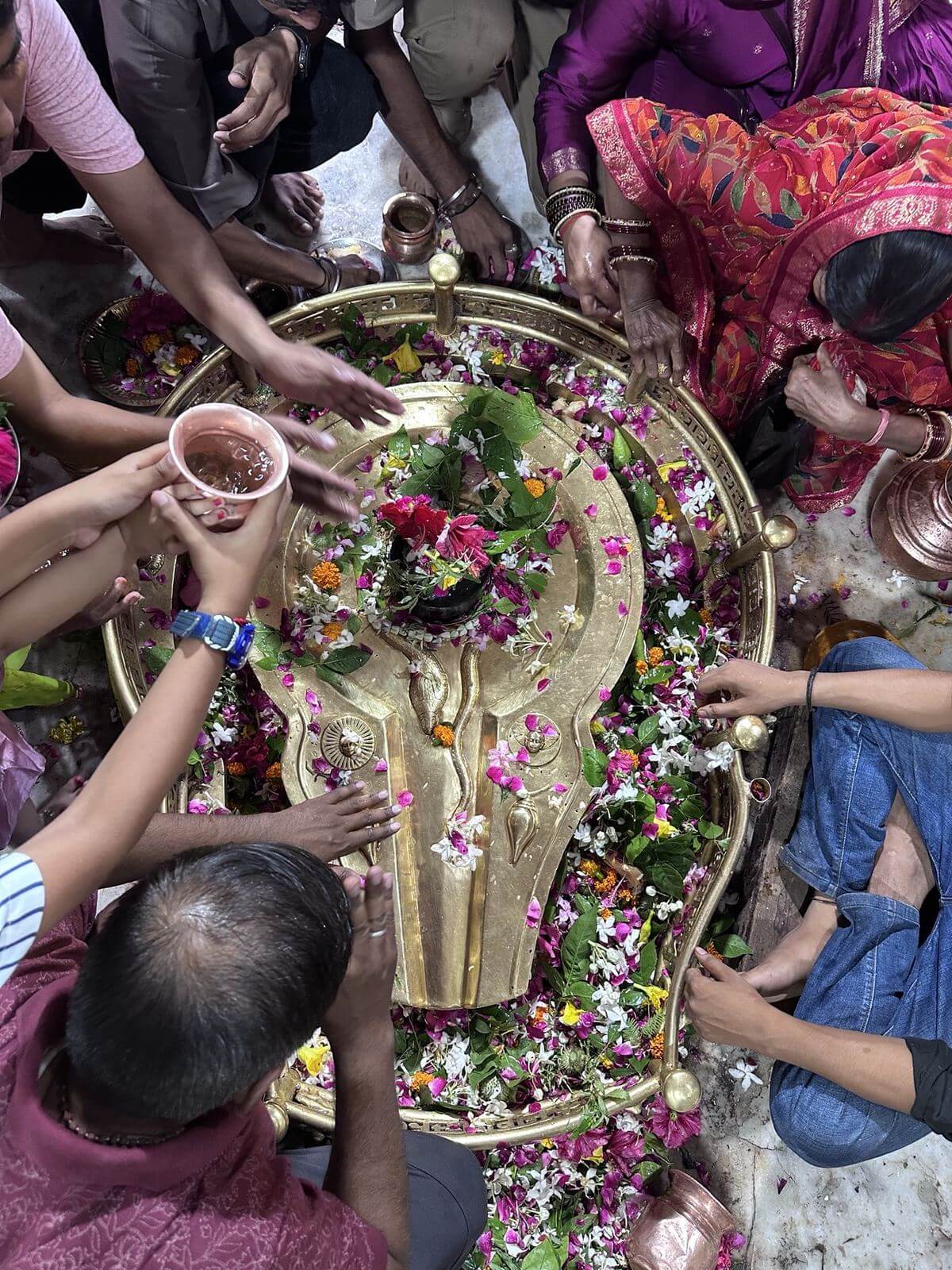
Visitors are encouraged to keep their approach simple: bathing or purifying at the sarovar if desired, taking darshan with a quiet mind, and offering water to the Shivling. Many pilgrims, particularly kanwariyas (those undertaking the Kanwar Yatra), bathe at nearby waters before entering the temple. The mark on the lingam is said to become particularly visible when milk is offered during worship.
Maha Shivaratri and the Kanwar Yatra
Maha Shivaratri, observed in the Phalgun month, draws the largest gatherings to Lodheshwar Mahadev. During this festival, lakhs of pilgrims arrive carrying kanwars—ritual structures used to transport sacred water—from cities including Kanpur, Banda, Jalaun, and Hamirpur. The yatra is marked by devotional chanting of "Bam Bhole" as pilgrims offer Gangajal (water from the Ganges) to the deity. The festival transforms the temple into a major pilgrimage center, and visitors should anticipate substantial crowds during this period.
The Shravan month, particularly Mondays, also draws significant devotional traffic. Devotees observing Shravan vows visit Shiva temples during this lunar month to offer prayers and water. Those planning a visit during these peak periods should arrange return transport before 7:00 pm, as local autos from Ramnagar become congested.
Practical Information for Visitors
The temple is located approximately 4 km from Ramnagar, which serves as the primary transit hub. From Barabanki city, the distance is roughly 32 km via the Fatehpur–Suratganj–Ramnagar road, after which local transport covers the final stretch to Mahadeva village. Lucknow and other nearby cities connect through Barabanki. Modest clothing is appropriate for temple visits, and visitors should carry water, especially during warmer months or festival periods when crowds gather.
A corridor development project, the Lodheshwar Mahadev Corridor, is underway to expand facilities for pilgrims. For inquiries, contact information is available through local travel listings. The best times to visit for a quieter darshan are early morning hours outside of Maha Shivaratri and Shravan periods.
How to reach
Temples near Lodheshwar Mahadev Mandir
Aliganj Hanuman Temple
Aliganj Hanuman Temple in Lucknow is a revered shrine dedicated to Lord Hanuman, established during the British colonial era and renowned for its annual Bade Mangal festival cel…

Sri Ramakrishna Math, Lucknow
Sri Ramakrishna Math in Lucknow is a monastic spiritual center dedicated to the teachings of Sri Ramakrishna, Holy Mother Sarada Devi, and Swami Vivekananda, welcoming devotees…
Ayodhya Shwetambar Jain Temple
The Ayodhya Shwetambar Jain Temple, located in Raiganj, is a Digamber Jain shrine dedicated to Rishabhdev (Adinath), the first Tirthankar, featuring a striking 31-foot marble st…

Ram Janmabhoomi
Ram Janmabhoomi in Ayodhya is a newly constructed Nagara-style temple built in pink sandstone, dedicated to Lord Rama at his legendary birthplace. The temple operates under the…
Naya Anand Bhawan Temple
The Naya Anand Bhawan Temple in Ayodhya is not clearly documented in the provided sources, which primarily reference the Shri Ram Janmbhoomi Teerth Kshetra.

Kanak Bihari Temple
Kanak Bihari Temple in Ayodhya's Ramkot area enshrines golden idols of Rama and Sita within an ornately decorated sanctum, rebuilt in the 19th century by Orchha queens on a site…