Kumbakonam Rajagopalaswamy Temple
About Kumbakonam Rajagopalaswamy Temple
The temple observes a two-session schedule for darshan. Morning hours run from 06:00 to 11:30, followed by a midday closure from 12:00 to 16:00. Evening darshan begins at 16:00 and continues into the night. Two key rituals structure the day: the Kala Sandhi Puja, held from 07:00 to 08:00 in the morning, and the Ardha Jama Puja from 20:00 to 20:30 in the evening. Both ceremonies involve the decoration of the deity with flowers, reflecting the Pancharatra tradition's emphasis on floral offerings as devotional practice. The morning session typically attracts fewer visitors than the evening hours, making it a quieter time for worship. Those wishing to observe the flower decoration ceremonies should plan to arrive during the specified ritual times.
Visiting Practicalities
The temple is located on Periya Kadai Street in Kumbakonam, Thanjavur District, at postal code 612001. The best season to visit is November through February, when temperatures are moderate and weather conditions are favourable for travel. The temple can be reached via Kumbakonam's bus network; local and private operators run regular services connecting the town to nearby cities including Thanjavur (31 km away) and Mayiladuthurai (39 km away). Visitors should be aware of the midday closure, which is strictly observed. Modest dress is customary when entering Hindu temples; women typically wear salwar kameez, sarees, or equivalent modest clothing, while men wear dhotis or simple trousers and shirts. Shoes are removed before entering the sanctum. Photography policies vary; it is advisable to check with temple staff before photographing rituals or the inner sanctum. The temple does not charge admission for darshan, though voluntary donations support its maintenance.
Temple Architecture and Layout
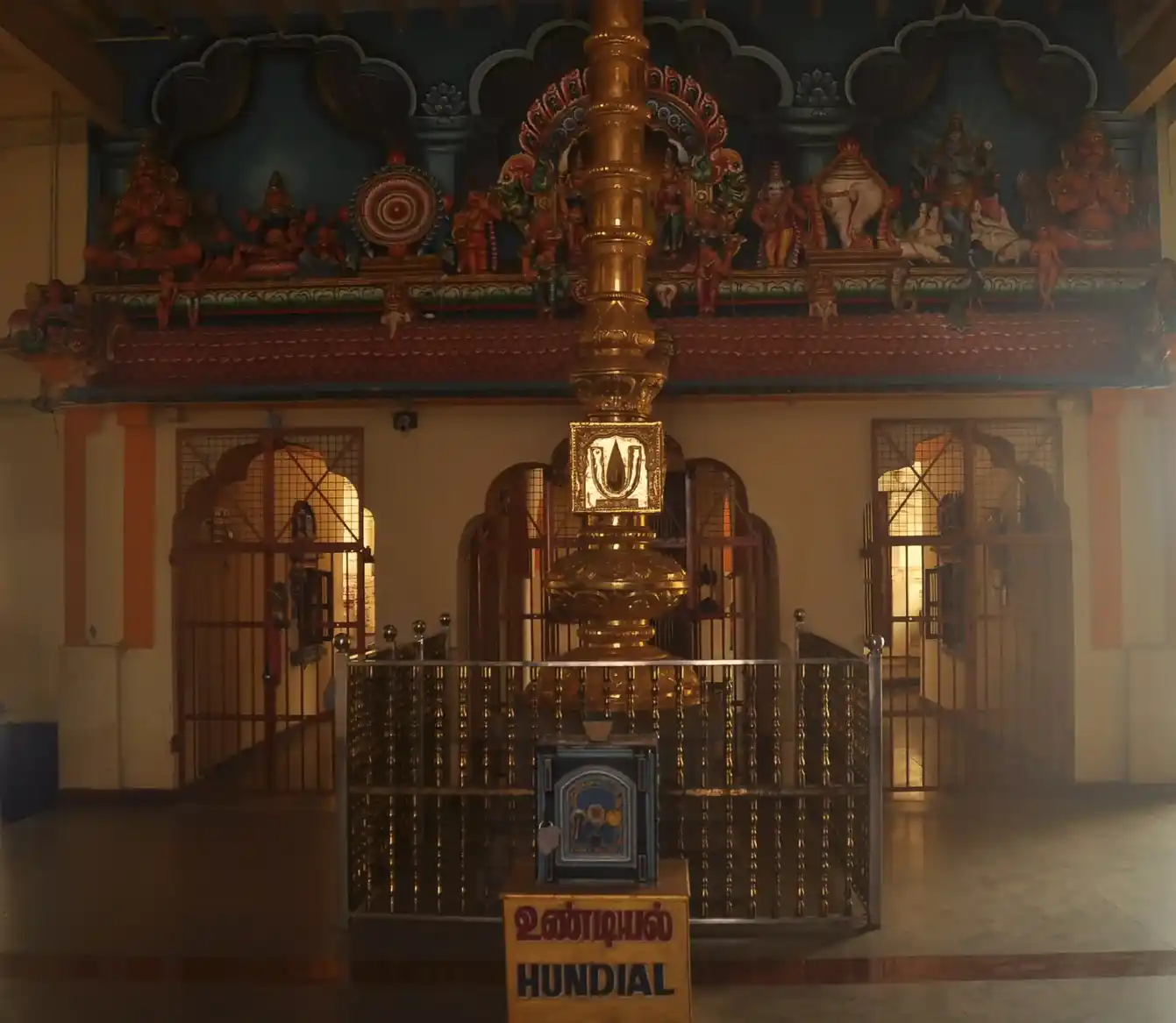
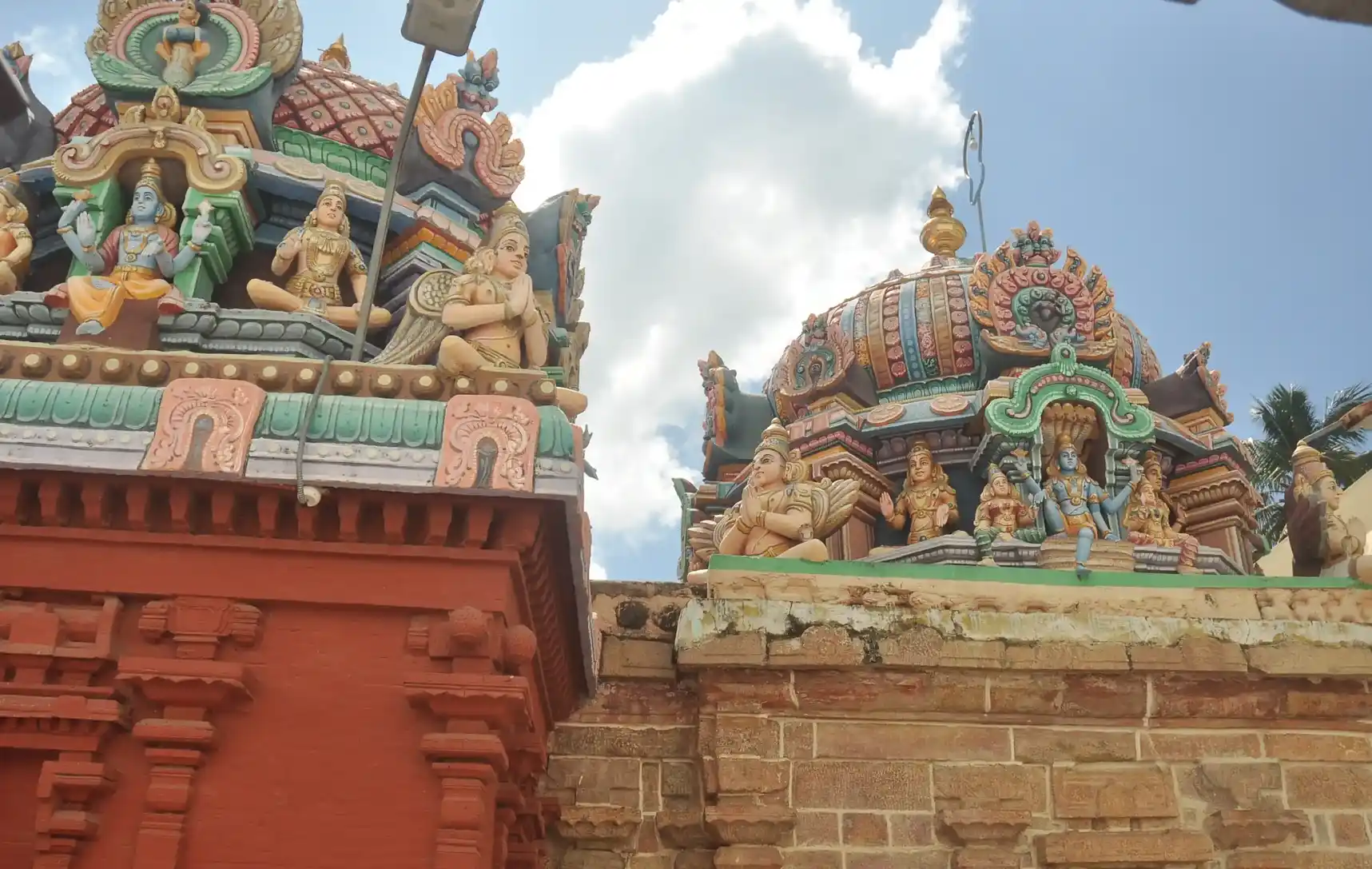
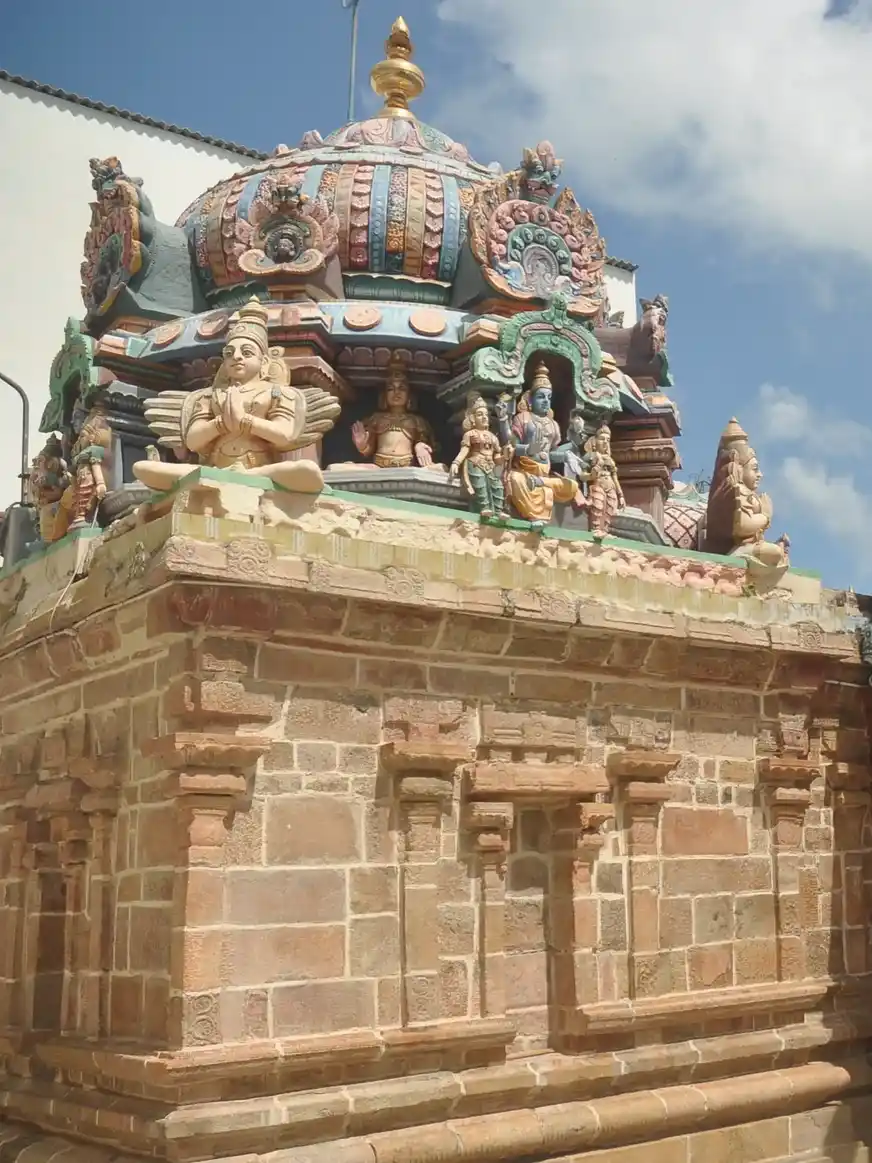
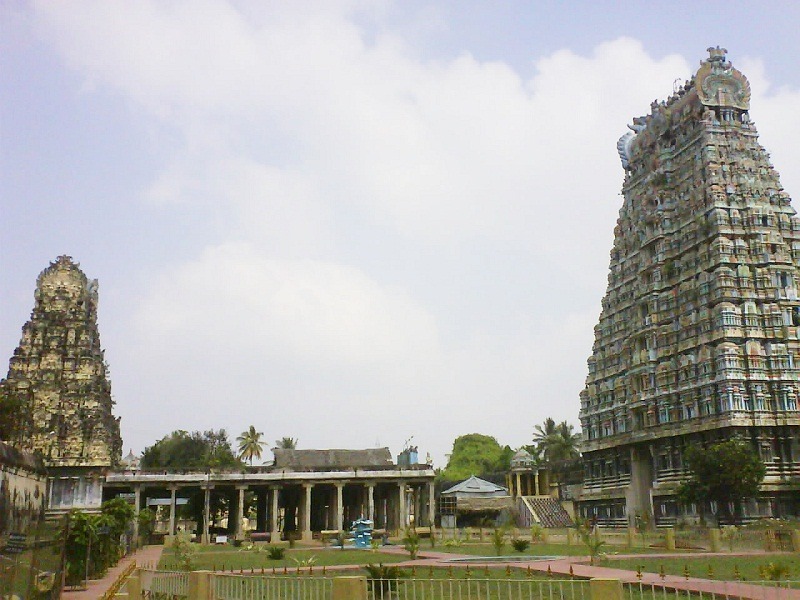
The temple complex encompasses several significant structures built across different periods. The thousand-pillared hall, constructed during the Nayak period, remains a notable architectural feature. The main gopuram (temple tower) rises prominently above the shrine. An extensive compound wall encloses the temple grounds. King Vijayaraghava Nayak, who oversaw much of the temple's present form, also commissioned a tall tower from which devotees could view the distant Srirangam Ranganathaswamy temple. These structures reflect the architectural conventions of South Indian temple design, with their emphasis on gopurams, pillared halls, and fortified compounds.
Getting There
Kumbakonam is well connected by road and rail. The town serves as a transport hub for the region, with regular bus services operated by Tamil Nadu State Transport Corporation (TNSTC) and private operators. Visitors arriving by train can access Kumbakonam Railway Station and then travel to the temple via local buses or hired transport. The temple's location within Kumbakonam makes it accessible to those exploring other religious sites in the area. Allow sufficient time for travel, particularly during peak visiting seasons, and confirm current bus schedules with local transport authorities before planning your journey.
How to reach
You may also visit
Kalyanji Temple
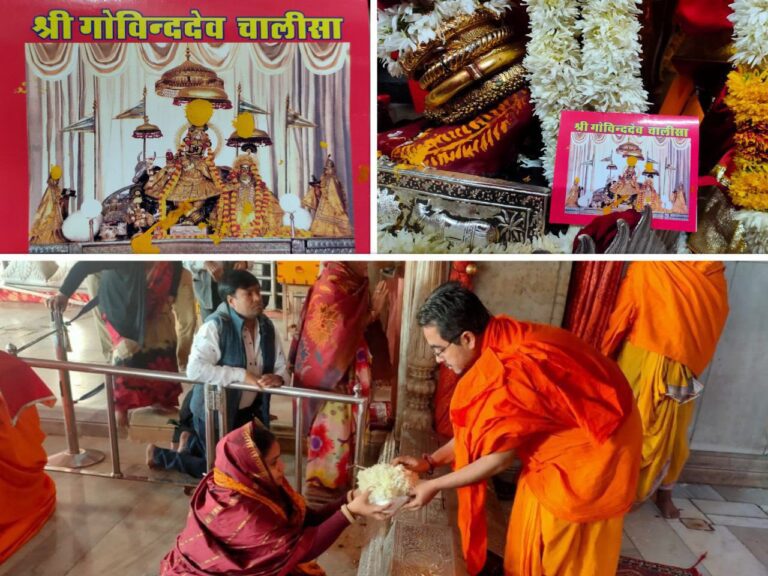
Kalyanji Temple in Jaipur's Chandpol Bazaar is approximately two centuries old and renowned for displaying the twenty-four avatars of Krishna, visible only twice yearly during Akha Teej and Patottsav festival.
Sastha (Ayyappan) Temple
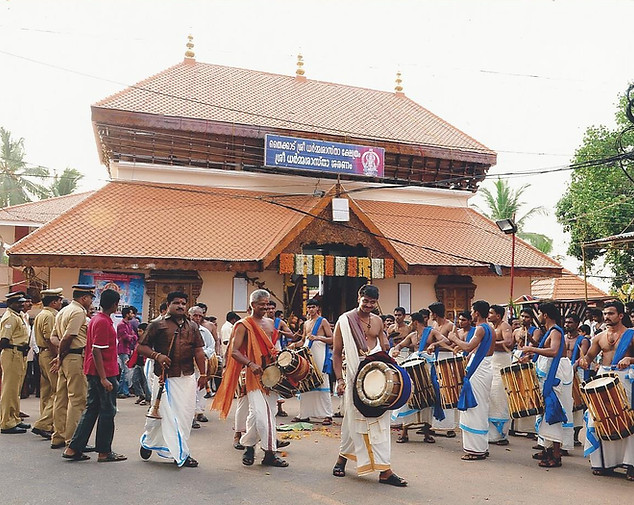
Sree Dharma Sastha Temple in Thycaud, Thiruvananthapuram, is a centuries-old shrine where the deity manifests as Dhanwanthari, the divine healer, holding the sacred blue lotus.
Govindarajaswamy Temple
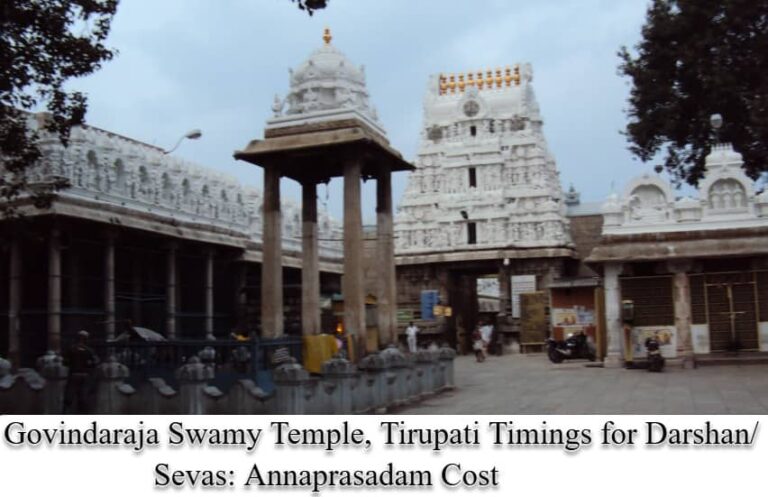
Sri Govindarajaswamy Temple in Tirupati is an ancient Vaishnavaite shrine consecrated in 1130 AD by Saint Ramanuja, where the presiding deity rests in eternal Yoga Nidra on the serpent Adisesha.