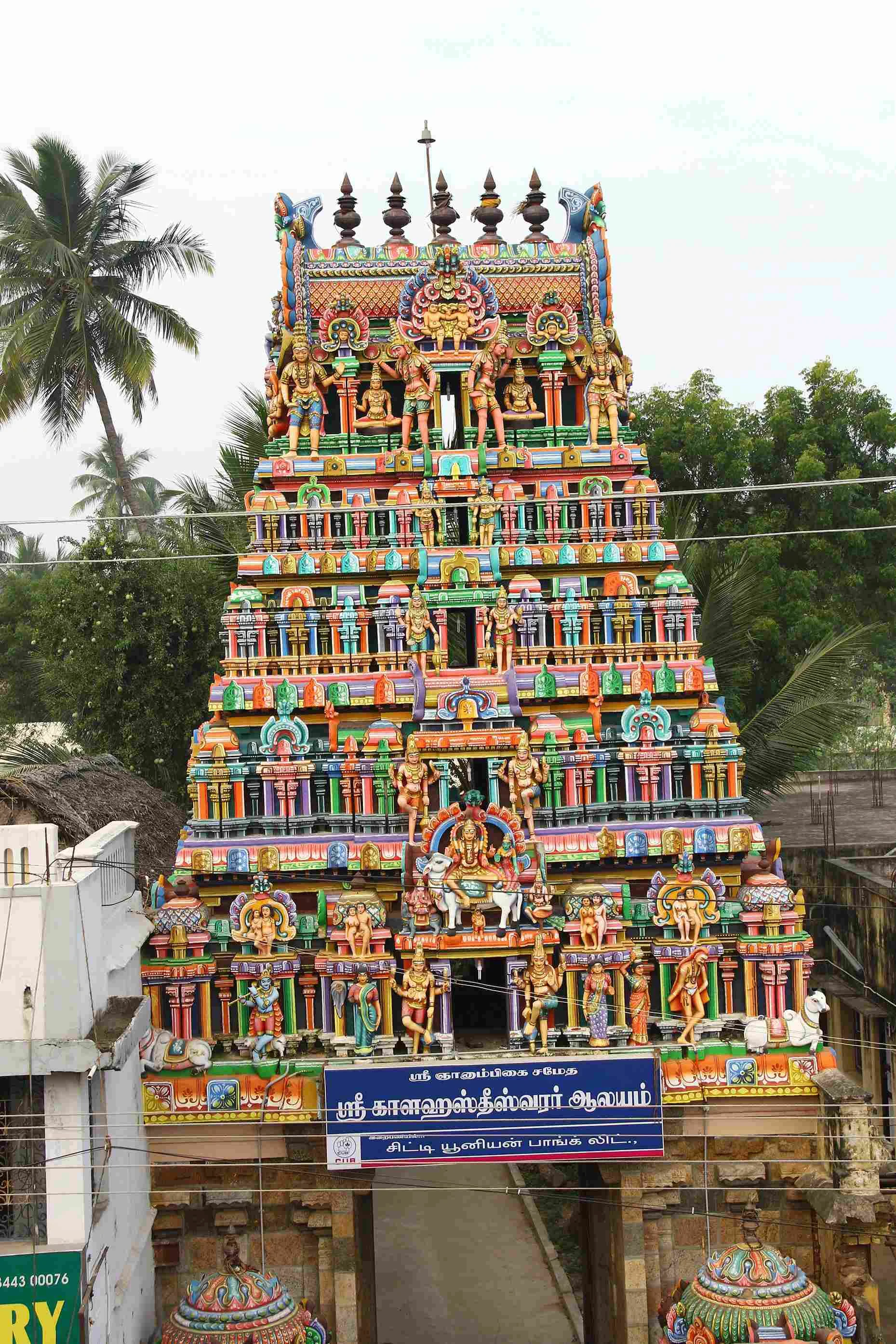
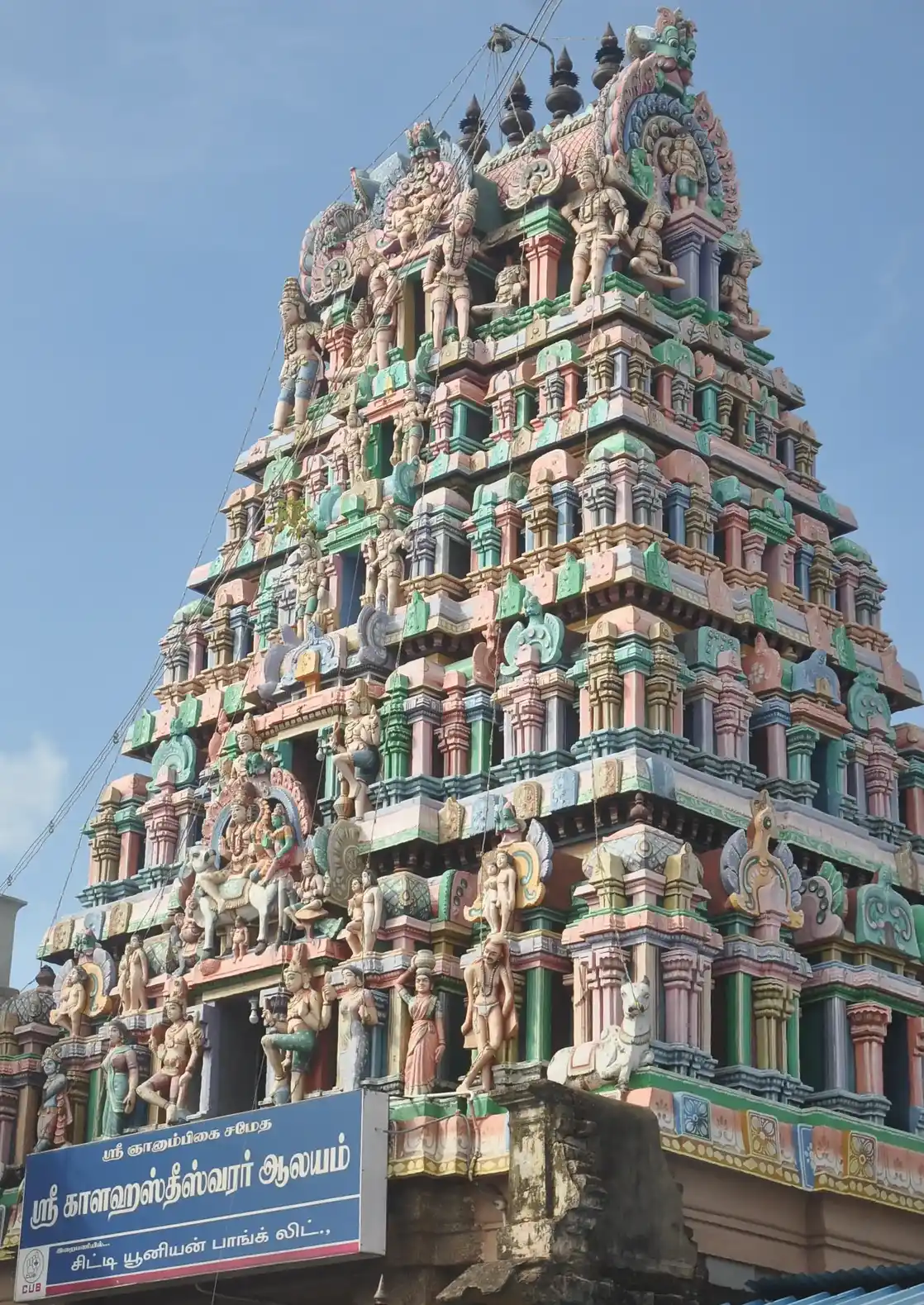
Kalahasteeswarar Temple, Kumbakonam
About Kalahasteeswarar Temple, Kumbakonam
The main deity, Kalahastiswarar, is worshipped alongside the goddesses Jnana Prakalambikai and Karthiyaini. Within the temple, a distinctive shrine holds Jwarahareswarar in three forms—a feature noted as uncommon in major temples. This deity is depicted with two legs below, lying down, and appears only in the morning hours. Devotees believe that Jwarahareswarar governs diseases of the bones, skin, and nerves, and that worship here brings relief from such afflictions.
The sanctum also contains a magnificent statue of Nadarajar, around which Sivakami Amman and the saint Manikkavasagar are depicted offering blessings to visitors. During worship rituals, Siva Suryan (the Sun God) is invoked facing east, and sacred water anointing forms part of the daily practice.
Darshan Hours and Best Times to Visit
The temple opens for morning darshan from 6:00 AM to 12:00 PM, then closes for an afternoon break until 4:00 PM. Evening darshan runs from 4:00 PM to 8:30 PM. These timings may shift during festivals and special occasions, so confirmation with the temple is advisable before travel.
For the most comfortable visit, November through February offers cooler weather and more manageable crowds. Within those months, arriving between 6:00 AM and 11:30 AM provides the best combination of pleasant temperatures and fewer visitors. The early morning hours also align with the appearance of Jwarahareswarar, making this the optimal time for those seeking that particular darshan.
Annual Observances
The temple marks Makara Sankranti with a divine marriage ceremony for the deity, followed by daily displays of the wedding scene. During this festival, the deity circumambulates the Maha Mandapam while blessing devotees. The temple also conducts special worship for Durga during Rahu Kalam periods—the inauspicious times in the lunar calendar when Rahu's influence is believed to be strongest.
The temple is recognized as part of the Maha Magha Theerthavari route, a pilgrimage circuit of sacred sites, and draws those seeking relief from incurable diseases through prayer and worship.
Practical Information for Visitors
The temple's location on Mathathu Street, along the Kaveri's southern bank, places it within Kumbakonam's temple district. Visitors should dress modestly, as is customary in Hindu temples—covered shoulders and knees are respectful. Photography policies vary; it is best to ask temple staff before photographing the sanctum or rituals.
The afternoon closure from 12:00 PM to 4:00 PM should be factored into your schedule. This break is standard practice in many South Indian temples and allows for maintenance and rest during the hottest part of the day. Facilities within the temple complex are basic; nearby hotels and restaurants in Kumbakonam can provide meals and refreshment.
Reaching the Temple
Kumbakonam is well connected by road and rail to major cities in Tamil Nadu. The temple's precise coordinates (10.966319, 79.377602) can be entered into navigation apps for precise directions. Local auto-rickshaws and taxis are readily available in town for the short journey to Mathathu Street. The Kaveri riverside location makes the temple accessible and visible from several approach routes through the town.
How to reach
Temples near Kalahasteeswarar Temple, Kumbakonam
Banapuriswarar Temple
Banapuriswarar Temple in Kumbakonam, Tamil Nadu is a Shiva shrine steeped in mythological significance, marking the legendary spot where the deity aimed his celestial bow at a p…
Chakrapani Temple
Chakrapani Temple in Kumbakonam is a prominent Hindu shrine dedicated to Lord Vishnu, where the deity manifests as the divine discus to vanquish pride and bestow grace upon devo…
Kumbakonam Yanayadi Ayyanar Temple
Ayyavadi Pratyangira Devi Temple in Kumbakonam is a shrine dedicated to the fierce goddess Pratyangira Devi, accessible during standard morning and evening darshan hours.
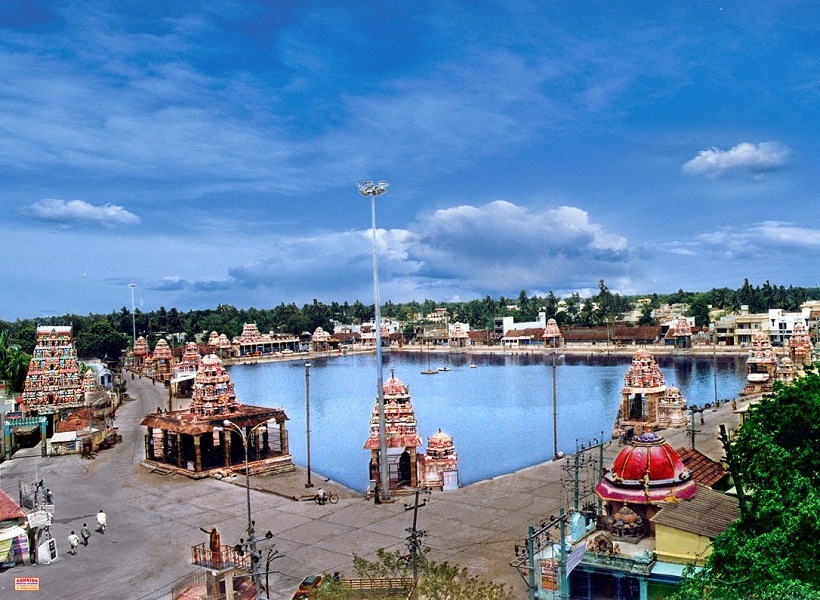
Mahamaham tank, Kumbakonam
Mahamaham Tank is a revered riverbank temple complex in Kumbakonam dedicated to Lord Shiva, featuring 16 mandapams surrounding a 6.2-acre trapezoidal tank with 21 sacred wells.…
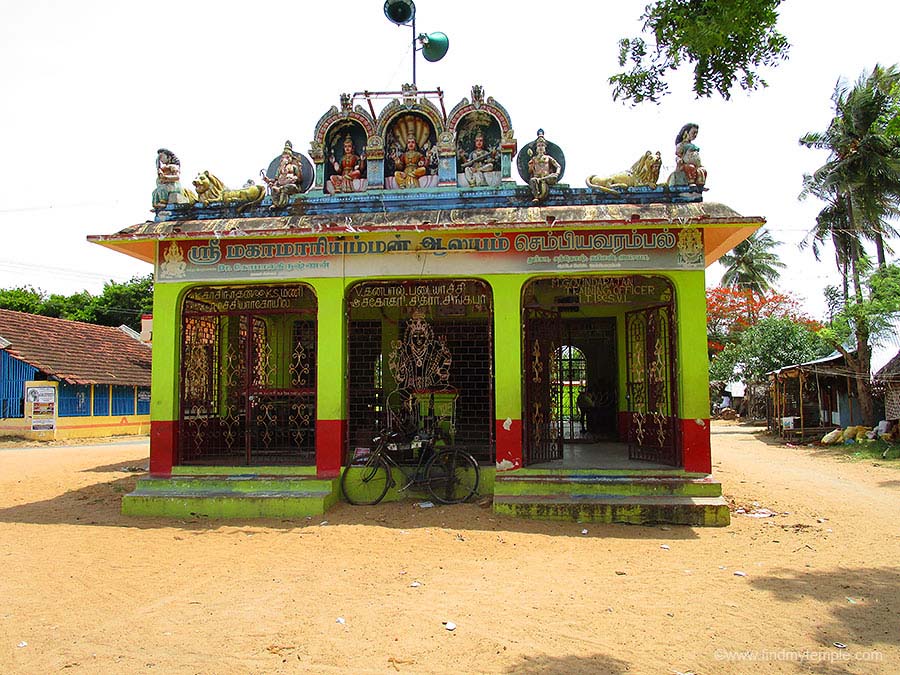
Kumbakonam Malayalam Mariamman Temple
No specific information found for Kumbakonam Malayalam Mariamman Temple in the provided sources.
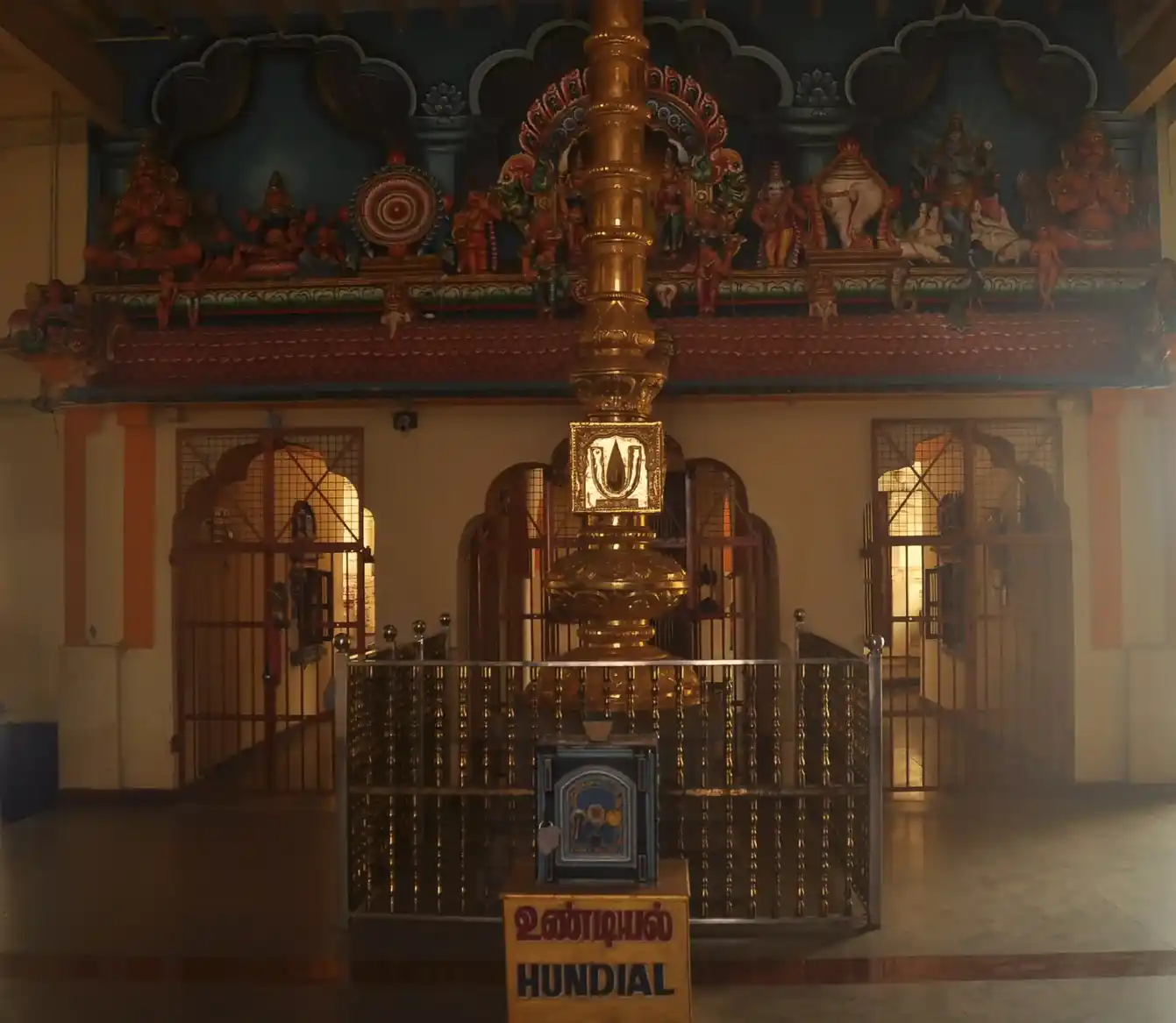
Kumbakonam Rajagopalaswamy Temple
The Rajagopalaswamy Temple in Kumbakonam is a significant Vaishnavite shrine dedicated to Lord Krishna's incarnation as Rajagopalaswamy, established in the 16th century and main…