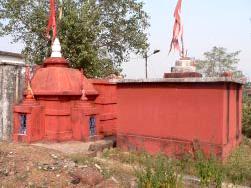
Kukutesvara Siva Temple
About Kukutesvara Siva Temple
Kukutesvara Siva Temple welcomes visitors during standard darshan hours typical of Hindu temples in the region. As with most Shiva temples, devotees should observe basic etiquette: remove footwear before entering the sanctum, maintain respectful behaviour, and dress modestly. Women and men alike should wear clothing that covers shoulders and knees. The temple is open to visitors of all backgrounds seeking darshan (viewing of the deity).
The best season to visit Bhubaneswar and its temples is during the cooler months from October through March, when the climate is more comfortable for walking and spending time outdoors. During this period, the intense heat and monsoon rains that characterise other seasons are absent, making pilgrimage and sightseeing more pleasant.
Location and Access
The temple is situated in Bhubaneswar at coordinates 21.25°N, 85.825°E. Bhubaneswar, the capital of Odisha, is well connected by rail and road to major Indian cities. Visitors arriving by train can reach Bhubaneswar Junction, from which local transport—auto-rickshaws, taxis, or hired vehicles—can convey them to the temple's location. The city's compact temple district makes it feasible to visit multiple shrines in a single day, and many visitors combine a visit to Kukutesvara with other nearby temples as part of a broader exploration of Bhubaneswar's sacred sites.
Worship and Daily Practice
As a Shiva temple, Kukutesvara follows the liturgical patterns common to Shaivite shrines across India. Devotees typically visit during morning and evening hours when worship is most active. The temple likely observes daily rituals centred on the Shiva linga, the symbolic form in which Shiva is most commonly worshipped in temples of this tradition. Specific details about aarti timings, special pujas, or the temple's priesthood are not documented in available sources; visitors planning to participate in particular rituals or ceremonies should contact the temple directly to confirm current schedules, as these can vary seasonally and with festival observances.
Bhubaneswar's Temple Heritage
Kukutesvara exists within Bhubaneswar's larger identity as a major pilgrimage and cultural centre. The city contains numerous temples spanning different periods and architectural styles, making it a significant destination for those interested in Hindu sacred architecture and practice. Visiting Kukutesvara offers an opportunity to encounter a smaller, intimate shrine within this broader landscape—a counterpoint to the larger and more elaborate temples that often dominate visitor attention. The temple's modest scale and long history make it representative of the many neighbourhood shrines that form the foundation of Hindu religious life across India.
How to reach
You may also visit
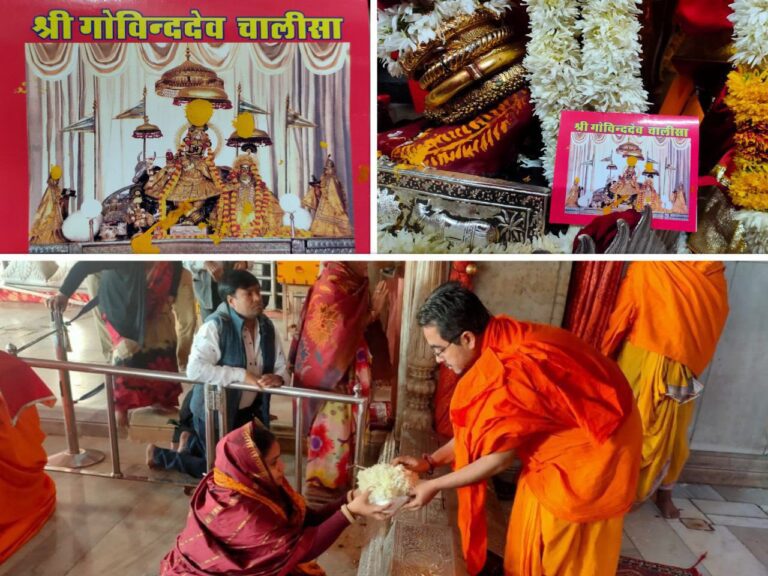
Kalyanji Temple
Kalyanji Temple in Jaipur's Chandpol Bazaar is approximately two centuries old and renowned for displaying the twenty-four avatars of Krishna, visible only twice yearly during Akha Teej and Patottsav festival.
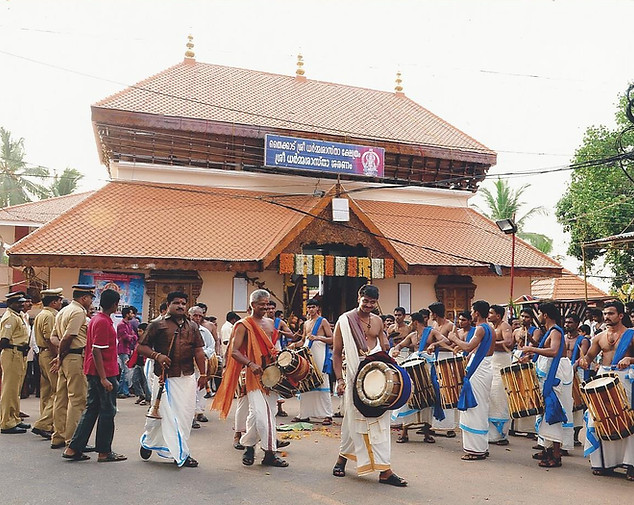
Sastha (Ayyappan) Temple
Sree Dharma Sastha Temple in Thycaud, Thiruvananthapuram, is a centuries-old shrine where the deity manifests as Dhanwanthari, the divine healer, holding the sacred blue lotus.
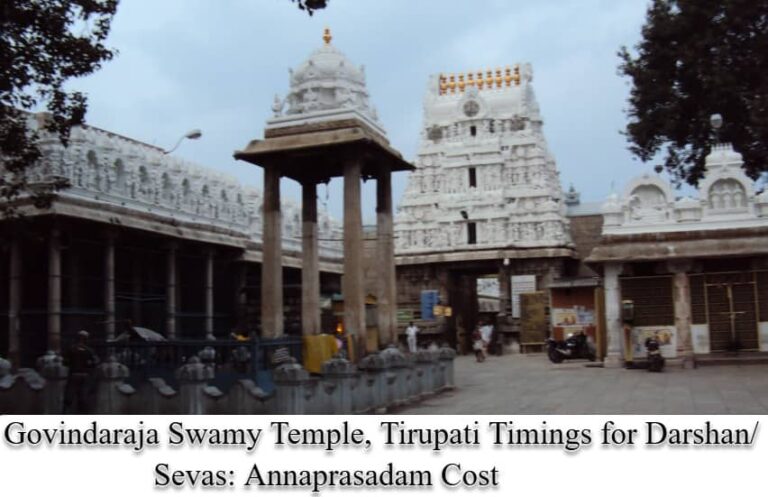
Govindarajaswamy Temple
Sri Govindarajaswamy Temple in Tirupati is an ancient Vaishnavaite shrine consecrated in 1130 AD by Saint Ramanuja, where the presiding deity rests in eternal Yoga Nidra on the serpent Adisesha.