Kapilash Temple
About Kapilash Temple
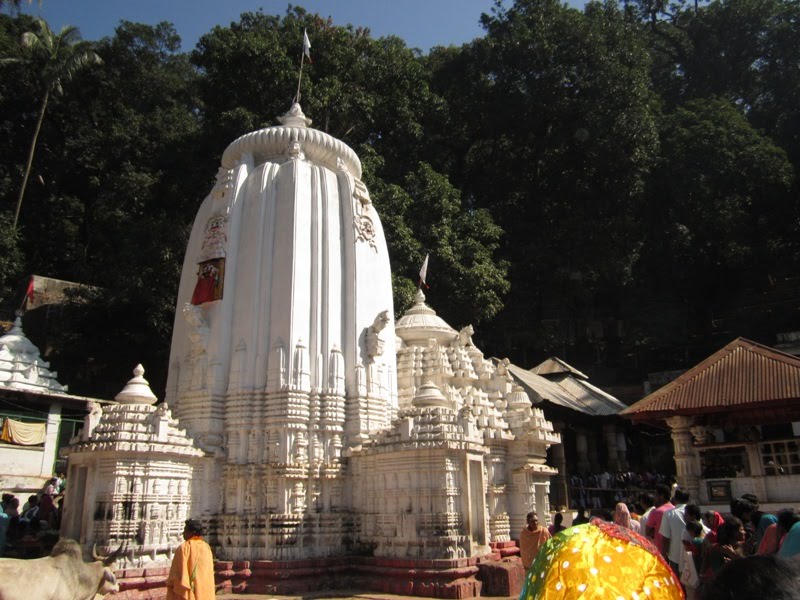
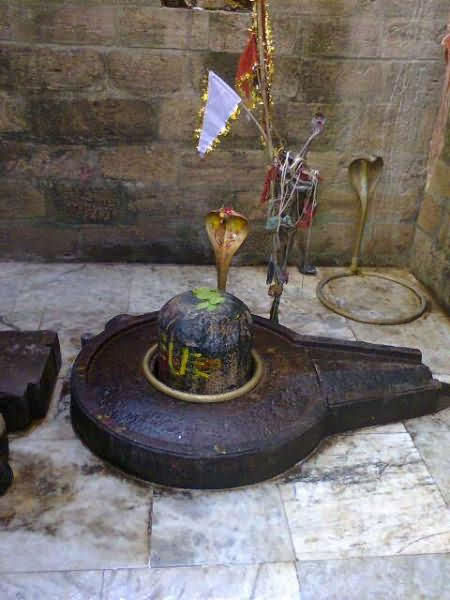
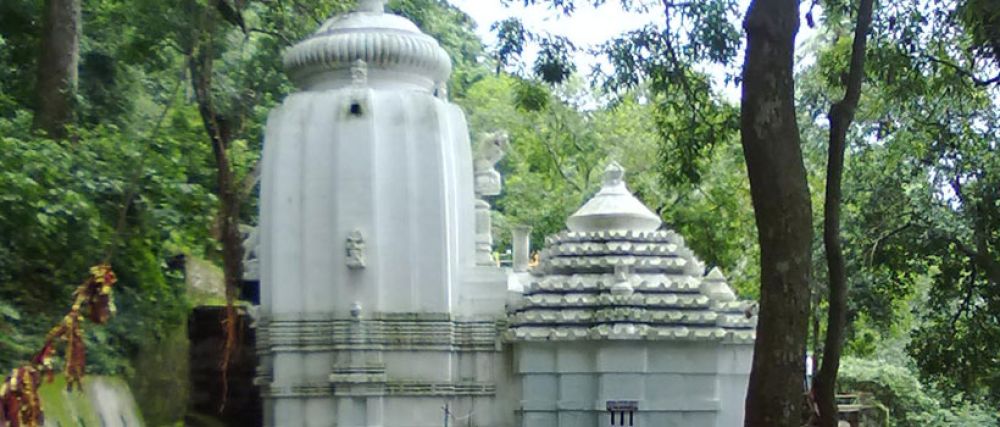
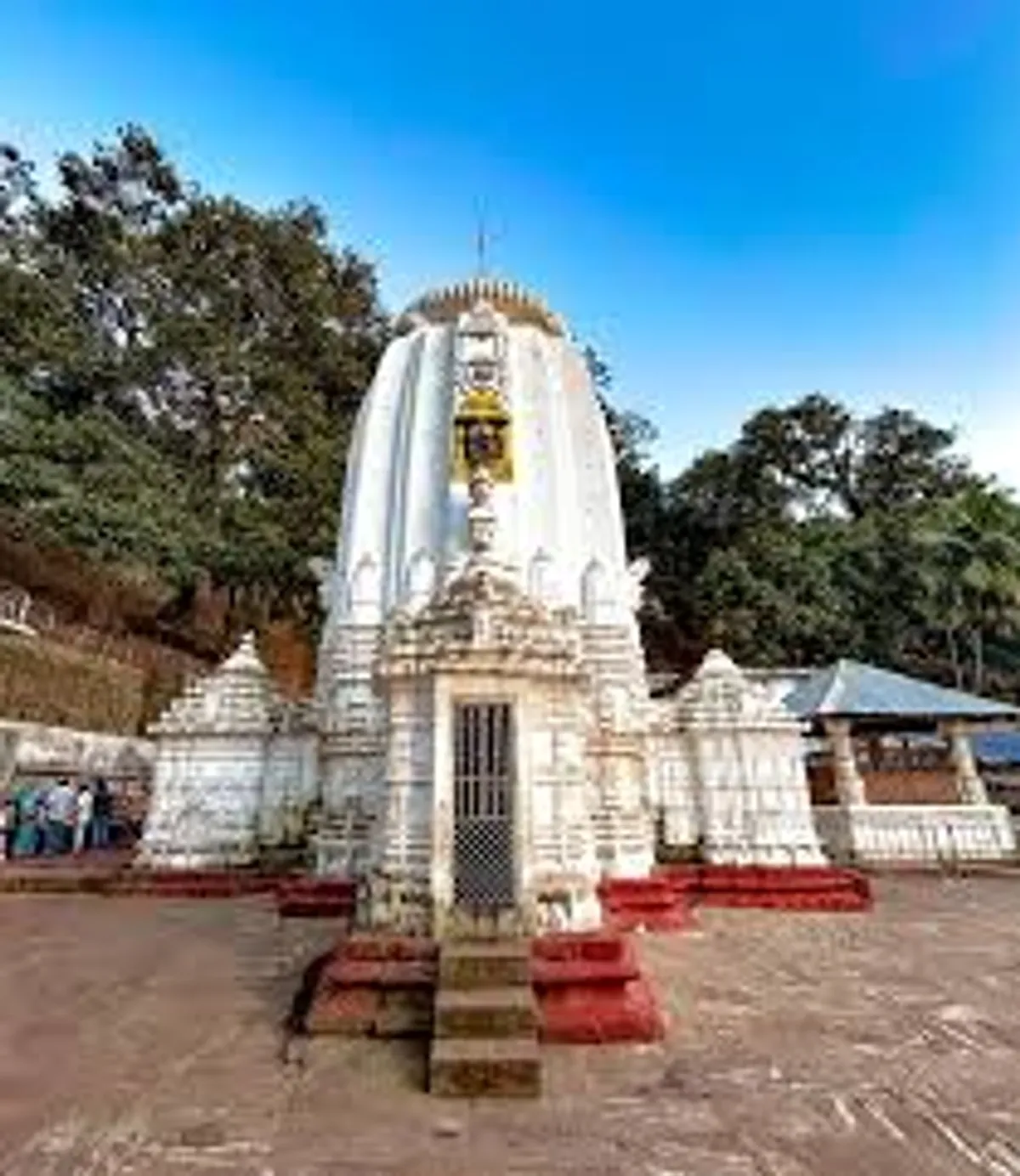
The temple honours Shiva in a form that emphasizes his cosmic and meditative aspects. Chandrashekhar, the primary epithet used here, refers to Shiva's iconographic association with the crescent moon, which he is traditionally depicted as wearing in his matted hair. This form of Shiva represents the god's role as a keeper of time and cycles, as well as his ascetic nature. Temples dedicated to Shiva typically maintain daily worship routines centred on ritual offerings and meditation, with the deity receiving reverence through traditional practices that have evolved over centuries within Hindu devotional life.
Visiting the Temple
The temple is situated in the northeastern sector of Dhenkanal town, making it accessible to those visiting the area. Visitors should dress modestly, as is customary at Hindu temples—covered shoulders and knees are generally expected. Footwear is typically removed before entering the inner sanctum. Those unfamiliar with temple customs are welcome to observe from designated areas if they prefer not to participate directly in rituals. It is advisable to check locally for current visiting hours and any specific guidelines the temple may maintain, as these can vary seasonally or during particular observances.
Reaching Kapilash Temple
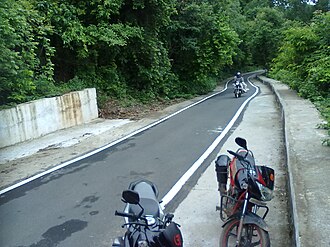
The temple's location in northeastern Dhenkanal town places it within reasonable reach of the district. Dhenkanal is connected by road to other parts of Odisha, and local transport options within the town can direct visitors to the temple's location. Those travelling from further afield should plan their journey to Dhenkanal first, then arrange local transport to reach the northeastern area where the temple stands. It is worth confirming current road conditions and transport availability before travelling, particularly during monsoon seasons when access may be affected.
The Temple Landscape
Set within Dhenkanal's urban geography, the temple occupies a space that reflects both its religious significance and its role within the town's community life. The northeastern location places it somewhat removed from the town centre, offering a quieter setting for worship and reflection. The temple's presence in this part of Dhenkanal connects it to the broader religious and cultural fabric of the region, where Shiva worship has maintained continuity across generations.
Worship and Ritual Life
As a Shiva temple, Kapilash Temple follows the ritual patterns typical of such sanctuaries across Hindu tradition. Daily worship generally involves offerings of flowers, water, and other materials to the deity, accompanied by prayers and chanting. Devotees may visit at various times throughout the day to offer personal prayers or to participate in communal worship. The specific timing of major rituals and any special observances can be confirmed by contacting the temple directly or through local sources in Dhenkanal, as these details are not widely documented in available sources.
Planning Your Visit
Visitors should allow time to reach the temple from Dhenkanal's main areas, given its northeastern location. Bring water and sun protection, as the journey may involve walking through open areas. Those with specific questions about rituals, photography permissions, or accessibility should inquire locally before arrival. The temple welcomes people of all backgrounds to observe its worship traditions respectfully, though participation in certain rituals may be reserved for initiated devotees or those following specific practices.
How to reach
Temples near Kapilash Temple

Annakoteshvara Temple
Annakoteshvara Temple in Dhenkanal district, Odisha, is a Shiva shrine housing a sacred stone shivalinga and representing the region's Hindu religious heritage.
Balaram Temple, Dhenkanal
Balaram Temple in Dhenkanal, Odisha is a Hindu shrine dedicated to Lord Balaram alongside deities including Lord Jagannath, Maa Subhadra, and other divine forms. Located near th…
Biswanahakani temple
Bhimashankar Temple is one of the twelve sacred Jyotirlingas of Lord Shiva, nestled in the Sahyadri Hills of Maharashtra. It offers regular darshan and abhishek ceremonies throu…
GadaGadia Temple
Shirdi Sai Mandir Gadag is a devotional sanctuary in Karnataka dedicated to Shirdi Sai Baba, featuring four daily aartis, an ever-burning dhuni, and Thursday palki processions t…
Cuttack Chandi Temple
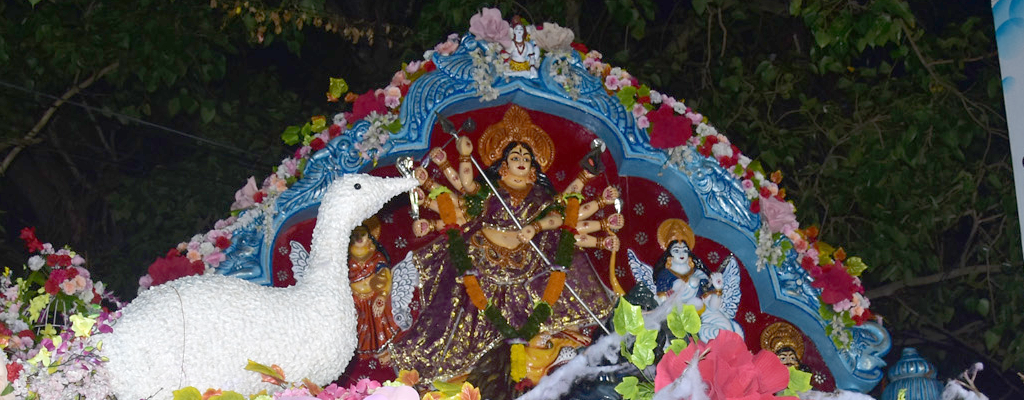
Kataka Chandi Mandir is a prominent Hindu temple dedicated to Goddess Chandi, situated on the banks of the Mahanadi River in Cuttack, Odisha. The temple is renowned for its elab…

Maa Jhanjiri Mangala Temple
Maa Jhanjiri Mangala Temple in Cuttack is an ancient Hindu shrine dedicated to Mangala, the presiding deity of the city, known for its spectacular Durga Puja celebrations featur…