
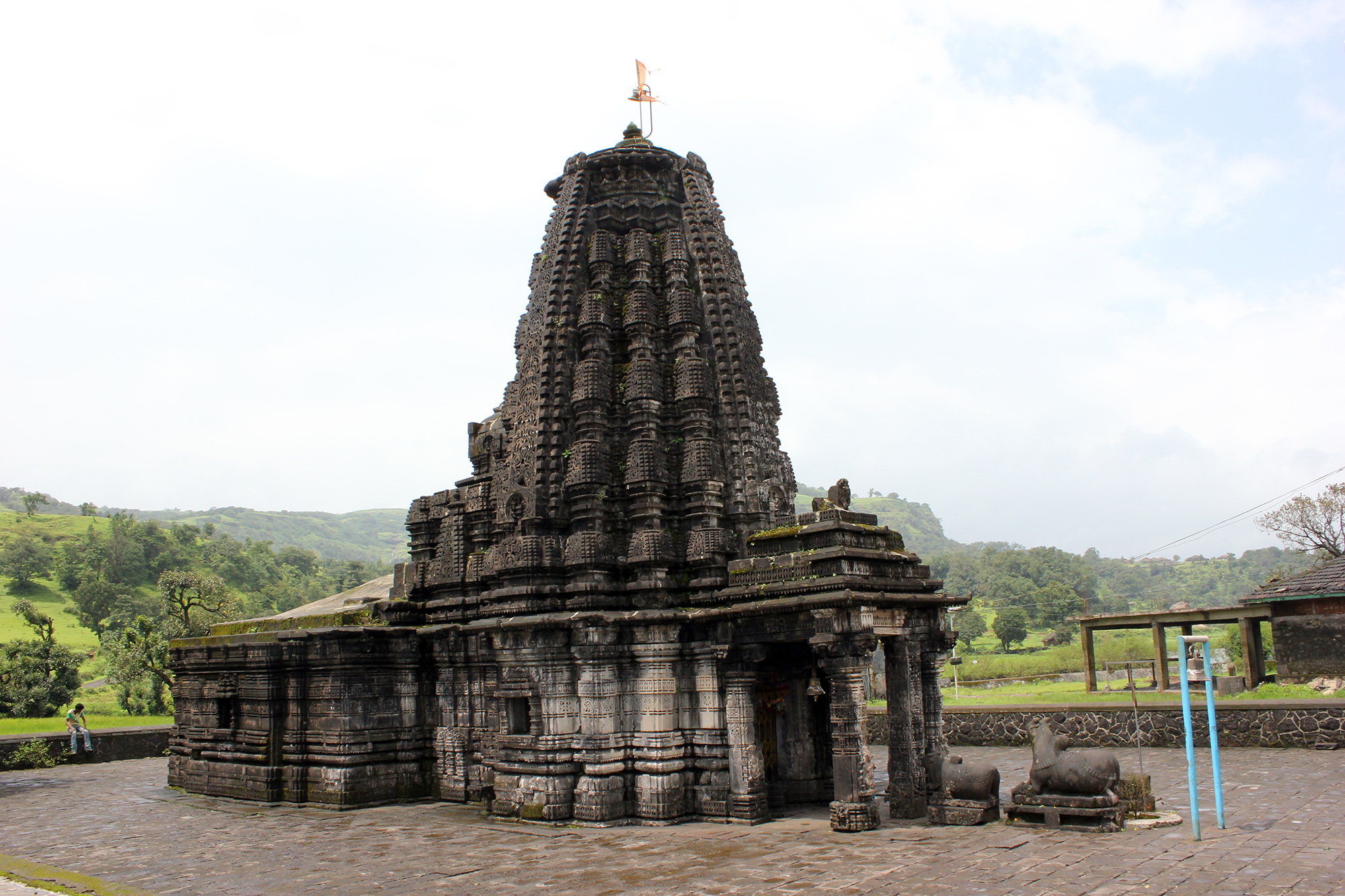
Annakoteshvara Temple
About Annakoteshvara Temple
The temple is situated in rural Odisha, in the Dhenkanal district. Visitors traveling to Latadeipur should note that the village lies within Gondia tehsil. The precise coordinates (20.809533, 85.658297) may assist those using GPS navigation. Those planning a visit should arrange transport appropriate to local road conditions and allow time for travel from larger towns in the region. The rural setting means that facilities may be limited compared to major pilgrimage centers, and advance planning regarding accommodation and supplies is advisable.
Worship and Ritual Practice
As a Shiva temple, Annakoteshvara follows the ritual traditions associated with Shaivite worship. The shivalinga, carved from stone, serves as the focal point of devotion. In temples of this tradition, daily worship typically includes offerings of water, flowers, and other items prescribed by Hindu custom. The specific timings of worship and the particular rituals performed at this temple are not documented in available sources, so visitors should inquire locally upon arrival or contact the temple administration beforehand to understand the schedule of darshan and any restrictions on entry.
The Surrounding Region
Dhenkanal district in Odisha has a rich heritage of temple construction and religious practice. The presence of Shiva temples throughout the region reflects the deep roots of Shaivite tradition in Odisha's spiritual landscape. Visitors to Annakoteshvara Temple may find it rewarding to explore other sacred sites in the district, as the area contains multiple temples and sites of cultural significance. The rural character of Latadeipur offers visitors an opportunity to experience temple worship in a less commercialized setting than major pilgrimage destinations.
Visiting the Temple
Visitors should approach the temple with respect for its sacred purpose. Standard etiquette for Hindu temples applies: removing footwear before entering the inner sanctum, maintaining quiet and reverent behavior, and following any instructions given by temple staff or priests. Modest dress is appropriate when visiting any Hindu temple. Since this is a working shrine rather than a major tourist destination, visitors should be prepared for basic facilities and should check locally regarding current opening hours, any entry fees, and whether photography is permitted. It is courteous to inquire about the best times to visit and to respect any periods when the temple may be closed for private rituals or maintenance.
Practical Considerations
The village setting of Latadeipur means that visitors should plan accordingly. Accommodation options in the immediate vicinity may be limited, and those traveling from a distance may need to base themselves in a larger nearby town. Carrying water and provisions is sensible given the rural location. Mobile connectivity may be variable, so downloading offline maps beforehand is recommended. Those wishing to make offerings or participate in specific rituals should contact the temple in advance to understand what is possible and what materials to bring. Local guides or temple staff can provide invaluable assistance in understanding the site's significance and current practices.
How to reach

Temples near Annakoteshvara Temple
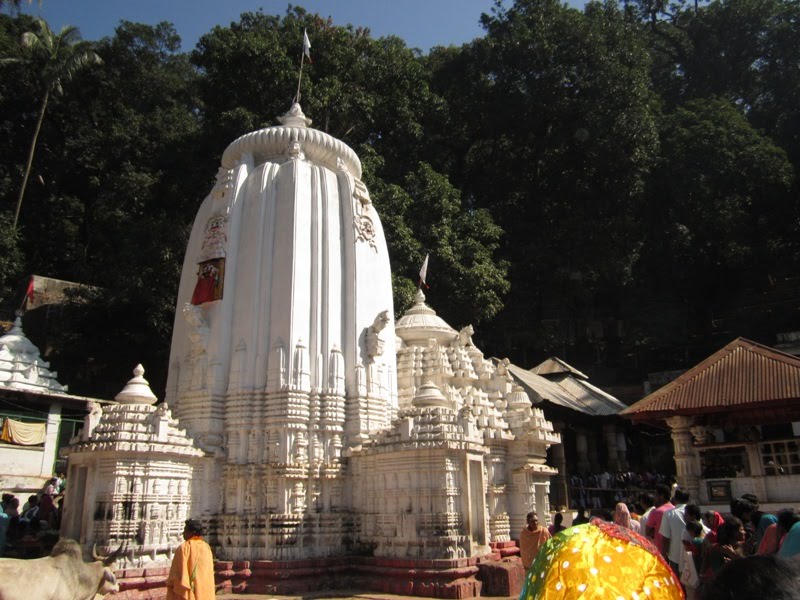
Kapilash Temple
Kapilash Temple, also known as Mahadev Chandrashekhar Temple, is a hilltop Shiva sanctuary in northeastern Dhenkanal, Odisha, constructed in 1246 CE by King Narasinghdeva I of t…
Balaram Temple, Dhenkanal
Balaram Temple in Dhenkanal, Odisha is a Hindu shrine dedicated to Lord Balaram alongside deities including Lord Jagannath, Maa Subhadra, and other divine forms. Located near th…
Biswanahakani temple
Bhimashankar Temple is one of the twelve sacred Jyotirlingas of Lord Shiva, nestled in the Sahyadri Hills of Maharashtra. It offers regular darshan and abhishek ceremonies throu…
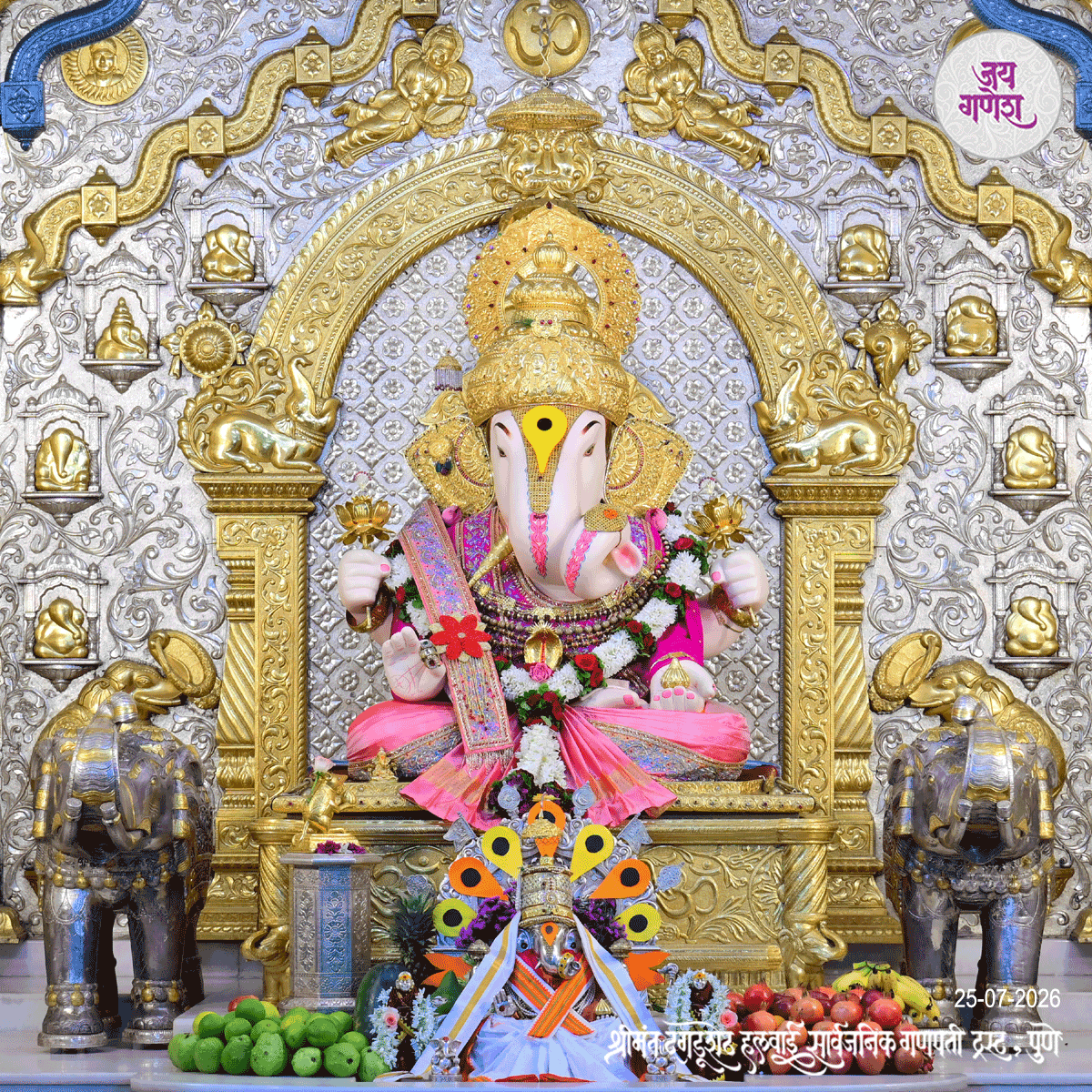
GadaGadia Temple
Shirdi Sai Mandir Gadag is a devotional sanctuary in Karnataka dedicated to Shirdi Sai Baba, featuring four daily aartis, an ever-burning dhuni, and Thursday palki processions t…
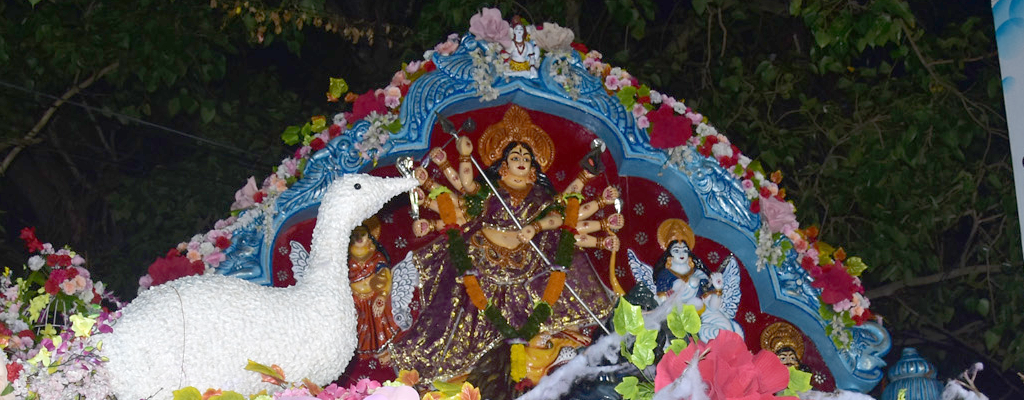
Cuttack Chandi Temple
Kataka Chandi Mandir is a prominent Hindu temple dedicated to Goddess Chandi, situated on the banks of the Mahanadi River in Cuttack, Odisha. The temple is renowned for its elab…

Maa Jhanjiri Mangala Temple
Maa Jhanjiri Mangala Temple in Cuttack is an ancient Hindu shrine dedicated to Mangala, the presiding deity of the city, known for its spectacular Durga Puja celebrations featur…