Bhimashankar Temple
About Bhimashankar Temple
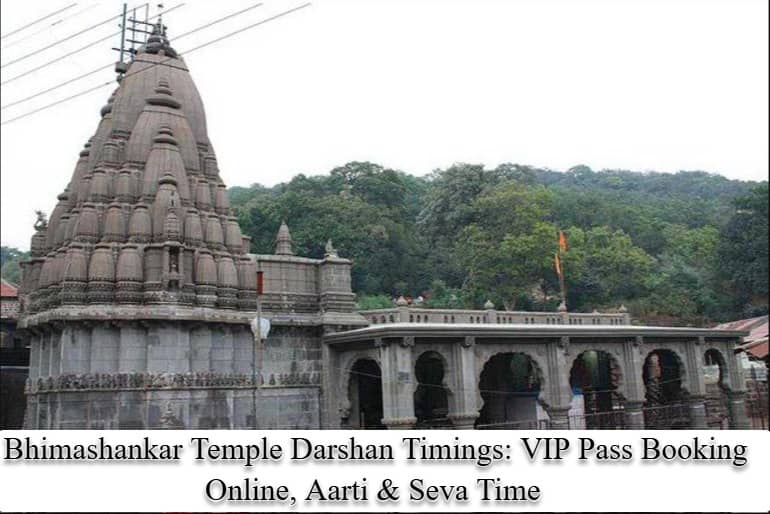
The temple's origins trace to the 13th century, making it an ancient shrine with centuries of continuous worship. The structure itself represents a blend of periods: the main temple follows the Nagara architectural style and displays the craftsmanship of ancient sculptors, while the sabhamandap (assembly hall) was constructed in the 18th century by Nana Phadnavis, who also oversaw the building of the shikhara (tower). The temple has received patronage from notable historical figures—the Maratha ruler Shivaji made endowments to support worship services, and Chimaji Appa, after his victory against the Portuguese at Vasai Fort, offered one of five large bells he had captured, which remains at the temple.
Daily Worship and Darshan
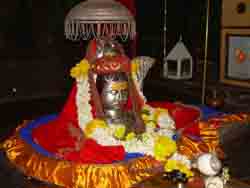
The temple operates from 5:00 AM, beginning with the Kakada Aarti at 4:30 AM and Nijarup Darshan at 5:00 AM. Regular abhisheka (ritual bathing of the deity) and pooja commence at 5:30 AM and continue until noon on ordinary days. The Naivedya Pooja (offering of food) takes place from 12:00 to 12:20 PM, followed by afternoon darshan and abhisheka from 12:20 to 2:45 PM. The Madhyan Aarti occurs at 3:00 PM. Evening darshan runs from 4:00 PM onwards, with the Evening Aarti at 7:30 PM. The temple closes at 9:30 PM. On Mondays, during Pradosh (the lunar fortnight's thirteenth day), throughout Shravan month (July-August), and on Mahashivratri, abhisheka continues until 6:00 PM, allowing extended worship during these significant periods.
Festivals and Auspicious Times
Shravan month, typically falling in July-August, draws large numbers of devotees and represents an especially auspicious time for worship at this Shiva temple. Mahashivratri, the great night dedicated to Shiva, is observed with extended rituals and abhisheka. The temple also celebrates Mahaposhak, Mahaarti, and the Palkhi ceremony. October and November offer pleasant weather for pilgrimage, making these months practical choices for visitors seeking comfort alongside spiritual practice. The temple maintains an online pooja registration system for those wishing to arrange specific worship services.
Visiting Information and Practical Details
Visitors should note that the temple has undergone renovation work affecting access; check current status before planning your visit, as construction may restrict darshan hours. The temple features approximately 150 stairs leading to the shrine. Modest dress is customary at Hindu temples—covering shoulders and knees shows respect. The temple is located in Bhimashankar Village, Khed Taluka, approximately 125 kilometres from Pune in the ghat region. The journey involves travel through hilly terrain; visitors should allow adequate time for the drive and the climb to the temple. The surrounding forest sanctuary and trekking opportunities make Bhimashankar attractive for those combining pilgrimage with nature exploration. Accommodation and dining facilities exist in the village to serve pilgrims.
Getting There
Bhimashankar lies 110 kilometres from Pune city, positioned northwest of Khed in the Sahyadri Hills. The location within mountainous terrain means road access is the primary means of reaching the temple. Visitors travelling from Pune should plan for a journey of several hours depending on traffic and road conditions. The temple's website provides contact information for enquiries, and online pooja registration is available for those wishing to arrange specific rituals in advance.
How to reach
Temples near Bhimashankar Temple
Kukdeshwar Temple
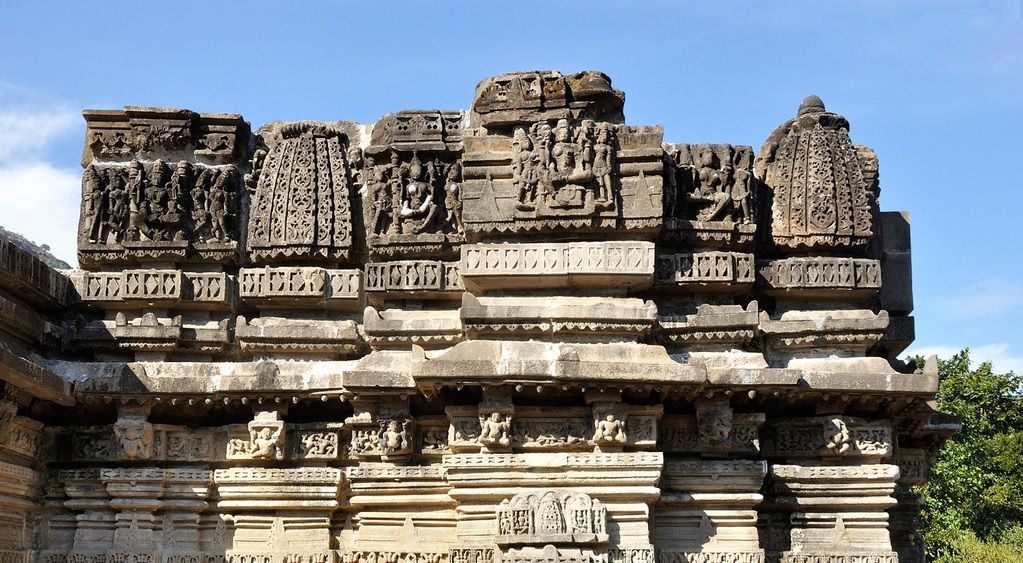
Kukdeshwar Temple is an ancient Shiva sanctuary built in Hemadpanthi style on the banks of the Kukdi River near Junnar, Maharashtra, celebrated for its intricate stone carvings…
Gajanan Maharaj Temple, Kanhor
Gajanan Maharaj Temple in Kanhor is a small shrine dedicated to Sant Gajanan Maharaj, constructed by devotees in the Badlapur area of Thane district, Maharashtra.
Pisharnath Mahadev Mandir
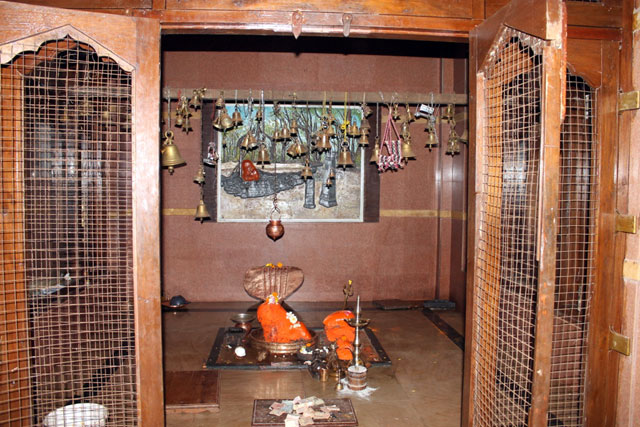
Pisharnath Mahadev Mandir is an ancient Shiva temple in Matheran, Maharashtra, housing a self-manifested lingam in an extraordinary L-shape, serving as the village deity for the…
Shiv Mandir, Ambarnath
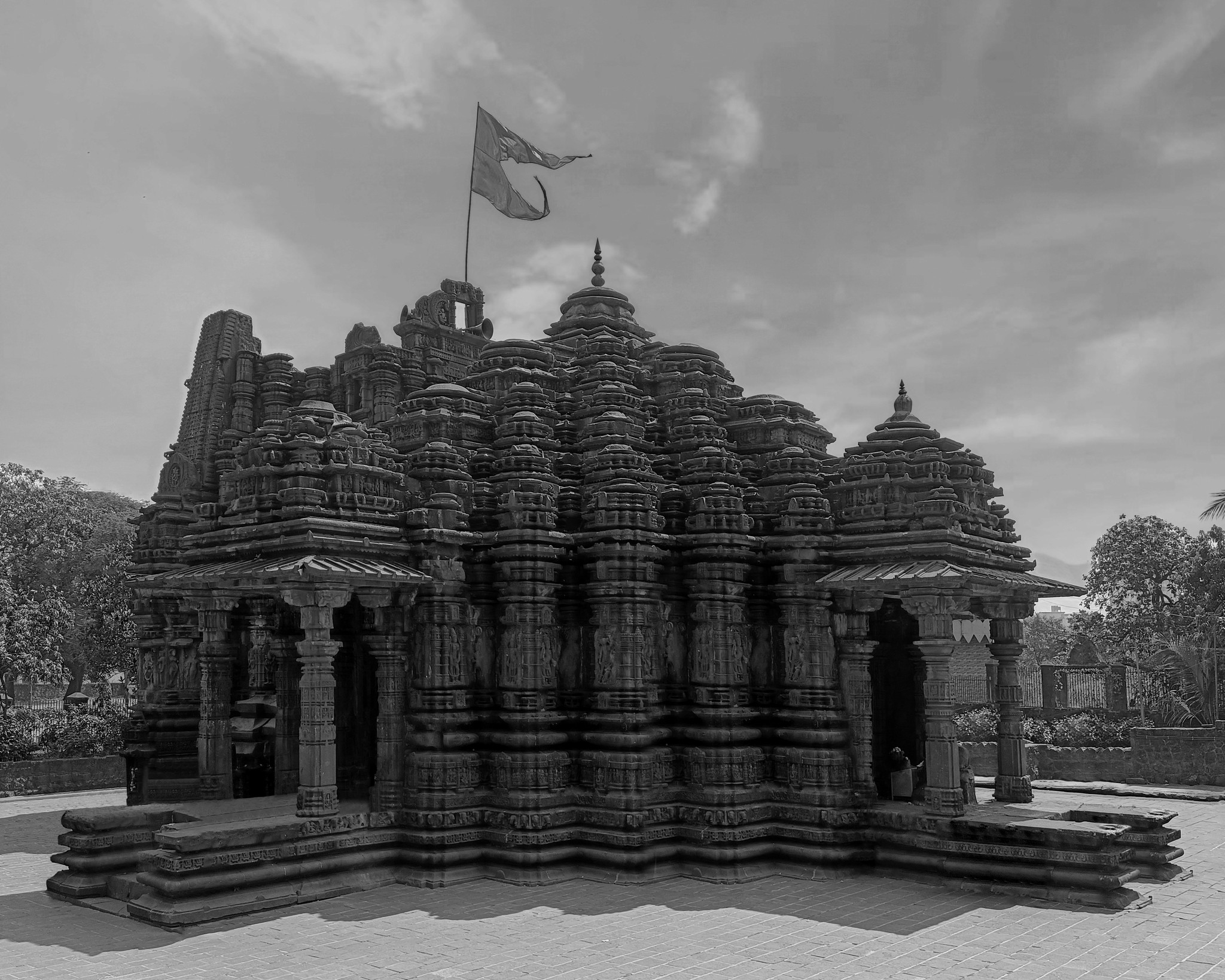
An 11th-century Shiva temple built by Shilahara king Chhittaraja in 1060 CE, featuring a sunken sanctum with a self-manifested linga and an unfinished spire that opens to the sky.

Siddhivinayak Mahaganapati Temple
The Siddhivinayak Mahaganapati Temple in Mumbai's Prabhadevi neighbourhood is dedicated to Lord Ganesha and draws devotees seeking blessings for marriage and reunion of separate…

Birla Mandir, Shahad
Birla Mandir in Shahad is a Hindu temple dedicated to Lord Vithoba, celebrated for its striking architecture and scenic setting in Thane district, Maharashtra.