


Kuil Seri Maha Mariamman
About Kuil Seri Maha Mariamman
The temple's history began in 1873 when Kayarohanam Pillai established it as a religious charity, initially constructing a modest wooden structure with a simple roof. As the Tamil population grew, a small stone addition was built in 1888 to accommodate increasing numbers of worshippers. The temple's most significant transformation came with a major reconstruction that introduced a grand Rajagopuram—a gateway tower standing 85 feet tall. The current five-storey gopuram, measuring 22.9 metres in height, was carved by an experienced Indian craftsman and features 228 intricately sculpted deities. This architectural work represents the temple's evolution from a humble wooden shrine into a landmark of Dravidian design. The temple underwent a formal Kumbabishekam consecration ceremony in 1954, marking its establishment as a fully consecrated sacred space. Today it operates under the management of the Batu Caves Murugan Temple and can accommodate approximately 500 devotees.
Daily Worship and Rituals
The temple maintains two daily darshan periods for devotees. Morning hours run from 08:00 to 10:30, while evening darshan extends from 19:30 to 22:30. The evening Sandhya aarti takes place at 19:00. These timings allow both those beginning their day and those concluding their evening to visit the shrine. Visitors should note that timings may vary on festival days, and it is advisable to confirm with the temple office before travelling, particularly if planning a visit around significant observances. The temple office can be reached at 03-20785323.
Festivals and Observances
The temple celebrates several major festivals throughout the year. Sharad Navaratri, the nine-night festival honouring the Goddess, draws particular devotion and sees the temple beautifully decorated. Ugadi or Gudi Padwa, marking the Hindu New Year in the Deccan and Maharashtra traditions, is also observed. Karwa Chauth, a festival centred on fasting for a spouse's wellbeing, is celebrated as well. These occasions bring heightened activity and festive atmosphere to the shrine, making them significant times for both regular worshippers and those seeking to experience the temple's communal life.
Visiting the Temple
The temple is situated at 163 Jalan Tun H.S. Lee, 50000 Kuala Lumpur, within the Chinatown area. Visitors should dress respectfully, removing footwear before entering the inner sanctum as is customary in Hindu temples. The temple welcomes devotees during its published hours, though it is wise to plan visits outside peak times if seeking a quieter experience. The temple office contact number (03-20785323) can provide guidance on specific practices, puja arrangements, or festival-related queries. Donations to support the temple's maintenance and religious activities are typically welcomed.
Significance for the Tamil Community
Beyond its role as a place of worship, Sri Siva Maha Mariamman Temple stands as a cultural and historical landmark for Tamil Hindus in Malaysia. Its establishment during the early period of Tamil migration to Kuala Lumpur reflects the community's commitment to maintaining religious and cultural identity. The temple's presence in Chinatown connects it to the broader heritage of the district and serves as a tangible link to the Tamil community's contributions to the city's development. For visitors interested in understanding the religious life and heritage of Malaysia's Tamil population, the temple offers both spiritual significance and historical context.
How to reach



Temples near Kuil Seri Maha Mariamman

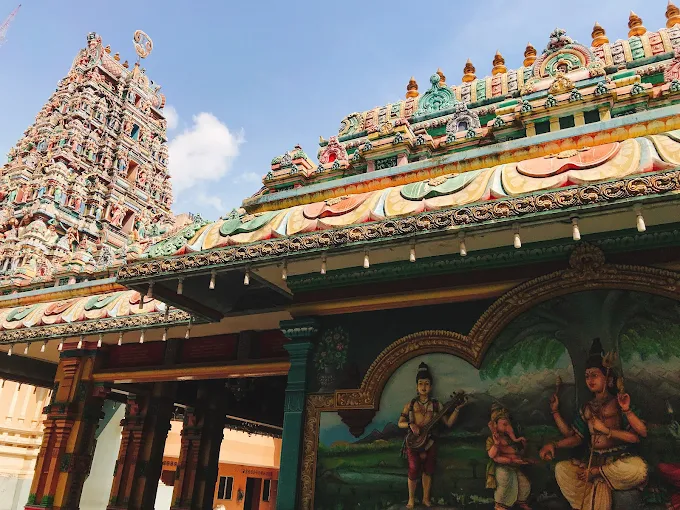
Seafield Sri Maha Mariamman Temple
Seafield Sri Maha Mariamman Temple in Subang Jaya, Selangor, Malaysia is a Hindu shrine dedicated to Goddess Mariamman, serving as a spiritual and cultural center for the Tamil…
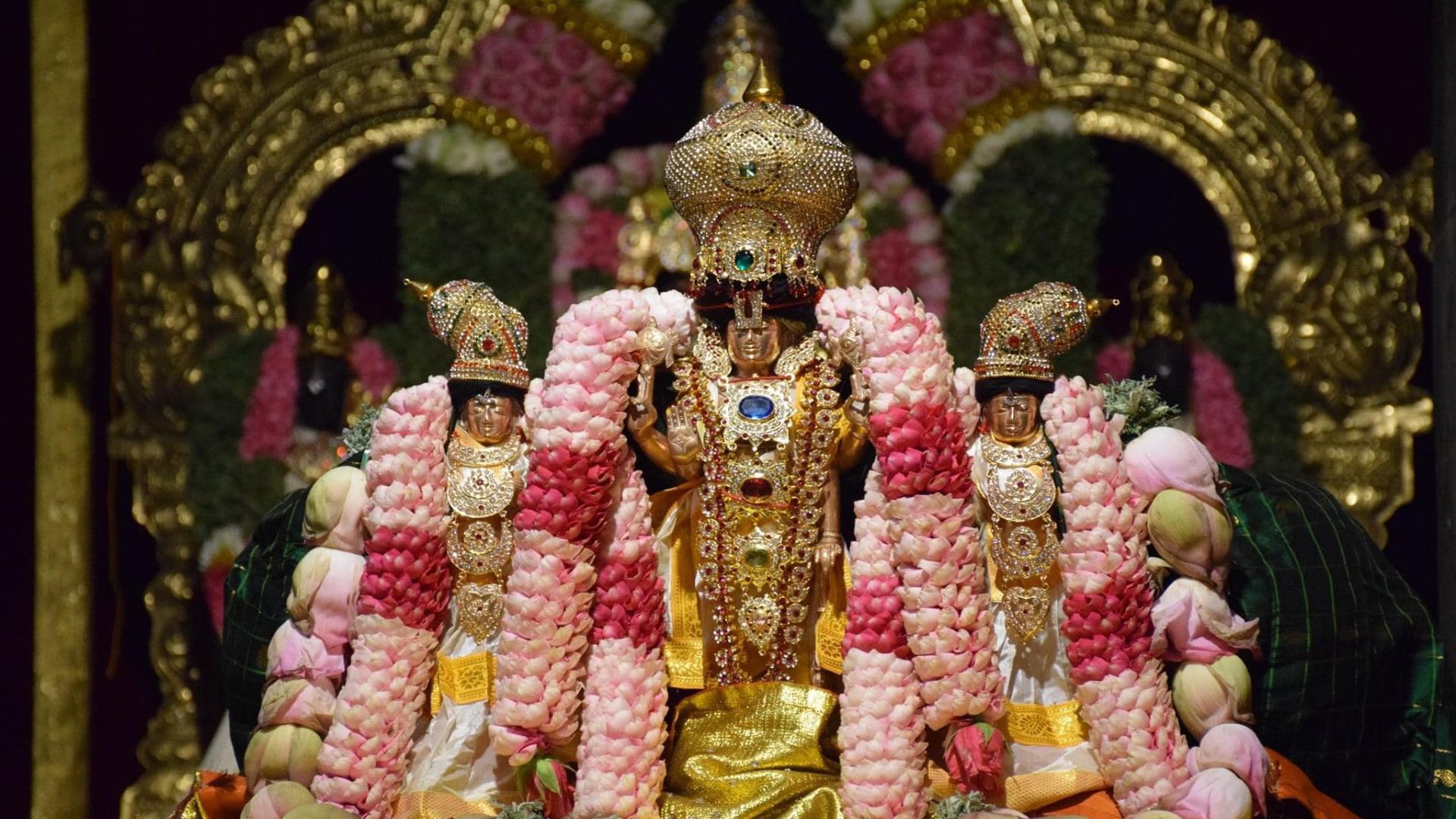
Sri Sundararaja Perumal Temple
Sri Sundararaja Perumal Temple in Klang, Malaysia, established in 1892, is the oldest and largest Vaishnavite temple in Malaysia and the first granite temple in the country. Rec…
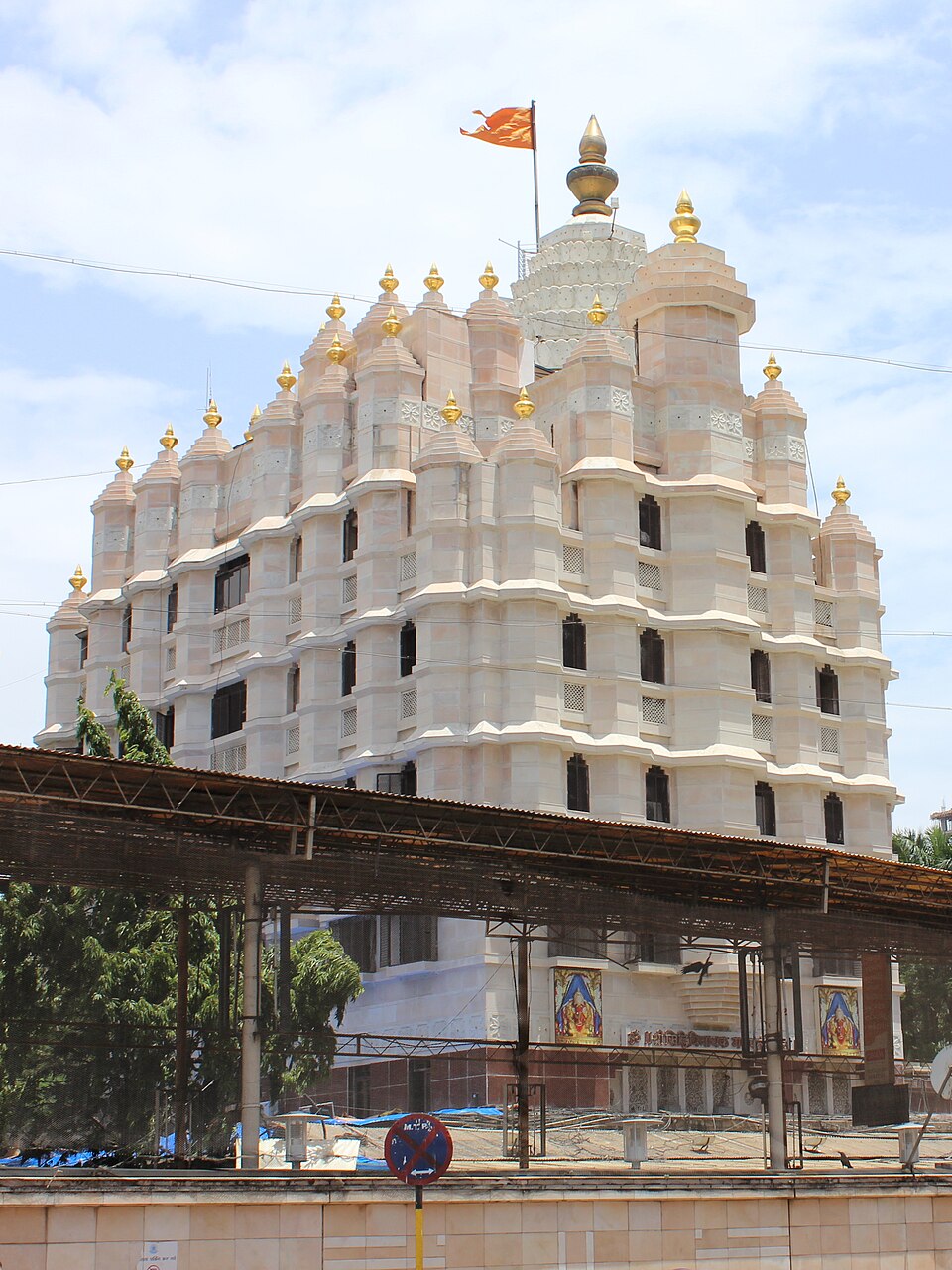
Sri Sithi Vinayagar Temple
Sri Sithi Vinayagar Temple in Petaling Jaya, Malaysia is the largest Ganesha temple in the country, housing the deity in the form of Sri Sithi Vinayagar along Jalan Selangor.

Sri Devi Shakti
Sri Shakti Mari Amman Temple in Kuala Lumpur houses a granite deity carved in sitting position, embodying divine feminine energy and serving as an iconic Hindu landmark in Malay…
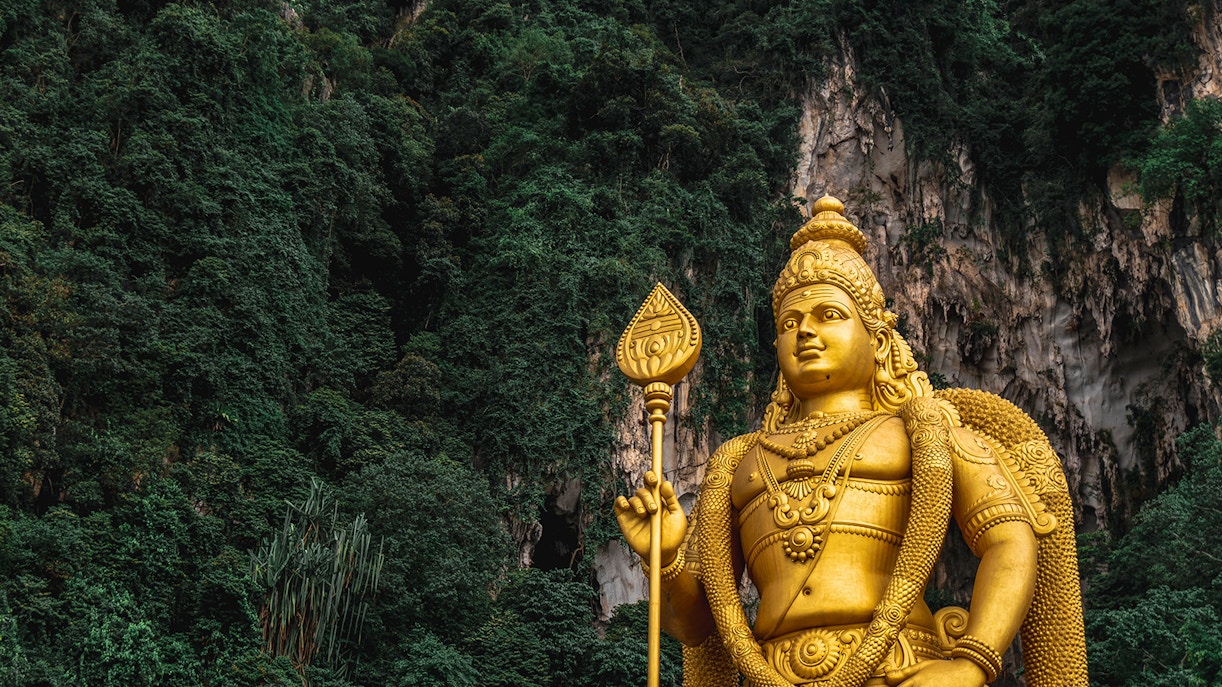
Ramayana Cave
Ramayana Cave is a limestone cave shrine within Batu Caves, Kuala Lumpur, featuring Ramayana artwork and serving as a Hindu pilgrimage site with evening aarti ceremonies.
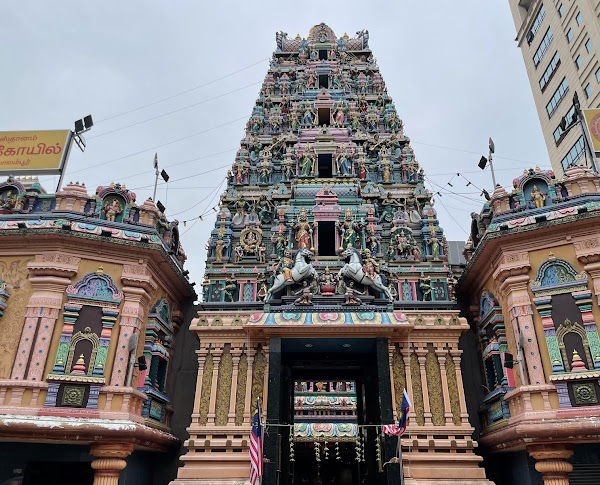
Sri Siva Maha Mariamman
Sri Siva Maha Mariamman Temple in Kuala Lumpur's Chinatown is a historic Tamil Hindu shrine established in 1873, dedicated to the goddess Mariamman and featuring a striking 22.7…