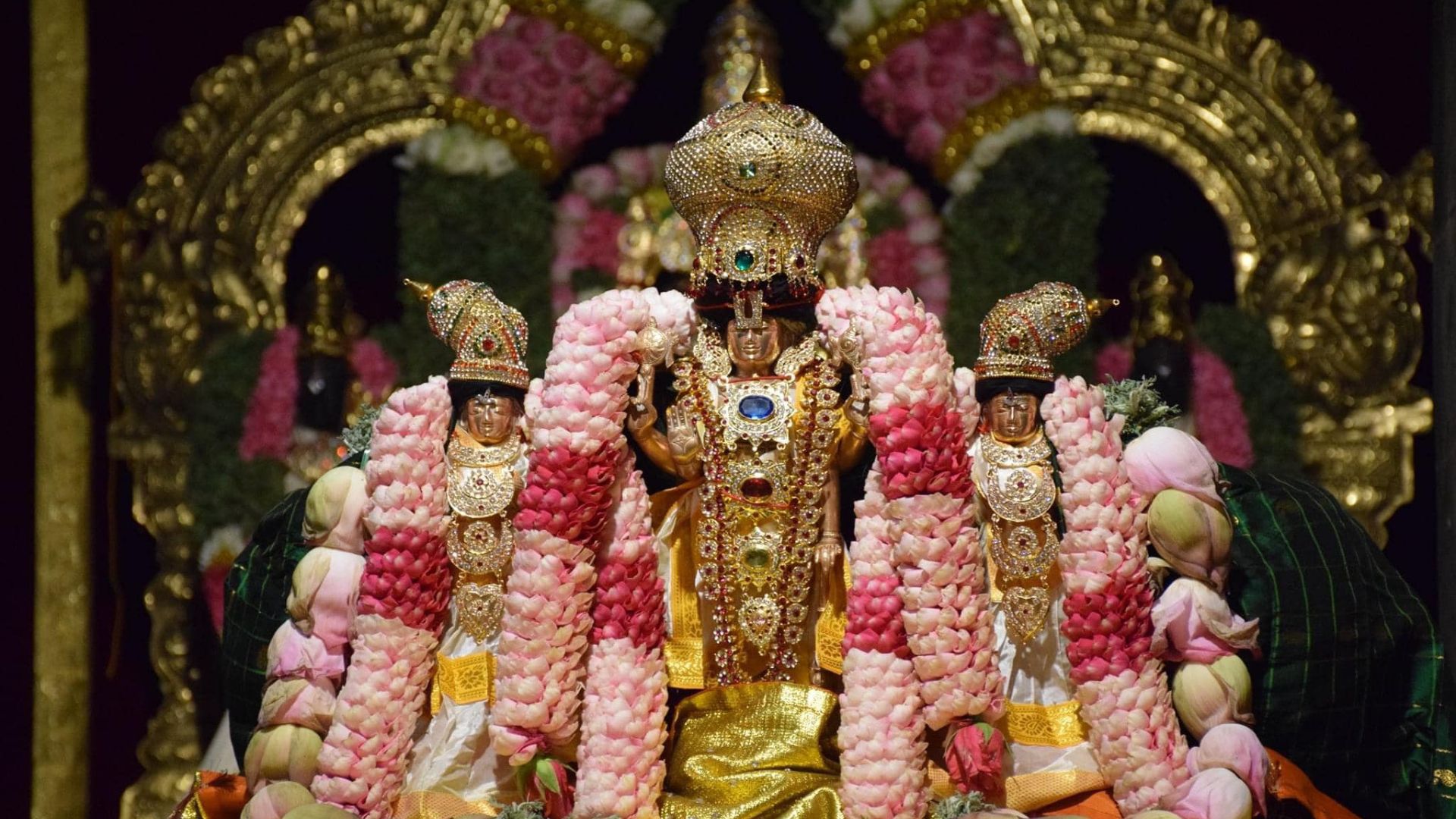
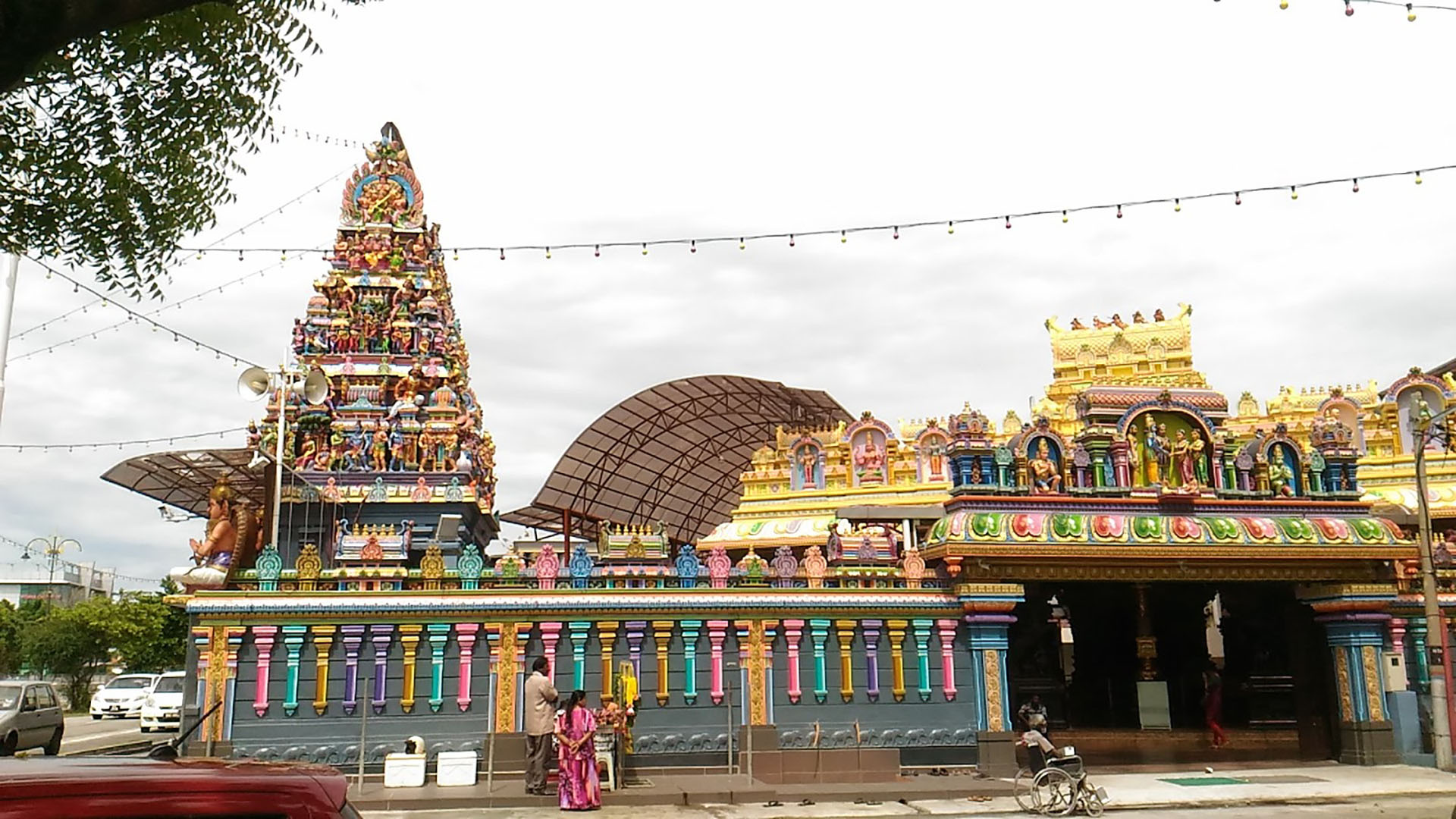
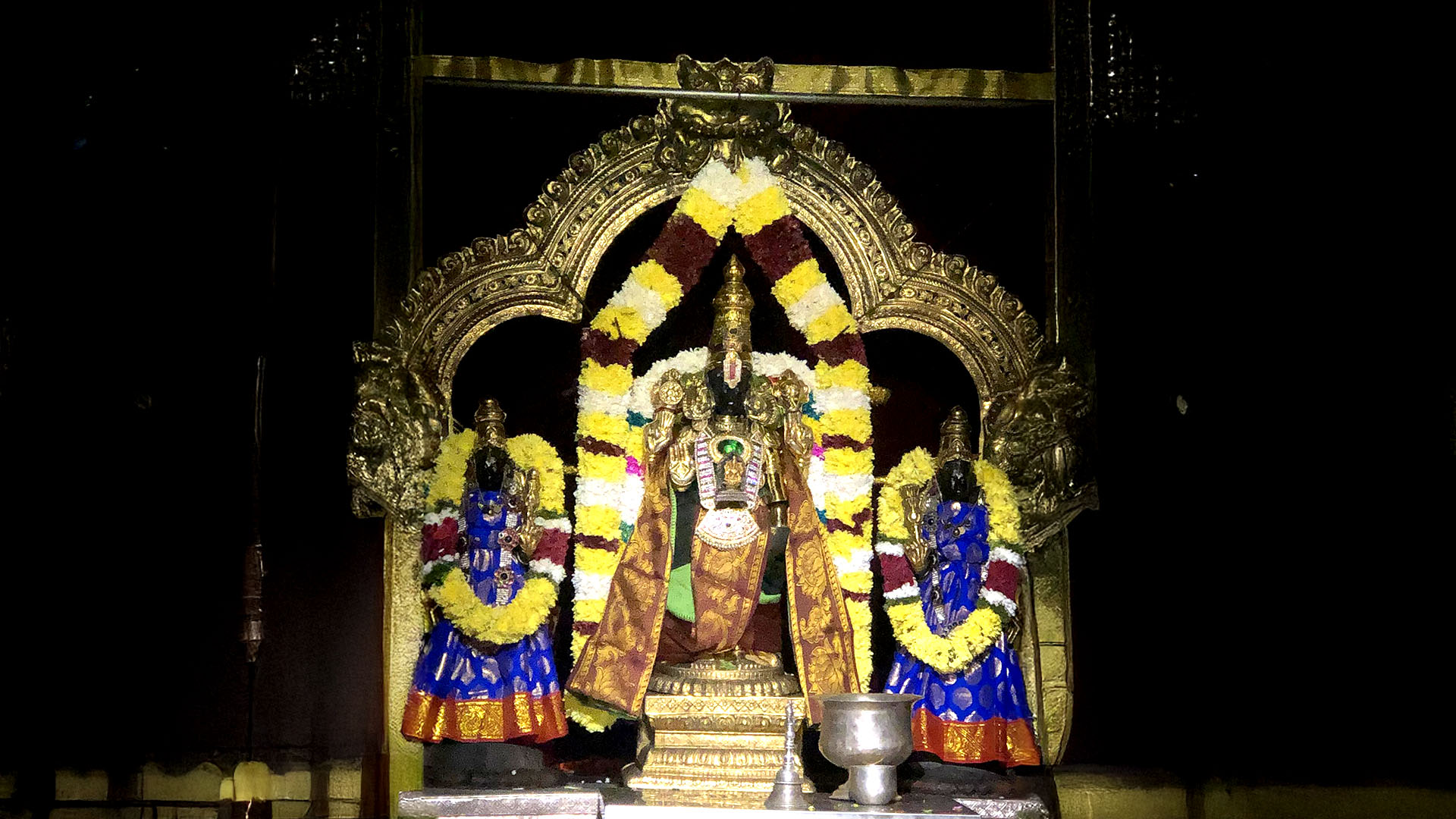
Sri Sundararaja Perumal Temple
About Sri Sundararaja Perumal Temple
Pada Seva represents a venerable form of devotion within the Vaishnava tradition, rooted in scriptural narratives across different cosmic ages. The practice draws on examples of liberation and grace: Gajendra the elephant attained freedom through devotion to the Lord's feet in the Krita Yuga; Bharata and Vibhishana received blessings for their reverence in the Treta Yuga; and Draupadi found divine refuge at Krishna's feet during the Dvapara Yuga. This layered spiritual heritage gives the temple's worship practice a foundation that extends across Hindu cosmology.
For visitors, Pada Seva worship means approaching the divine through a form of devotion that does not require the presence of a consecrated idol in the traditional sense. Instead, the focus rests on the symbolic and spiritual presence of the Lord's feet as an object of reverence and meditation. Devotees offer tulsi leaves, milk, butter, fruits, and flowers as expressions of devotion and requests for divine blessing.
Daily Rituals and Worship
The temple conducts daily rituals across three periods: morning, noon, and evening. Each session includes Abhishekam (ritual bathing), Alankaram (decoration of the deity), Deepa Aradhana (lamp worship), and Naivedyam (food offerings). These practices follow the rhythms of traditional Vaishnavite worship, creating a structured spiritual environment throughout the day.
Beyond daily poojas, special rituals are performed on Fridays and Ekadasi days (the eleventh lunar day, significant in Vaishnava practice), as well as on occasions dedicated to Lord Vishnu. The temple conducts Homams—fire rituals including Vishnu Sahasranama Homam and Sudarshana Homam—intended for spiritual upliftment. Thirumanjanam, a sacred bathing ritual, takes place on festival days. These varied practices allow devotees multiple entry points for engagement with the temple's spiritual life.
Visiting Hours and Practical Information
The temple is open Monday to Friday from 06:00 to 12:00 and 18:00 to 21:00. Saturday hours extend from 05:00 to 12:30 and 18:00 to 22:00, while Sunday follows the weekday schedule of 06:00 to 12:00 and 18:00 to 21:00. These timings accommodate both early morning worship and evening prayers, a common pattern in Hindu temples.
The temple is located at No. 80, Jalan Mastika, off Persiaran Raja Muda Musa, Kawasan 6, 41100 Klang, Selangor. Visitors can contact the temple at +60 3-3371 1763 or perumaltemple@yahoo.com for inquiries regarding specific rituals, archanai (personal worship offerings), annathanam (temple meals), or hall bookings. The temple's website provides additional information and allows advance booking for various services.
Temple Services and Offerings
The temple offers archanai services, allowing devotees to have personal prayers conducted on their behalf. Annathanam (blessed food) is available, a common practice in Hindu temples where sanctified meals are distributed to visitors. Donations support the temple's maintenance and rituals. A hall is available for booking, serving the broader community's needs. These services reflect the temple's role not only as a place of individual worship but also as a community institution.
Granite Architecture and Heritage
As Malaysia's first granite temple, the structure itself carries historical weight. The 2015 reconstruction maintained the temple's character while ensuring its longevity. The use of granite—a durable stone chosen for permanence—reflects both practical building wisdom and the intention to create an enduring sacred space. The temple's architectural presence in Klang marks it as a visible landmark of Hindu heritage in Malaysia, distinguishing it among the region's religious structures.
How to reach
You may also visit
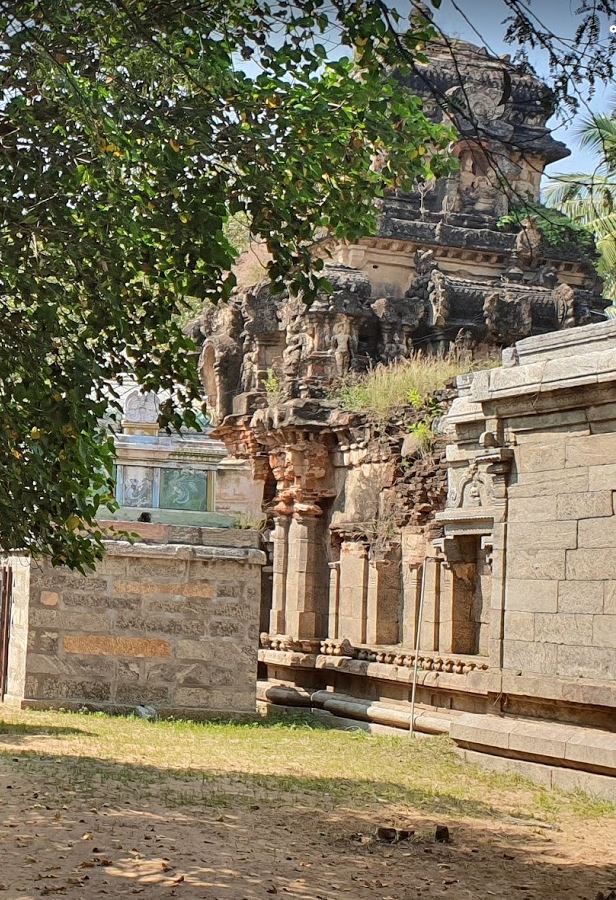
Agatheeswarar Temple, Karur
Agatheeswarar Temple in Thirumukkudalur, Karur district, is an ancient Hindu shrine dedicated to Shiva, situated at the sacred confluence of three rivers and believed to be over 1000 years old.
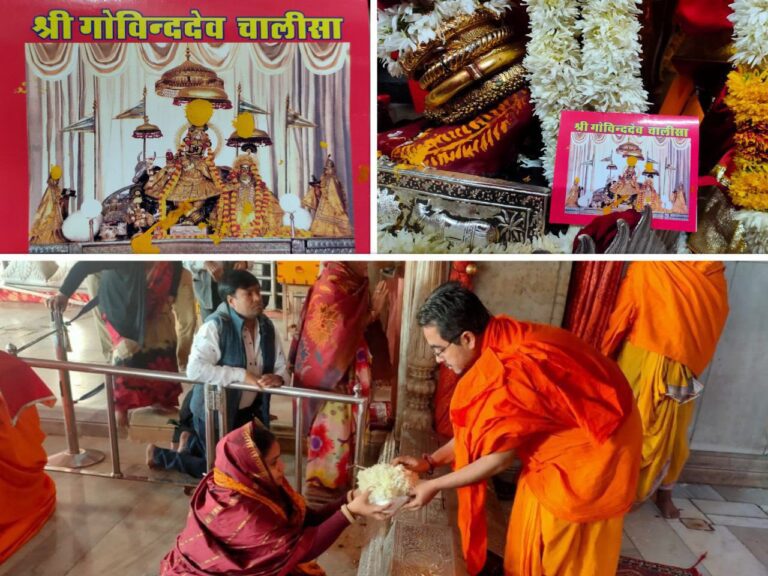
Kalyanji Temple
Kalyanji Temple in Jaipur's Chandpol Bazaar is an ancient Krishna shrine established in the 1820s, renowned for its seven daily aartis and special avatar darshan ceremonies during Akha Teej and Patottsav festivals.
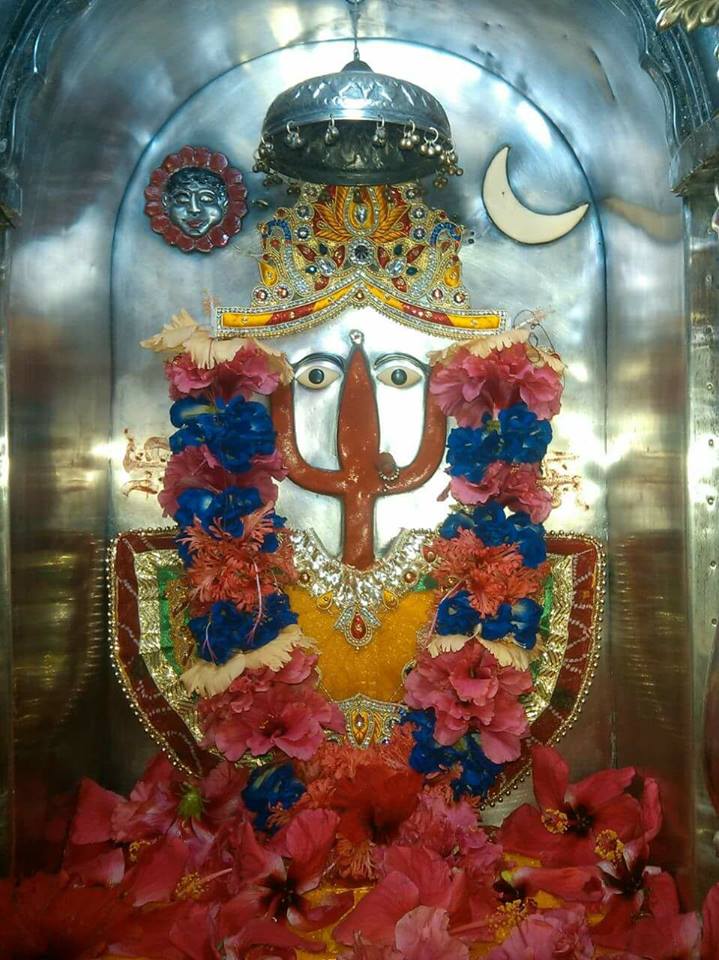
Rani Sati Mandir Mahuda
Rani Sati Mandir in Mahuda, Dhanbad District, is a Hindu temple established in 1992 that serves as a spiritual center for the local community and attracts devotees seeking blessings.