Krishnaswami Temple, Muthialpet
About Krishnaswami Temple, Muthialpet
Visitors to Hindu temples in Tamil Nadu are expected to observe certain customs. Dress modestly, ensuring shoulders and knees are covered. Footwear should be left at the designated stands provided near the entrance rather than carried inside. Photography policies vary between temples; it is advisable to ask temple staff before taking photographs, particularly within the inner sanctum areas.
Access to different parts of the temple may vary depending on religious affiliation. While outer courtyards and towers typically welcome all visitors, some inner sanctums may be reserved for Hindu devotees. Clarifying these boundaries with temple staff upon arrival prevents any misunderstanding during your visit.
Planning Your Visit
Temples across Tamil Nadu typically observe early morning and midday closures, with worship concentrated in the early hours before noon. This temple's schedule reflects that pattern, making an early morning visit the most practical option for darshan. If you are combining this temple with others in the Chennai area, plan your itinerary to accommodate the morning-only opening hours.
Checking the day's panchangam (Hindu calendar) before visiting can help identify auspicious times for worship. Festival days may bring changes to regular timings and increased crowds, so verification with the temple directly is recommended if you are planning a visit around significant dates in the Hindu calendar.
The Temple's Significance
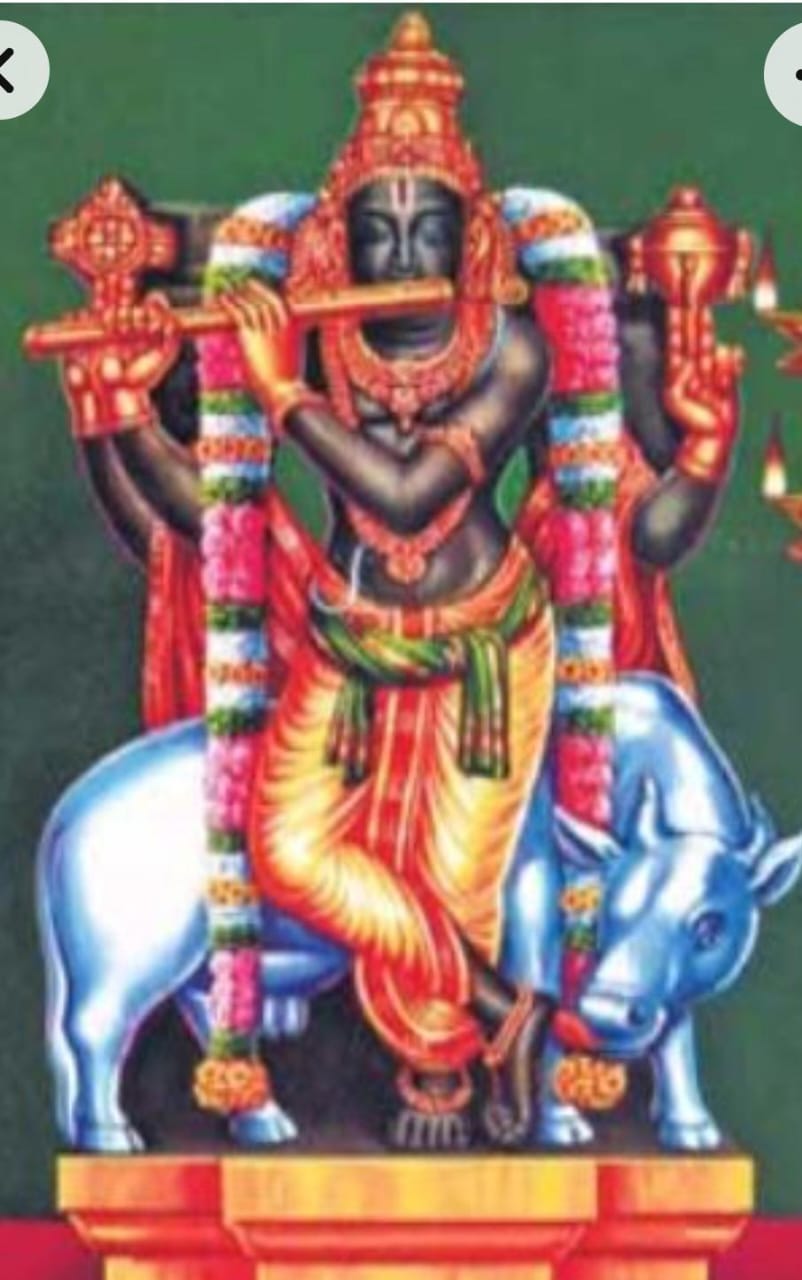
As a Krishna temple, Krishnaswami Temple participates in the broader tradition of Krishna worship across South India. The inclusion of Rukmani Thayar—Krishna's consort—reflects the common practice in many Krishna temples of honouring the divine couple together. The temple's establishment during the 18th century places it within an important period of temple construction and consolidation in the Chennai region.
The temple is registered with the Hindu Religious and Charitable Endowments (HR & CE) Department of Tamil Nadu, the government body responsible for managing many of the state's major temples. This registration ensures the temple's maintenance and administration according to established protocols.
Nearby Temples and the Neighbourhood
Muthialpet is part of central Chennai's historic temple landscape. Other significant temples in the broader Chennai region include Kapaleeshwarar Temple, Marundeeswarar Temple, and Tiruvallikeni temples, each with their own histories and devotional communities. Visitors interested in exploring multiple temples can plan a route through these sites, though timing should account for the varying opening hours of different temples.
The Muthialpet area itself carries historical significance as part of old Chennai, and a visit to the temple can be combined with exploration of the neighbourhood's heritage character.
How to reach
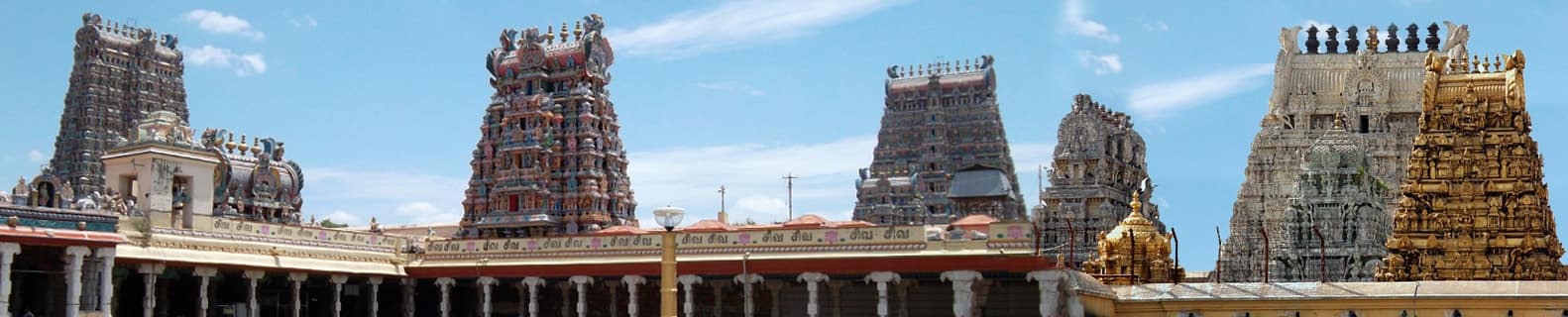
You may also visit
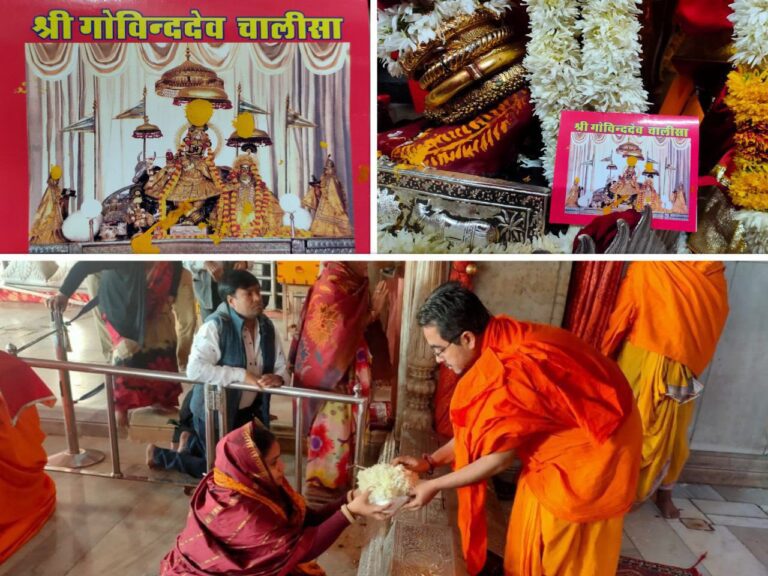
Kalyanji Temple
Kalyanji Temple in Jaipur's Chandpol Bazaar is approximately two centuries old and renowned for displaying the twenty-four avatars of Krishna, visible only twice yearly during Akha Teej and Patottsav festival.
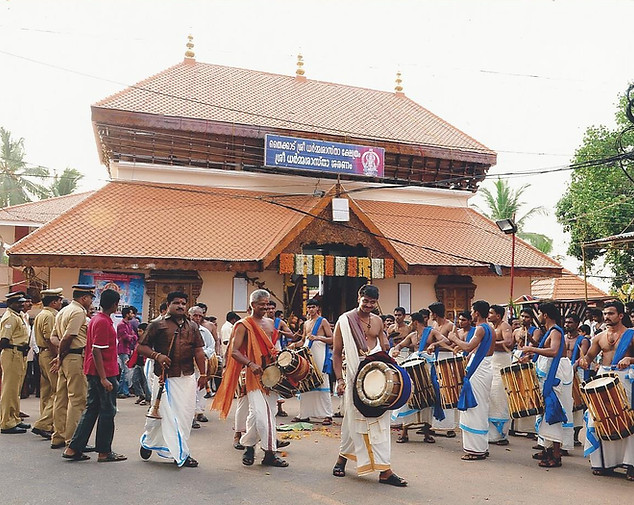
Sastha (Ayyappan) Temple
Sree Dharma Sastha Temple in Thycaud, Thiruvananthapuram, is a centuries-old shrine where the deity manifests as Dhanwanthari, the divine healer, holding the sacred blue lotus.
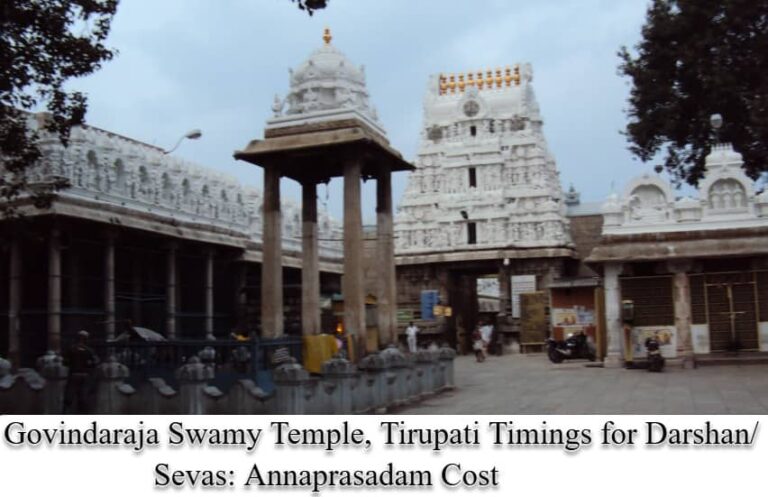
Govindarajaswamy Temple
Sri Govindarajaswamy Temple in Tirupati is an ancient Vaishnavaite shrine consecrated in 1130 AD by Saint Ramanuja, where the presiding deity rests in eternal Yoga Nidra on the serpent Adisesha.