
Koodal Azhagar Temple
About Koodal Azhagar Temple
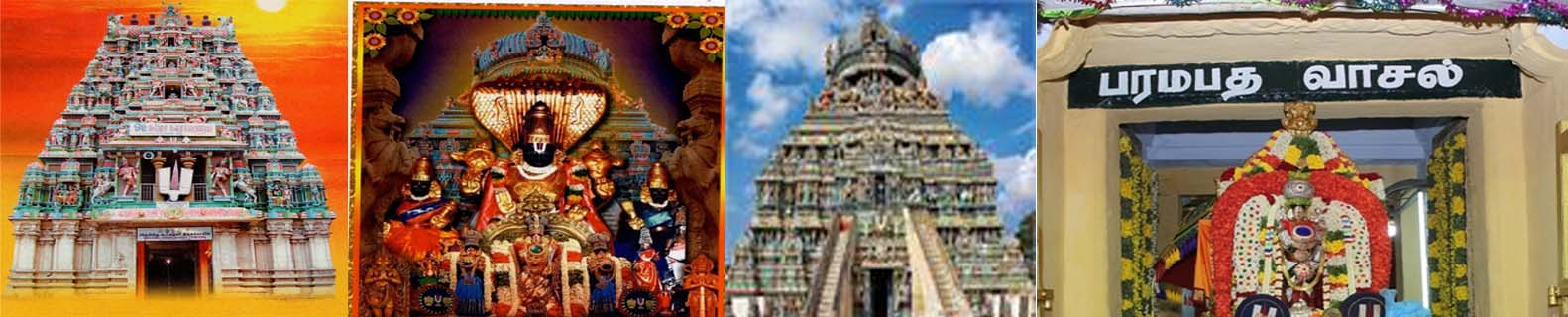
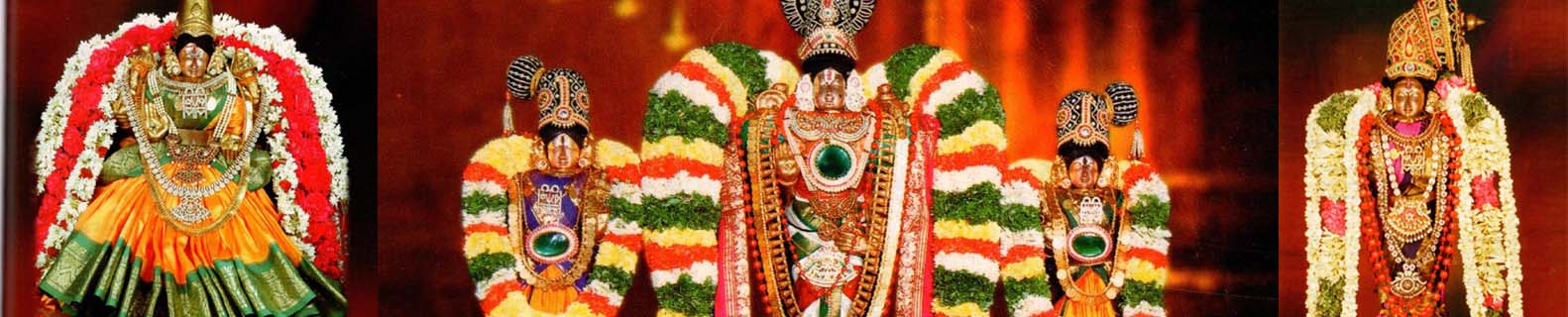
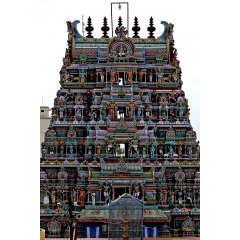
The temple is constructed in the Dravidian architectural style characteristic of South Indian temples. A notable feature is its rare eight-storied tower, or Ashtaanga Vimana, which distinguishes it among temples of the region. The temple's design allows the deity to be viewed in three different postures—sitting, standing, and lying—a configuration that reflects the theological significance of Vishnu's multiple manifestations.
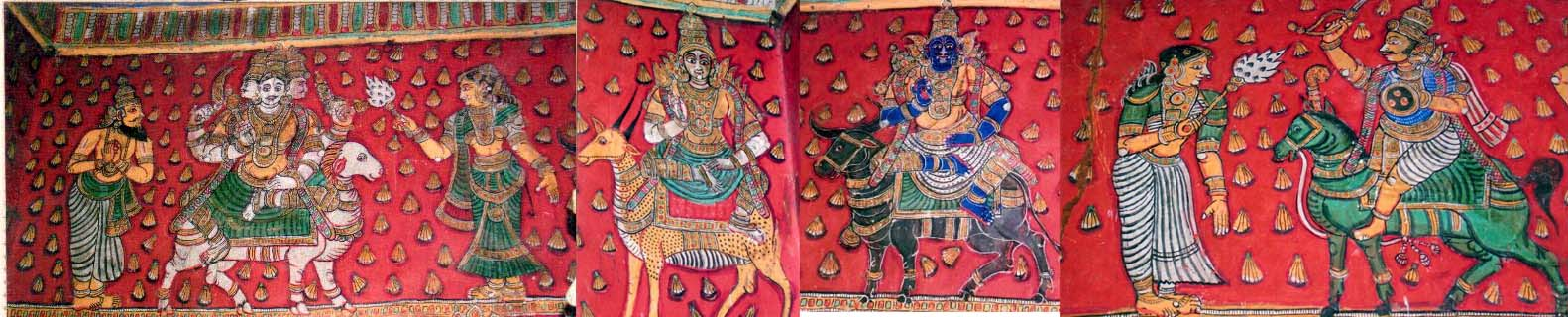
The temple complex includes various halls, sculptures, and murals that form part of its structural heritage. Like many active temples in Tamil Nadu, it maintains records of its inscriptions and historical renovations, including periodic consecration ceremonies known as Kumbabishekam.
Visiting Hours and Practical Information
The temple opens at 5:30 a.m. and closes at noon in the morning session. The evening session runs from 4:00 p.m. to 9:00 p.m. These timings allow devotees to visit during early morning hours, when many temples of this tradition conduct their principal rituals, as well as in the evening.
The best time to visit is between December and February, when the weather in Tamil Nadu is cooler and more comfortable for temple visits. The summer months, particularly May through July, experience intense heat and are best avoided. The temple is located on Koodalalagar Perumal Koil Street near Periyar Bus Stand in central Madurai, making it accessible by local transport. For inquiries, the temple office can be reached at 0452-2338542.
Worship and Darshan
Temples dedicated to Vishnu in the Vaishnavite tradition typically conduct daily worship involving ritual bathing, dressing, and offerings to the deity. Devotees visit for darshan—the viewing of the deity—which is considered a central act of worship. The temple's multiple levels and postures of the deity offer different perspectives for worship and meditation.
The temple maintains facilities for donations and conducts Annadhanam (ritual feeding of devotees), services common to temples of this tradition. Visitors should dress modestly, covering shoulders and knees, as is customary in Hindu temples. Footwear is typically removed before entering the inner sanctum.
Religious Significance in Vaishnavism
The temple's inclusion among the Divya Desams places it within the most exalted category of Vishnu temples in Hindu tradition. The Alvar saints' celebration of this shrine in their devotional poetry elevated its status and ensured its preservation through centuries. For Vaishnavite devotees, visiting a Divya Desam is considered a spiritually significant pilgrimage, and Koodal Azhagar holds particular importance as a site where the divine is understood to manifest in multiple forms.
The worship of Vishnu under the specific name Viyooga Sundarrajan reflects local theological traditions and the particular spiritual understanding developed within Madurai's religious community over generations.
Getting There
The temple is situated in central Madurai near Periyar Bus Stand, making it accessible by local bus routes. The coordinates are 9.93°N, 78.10°E. Visitors arriving in Madurai by train or bus will find the temple within reasonable distance of the city's main transport hubs. Local auto-rickshaws and taxis can provide transport to the temple entrance on Koodalalagar Perumal Koil Street.
How to reach

Temples near Koodal Azhagar Temple
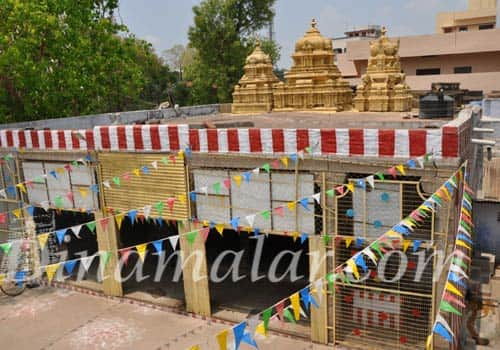
Arapalayam Puttu Sokkanath Temple
Puttu Sokkanath Temple in Arapalayam, Madurai, is an ancient Shiva temple believed to be over a thousand years old, with the presiding deity Sokkanatha and a consort deity Thala…
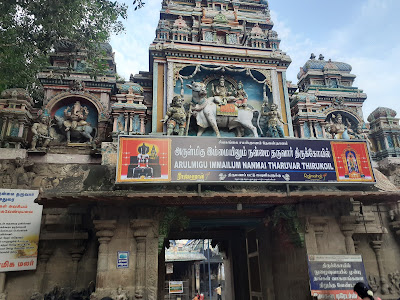
Inmaiyil Nanmai Tharuvar Temple
Arulmigu Immayilum Nanmai Tharuvar Temple in Madurai is a traditional Shiva shrine dedicated to Lord Shiva in his compassionate form, worshipped for blessings and protection in…

Pachyamman Temple, Madurai
Pachyamman Temple is a Hindu shrine located in Arappalayam, Madurai, Tamil Nadu, dedicated to the goddess Pachyamman.
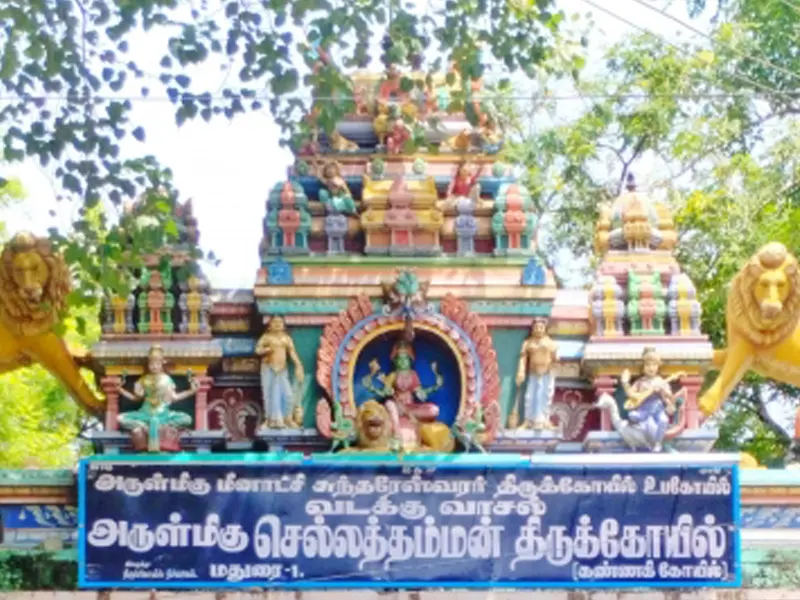
Chelathamman Kannagi Temple
Chelathamman Kannagi Temple in Madurai honors the divine chastity of Kannagi from the Tamil epic Cilapathikaram, built at the site where she stayed in the city.
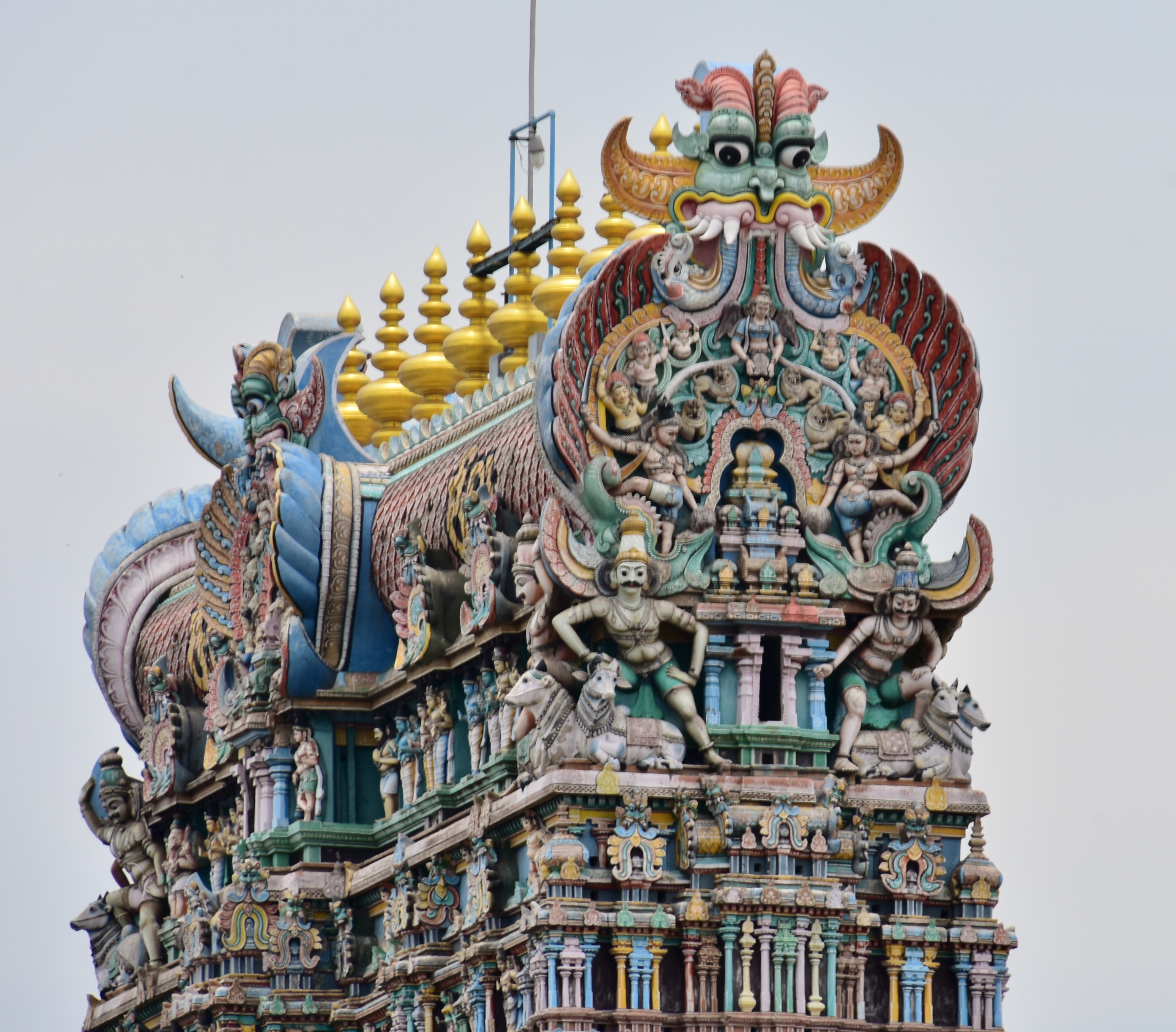
Meenakshi Amman
Meenakshi Amman Temple in Madurai is a 2,500-year-old Dravidian architectural masterpiece dedicated to the goddess Meenakshi and her consort Sundareshwar, featuring 14 towering…
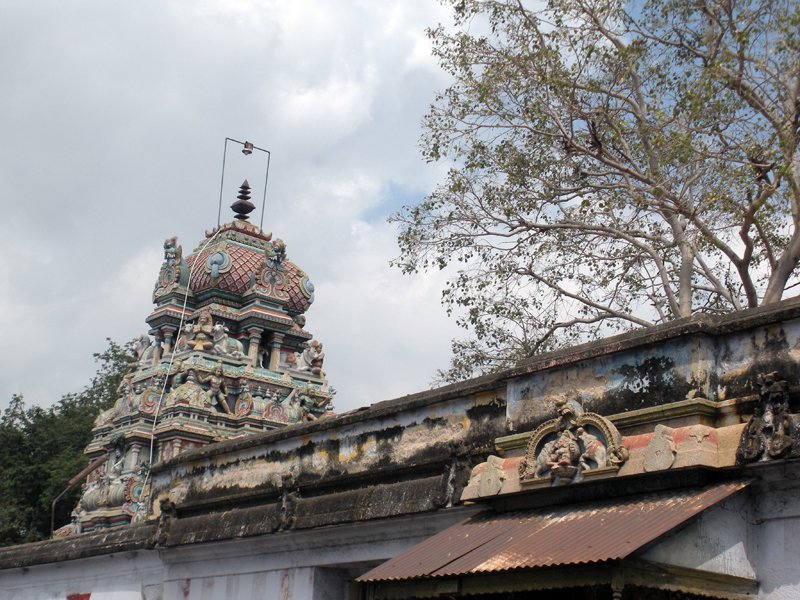
Thiru Aappanoor
Thiru Aappanoor Temple in Madurai is an ancient Shaivite shrine dedicated to Lord Shiva as Aappudayar, tracing its origins to the 7th–8th centuries CE under Pandya patronage.