Kottekkad Temple
About Kottekkad Temple
The temple is situated approximately 8 kilometers from Thrissur, the district headquarters of central Kerala. Thrissur itself is well-connected by road and rail, making Kottekkad accessible to pilgrims and visitors traveling through the region. The specific coordinates (10.789854, 76.695916) can be used with mapping applications to plan your route. Those arriving by public transport should inquire locally in Thrissur about bus services or auto-rickshaw availability to reach the temple, as detailed transport schedules are not documented in available sources.
Visiting the Temple
Specific information about darshan timings, entry fees, dress codes, and facilities at Kottekkad Temple is not available in the sources provided. Before planning your visit, it is advisable to contact the temple directly or seek current information from local sources in Thrissur. Hindu temples in Kerala typically observe regular morning and evening darshan periods, and many maintain modest dress expectations for visitors—generally loose, respectful clothing that covers shoulders and knees—though practices vary by individual temple.
Visitors should be prepared for the possibility of crowds during festival periods and important days in the Hindu calendar. Photography policies and restrictions on entering inner sanctums also vary; these details are best confirmed in advance. If you are traveling with specific ritual intentions—such as performing a vow or seeking blessings for a particular purpose—it may be helpful to arrive with some knowledge of the temple's practices or to speak with temple staff upon arrival.
The Deities and Their Significance
Bhagavathi, the fierce and protective feminine divine, represents shakti (cosmic energy) and is widely venerated across Kerala temples. Shiva, the cosmic ascetic and destroyer-transformer, draws devotees seeking meditation and spiritual depth. Hanuman (Aanganear in local nomenclature) embodies devotion and courage, particularly revered by those undertaking spiritual disciplines. Ayyappan attracts pilgrims from across South India, especially during the pilgrimage season. Murugan (Subhramaniyan) is honored as the divine warrior and remover of obstacles. The serpent deities (Nagathanmar) hold ancient roots in Kerala's spiritual landscape, often associated with fertility, protection, and the earth.
This constellation of presences means that Kottekkad serves different spiritual purposes for different visitors. A devotee may come to fulfill a vow to one deity, while another seeks the blessings of another. The temple thus functions as a place where multiple streams of Hindu devotional practice converge.
Practical Considerations
The temple's proximity to Thrissur—a city with hotels, restaurants, and other facilities—means that visitors need not necessarily stay immediately adjacent to the temple. However, the exact distance of 8 kilometers should be factored into travel time. Those planning to visit should check current conditions regarding road access and local transportation options, as these details change over time.
No information is available regarding specific festivals observed at Kottekkad, special rituals, or annual celebrations. Local inquiry in Thrissur or contact with the temple itself will provide the most accurate and current information about auspicious dates and observances that might enhance your visit.
How to reach
Temples near Kottekkad Temple
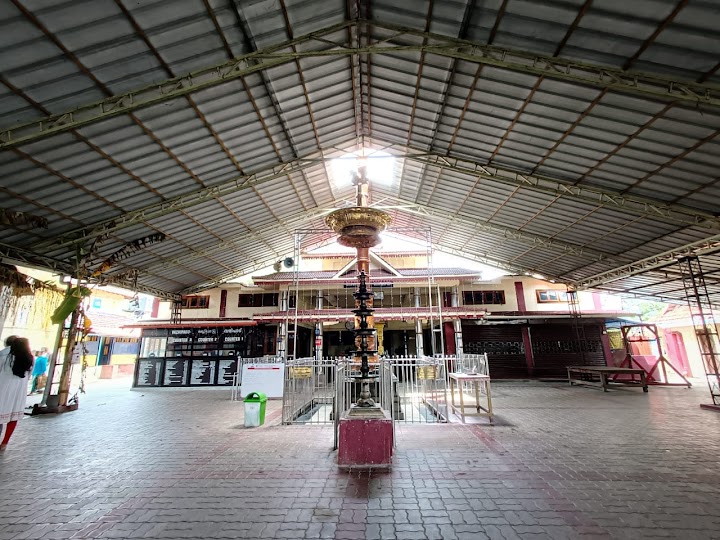
Viswanatha Swamy Temple, Palakkad
Sri Visalakshi Sametha Sri Viswanatha Swamy Temple in Kalpathy, Palakkad, is an ancient riverside shrine dedicated to Lord Shiva, renowned for its Dravidian architecture and the…
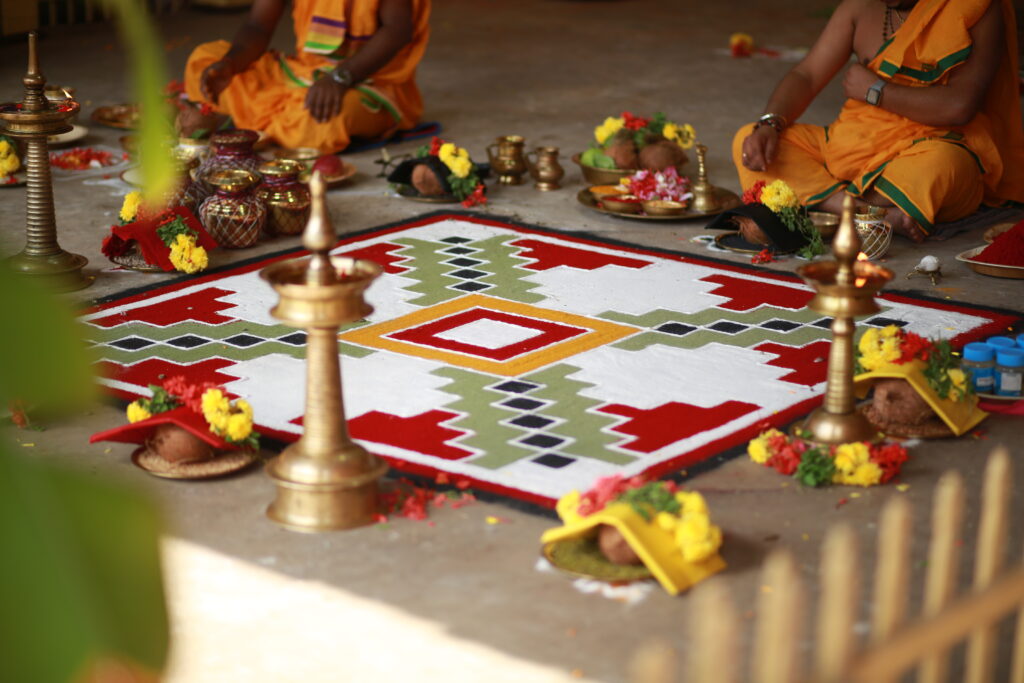
Thiruvaalathoor Randumoorthi Bhagavathi Kshethram
Thiruvaalathoor Bhagavathi Temple, also known as Sree Randumoorthy Temple, is an ancient Devi shrine in Palakkad, Kerala, distinguished by its worship of two principal goddess f…

Kodumbu Mahadeva Temple
Kodumbu Mahadeva Temple, also known as Kodumbu Subramanya Swamy Temple, is a Vijayanagara-period shrine dedicated to Murugan in Palakkad district, Kerala. Established by Tamil S…
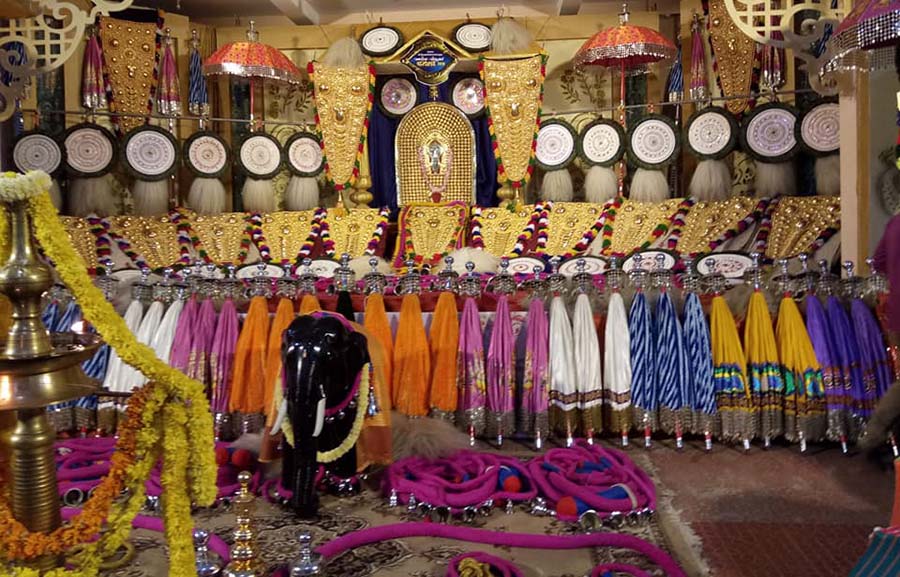
Vadakkanthara Thirupuraikkal Bhagavathy Temple
Sree Vadakkanthara Bhagavathy Temple, also known as Sree Thirupuraikkal Bhagavathi, is a prominent Kerala temple dedicated to the goddess Bhagavathi, an incarnation of Durga, of…
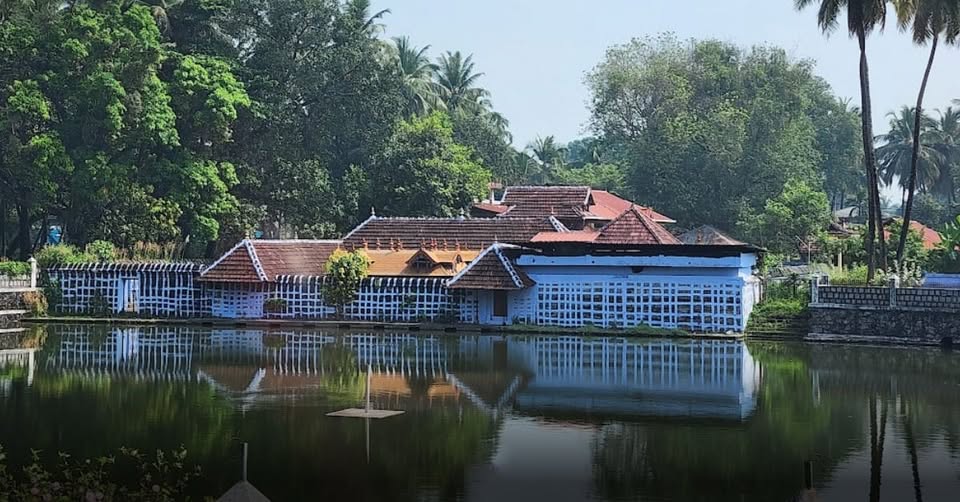
Kallekulangara Hemambika Temple
Hemambika Temple in Kallekulangara, Palakkad, is an ancient shrine dedicated to Goddess Shakti, believed to have been consecrated by Parashurama as one of four protective Ambika…

Thirupuraikkal Temple
Thirupuraikkal Temple, also known as Karnaki Amman Temple, is an ancient and powerful Shakti shrine located in Puthur, Palakkad, Kerala, where Bhadrakali is the primary deity wo…