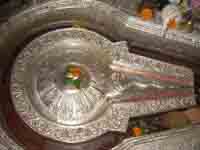
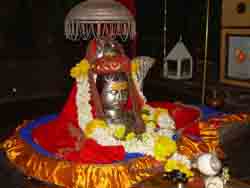
Biswanahakani temple
About Biswanahakani temple
Biswanahakani Temple is situated in the Sahyadri Hills of Maharashtra, a region known for its sacred mountain temples. The temple's coordinates are 20.620998, 85.950463. The Sahyadri range has long drawn pilgrims seeking high-altitude shrines, and this temple forms part of that tradition. Visitors should note the elevation and terrain when planning their journey, as hill temples typically require some physical exertion to reach. The nearest major city is Pune, though specific road conditions and transport options are best confirmed locally before travel.
The Jyotirlinga Tradition
Biswanahakani Temple is recognized as one of the Jyotirlingas, a designation that places it within a significant lineage of Shiva worship across India. The twelve Jyotirlingas represent manifestations of Shiva in his most abstract and powerful form—the jyotirlinga, or "linga of light." Temples bearing this status attract devotees seeking direct communion with Shiva through worship at these sacred sites. The Sahyadri location connects this temple to a broader network of Jyotirlinga temples in Maharashtra, several of which share similar ritual structures and pilgrimage importance.
Daily Worship and Darshan Schedule
The temple maintains a structured daily rhythm centered on multiple aartis and darshan periods. The day begins with Kakada Aarti at 4:30 AM, followed by Nijarup Darshan at 5:00 AM. Regular poojas and abhishek (ritual bathing of the deity) commence at 5:30 AM and continue until noon. A separate Naivedya Pooja occurs at 12:00 PM, after which regular poojas resume from 12:30 PM to 3:00 PM. The Madhyan Aarti takes place at 3:00 PM, during which darshan is not available for 45 minutes. Shringar Darshan (viewing the decorated deity) is offered from 4:00 PM to 9:30 PM, though abhishek is not performed during this period. An evening aarti occurs at 7:30 PM. The temple closes at 9:30 PM and remains closed until 4:30 AM.
Visitors should be aware that on Mondays, during Pradosh (the twilight period sacred to Shiva), during Shravan Mass (the monsoon month of Shravan), and on Mahashivratri, the abhishek schedule extends until 6:00 PM rather than the standard 2:00 PM. These special observances reflect the heightened devotional significance of these times in the Shiva calendar.
Visiting Etiquette and Practical Information
Visitors to Hindu temples typically observe certain conventions. Modest dress is expected—covering shoulders and knees is standard practice. Footwear should be removed before entering the sanctum. Photography policies vary by temple and should be confirmed upon arrival. The early morning hours, particularly around the Kakada Aarti, tend to be quieter for those seeking a more intimate darshan experience, though they require early rising.
The temple's location in the Sahyadri Hills means visitors should come prepared for hill terrain and variable weather. Water and basic provisions should be carried, as facilities in remote hill locations may be limited. The timing of visits should account for the temple's closure from 9:30 PM to 4:30 AM.
Ritual Significance
The abhishek ritual, in which water, milk, yogurt, honey, and other substances are poured over the linga, is central to worship at Shiva temples. The distinction between abhishek performed inside the sanctum (available until 2:00 PM on regular days, 6:00 PM on special days) and the darshan-only periods reflects traditional practices that govern access to the innermost sacred space. The multiple aartis throughout the day—the Kakada Aarti at dawn, Madhyan Aarti at midday, and evening aarti—mark the deity's different states and the devotee's changing relationship to the divine across the day's cycle.
Planning Your Visit
Devotees planning a pilgrimage should arrive well before desired darshan times, particularly during the early morning hours when crowds are lighter. The temple's schedule is consistent, making advance planning straightforward. Those undertaking the Jyotirlinga pilgrimage circuit will find Biswanahakani as one station in a larger spiritual journey across Maharashtra's sacred sites. Local inquiry about current conditions, any temporary schedule changes, and the best approach routes is advisable before departure.
How to reach
Temples near Biswanahakani temple

Madhabananda Temple
Shree Madhabananda Jew Temple in Niali, Cuttack district, is an ancient 13th-century shrine dedicated to Lord Madhab (Vishnu), renowned as the maternal house of Lord Jagannath a…
Laxminrusingha Temple
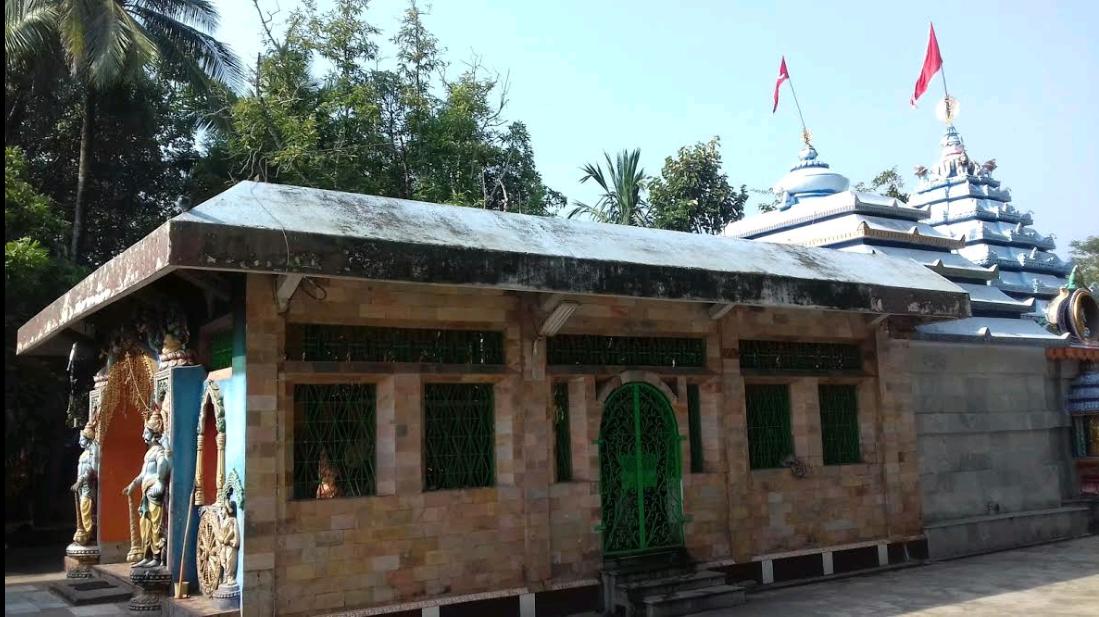
Laxminrusingha Temple is a Hindu shrine dedicated to Lord Nrusingha, situated in Purbakachha village within Salipur area of Cuttack district, Odisha.
Chateshwar Temple
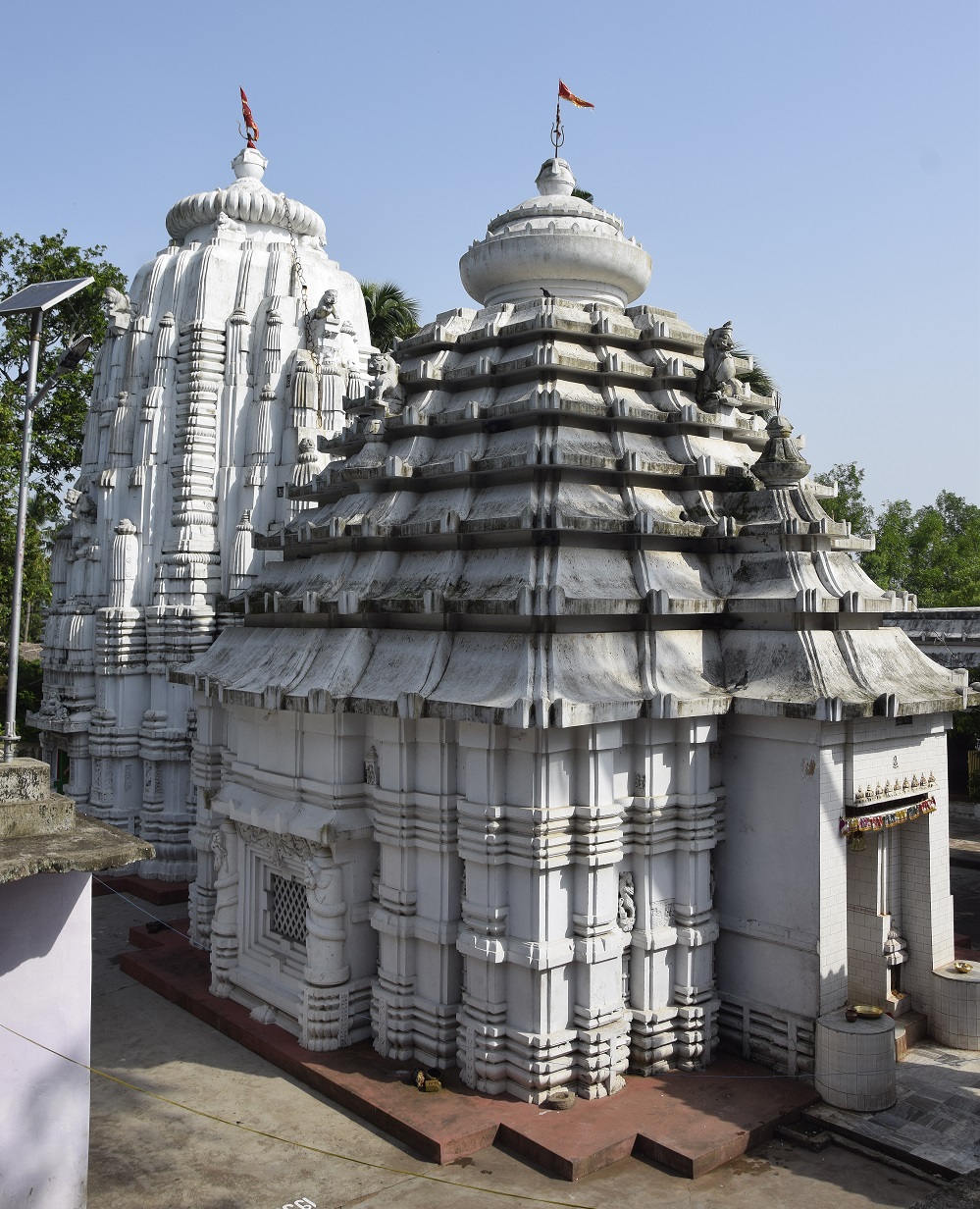
Chateshwar Temple is a Hindu shrine in Odisha dedicated to Lord Mahadev, featuring a subterranean Shivalinga and located in Kishinapur village.
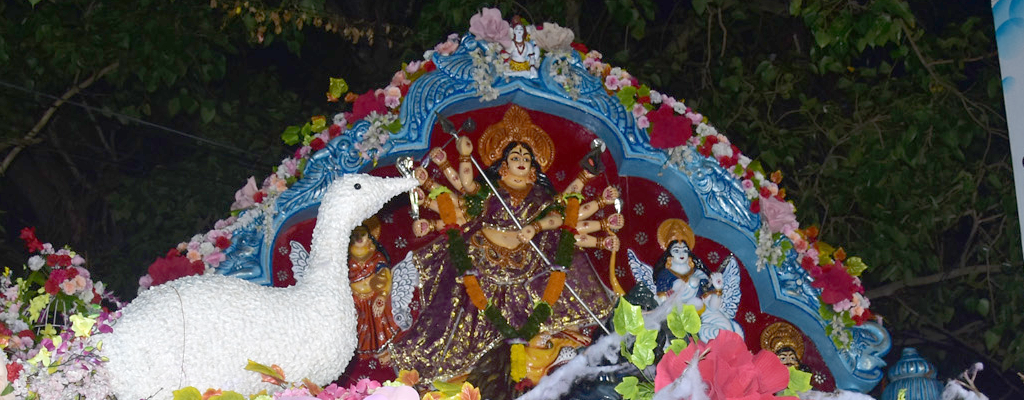
Cuttack Chandi Temple
Kataka Chandi Mandir is a prominent Hindu temple dedicated to Goddess Chandi, situated on the banks of the Mahanadi River in Cuttack, Odisha. The temple is renowned for its elab…

Tribeniswar Temple
Tribeniswar Temple is a Shaiva shrine in Odisha dedicated to Lord Shiva, housing a Patalaphuta Shivalinga at Chasakhanda village in Mahanga, Cuttack district.

Maa Jhanjiri Mangala Temple
Maa Jhanjiri Mangala Temple in Cuttack is an ancient Hindu shrine dedicated to Mangala, the presiding deity of the city, known for its spectacular Durga Puja celebrations featur…