

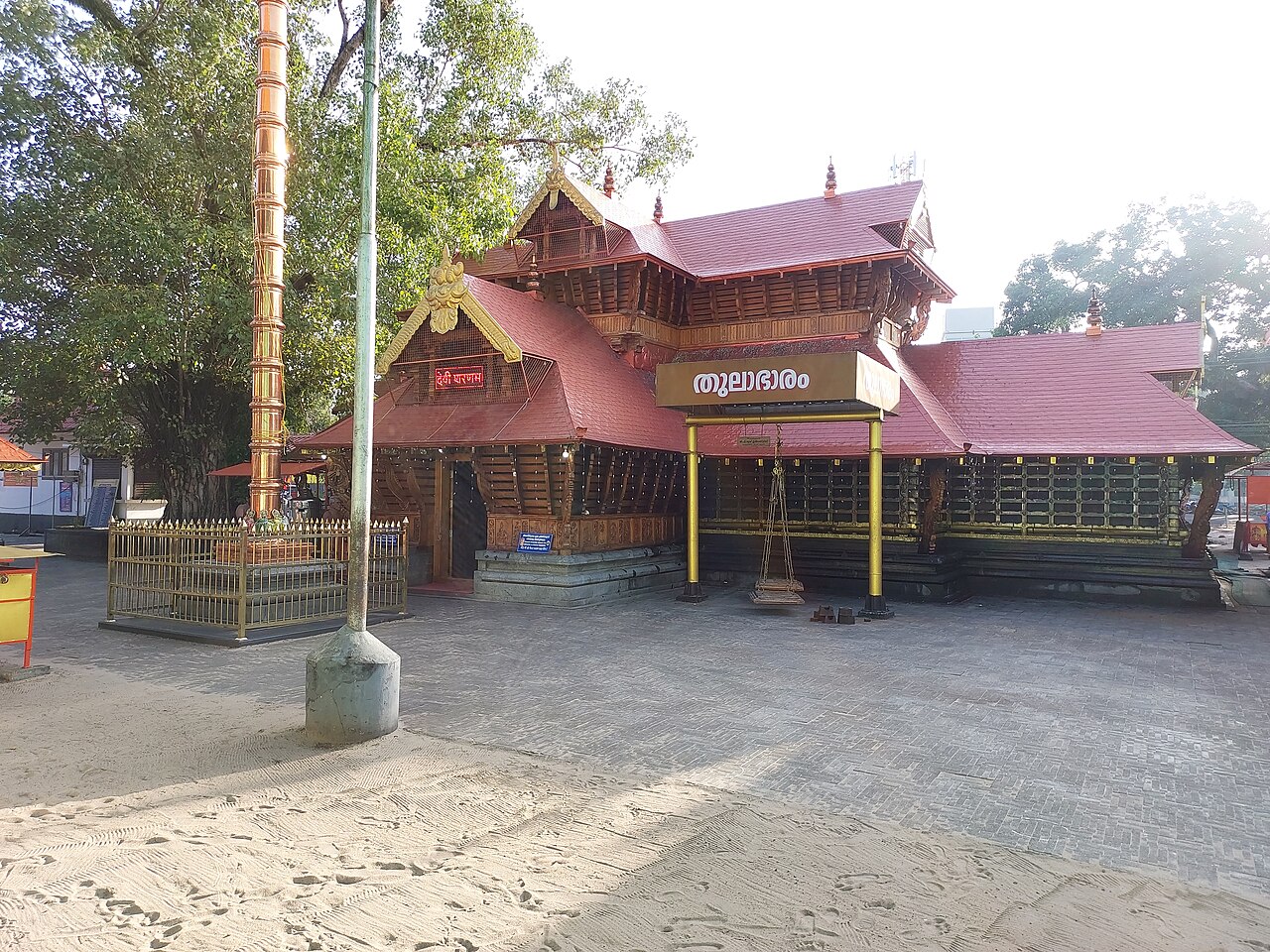
Kanichukulangara Devi Temple
About Kanichukulangara Devi Temple
The temple's name carries geographical and legendary significance: "Kanichu" refers to vision or seeing, while "kulangara" denotes a pond near a grove, reflecting both the temple's setting and the tradition of the goddess's appearance in the area. Local accounts describe the temple as centuries old and deeply rooted in Kerala's Devi worship traditions. The site includes a sacred pond that remains integral to temple rituals and the spiritual life of the sanctuary. The temple sits approximately 7.5 kilometres from Cherthala town and 17 kilometres from Alappuzha, positioning it within the broader landscape of Alappuzha district's religious geography.
Architecture and Temple Layout
The temple follows traditional Kerala architectural conventions. Its structure includes a Sreekovil (inner sanctum) topped with a tiled roof, a Nadapanthal (covered walkway) where devotees gather, and a Kodimaram (flag post) that marks the temple's sacred presence. These elements combine to create the characteristic appearance of Kerala's Hindu temples. The surrounding grounds incorporate the sacred pond mentioned in the temple's name and history, which serves both practical and ritual functions within the temple's daily life.
Daily Worship and Rituals
The temple operates daily from 8:00 AM to 9:00 PM, allowing devotees multiple opportunities for darshan and prayer throughout the day. Regular rituals include Ganapathi Homam, Bhagavathi Seva, and Pushpanjali offerings. Devotees participate in various forms of worship: Malayidal (garlanding the deity), Thulabharam (a practice of weighing oneself against offerings such as grains or coins), and Thottam Pattu (traditional singing of praises to the goddess). These rituals reflect the devotional practices common to Shakti worship in Kerala, where the goddess receives both fierce and benevolent forms of reverence.
Festivals and Celebrations
The temple's most significant observance falls on Thiruvonam, celebrated in the Malayalam month of Kumbham (February–March). This annual festival extends over 21 days and draws large numbers of devotees. The celebrations feature elaborate rituals, colourful processions, and cultural performances. The temple is particularly renowned for specific ritual practices including Chikkara, Pongala (a ritual offering traditionally performed by women), Thooka Chadu, and fireworks displays. Beyond the main festival, the temple also observes Navaratri (a nine-day celebration of the goddess) and Meena Bharani (during the Malayalam month of Meenam, March–April), each bringing their own programmes of worship and cultural activity.
Visiting Information and Practical Details
The best time to visit extends from September through March, with the festival season in February and March offering the most vibrant temple experience. The temple is accessible by road through state highways; buses, taxis, and auto-rickshaws serve the route from both Cherthala (approximately 8 kilometres away) and Alappuzha. Cherthala Railway Station lies about 8 kilometres distant, while Cochin International Airport is approximately 65 kilometres away for those arriving by air. Visitors should dress modestly in keeping with temple customs and approach the sacred space with appropriate respect. Morning and evening hours typically offer quieter conditions for personal worship, while festival periods bring communal energy and larger gatherings. The temple remains a centre not only for spiritual practice but also for cultural and social life within the region, preserving Kerala's religious heritage through its rituals and celebrations.
How to reach
Temples near Kanichukulangara Devi Temple
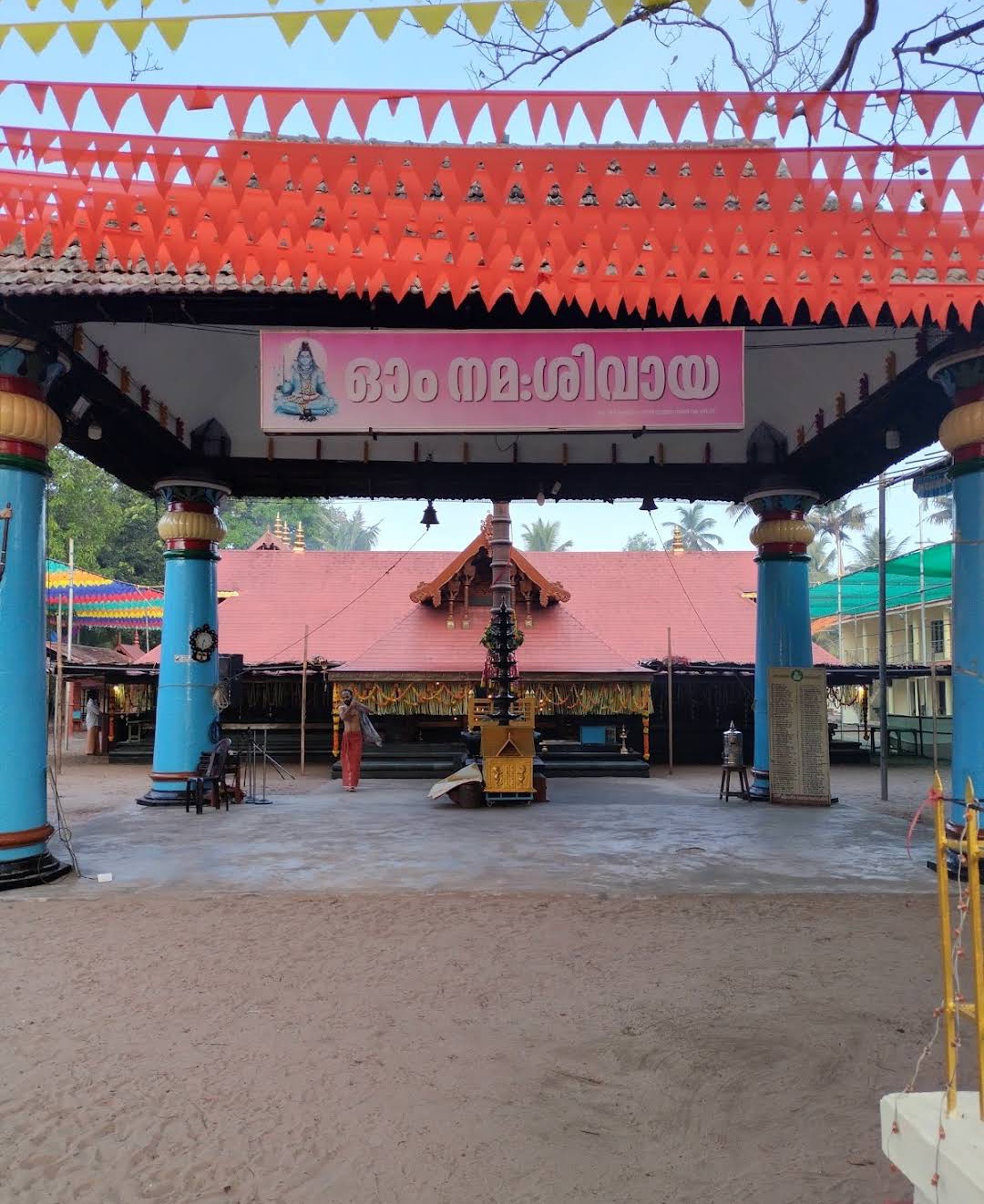
Thiruvizha Mahadeva Temple
Thiruvizha Mahadeva Temple in Kerala's Alappuzha District is renowned for its unique Marunnu Seva ritual involving medicated milk, believed to heal mental and physical ailments.…
Aravukadu
Aravukadu Devi Temple in Punnapra, Alappuzha, is dedicated to the goddess in her fierce form after vanquishing the demon Daruka, with an idol carved from Krishna Sila representi…
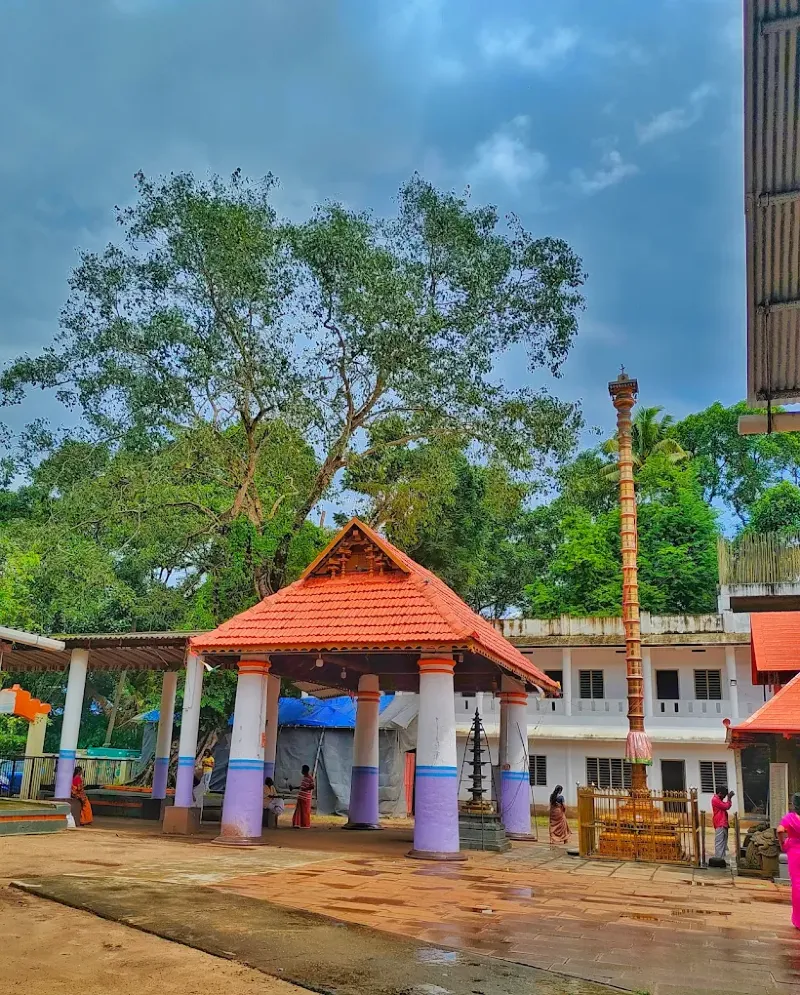
Maruthorvattom Temple
Maruthorvattom Dhanwanthari Temple in Alappuzha district, Kerala, is dedicated to Lord Dhanwanthari, the divine physician and an incarnation of Vishnu. The temple draws devotees…

Vattakkattu Viswanath Temple
Vattakkattu temple is a Hindu place of worship located in Cherthala, a historic town in central Kerala known for its backwater landscapes and spiritual heritage.

Cherthala Karthyayani Temple
Karthyayani Devi Temple in Cherthala is a revered Hindu shrine dedicated to Goddess Karthyayani, a manifestation of Durga, known for hosting the second most celebrated pooram fe…

Velorvattom Sri Mahadeva Temple
Velorvattom Sri Mahadeva Temple in Cherthala, Alappuzha district, is a 7th-century Shiva temple established by Azhvanchery Thamprakkal and consecrated by sage Parasurama. It is…