Jyotir Math
About Jyotir Math
Adi Shankara, the philosopher-saint who established this institution, lived approximately 2500 years ago and is remembered for his extraordinary intellectual achievements. According to tradition, he mastered all four Vedas by age eight and completed his major philosophical commentaries by sixteen. Beyond his scholarly work, Shankara undertook four extensive journeys across India on foot, engaging in philosophical debates and establishing monasteries to consolidate Hindu thought during a period when the tradition faced significant challenges from competing philosophical schools.
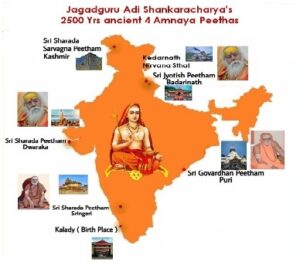
Shankara's mission addressed a fragmented religious landscape in which numerous sects and schools of thought competed for followers. Through reasoned philosophical discourse and the establishment of institutional centers like Jyotir Math, he worked to unify Hindu practice around core Vedantic principles. His influence shaped the intellectual and spiritual direction of Hindu monasticism for centuries to come.
The Himalayan Setting and Monastic Life
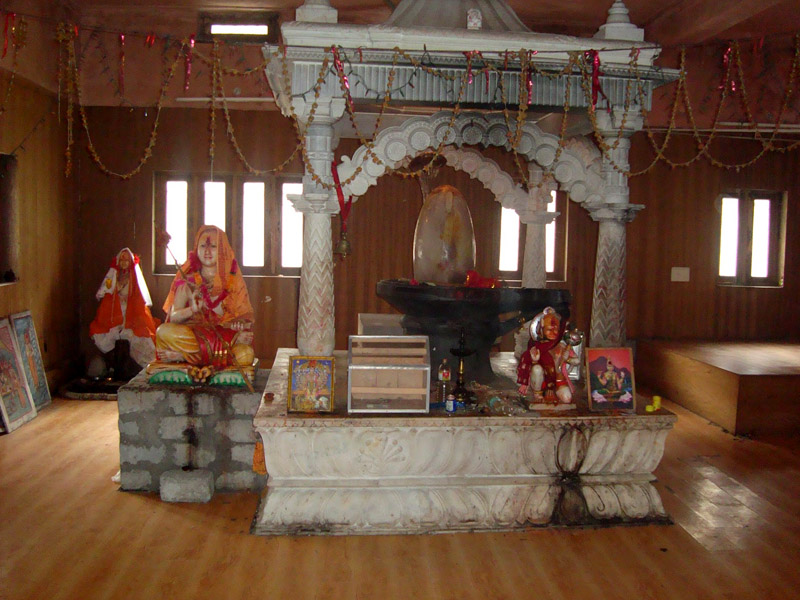
Situated in the Himalayan foothills, Jyotir Math occupies a landscape traditionally associated with spiritual practice and renunciation. The monastery functions as a living center of Advaita Vedanta study and teaching, where monks engage in scriptural study, philosophical inquiry, and the transmission of the guru-disciple lineage that traces back through Shankara's direct students.
The institution maintains a continuous lineage of leadership through successive Shankaracharyas, each appointed to guide the monastery and preserve its philosophical and spiritual traditions. This unbroken succession represents a core value within the monastic order—the direct transmission of understanding from teacher to student across generations.
Visiting the Monastery
Jyotir Math is located at coordinates 30.550645, 79.565953 in Joshimath, Chamoli district, Uttarakhand. The monastery welcomes visitors interested in learning about Advaita Vedanta philosophy and Hindu monastic traditions. Those planning a visit should understand that this is an active religious institution rather than a temple with conventional worship rituals and deity darshan. Appropriate respectful conduct, modest dress, and adherence to the guidelines established by the monastery are expected of all visitors.
Specific information regarding visiting hours, facilities for pilgrims, and any restrictions on access to particular areas should be confirmed directly with the monastery before arrival. The high altitude and mountain location mean that visitors should be prepared for Himalayan weather conditions and terrain.
Reaching Joshimath
Joshimath serves as the base for visiting Jyotir Math and lies along the route to several significant pilgrimage sites in the region. The town is accessible by road from major cities in Uttarakhand. Visitors typically arrange transportation through local guides or travel services familiar with mountain routes in the Chamoli district. The journey itself reflects the traditional association of Himalayan monasteries with pilgrimage and spiritual seeking.
The Broader Significance
Jyotir Math represents one of Hinduism's most important institutional centers for philosophical study and monastic life. Its establishment by Adi Shankara as part of a coordinated network of four monasteries demonstrates an early and sophisticated approach to preserving religious knowledge and practice across a vast geography. For those interested in Hindu philosophy, the history of Indian monasticism, or the life and work of Adi Shankara, the monastery offers direct connection to these living traditions.
How to reach
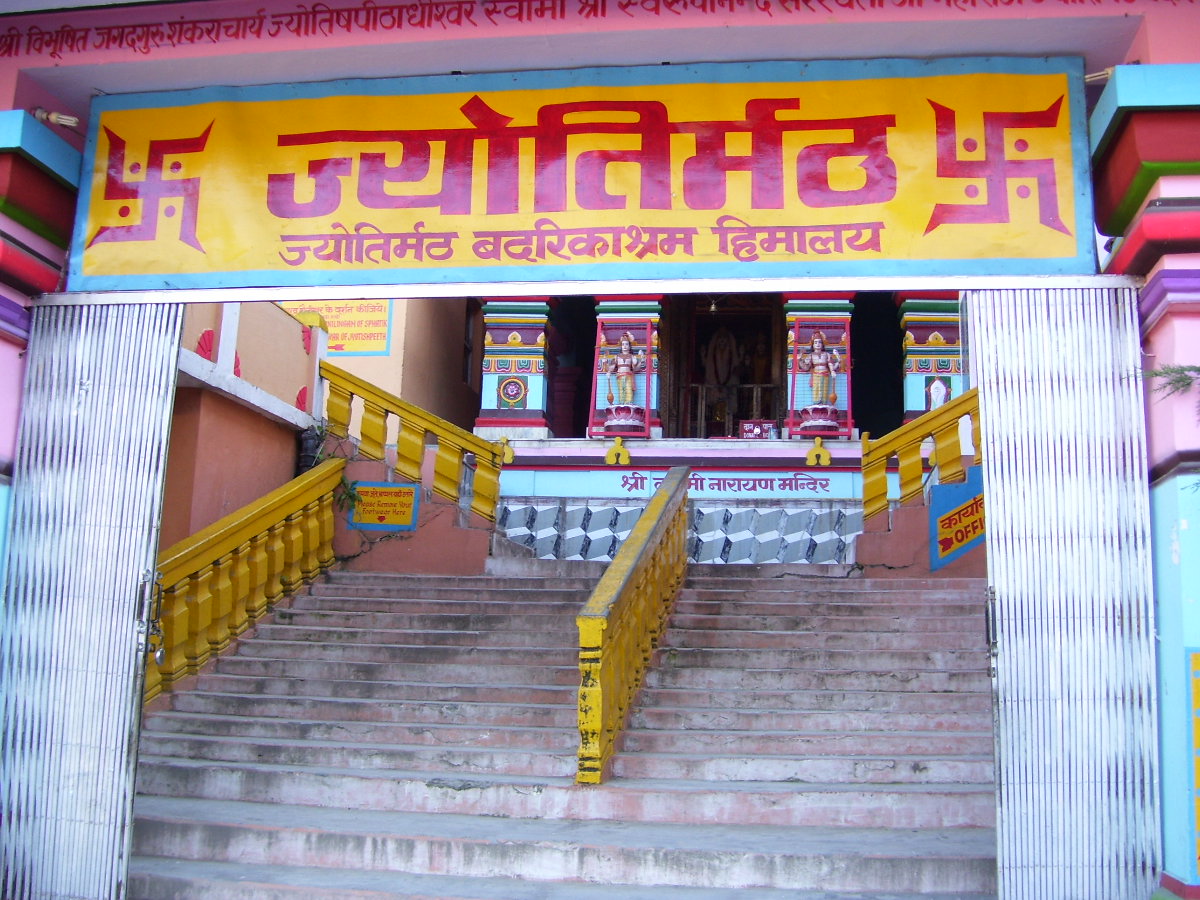
Temples near Jyotir Math
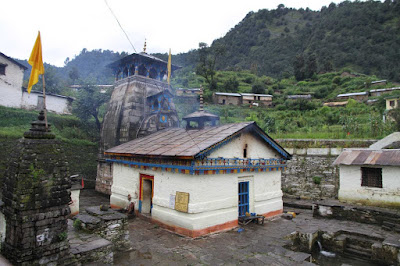
Kalpeshwar Temple, Uttarakhand
Kalpeshwar Temple is a sacred cave shrine dedicated to Lord Shiva located in Urgam Valley within the Chamoli district of Uttarakhand. It is the only Panch Kedar temple open year…
Kalpeshwar
Kalpeshwar Mahadev Temple in Uttarakhand's Urgam Valley enshrines Lord Shiva's matted locks and stands as the only Panch Kedar shrine accessible year-round.
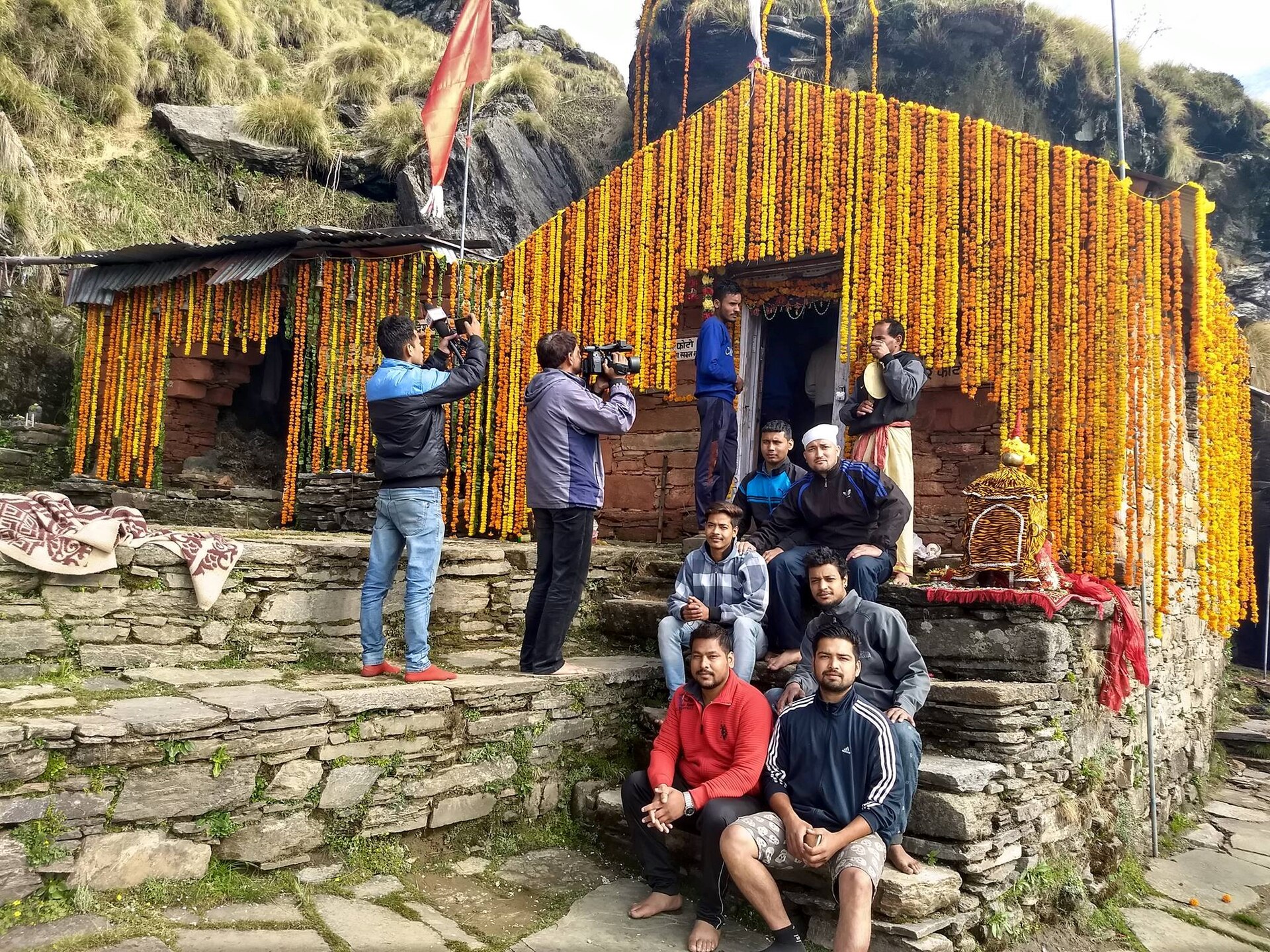
Rudranath
Rudranath Temple is one of the five sacred Panch Kedar shrines in the Garhwal Himalayas, where devotees worship the face (mukh) of Lord Shiva. Situated in alpine meadows amid ch…

Badrinath Temple
Badrinath Temple, dedicated to Lord Vishnu, is one of India's most sacred pilgrimage sites and a Divya Desam. Located in the Himalayas of Uttarakhand, it operates seasonally fro…

Sapta Badri
Sapta Badri refers to a group of seven sacred Badri temples in Uttarakhand, with the primary shrine being Badarinath Temple dedicated to Lord Vishnu, believed to have been estab…
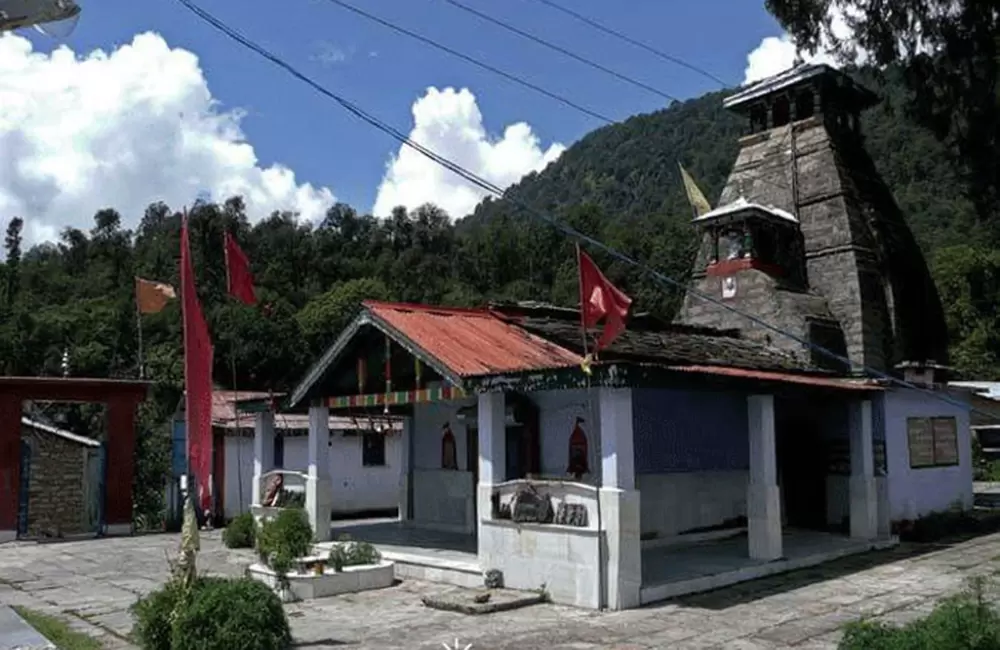
Anusuya Devi Temple
Anusuya Devi Temple in Chamoli, Uttarakhand is a sacred Hindu pilgrimage site dedicated to the goddess Anusuya, revered as a center of spiritual devotion and religious faith.