

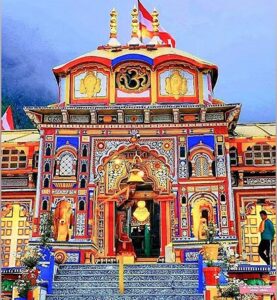
Badrinath Temple
About Badrinath Temple
The temple operates on a strict seasonal calendar determined by Himalayan weather. Opening occurs in late April, beginning from Akshaya Tritiya, and closes in early November at Bhai Dooj. This means the temple remains inaccessible for six months of the year, a reality that shapes every aspect of planning a visit.
Within the open season, daily operations follow a consistent pattern. The temple opens at 04:30 in the morning and closes at 21:00 in the evening. However, a midday closure runs from 13:00 to 16:00, dividing the day into morning and evening darshan periods. Morning darshan is available from 04:30 to 13:00, while evening darshan runs from 16:00 to 21:00. This schedule allows pilgrims to plan their visits around the temple's rhythm, though the early opening time reflects the traditional practice of dawn worship at Hindu temples.
Daily Rituals and Worship
Four principal aartis (ritual worship ceremonies) structure the temple day. The Maha Abhishekham, an elaborate bathing ritual, begins at 04:30 as the temple opens. At midday, the Gitagovinda Recitation takes place at 12:30, drawing on classical devotional poetry. The Sandhya Aarti, performed at the evening transition, occurs at 18:30. The final ritual, the Shayan Aarti at 20:30, marks the deity's rest before the temple closes for the night.
Visitors wishing to participate in specific rituals or arrange personal worship can book pujas through the official temple portal. Prior registration is required for puja bookings, and registration must be completed using an Indian mobile number. The temple committee manages these arrangements to accommodate the large number of pilgrims while maintaining the sanctity of worship.
Practical Information for Visitors
The temple's high-altitude Himalayan location presents specific challenges. Pilgrims should be aware that the environment exposes visitors to extreme cold, low humidity, increased ultraviolet radiation, and reduced oxygen pressure. Health advisories are available through the Uttarakhand tourism website, and weather forecasts can be checked through India's meteorological department. The State Emergency Operation Center can be reached at 0135-2710334 or the toll-free number 1070 for emergencies.
Vehicle permits are required for those traveling to the temple by car, and these can be registered through the official portal to generate the necessary green card and trip card. Helicopter services are available for those unable to undertake the journey by road, with bookings managed through a dedicated IRCTC platform. Accommodation options exist in Badrinath town, ranging from budget to comfortable stays. Pilgrims are advised to complete registration formalities before beginning their journey, as requirements may change and current information should be verified through the official Badrinath Kedarnath Temple Committee website.
The Temple Committee and Management
The Shri Badarinath Kedarnath Temple Committee (BKTC), established under an act from 1939, oversees both Badrinath Temple and the nearby Kedarnath Temple dedicated to Shiva. The committee manages forty-five temples across Uttarakhand along the pilgrimage routes. This institutional framework ensures consistent management of facilities and services for the large numbers of pilgrims who visit during the open season. The committee coordinates accommodation, puja bookings, vehicle permits, and emergency services, making it the primary point of contact for pilgrims planning their visit.
How to reach
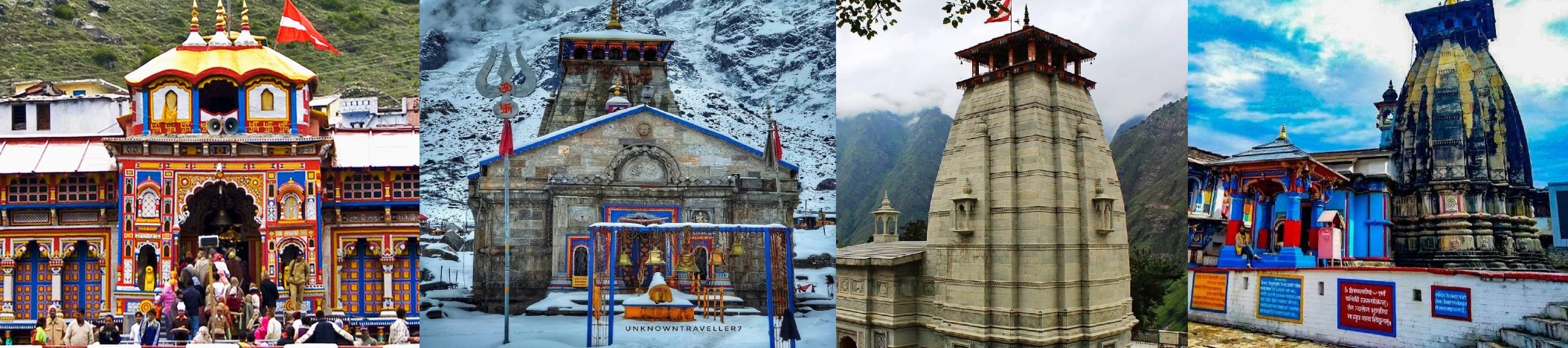
Temples near Badrinath Temple

Sapta Badri
Sapta Badri refers to a group of seven sacred Badri temples in Uttarakhand, with the primary shrine being Badarinath Temple dedicated to Lord Vishnu, believed to have been estab…
Kalpeshwar
Kalpeshwar Mahadev Temple in Uttarakhand's Urgam Valley enshrines Lord Shiva's matted locks and stands as the only Panch Kedar shrine accessible year-round.
Kalpeshwar Temple, Uttarakhand
Kalpeshwar Temple is a sacred cave shrine dedicated to Lord Shiva located in Urgam Valley within the Chamoli district of Uttarakhand. It is the only Panch Kedar temple open year…
Jyotir Math
Jyotir Math is one of four cardinal monasteries established by Adi Shankara approximately 2800 years ago to preserve Advaita Vedanta philosophy. Located in Joshimath, Uttarakhan…
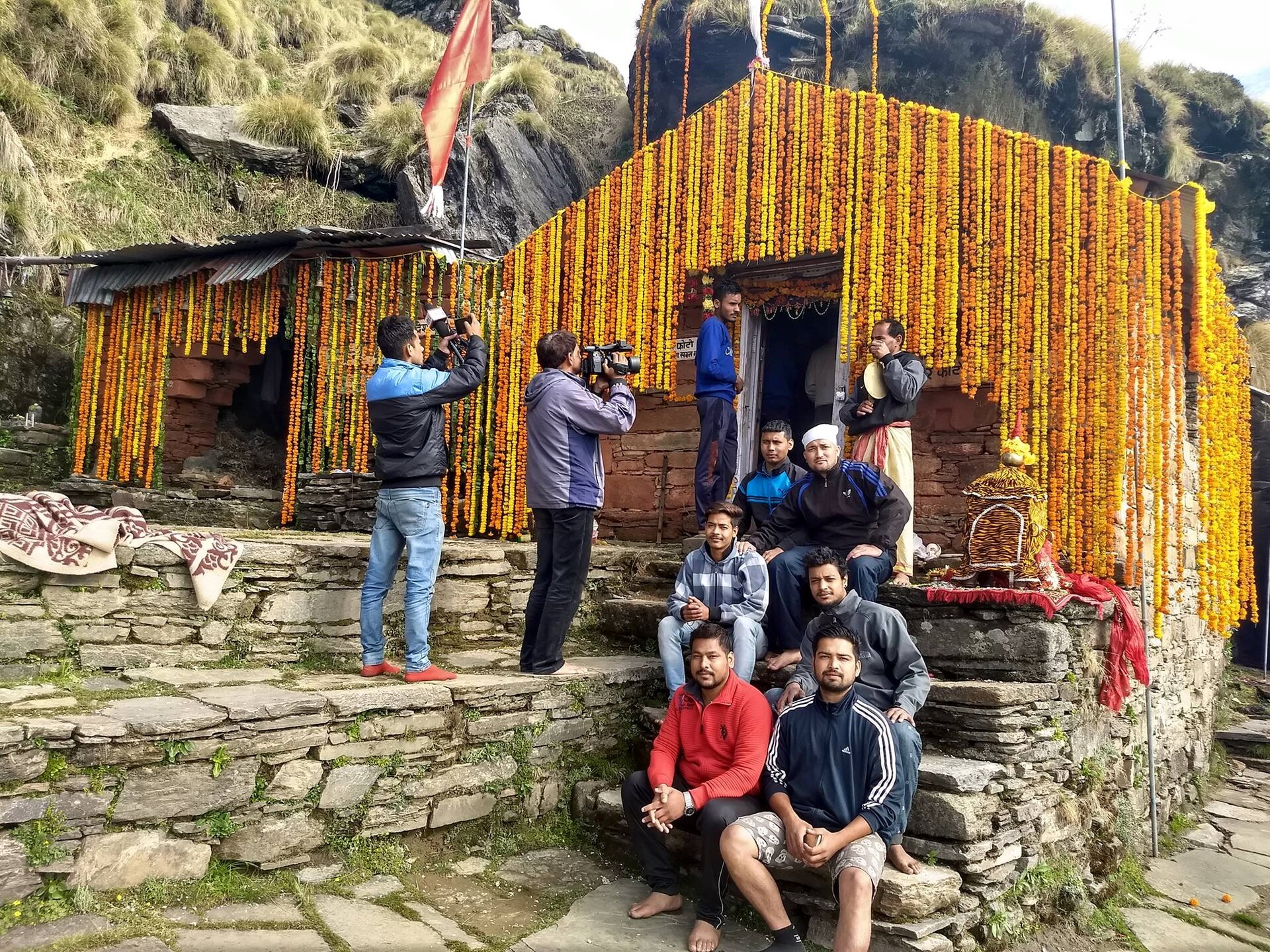
Rudranath
Rudranath Temple is one of the five sacred Panch Kedar shrines in the Garhwal Himalayas, where devotees worship the face (mukh) of Lord Shiva. Situated in alpine meadows amid ch…
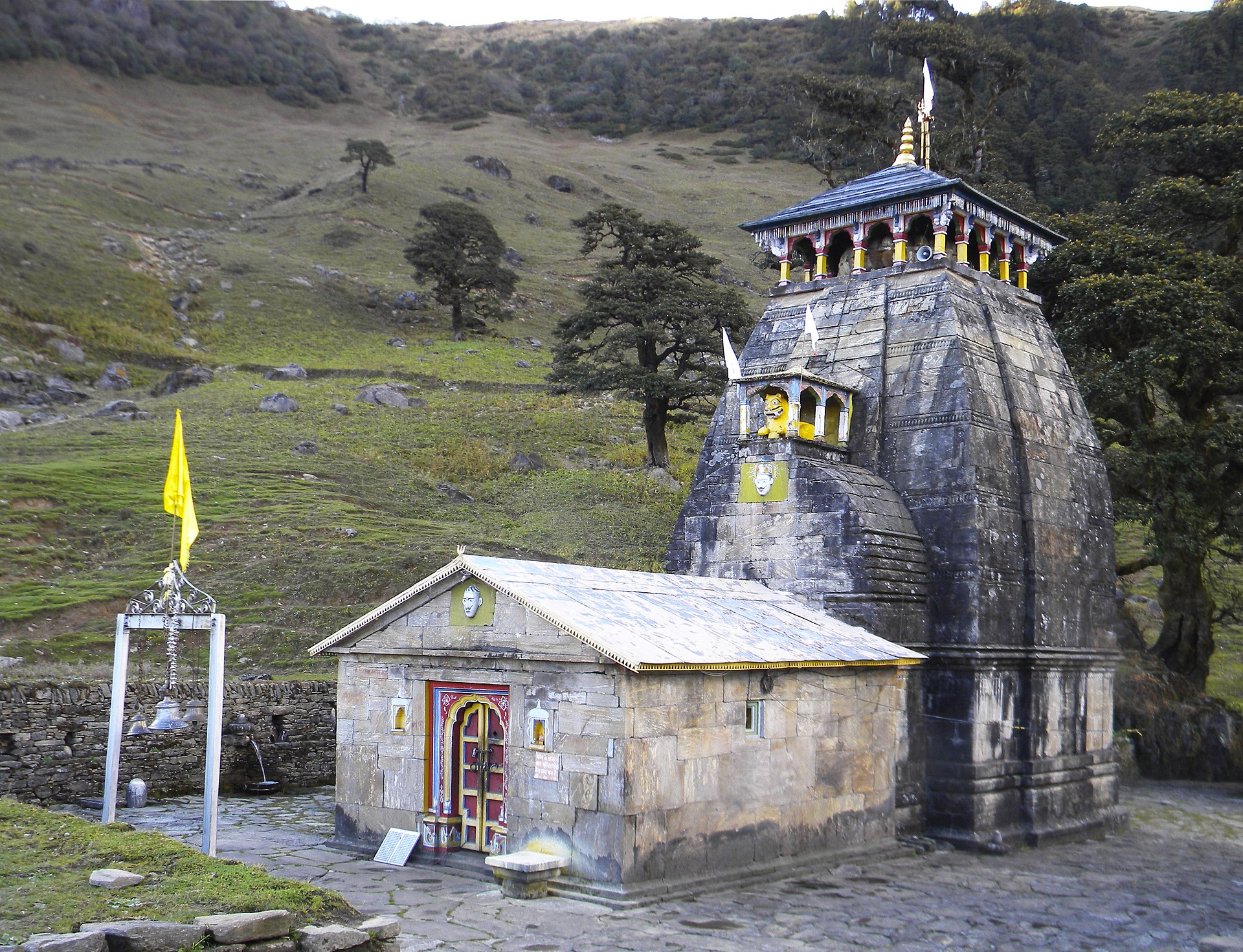
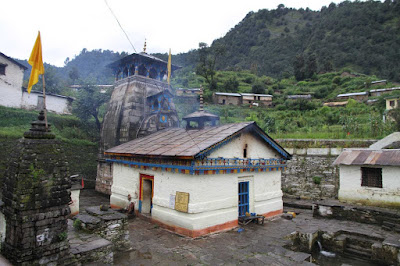
Madhyamaheshwar Temple
Madhyamaheshwar Temple is one of the five sacred Shiva shrines in the Panch Kedar pilgrimage circuit, located in the Garhwal Himalayas of Uttarakhand. Each temple in the circuit…