Nageshvara Jyotirlinga
About Nageshvara Jyotirlinga
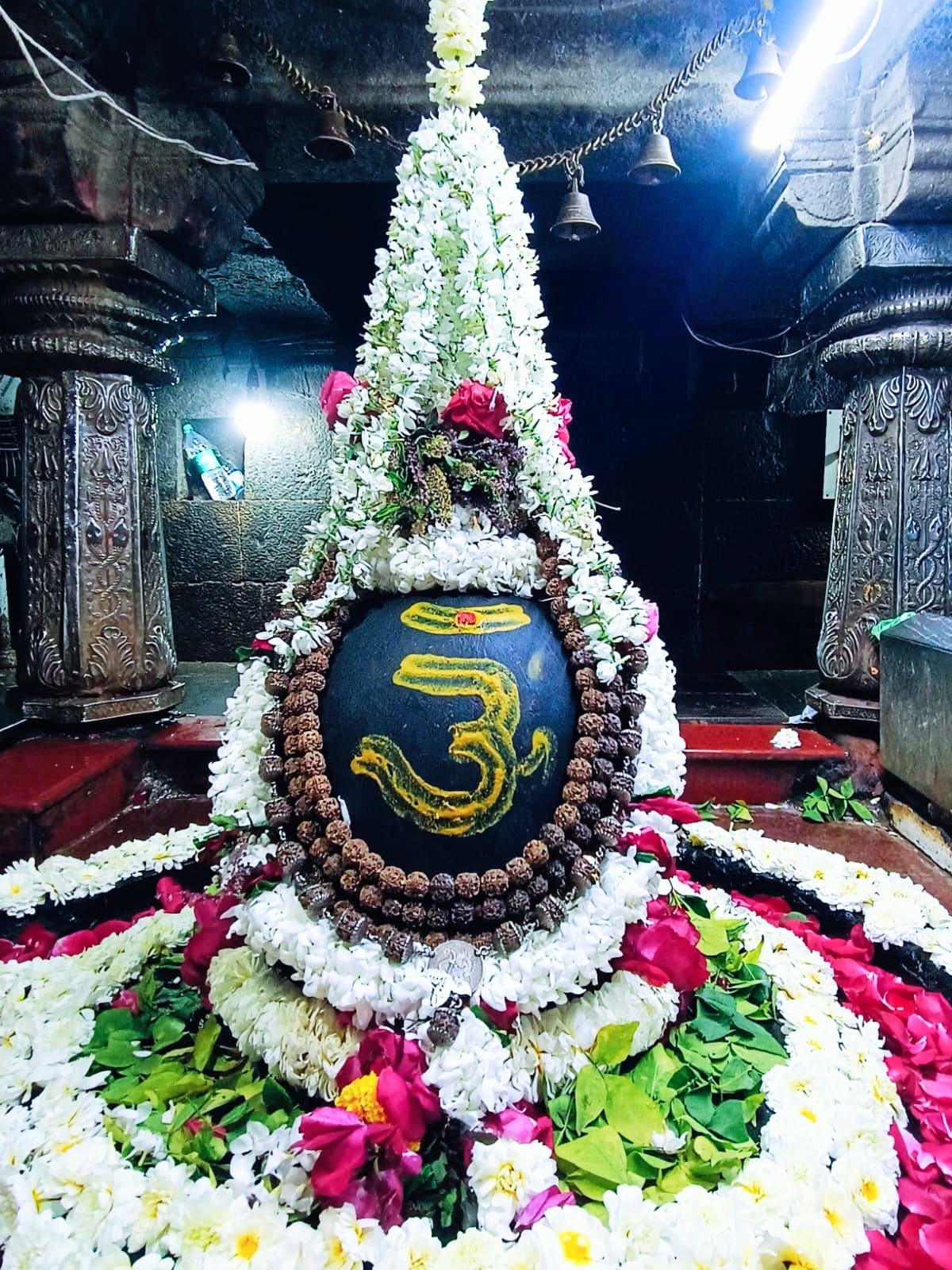
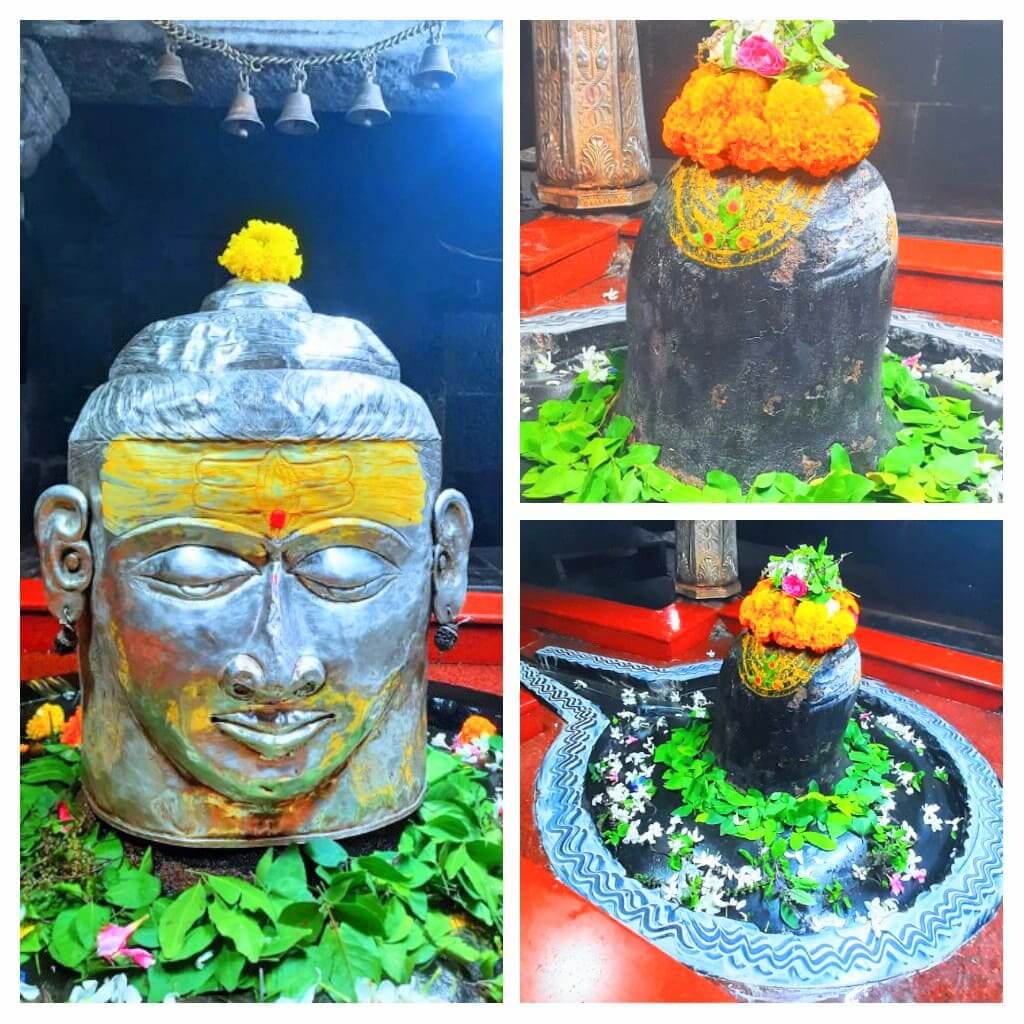
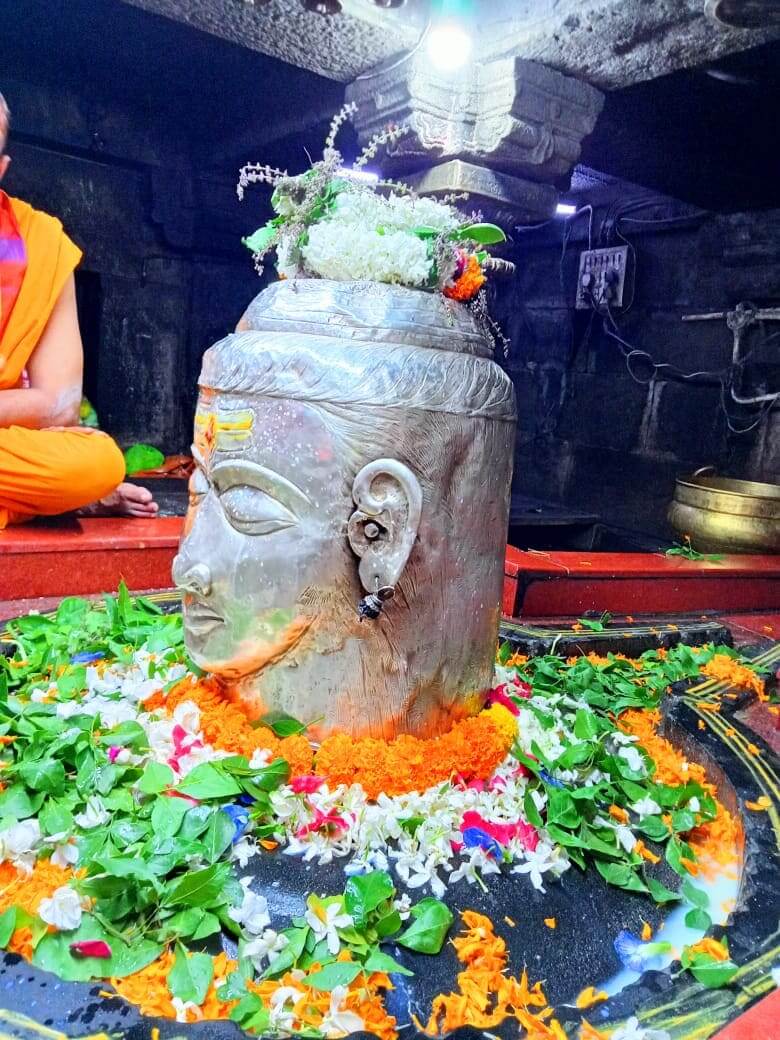
The Jyotirlinga concept represents one of Hinduism's most profound theological ideas. Rather than depicting Shiva in anthropomorphic form, the Jyotirlinga manifests the deity as pure luminous energy—transcendent and formless. Temples housing a Jyotirlinga are understood as places where this cosmic light is particularly concentrated and accessible to worshippers.
Pilgrims who visit all twelve Jyotirlingas undertake what is considered one of the most meritorious journeys in Hindu practice. Nageshwar's inclusion in this sacred circle means that devotees visiting Dwarka often make the temple a central point of their spiritual practice, whether as part of a larger pilgrimage or as a focused act of devotion.
Visiting the Temple
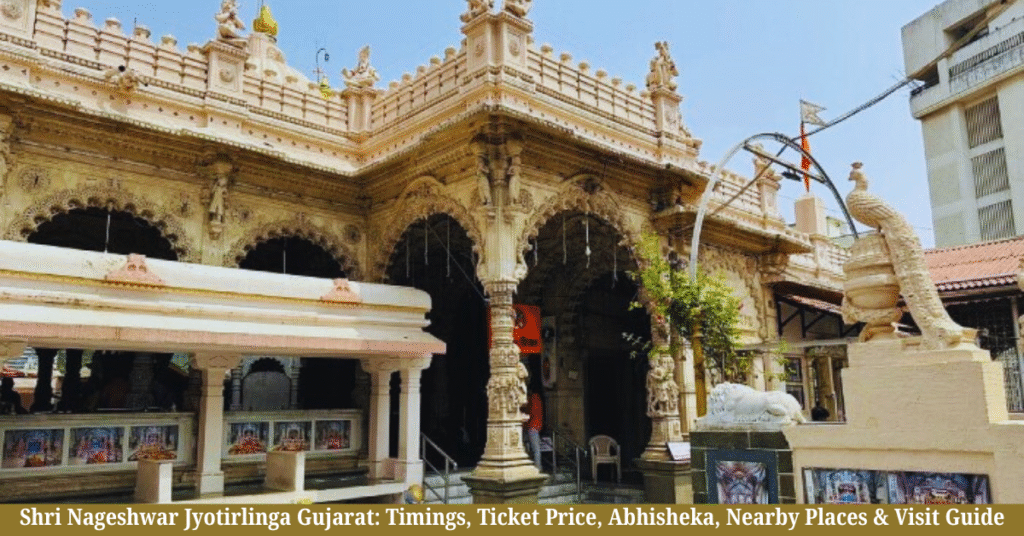
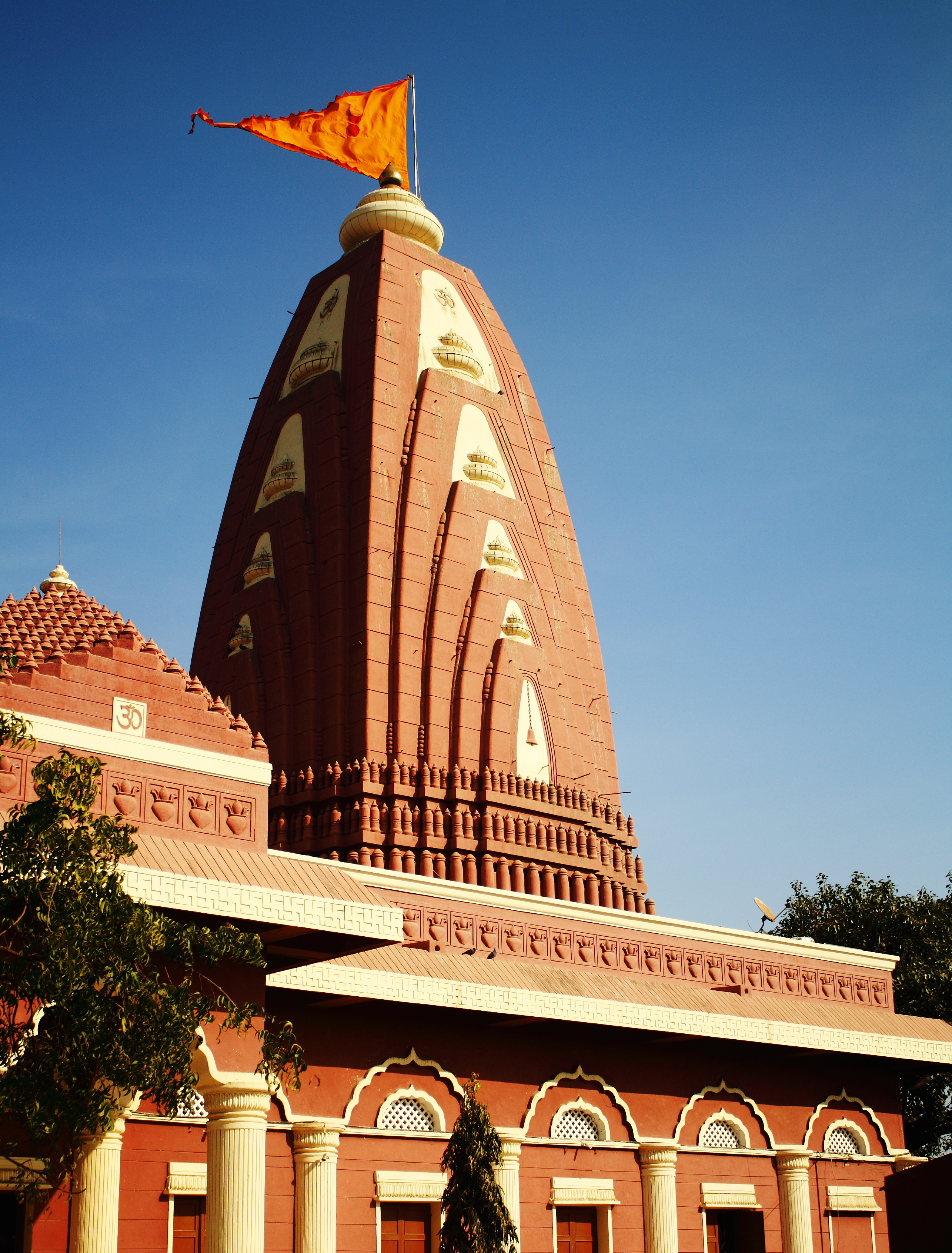
Nageshwar Temple is located in Dwarka, a city in northwestern Gujarat with established road and rail connections. The temple's coordinates place it within the town, making it accessible to visitors arriving in Dwarka by various means of transport. Dwarka itself is a significant pilgrimage destination in Hindu tradition, so the city has developed infrastructure to accommodate visitors.
When planning a visit, dress modestly as is customary at Hindu temples—covered shoulders and knees are respectful. Shoes are typically removed before entering the inner sanctum. Visitors should approach the deity and rituals with reverence, following the lead of temple staff or other worshippers if uncertain about protocol. Photography policies vary at temples; it is wise to ask permission before photographing the sanctum or rituals. Specific information about current visiting hours, entry fees, and any particular restrictions should be confirmed with local sources or the temple directly, as these details may change seasonally or due to maintenance.
Worship and Darshan
Hindu temples typically structure the day around multiple worship sessions, with the most significant occurring at dawn and dusk. Darshan—the act of viewing and being in the presence of the deity—is the central practice for most visitors. At a Jyotirlinga temple, darshan of the sacred lingam is considered particularly powerful and transformative within Hindu belief.
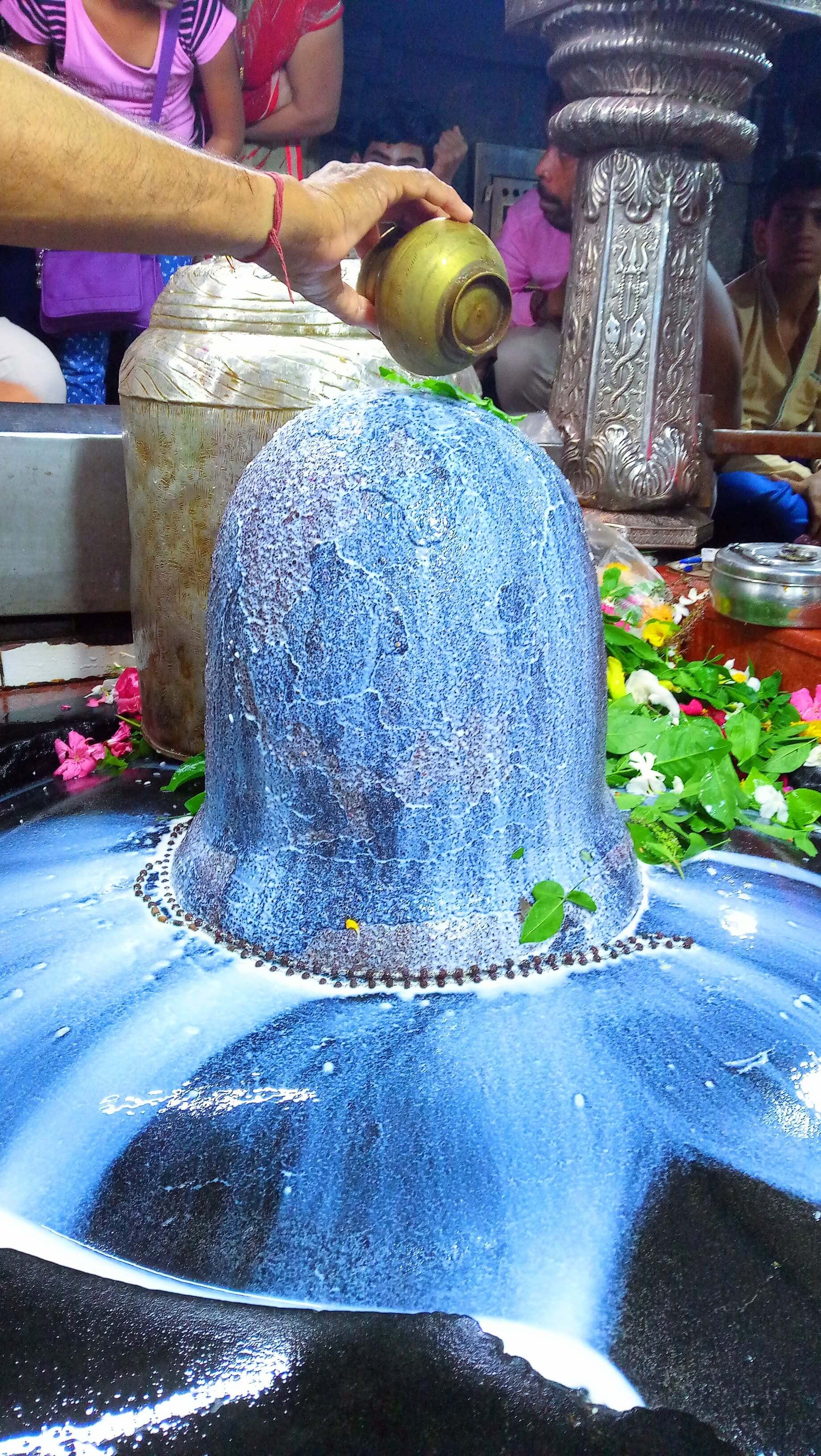
Devotees may participate in or observe the temple's rituals, which generally follow Shaivite traditions. Many visitors make offerings of flowers, water, or other items as acts of devotion. The specific rituals performed at Nageshwar would follow the liturgical practices established for Jyotirlinga temples, though the precise details of daily worship at this particular site would require consultation with current temple authorities.
Dwarka as a Pilgrimage Center
Dwarka holds immense significance in Hindu tradition as the legendary capital of Lord Krishna. The city is home to the Dwarkadhish Temple, one of the four cardinal pilgrimage sites in Hindu practice. This means that Nageshwar Temple exists within a rich spiritual landscape, and many pilgrims combine visits to multiple sacred sites during their time in Dwarka.
The convergence of Shaivite and Vaishnavite traditions in Dwarka reflects the pluralistic nature of Hindu devotional practice. Visitors to Nageshwar often extend their stay to explore other temples and sacred locations in the region, making Dwarka a comprehensive pilgrimage destination.
Practical Considerations
Before traveling to Nageshwar Temple, confirm current visiting hours and any seasonal variations with reliable local sources. Dwarka's climate is warm, and visitors should plan accordingly with appropriate clothing and hydration. The city has accommodations ranging from budget to comfortable options, and food is readily available, though vegetarian options are particularly abundant given the pilgrimage nature of the destination.
Respectful behavior, modest dress, and a spirit of genuine devotion enhance both the personal experience and the atmosphere of the temple for all visitors.
How to reach


You may also visit
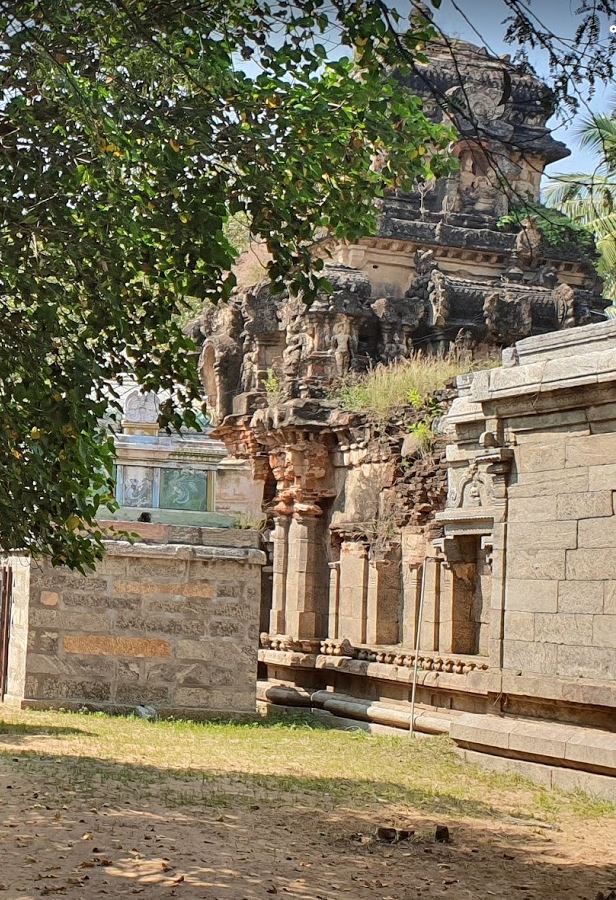
Agatheeswarar Temple, Karur
Agatheeswarar Temple in Thirumukkudalur, Karur district, is an ancient Hindu shrine dedicated to Shiva, situated at the sacred confluence of three rivers and believed to be over 1000 years old.
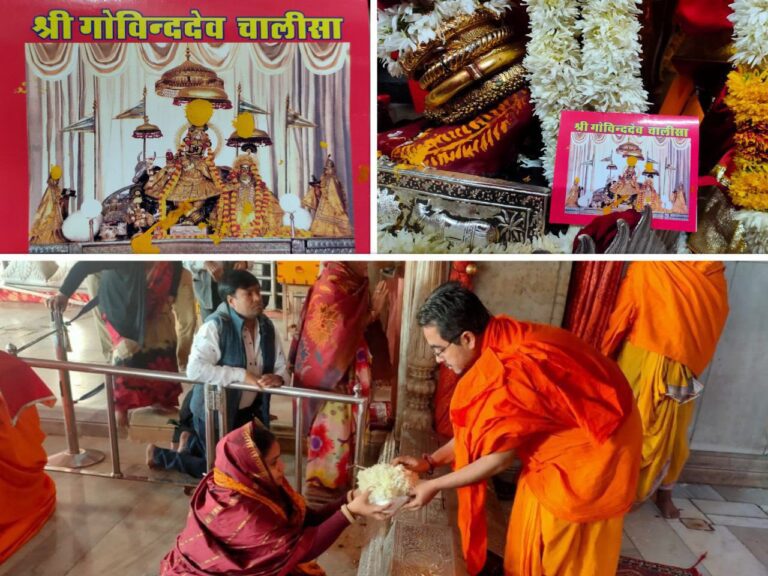
Kalyanji Temple
Kalyanji Temple in Jaipur's Chandpol Bazaar is an ancient Krishna shrine established in the 1820s, renowned for its seven daily aartis and special avatar darshan ceremonies during Akha Teej and Patottsav festivals.
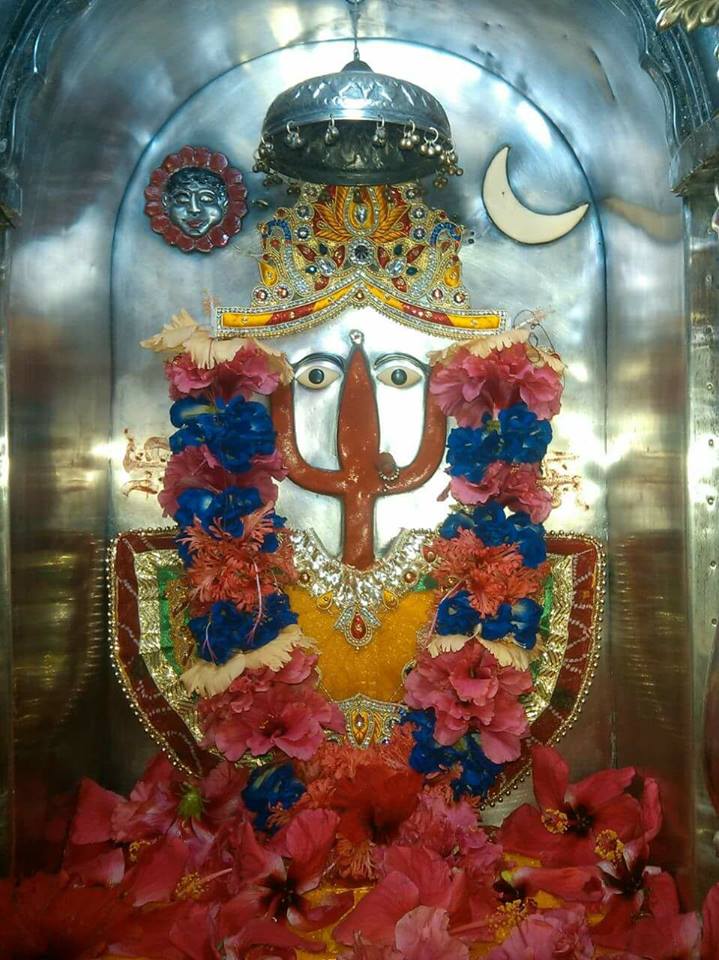
Rani Sati Mandir Mahuda
Rani Sati Mandir in Mahuda, Dhanbad District, is a Hindu temple established in 1992 that serves as a spiritual center for the local community and attracts devotees seeking blessings.