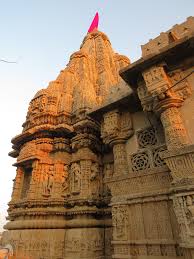
Rukmini Devi Temple
About Rukmini Devi Temple
The temple's origins are believed to reach back to the 5th century BC, though the structure that stands today took its present form during the 12th century. This layering of time—from early tradition to medieval architecture—makes the temple a palimpsest of Hindu devotional history. The temple's design reflects the architectural conventions of its medieval period, with carvings and sculptures that communicate narratives from sacred texts. Visitors encountering the temple encounter not only a place of worship but also a physical record of how this site has been understood and rebuilt across centuries.
Daily Darshan and Worship Hours
The temple opens for darshan in two sessions: morning from 06:00 to 12:00, and evening from 16:00 to 20:00. Darshan—the viewing and receiving of blessings from the deity—typically involves a wait of 30 minutes to one hour, particularly during popular visiting times. Early morning and late evening visits tend to be less crowded and offer a quieter atmosphere for personal devotion. The two-session structure allows flexibility for pilgrims with different schedules, though those seeking a more meditative experience may prefer the quieter hours at the beginning or end of each darshan period.
When to Visit
The cooler months from October through February provide the most comfortable conditions for visiting. Dwarka's climate is dry, and summer months bring significant heat that can make extended time outdoors challenging. The dry local environment means water is precious in the region—a reality worth keeping in mind when planning your visit. Wearing light, breathable clothing suited to the climate, and carrying water, is practical preparation. The temple's location approximately 2 kilometres from Dwarka town means a short journey from the main settlement, accessible by local transport.
Visiting Etiquette and Practical Considerations
As at most Hindu temples, visitors should dress modestly—covering shoulders and knees is customary. Leather items are typically not worn inside temple spaces. Shoes are usually removed before entering the inner sanctum, though practices may vary; observe what other visitors do or ask temple staff for guidance. The temple grounds have limited facilities given the arid local environment, so plan accordingly. Parking is available at the temple. Pilgrims often bring offerings of flowers, coconut, or other items permitted by the temple; check current guidelines with temple staff upon arrival, as practices can vary.
Dwarka as Sacred Geography
Dwarka itself holds profound significance in Krishna devotion as the legendary capital of Krishna's earthly kingdom. Visiting the Rukmini Devi Temple is typically part of a larger pilgrimage to Dwarka's sacred sites. The temple's location within this landscape of Krishna-centred worship enriches its meaning for devotees. Many pilgrims combine their visit here with other temples and ghats in the town, making Dwarka a multi-day pilgrimage destination rather than a single-temple visit.
Reaching the Temple
The temple is situated in Devbhoomi Dwarka district, Gujarat, approximately 2 kilometres from Dwarka town centre. The coordinates 22.2573308, 68.9643978 can be used with navigation applications. Local transport from Dwarka town—auto-rickshaws or taxis—provide straightforward access. Those arriving by air typically fly into nearby airports and travel overland to Dwarka; those by rail use Dwarka Junction railway station. The temple's proximity to the town makes it easily reachable as part of a Dwarka visit.
How to reach
Temples near Rukmini Devi Temple

Mahadev Temple
The sources provided do not contain information about a Mahadev Temple in Dwarka. The Wikipedia extract describes Renukeshwar Mahadev Temple in Uttar Pradesh, while the web sour…
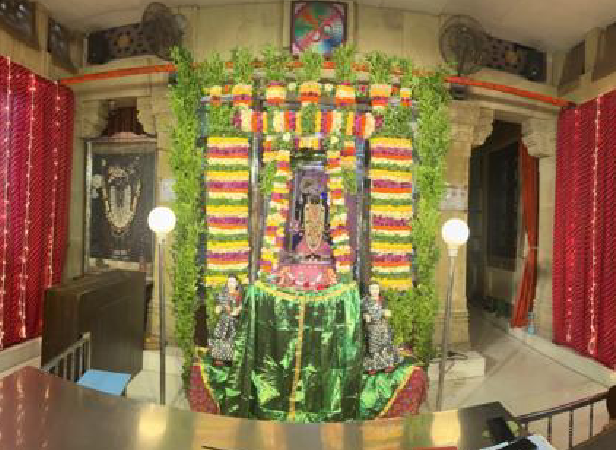
Neil & Jay point
Dwarkadhishji Mandir, established in the 1870s, is a Hindu temple in Mumbai dedicated to Lord Krishna worshipped as Dwarkadhish, the 'King of Dwarka'. The temple maintains a str…
Dons
Dwarkadhishji Mandir is a historic Hindu temple in Mumbai dedicated to Lord Krishna, worshipped as Dwarkadhish ('King of Dwarka'), standing for over 150 years as a prominent spi…
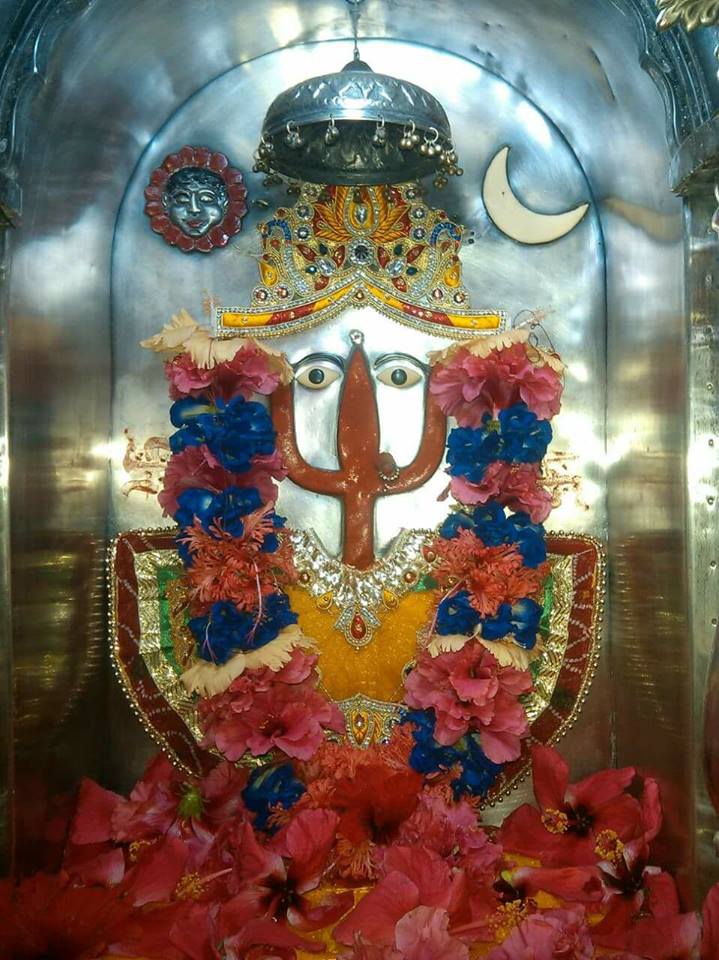
Guhaditya temple
Guhaditya temple in Dwarka is an ancient shrine dedicated to the sun deity, established over 150 years ago. Pilgrims enter through the Swarg Dwar (Gateway to Heaven) and exit vi…
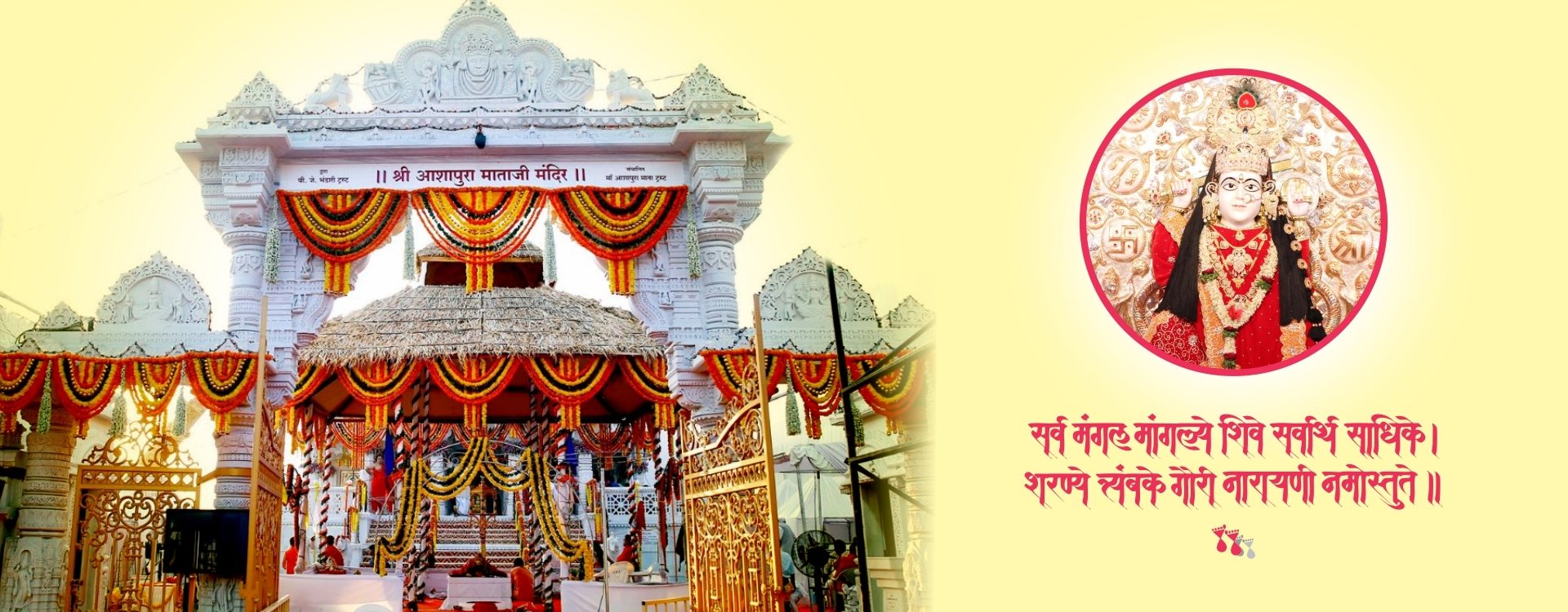
Ashapura Mata Mandir
Ashapura Mata Mandir in Pune is a modern shrine dedicated to Goddess Ashapura and other deities, distinguished as the city's first temple powered entirely by solar energy with r…

Kankeshvara Mahadeva temple & other shrines
Kankeshvara Mahadeva temple in Dwarka is a Hindu shrine dedicated to Lord Krishna, worshipped as Dwarkadhish, established in the 1870s and maintained as a center for devotional…