Golingeswara Temple
About Golingeswara Temple
The temple's present structure dates to the 18th century, when Queen Ahilyabai Holkar undertook its reconstruction. However, the site's sacred history extends further back: the temple was first rebuilt in the 16th century by Maloji Bhosale, grandfather of Chhatrapati Shivaji Maharaj. This layered history reflects the temple's enduring significance across centuries of devotion.
According to tradition preserved in the Shiv Puran, the temple's origins are tied to the story of a woman named Ghusma, whose unwavering devotion to Lord Shiva—expressed through daily worship and the immersion of 101 Shivalingas in a sacred pond—moved the deity to appear before her. The temple thus became established as a place where sincere devotion receives divine acknowledgment.
Architecture and Design
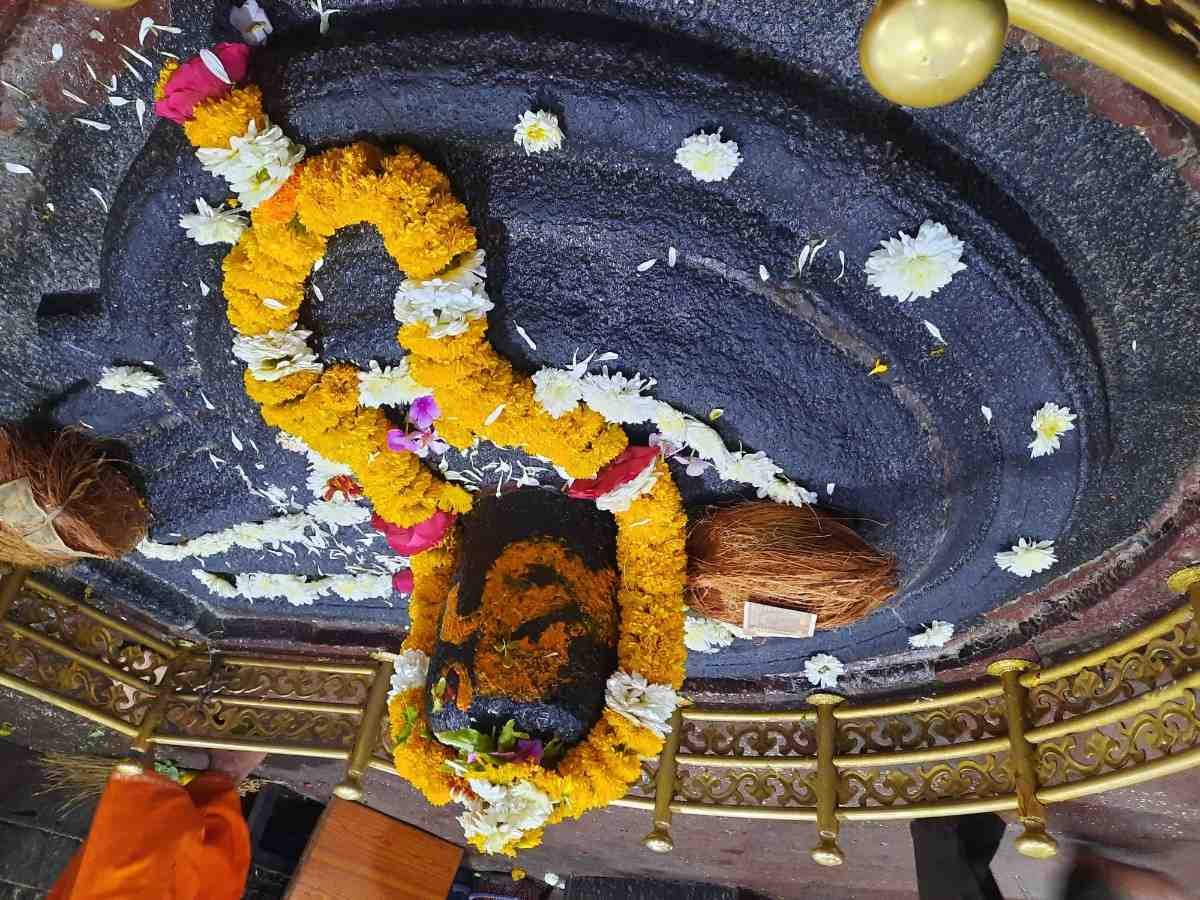
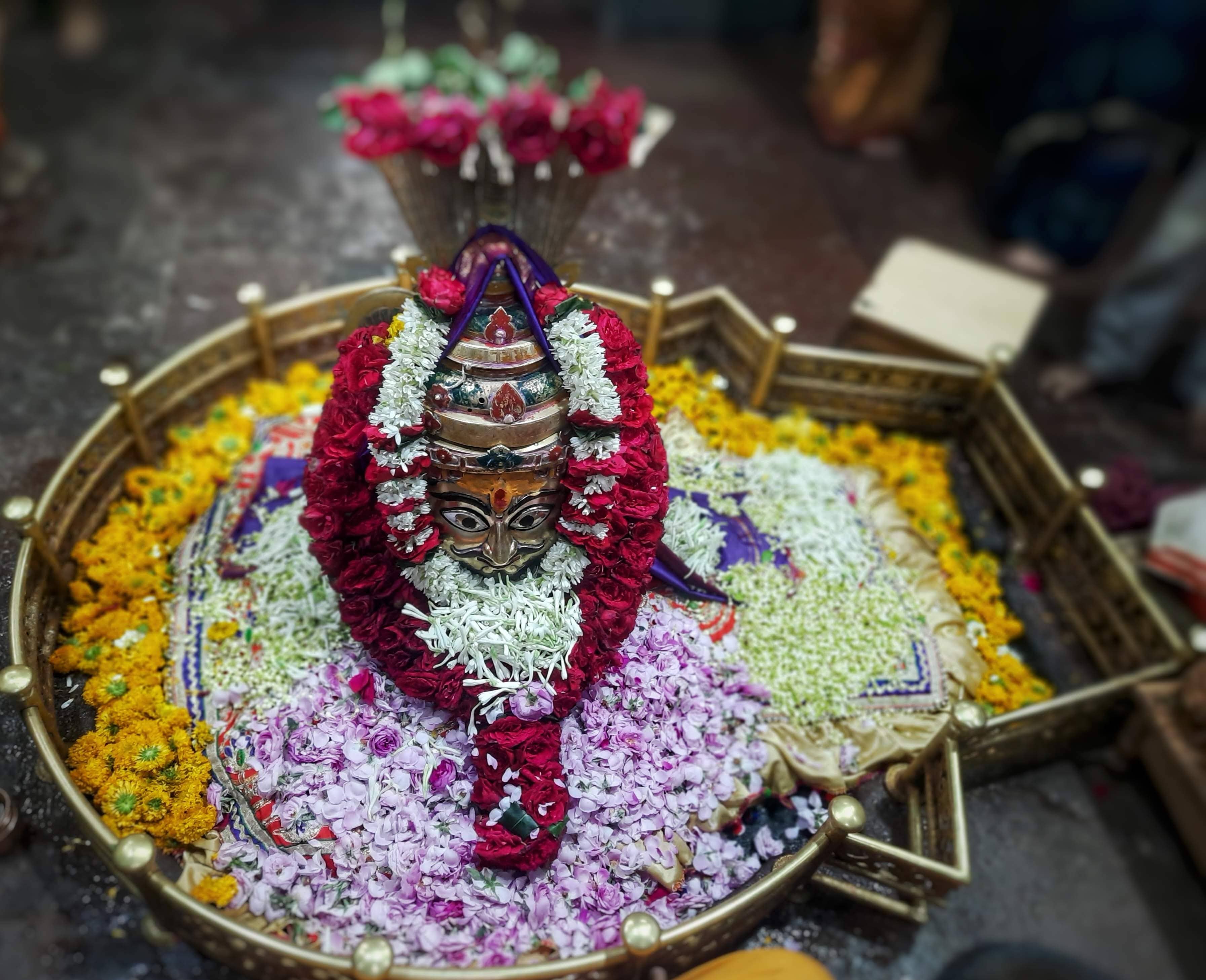
Built from red stone across an area of 44,000 square feet, the temple follows South Indian architectural style—a distinctive choice in Maharashtra. The structure features golden finishing alongside the red stone, creating a visually striking appearance. The inner sanctum, or Garbhagriha, contains the sacred Shivling. Walls and pillars throughout the temple bear carved representations of Lord Shiva, Goddess Parvati, and other divine figures, reflecting the artistic traditions of the period in which it was rebuilt.
Daily Worship and Darshan
The temple opens for darshan at 05:30 AM and closes at 12:00 PM, then reopens at 1:00 PM until 9:00 PM. Three aartis—ritual offerings of light and devotion—occur daily: at 05:00 AM (morning), 12:00 PM (bhog aarti, following the main worship), and 8:00 PM (evening). Pujas are conducted in two sessions: morning from 6:00 AM to 11:30 AM, and afternoon from 2:00 PM to 7:00 PM.
Visitors should plan their visit according to these timings. Early morning darshan, particularly around the morning aarti, offers a quieter and more meditative experience. The temple follows the practice common to major Shaivite shrines of maintaining extended hours to accommodate both early risers and those visiting in the evening.
Visiting Information and Etiquette
Modest dress is customary when visiting Hindu temples; visitors typically remove footwear before entering the sanctum. The temple's location in Verul village places it approximately 2 kilometers from the Ellora Caves, a UNESCO World Heritage Site, making it convenient to combine a visit with exploration of these ancient rock-cut monuments. Other nearby sites include Daulatabad Fort (13.9 km away) and the Aurangabad Caves (25 km away).
The temple is accessible by air, train, and road through Aurangabad. Visitors should check current darshan timings before arrival, as schedules may occasionally vary. Photography policies should be confirmed at the entrance, as many temples restrict image-taking in the inner sanctum.
Nearby Attractions
The temple's proximity to Ellora Caves makes it an ideal stop for those exploring the region's archaeological and spiritual heritage. The caves, located just 2 kilometers away, represent centuries of Buddhist, Hindu, and Jain artistic and religious expression. Bhadra Maruti Temple (5.1 km away) and Daulatabad Fort (13.9 km away) offer additional historical context for understanding the region's layered past. The Chhatrapati Shivaji Maharaj Museum, located 30 kilometers away, provides insight into the history of the region and the Bhosale family, whose ancestor rebuilt this temple in the 16th century.
How to reach
Temples near Golingeswara Temple
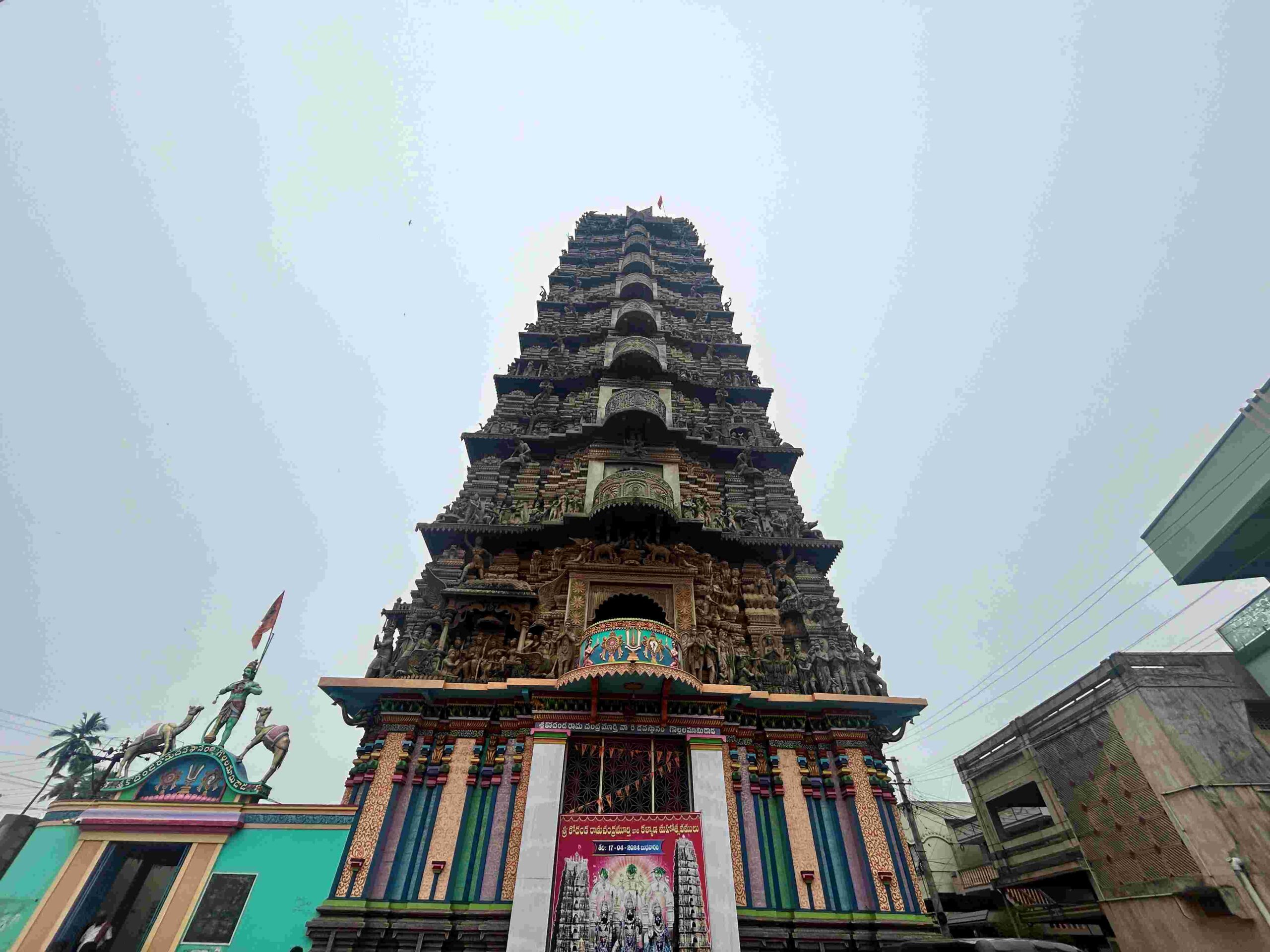
Kodandarama Temple, Gollala Mamidada
Kodandarama Temple in Gollala Mamidada, Kakinada district, is a significant Hindu shrine dedicated to Rama, built on the banks of the Tulyabhaga tributary of the Godavari River.…
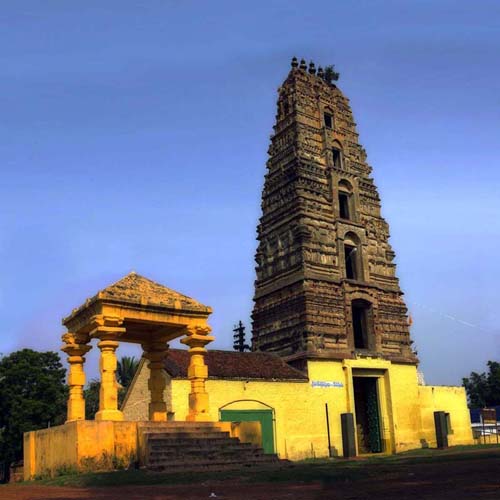
Sri Chalukya Kumararama Sri Bhimeswaraswamy temple
Sri Chalukya Kumararama Sri Bhimeswaraswamy temple in Samalkot is an ancient Shiva shrine built during the Eastern Chalukya period, featuring a 14-foot white crystal Shiva Linga…
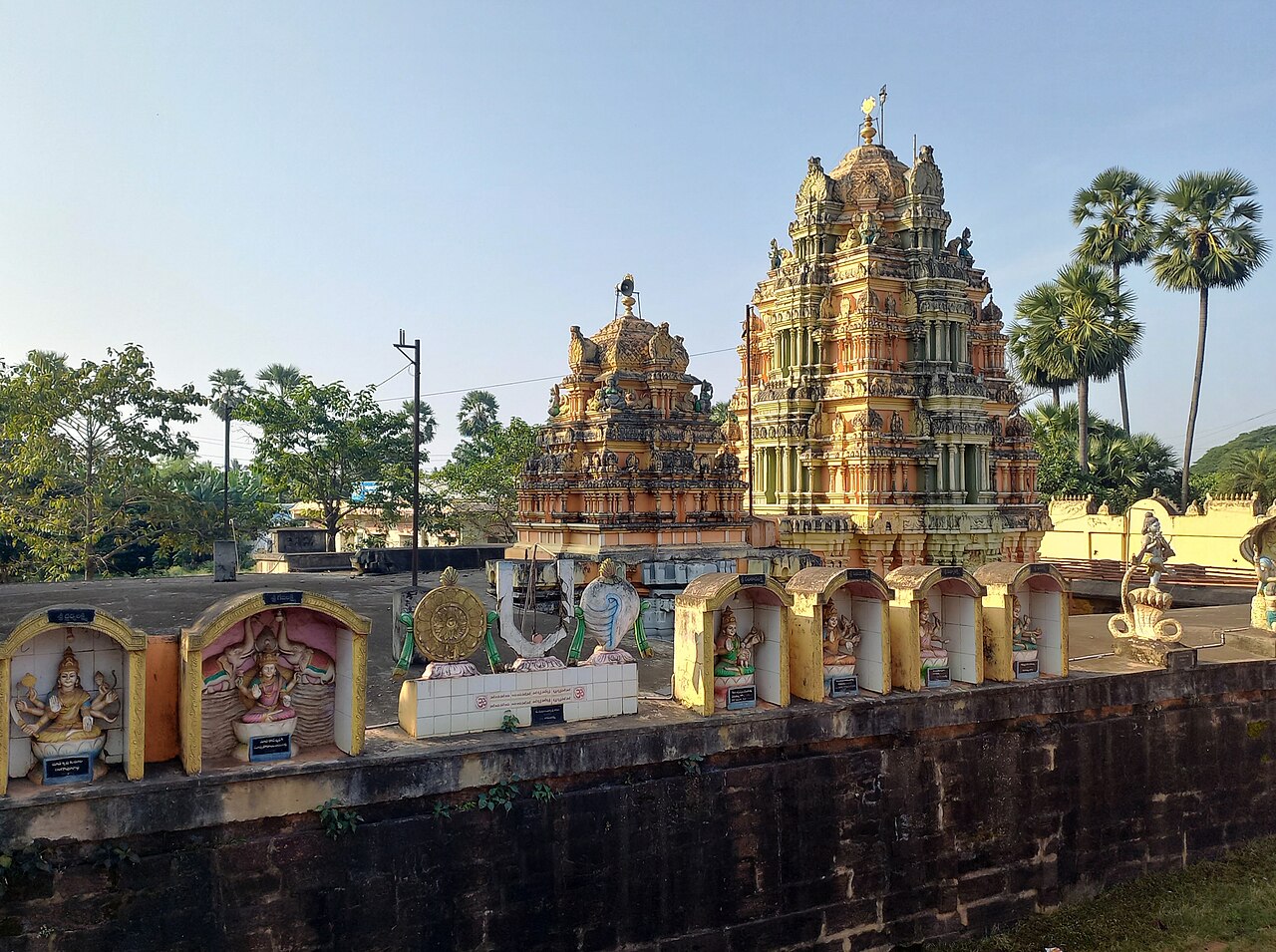
Mandavya Narayana Swamy Temple
Sri Mandavya Narayana Swamy Temple is a historic Hindu shrine dedicated to Vishnu located in Samarlakota, Kakinada district, Andhra Pradesh. Situated near the Pancharama Kshetra…
Bhavanarayana Temple, Sarpavaram
Sri Bhavanarayana Swamy Temple in Sarpavaram, near Kakinada, is a historic shrine dedicated to Lord Vishnu, recognized as a State Protected Monument by the Archaeological Survey…

Pithapuram Temple
Sripada Srivallabha Mahasamsthanam in Pithapuram is a significant shrine dedicated to the spiritual master Sripada Srivallabha, featuring regular worship ceremonies and devotion…
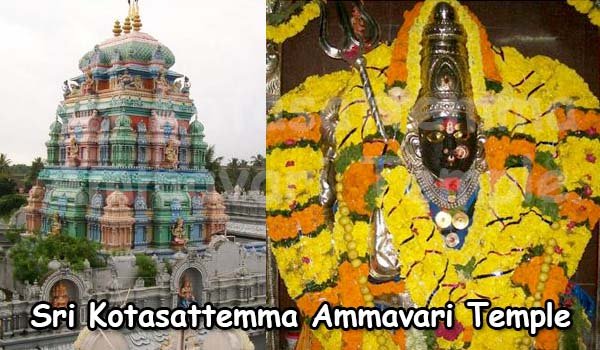
Kotasattemma Temple, Nidadavolu
Kotasattemma Temple in Nidadavolu is a Hindu pilgrimage center dedicated to Goddess Shakti, established in 1934 and located in the spiritually significant Godavari region of And…