Astasambhu Siva Temples
About Astasambhu Siva Temples
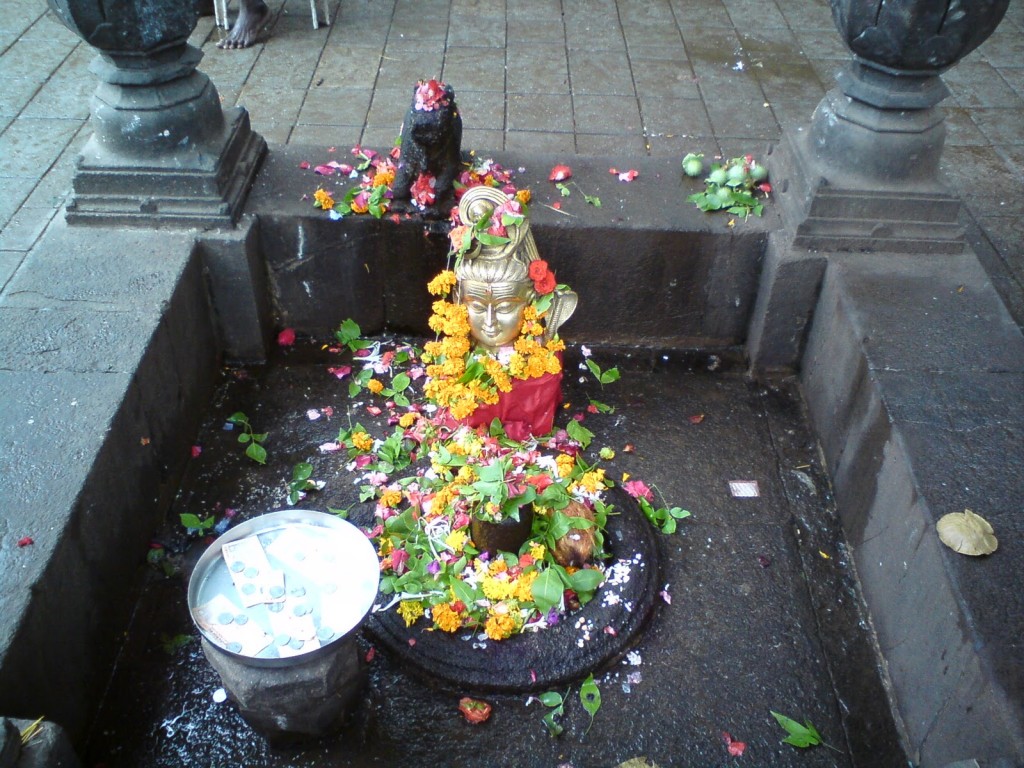
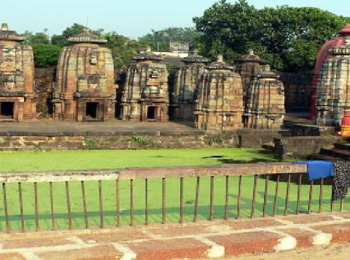
These temples date to the 10th century, placing them within Odisha's classical period of temple construction. They represent the Kalinga architectural tradition that characterises the region's sacred buildings. While individual temples within the circuit vary in scale and appearance—some appearing modest from the street—each contains a sanctum of considerable spiritual importance to local worshippers. The temples have endured as active places of worship for over a thousand years, their survival testament to their place in Bhubaneswar's religious life.
The temples sit within the broader sacred landscape of Old Town, near the major Lingaraj Temple. This proximity reflects how Bhubaneswar developed as a pilgrimage centre, with multiple shrines distributed across the ancient city rather than concentrated in a single location.
Daily Worship and Darshan
The temples open early in the morning at 5:30 AM, with the morning period extending until noon. Evening worship runs from 4:00 PM to 8:30 PM, though timings may vary slightly between individual shrines. Entry is free, with donations optional. The most spiritually significant hours for visiting are between 6:00 and 9:00 AM, when the Old Town remains quiet and the atmosphere is conducive to contemplative worship. After 9:00 AM, local school traffic and increasing numbers of visitors alter the character of the experience.
Local devotees, particularly on Mondays and during the month of Shravan (typically July–August in the Hindu calendar), undertake the full circuit of all eight temples in sequence, often carrying water as part of their observance. This practice reflects a belief that completing the entire circuit constitutes a significant spiritual undertaking. Photography is not permitted within the temples.
Local Spiritual Significance
According to local tradition and the accounts of elderly residents and priests, each temple within the Astasambhu circuit carries distinct spiritual associations. Mukteswar Temple is understood to relate to liberation (moksha), while Kedareswar Temple is associated with strength and grounding. Markandeswar Temple connects to the classical narrative of the sage Markandeya and divine protection from death. Local elders describe the temples as representing different aspects or moods of Shiva, and many devotees report that moving through the sequence produces a noticeable shift in the spiritual atmosphere.
A widespread local belief holds that completing all eight temples in a single morning visit carries spiritual benefit equivalent to a pilgrimage to Kashi, Hinduism's most sacred city. Whether understood literally or symbolically, this belief has sustained the practice for generations.
Visiting Practicalities
The Astasambhu temples occupy the Old Town area near Bindusagar Lake, within walking distance of Lingaraj Temple. There is no formal entrance gate; visitors simply begin from whichever temple is most accessible. From Master Canteen Square, an auto-rickshaw to Old Town costs approximately ₹80–₹120. From Bhubaneswar Railway Station, the journey takes 15–20 minutes by auto or cab. Morning travel is generally faster than evening.
The narrow streets of Old Town are not suited to car travel; parking is difficult and walking is the intended mode of movement. Landmarks to guide you include Bindusagar Lake, small flower shops selling ritual leaves (bel), and old stone houses. Local shopkeepers can provide directions. Allow 1.5 to 2.5 hours to visit all eight temples at a contemplative pace. Modest dress is appropriate; remove footwear before entering sanctums, as is standard practice in Hindu temples.
Best Times to Visit
Early morning between 6:00 and 9:00 AM offers the most peaceful experience, with fewer visitors and minimal traffic. Evening aarti (ritual worship) times also attract devotees and provide an opportunity to witness active worship. Mondays hold particular significance in the local calendar, as do the days of Shravan month, when devotional observance intensifies. These periods offer insight into how the temples function within the spiritual life of the community, though they also bring larger numbers of worshippers.
How to reach
Temples near Astasambhu Siva Temples
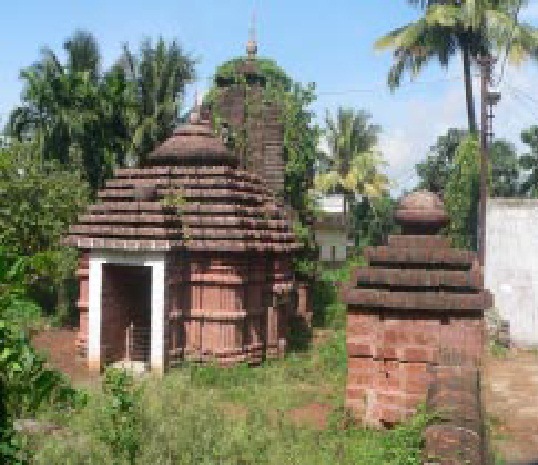
Champakesvara Siva Temple
Champakesvara Siva Temple in Bhubaneswar's Old Town is a laterite shrine dedicated to Lord Shiva, believed by locals to house a submerged lingam and serve as an abode of protect…
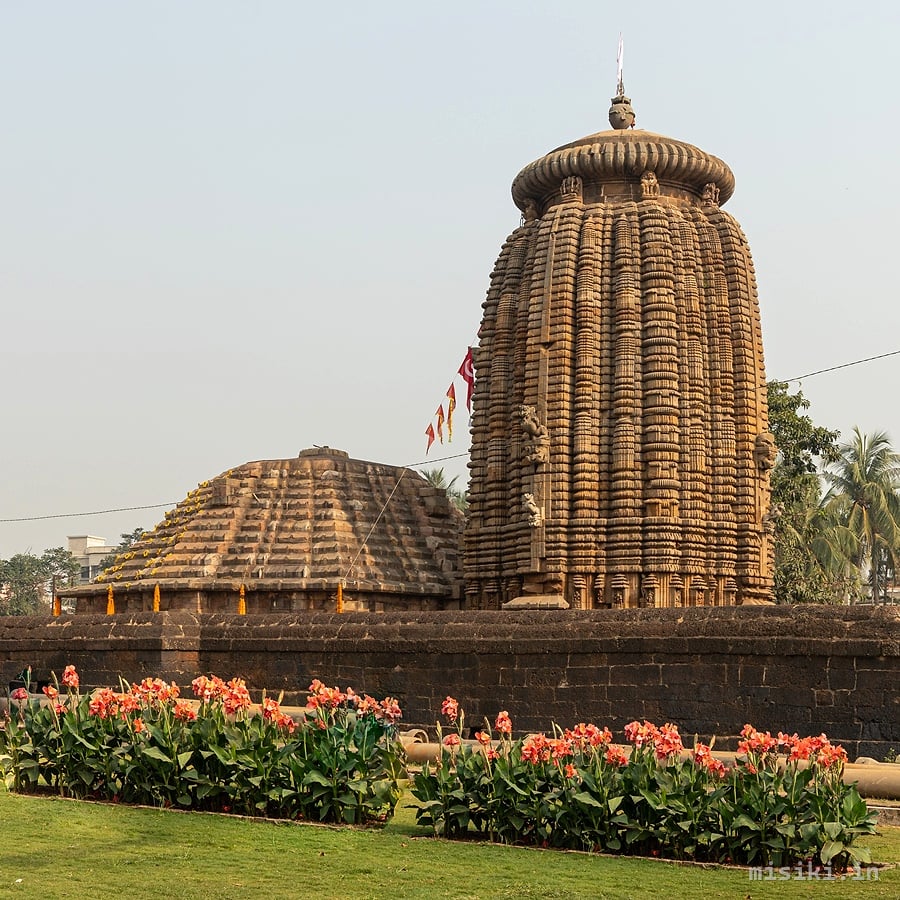
Megheswar Temple
Megheswar Temple is a 12th-century shrine dedicated to Lord Shiva, located on Tankapani Road in Bhubaneswar. This medieval structure represents significant Odishan architectural…
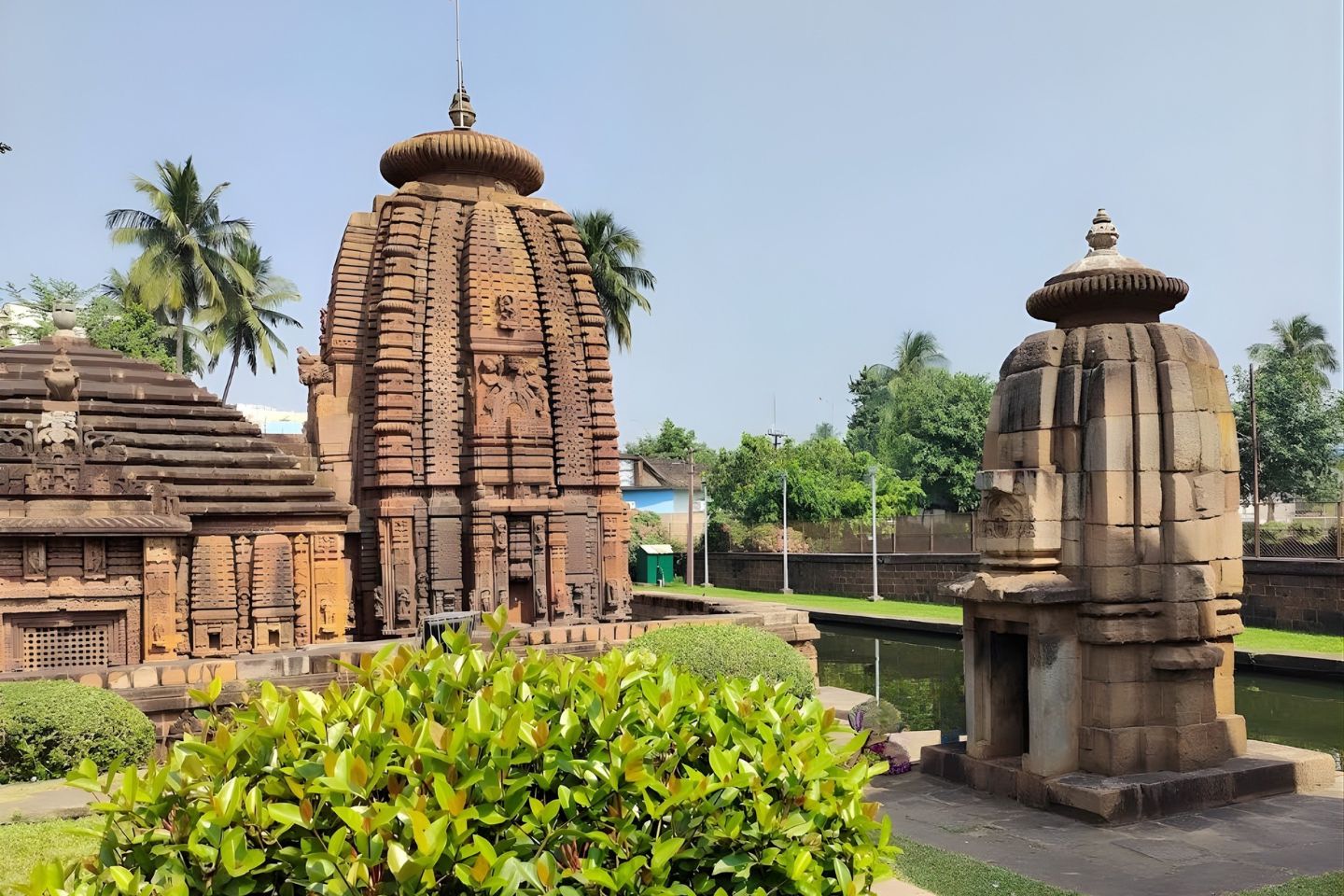
Muktesvara deula
Muktesvara deula is a temple in Odisha with limited publicly available information. No official website or verified contact details are currently recorded.
Baba Akhandalamani Temple
Shri Akhandalamani Pitha is a sacred Shiva temple in Aradi village, Bhadrak district, Odisha, preserving ancient Vedic traditions and serving devotees since the 1800s.
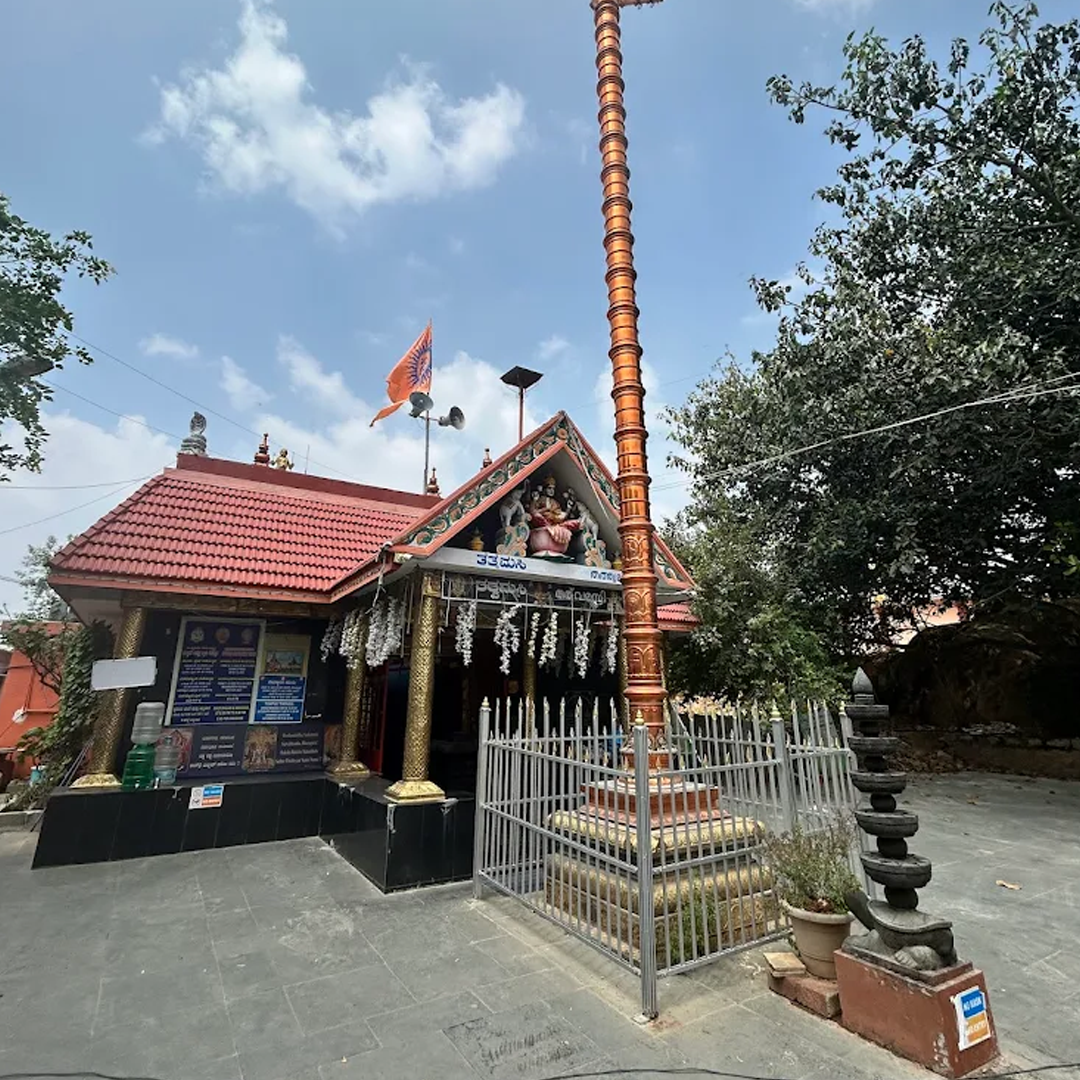
Talesvara Siva Temple
The Talesvara Siva Temple is a Hindu shrine dedicated to Lord Shiva located in the historic Old Town of Bhubaneswar, Odisha, near Bindusagar Lake. The temple draws devotees part…

Talesavara Siva Temple – II
Talesavara Siva Temple – II is a Hindu shrine dedicated to Shiva, located in the historic Old Town of Bhubaneswar within the Bharati Matha precinct. The temple houses a Siva lin…