Dungeshwor Temple
About Dungeshwor Temple
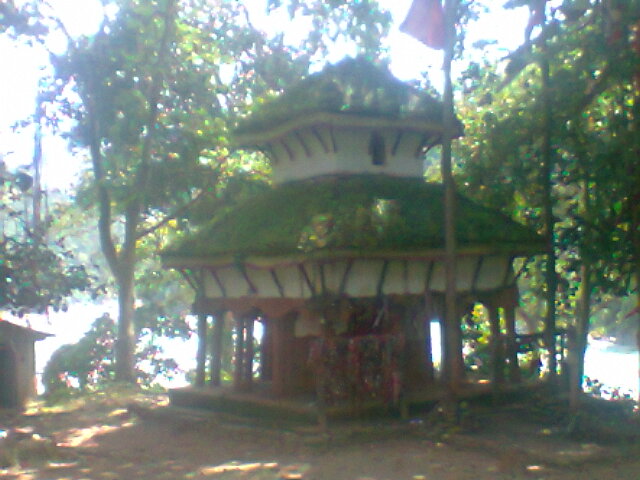
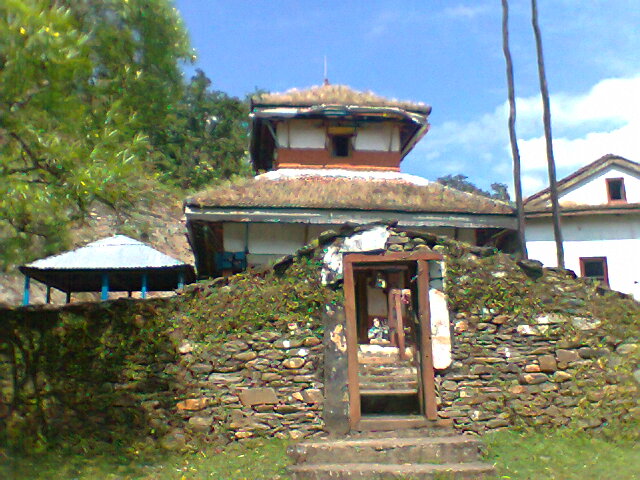
Two distinct temples occupy the Dungeshwor site: Shideshwor Mahadev Temple and Dungal Temple. Both draw devotees to this riverine setting, with Shiva worship forming the primary religious focus of the location. The temples serve as focal points for the spiritual practices of those who visit the confluence, though detailed architectural information about either structure is not readily documented. The dual temple arrangement reflects a common pattern in Hindu sacred sites, where multiple shrines at a single location serve different aspects of devotional practice or honor different manifestations of the divine.
Role in the Panchkoshi Pilgrimage
Dungeshwor holds an established place within the Panchkoshi pilgrimage circuit of Dailekh district. The Panchkoshi tradition—a sacred journey encompassing five holy sites—incorporates this location as one of its central stations. According to local sacred narratives connected to ancient mythological understandings of the region, the area is considered a place of particular spiritual power. This status as part of a recognized pilgrimage route distinguishes Dungeshwor as more than a local shrine; it functions as a waypoint in a larger devotional geography that structures religious practice across the district. Pilgrims undertaking the full Panchkoshi circuit visit this site as an integral part of their observance.
Visiting the Temple
Visitors should approach the temple with the respect customary at Hindu shrines. Modest dress is appropriate, with shoulders and knees typically covered. Shoes are generally removed before entering temple sanctums. The site's location along the Karnali highway makes it accessible by road, though specific transportation schedules and detailed visitor facilities are not documented in available sources. Those planning a visit should inquire locally about current access routes, particularly during monsoon seasons when river conditions may affect travel. The elevation and riverside setting mean the area experiences variable weather; visitors should prepare accordingly.
Spiritual Significance and Local Tradition
The area surrounding Dungeshwor carries deep significance in local Hindu understanding. Ancient narratives associated with the region describe it as a place where sacred time and space converge—traditions speak of it as a location where day's end held cosmological meaning in antiquity. The confluence of two rivers, combined with its status as the highest point in the district, reinforces its role as a threshold between the earthly and divine realms in the spiritual imagination of devotees. This layering of geographical, mythological, and devotional significance makes Dungeshwor a destination for those seeking to engage with the sacred landscape of Dailekh district.
Practical Information
The temple is situated in Lower Dungeshwor, approximately near the Karnali highway. Coordinates for the site are 28.78°N, 81.58°E. Visitors should note that Dailekh district lies in a mountainous region of Nepal; travel times and accessibility may vary seasonally. Local guides or residents of nearby Naule Katuwal village or Dullu Municipality can provide current information about conditions and appropriate times to visit. As with many pilgrimage sites in Nepal's Karnali Province, it is advisable to check on local conditions and any observances that may be occurring before planning a visit.
How to reach
Temples near Dungeshwor Temple
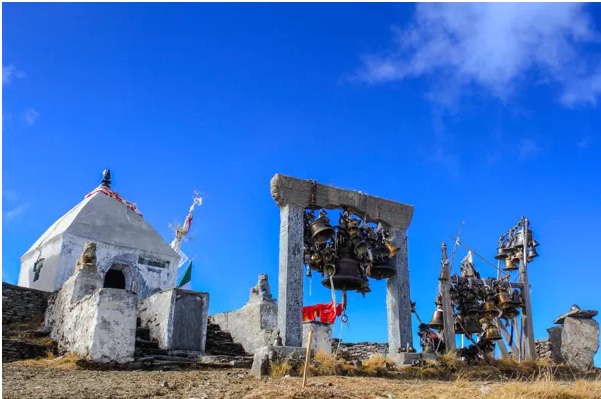
Badimalika Temple
Badimalika Temple is a major Hindu shrine dedicated to Bhagwati located in the remote mountains of Triveni Municipality, Bajura district, Nepal. The temple is jointly administer…
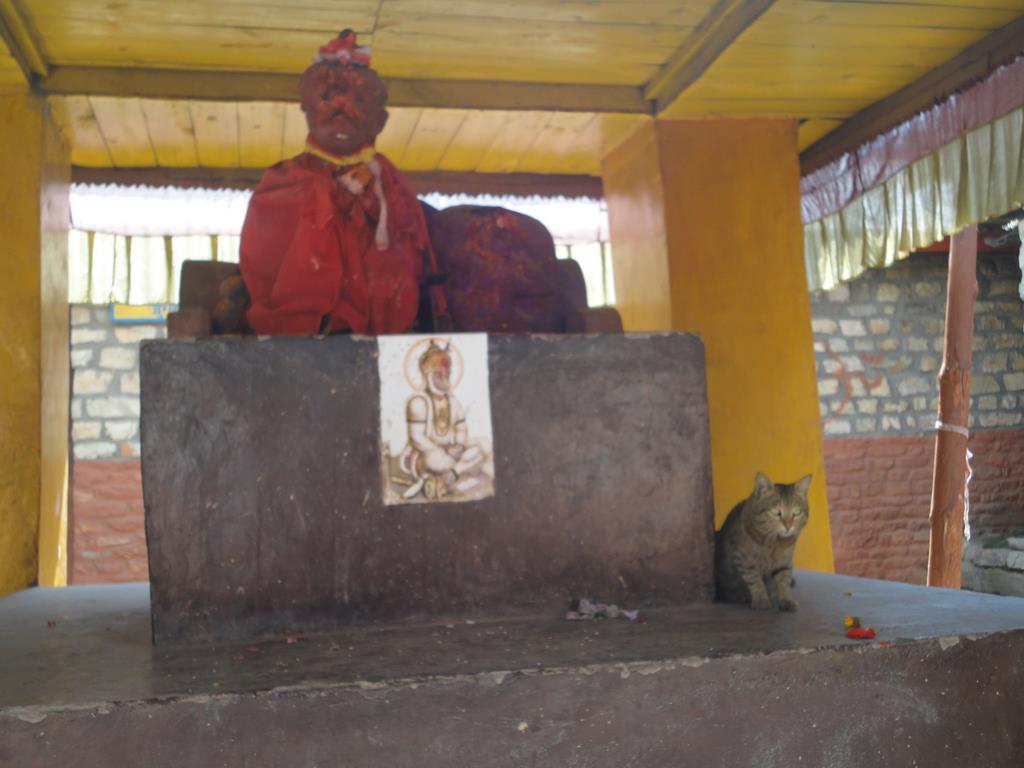
Chandannath Temple
Chandannath Temple is a Hindu temple located in Khalanga Bazar of Chandannath Municipality in Jumla, Nepal, situated in the Karnali Province.

Gola Gokaran Nath Temple
Gola Gokaran Nath Temple, revered as 'Chhoti Kashi,' is a sacred Shiva shrine in Uttar Pradesh housing a uniquely shaped Shivlinga resembling a cow's ear, believed to have been…
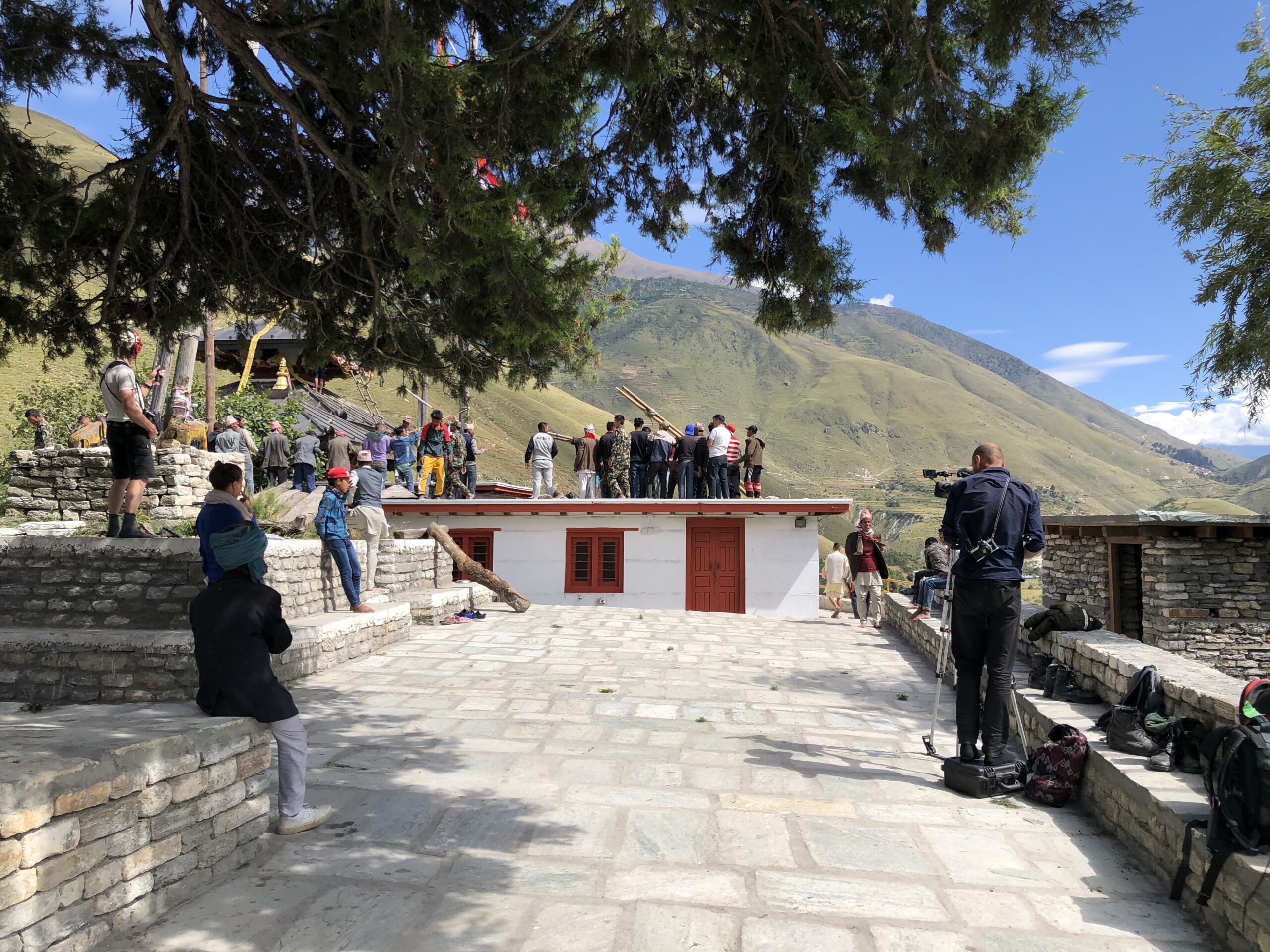
Bala Tripura Sundari Temple
Bala Tripura Sundari Devi Bhagawoti Temple in Dolpa, Nepal, is a Shakti Peeth where devotees worship the child form of Tripura Sundari. With roots tracing back 965 years, it rem…

Ambikeshwori Temple
Ambikeshwori Temple is a major Shakta pitha in Dang Valley, Nepal, believed to mark where the right ear of Goddess Sati fell according to Hindu mythology.
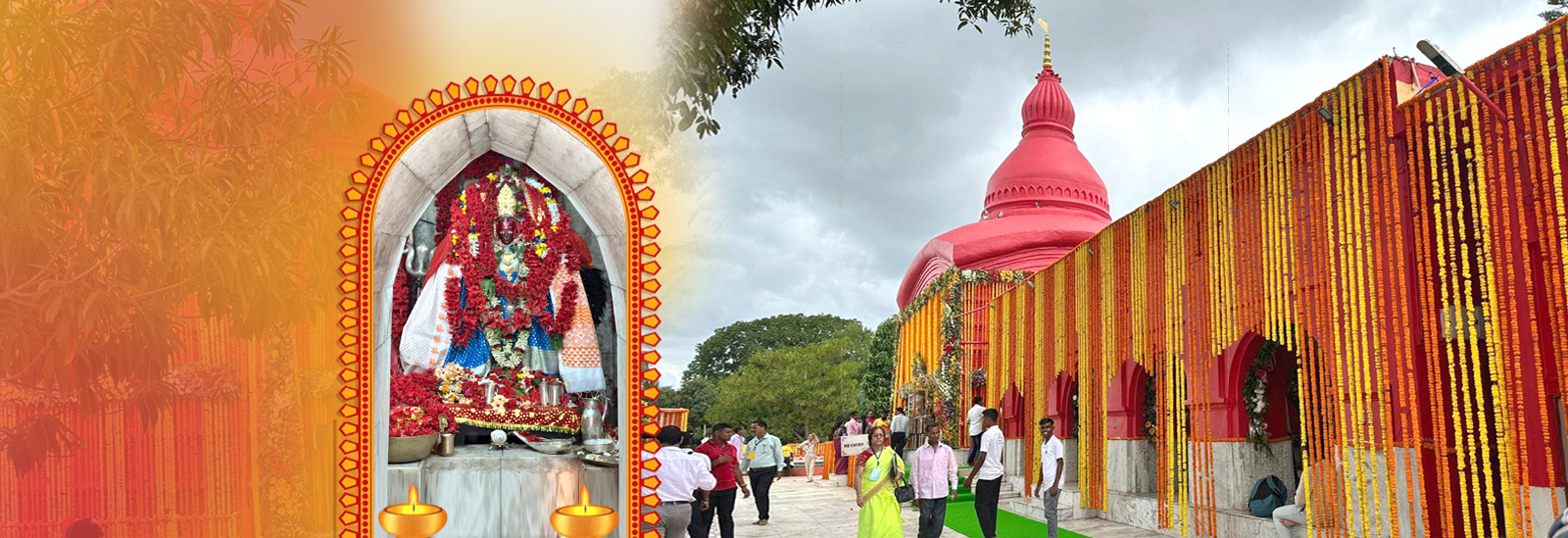
Tripura Sundari Temple, Nepal
Tripura Sundari Temple in Udaipur, Tripura, is one of the 51 sacred Shakti Peethas where the right foot of Goddess Sati is believed to have fallen. This historic Hindu shrine dr…