


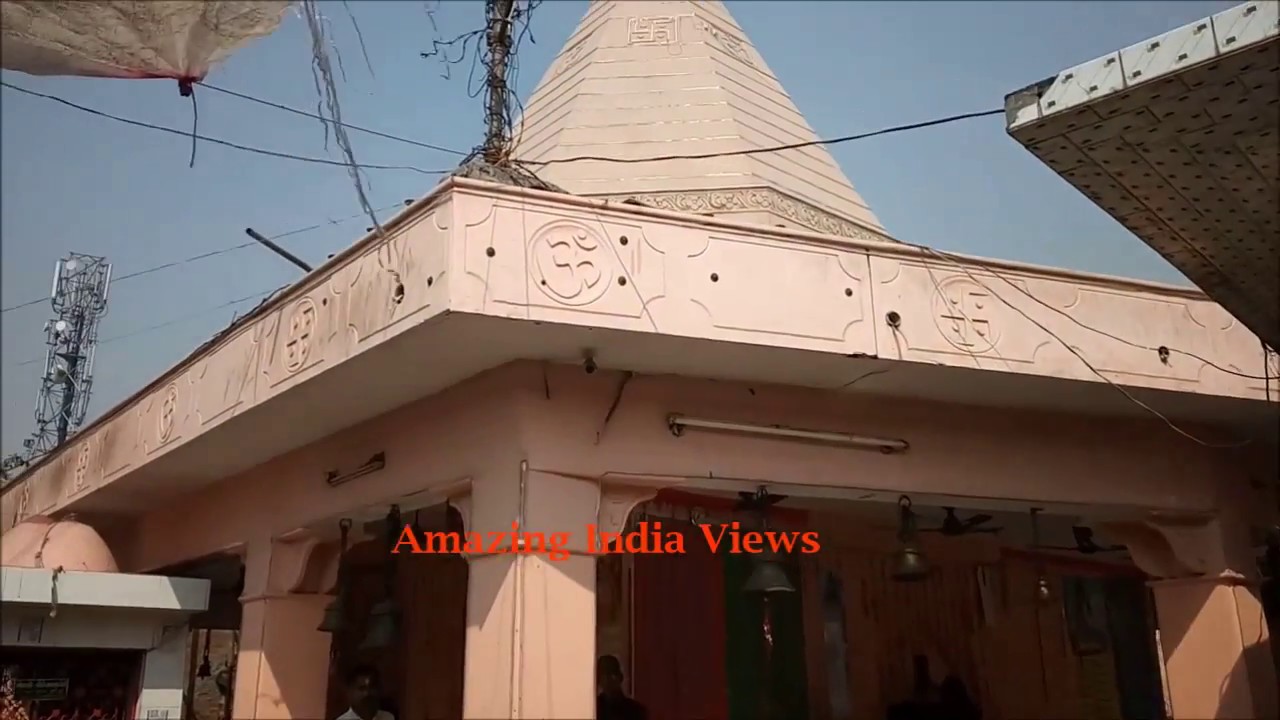
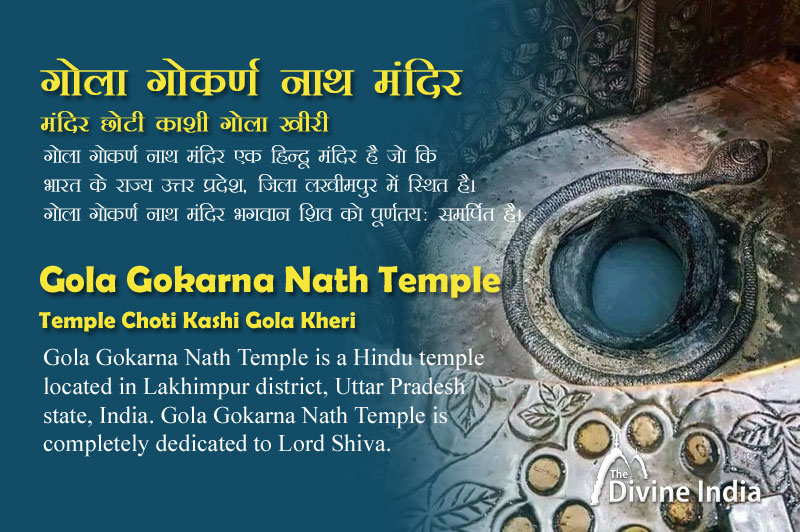
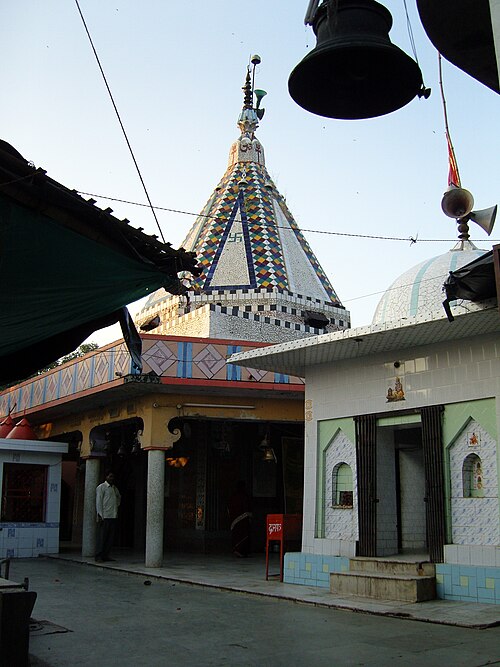
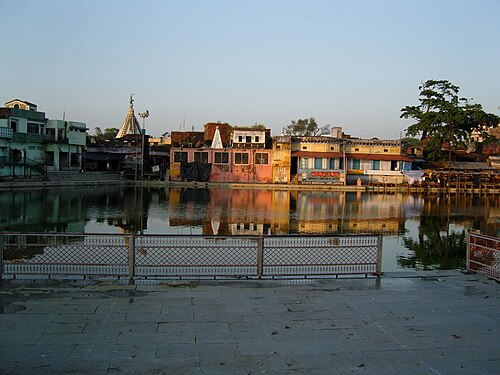
Gola Gokaran Nath Temple
About Gola Gokaran Nath Temple
According to accounts preserved in the Varaha Purana, Skanda Purana, and Shiva Purana, the temple's establishment traces to the intense penance of Sage Nandi. His devotional practice is said to have pleased Lord Shiva, resulting in the creation of three sacred sites: Uttar Gokaran (this location), Dakshin Gokaran, and Shringeshwara. Local tradition also preserves a narrative involving the demon king Ravana, who sought to transport Shiva to Lanka, but through divine intervention, the deity remained at this place.
Some sources attribute the temple's construction to the Pandavas during their period of exile, though the sources provided do not elaborate on this claim with specific dates or architectural details.
Daily Worship and Darshan
The temple opens daily from 05:00 to 22:00, accommodating both early morning and evening visitors. The principal aarti—the ritual of worship involving light and offerings—takes place at 17:30 each evening. This timing allows devotees to participate in the temple's central daily ritual, when the deity is honoured with traditional ceremonies.
Visitors arriving for darshan should plan their visit within these hours. The evening aarti represents the most significant daily observance and is typically when the temple experiences focused devotional activity. Timings may vary on festival days, so confirmation with the temple office beforehand is advisable for those planning visits during major celebrations.
Maha Shivratri and Seasonal Observances
Maha Shivratri, the festival honouring Lord Shiva, draws thousands of devotees to the temple annually and represents the busiest period for pilgrimage. The temple is extensively decorated during this festival, and the spiritual atmosphere intensifies with heightened ritual activity. The Sawan month, associated with Shiva worship across Hindu tradition, also sees increased visitation and observance.
Beyond these major occasions, the temple celebrates other festivals including Hanuman Jayanti, Diwali, and Kartik Purnima, each bringing its own devotional focus and decorative preparations. Visitors planning their journey should consider these periods if they wish to experience the temple's full ceremonial life, though they should also expect larger crowds during these times.
Visiting Information and Practicalities
The temple is located at coordinates 28.13°N, 80.76°E in Gola Gokarannath, Lakhimpur Kheri, Uttar Pradesh. For inquiries or to confirm timings before travel, the temple office can be reached at +91-9005280351 or 05876-297210.
Visitors should dress modestly and respectfully, as is customary at Hindu temples. Shoes are typically removed before entering the sanctum. The temple maintains daily operations throughout the year, making it accessible for pilgrimage at most times, though the best periods for visiting are during Maha Shivratri and the Sawan month, when the spiritual atmosphere is particularly heightened and the temple's significance is most visibly celebrated.
Reaching the Temple
Gola Gokaran Nath Temple is situated in the Lakhimpur Kheri district of Uttar Pradesh. The temple office contact numbers—+91-9005280351 and 05876-297210—can provide directions and travel guidance. Google Maps coordinates (28.1300°N, 80.7600°E) are available for navigation by vehicle or app-based travel services.
How to reach
You may also visit
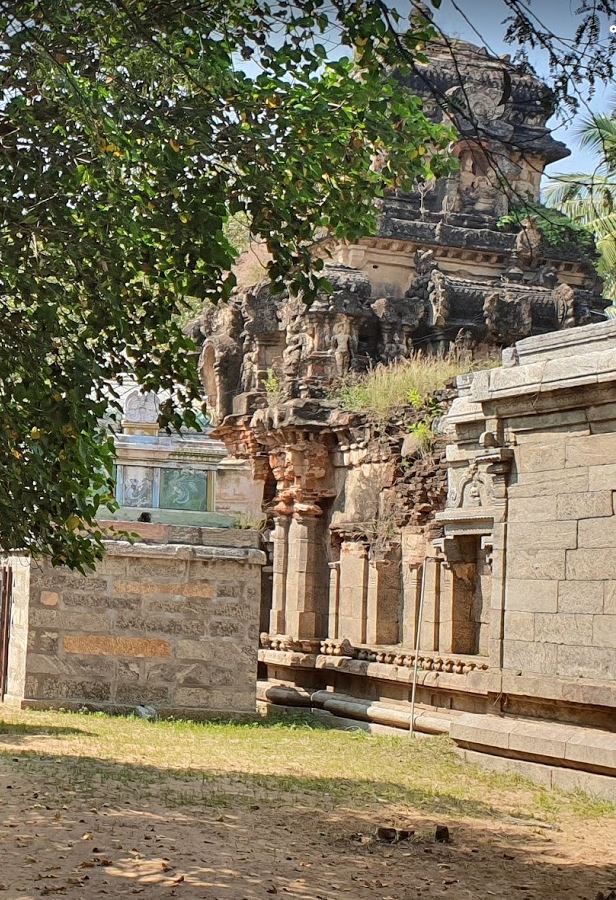
Agatheeswarar Temple, Karur
Agatheeswarar Temple in Thirumukkudalur, Karur district, is an ancient Hindu shrine dedicated to Shiva, situated at the sacred confluence of three rivers and believed to be over 1000 years old.
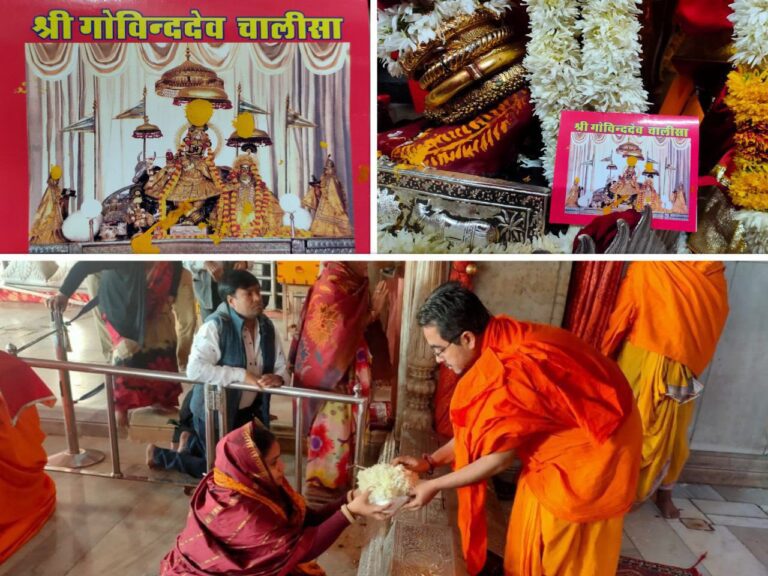
Kalyanji Temple
Kalyanji Temple in Jaipur's Chandpol Bazaar is an ancient Krishna shrine established in the 1820s, renowned for its seven daily aartis and special avatar darshan ceremonies during Akha Teej and Patottsav festivals.
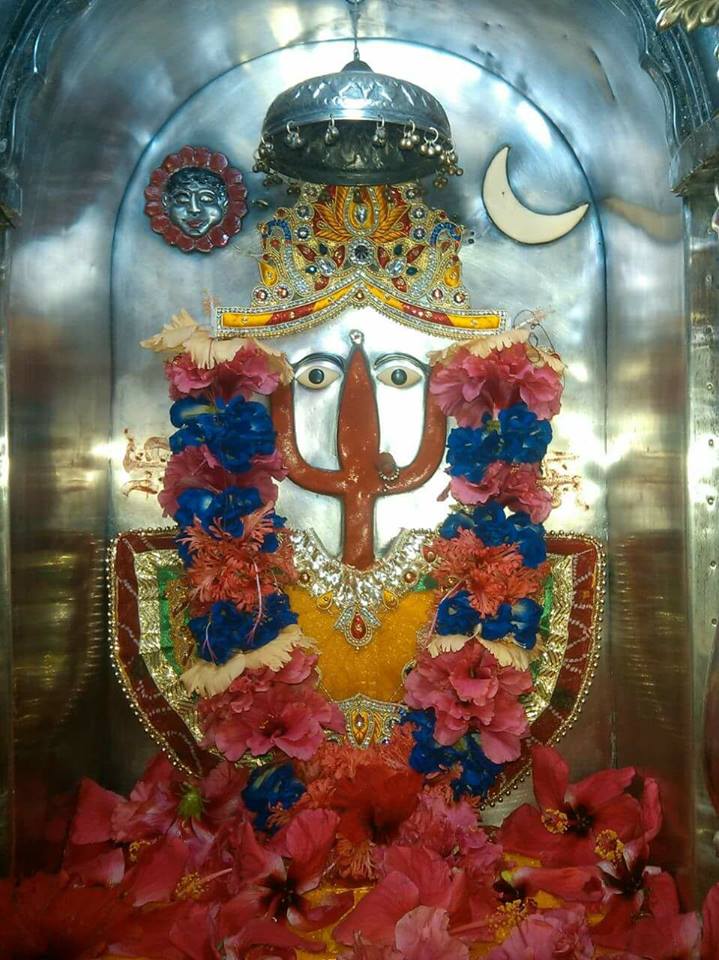
Rani Sati Mandir Mahuda
Rani Sati Mandir in Mahuda, Dhanbad District, is a Hindu temple established in 1992 that serves as a spiritual center for the local community and attracts devotees seeking blessings.