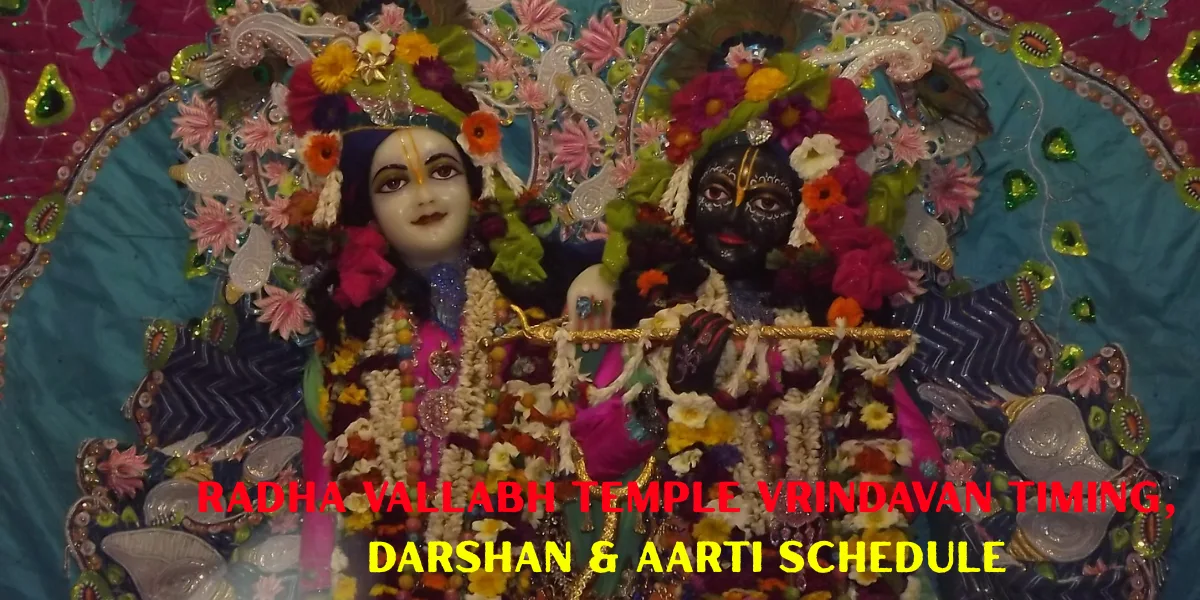
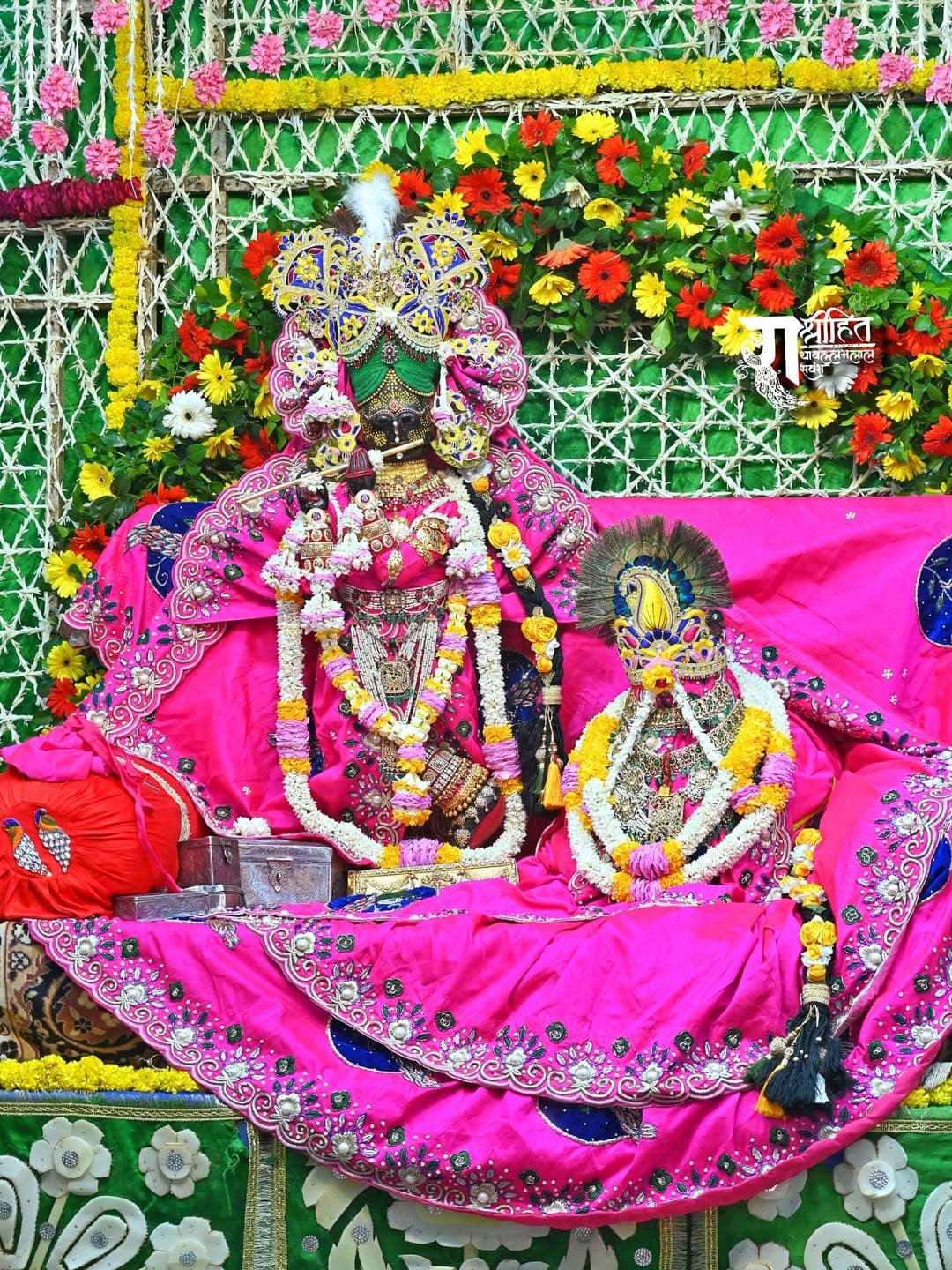
Dolmancha of Radhaballabhjiu
About Dolmancha of Radhaballabhjiu
The temple building itself dates to the 16th century and represents a notable example of red sandstone construction. The structure combines elements of North Indian Nagara and Rajasthani architectural styles, featuring carved pillars with arched designs, ornamental windows, and a substantial hall for worship. The red sandstone walls and detailed stonework have endured over five centuries, bearing witness to continuous worship within.
The temple's physical form reflects the devotional purpose it was built to serve. Rather than overwhelming in scale, the architecture creates intimate spaces suited to the contemplative nature of the worship practiced here.
Daily Worship and Darshan Hours
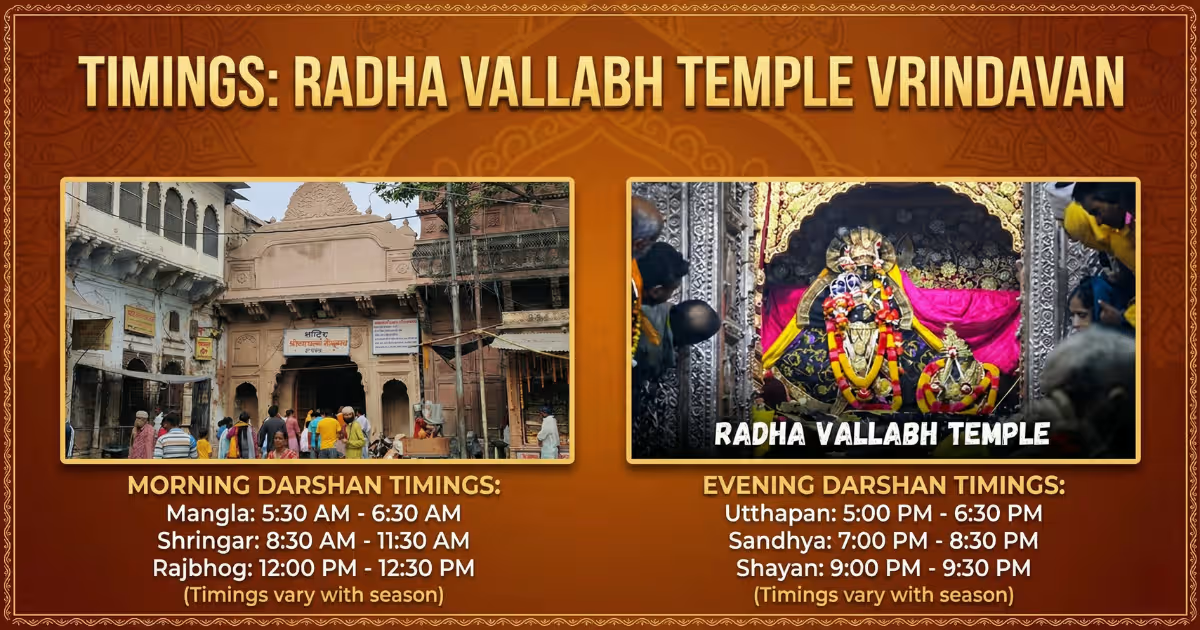
The temple opens for darshan at 5:00 a.m., when morning worship begins. Devotees may visit until noon, after which the temple closes during the afternoon rest period. Worship resumes at 4:00 p.m. and continues until 9:00 p.m. The Mangla Aarti, the primary ritual offering of light and devotion, is performed during these hours. This schedule allows visitors to participate in the rhythms of daily worship that have continued unbroken for centuries.
Those planning a visit should arrive during these designated hours. The early morning period typically draws devotees seeking the quieter atmosphere of dawn worship, while evenings attract larger gatherings. Visitors should dress modestly, removing shoes before entering the inner sanctum, as is customary in Hindu temples.
The Continuous Tradition of Service
The temple maintains an unbroken tradition of ashtayam seva—eight-fold daily service to the deity—alongside classical devotional singing. This continuous cycle of worship has been sustained for over five hundred years, reflecting the commitment of successive generations of priests and devotees to the practices established at the temple's founding.
The musical tradition here draws on classical Indian forms, with devotional songs performed as integral acts of worship rather than as performances for an audience. This integration of music and ritual creates the distinctive spiritual atmosphere for which the temple is known among those familiar with Vrindavan's devotional culture.
Location and Access
The temple is located in Vrindavan, Uttar Pradesh, at coordinates 23.099087, 87.872002. Vrindavan is accessible by road from nearby Mathura, approximately 60 kilometers from Delhi. The temple's address is Radha Vallabh Temple, Vrindavan, Uttar Pradesh, India. Visitors should note that Vrindavan's lanes are narrow and winding; local guidance or a map application may be helpful for first-time visitors locating the temple.
What Visitors Should Know
Vrindavan's climate is warm for much of the year, with cooler temperatures from November through February. The town draws pilgrims year-round, though specific festival seasons may see increased crowds. Visitors should carry water and wear comfortable walking shoes suitable for narrow streets. Photography policies vary; it is respectful to ask permission before photographing within the temple.
The temple does not appear to offer formal accommodation or dining facilities on its premises. Vrindavan has numerous hotels, guesthouses, and restaurants catering to pilgrims and travelers. Visitors unfamiliar with temple etiquette should observe the behavior of other devotees and follow their lead regarding when to bow, where to sit, and how to move through the space.
How to reach
Temples near Dolmancha of Radhaballabhjiu
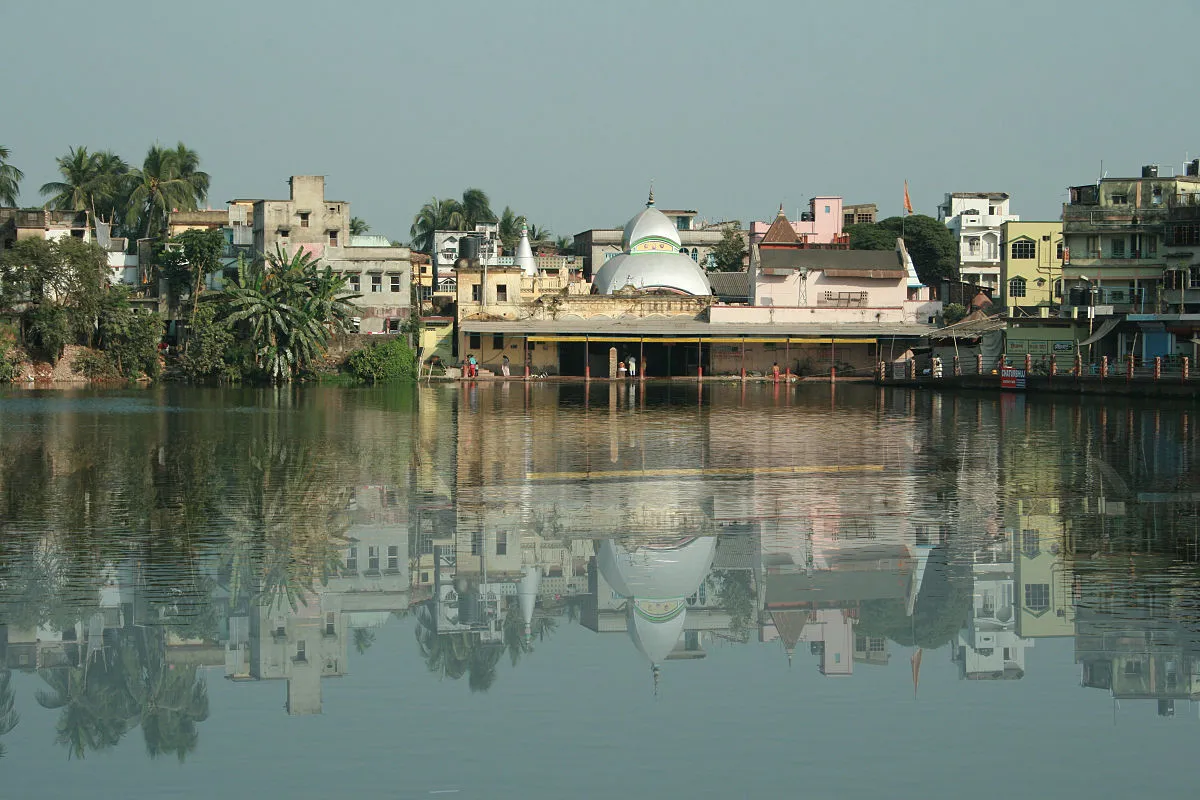
Taraknath temple
Taraknath temple in Tarakeswar, West Bengal, is a major pilgrimage site dedicated to Shiva worshipped as Tarakanatha, built in 1729 in the distinctive At-chala style of Bengal t…
Gokulchand temple
Gokulchand temple is a 17th-century stone pancharatna temple in Gokulnagar village, Bankura district, West Bengal, likely dedicated to Krishna based on its name.

Ghanteshwar Temple
Ghanteshwar Hanuman Temple in Mumbai's Khar West is renowned for its collection of approximately 100,000 brass bells offered by devotees whose wishes have been fulfilled.
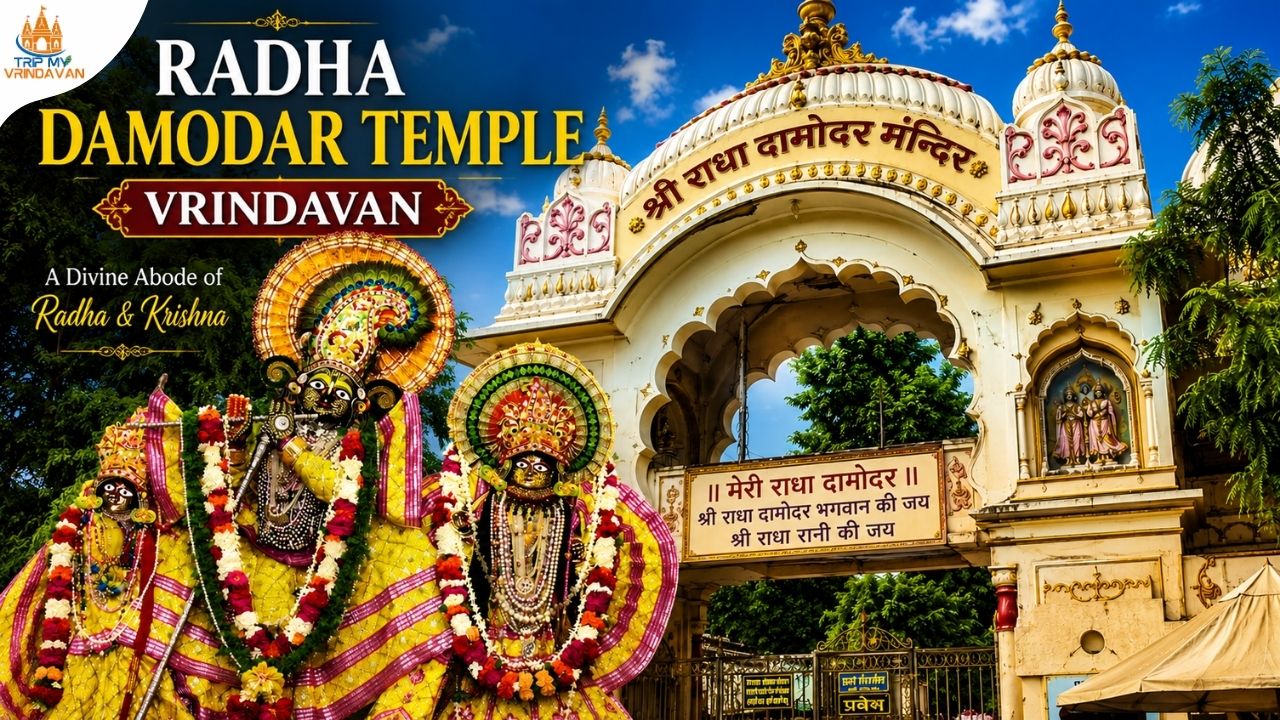
Rasmancha of Damodar
Radha Damodar Temple in Seva Kunj, Vrindavan, is a small but spiritually significant shrine dedicated to Radha Damodar (Krishna), deeply associated with the six Goswamis of Vrin…
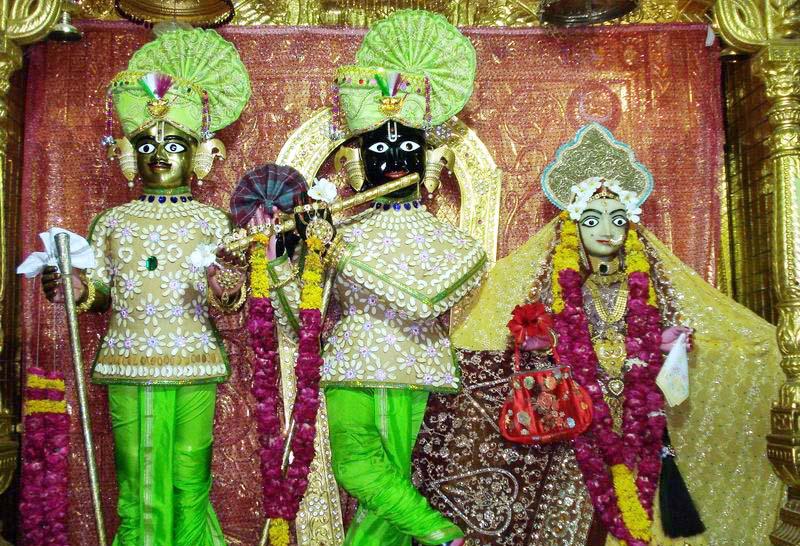
Rasmancha of Radhagobinda temple
The Rasmancha of Radha Gokulananda temple, established in the 16th century at Keshi Ghat in Vrindavan, is a Gaudiya Vaishnava shrine dedicated to Radha and Krishna with daily wo…
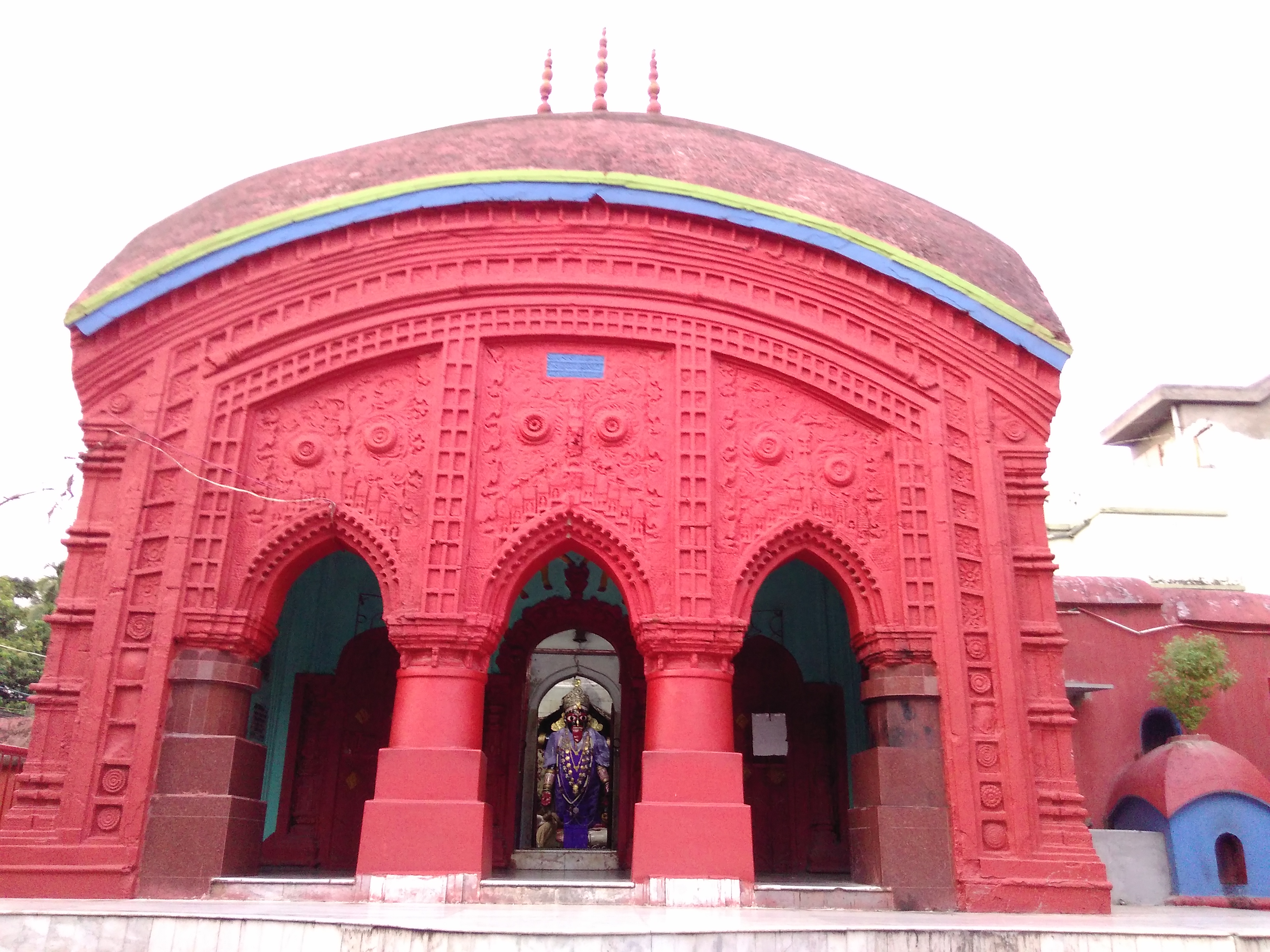
Siddheshwari Kali temple
Siddheshwari Kali Mandir is a historic Śākta temple in Kalna City, West Bengal, dedicated to the goddess Kali in her Siddheshwari form. Built in the mid-18th century near the Bh…